Business RadioX ®

  • Home
  • Business RadioX ® Communities
    • Southeast
      • Alabama
        • Birmingham
      • Florida
        • Orlando
        • Pensacola
        • South Florida
        • Tampa
        • Tallahassee
      • Georgia
        • Atlanta
        • Cherokee
        • Forsyth
        • Greater Perimeter
        • Gwinnett
        • North Fulton
        • North Georgia
        • Northeast Georgia
        • Rome
        • Savannah
      • Louisiana
        • New Orleans
      • North Carolina
        • Charlotte
        • Raleigh
      • Tennessee
        • Chattanooga
        • Nashville
      • Virginia
        • Richmond
    • South Central
      • Arkansas
        • Northwest Arkansas
    • Midwest
      • Illinois
        • Chicago
      • Michigan
        • Detroit
      • Minnesota
        • Minneapolis St. Paul
      • Missouri
        • St. Louis
      • Ohio
        • Cleveland
        • Columbus
        • Dayton
    • Southwest
      • Arizona
        • Phoenix
        • Tucson
        • Valley
      • Texas
        • Austin
        • Dallas
        • Houston
    • West
      • California
        • Bay Area
        • LA
        • Pasadena
      • Colorado
        • Denver
      • Hawaii
        • Oahu
  • FAQs
  • About Us
    • Our Mission
    • Our Audience
    • Why It Works
    • What People Are Saying
    • BRX in the News
  • Resources
    • BRX Pro Tips
    • B2B Marketing: The 4Rs
    • High Velocity Selling Habits
    • Why Most B2B Media Strategies Fail
    • 9 Reasons To Sponsor A Business RadioX ® Show
  • Partner With Us
  • Veteran Business RadioX ®

Search Results for: marketing matters

MARKETING MATTERS WITH RYAN SAUERS: Mayor Allison Wilkerson and Amanda Leftwich from the City of Grayson

April 25, 2019 by Garrett Ervin

Gwinnett Studio
Gwinnett Studio
MARKETING MATTERS WITH RYAN SAUERS: Mayor Allison Wilkerson and Amanda Leftwich from the City of Grayson
Loading
00:00 /
RSS Feed
Share
Link
Embed

Download file

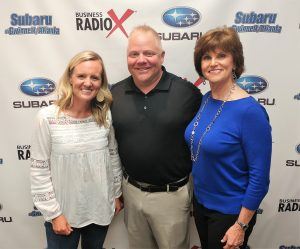
Jane Bishop, Mayor Allison Wilkerson, Amanda Leftwich, Ryan Sauers

Mayor Allison Wilkerson and Amanda Leftwich/City of Grayson

Grayson is a vibrant “live, work and play” community close enough to the big city for easy access but far enough to experience personalized home-town living. With excellent schools, sports programs, parks, restaurants and shopping Grayson is a popular destination for families. Throughout the year, The City of Grayson offers family-friendly community events including concerts, festivals and movies. Though Grayson is known for the excellent amenities of a sophisticated and professional city, they pay homage to their past with an extensive collection of historical Grayson memorabilia housed in the Arts and History Center. For more information, please visit cityofgrayson.org.

Jane Bishop/Take the Next Step

Jane Bishop, is CEO of Take the Next Step which emerged out of her passion to help others “go for their It.” She helps small business owners, entrepreneurs strengthen and align with their inner core for success by using her coaching and training skills. When you work with Jane you will experience accomplishing your “it,” and be a greater influence to those around you.  Jane uses her E4U system to help clients get to the core faster to create and execute a plan for effectiveness.  Jane is also a professional speaker and published author.  Curious? Reach out and book a complimentary session and see where that leads.

Ryan Sauers/President of Sauers Consulting Strategies

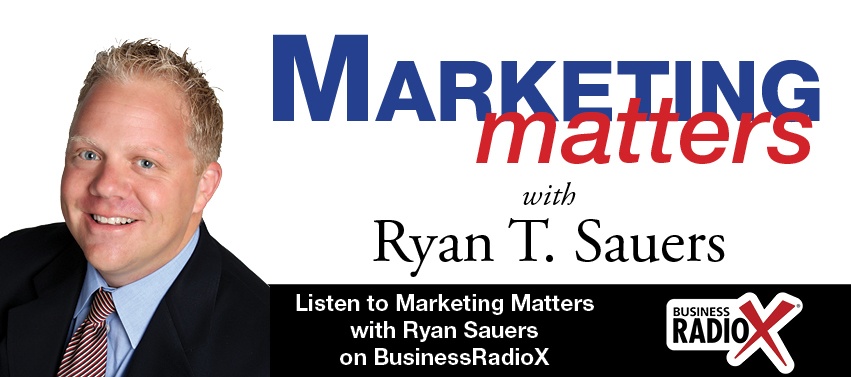
Ryan T. Sauers has spent over 25 years leading and/or consulting with marketing, media, and related companies. He is also owner of two Our Town Gwinnett monthly magazines. Sauers is a frequent national speaker and global columnist. He serves as an adjunct university professor teaching leadership courses. Ryan is a Certified Myers Briggs, DiSC, and Emotional Intelligence practitioner. Ryan is working on his Doctoral degree in Leadership. He is author of the best-selling books Everyone is in Sales and Would You Buy from You?

Show Overview

Marketing Matters is a radio show discussing topics as they relate to marketing, communications, sales, leadership and more. Host Ryan Sauers, a best-selling author and national speaker, discusses how these topics play a role in every aspect of our lives. Each episode shares tangible nuggets of information that listeners can easily understand and apply to their everyday life, whether personal or business. The show challenges listeners’ current state of thinking so they can grow to new heights and see new opportunities in business, which is rapidly changing, multi-generational. and noisy in nature.

Tagged With: Grayson, Grayson Arts and History Center, Grayson festivals, lisa counsell, live work play, Marketing Matters, marketing matters with ryan sauers, Mayor Allison Wilkerson, Ryan Sauers, Sauers Consulting Strategies, take the next step

MARKETING MATTERS WITH RYAN SAUERS: Marcie Reif with Marcie Reif Photography

April 11, 2019 by Garrett Ervin

Gwinnett Studio
Gwinnett Studio
MARKETING MATTERS WITH RYAN SAUERS: Marcie Reif with Marcie Reif Photography
Loading
00:00 /
RSS Feed
Share
Link
Embed

Download file

Marcie Reif, Ryan Sauers, Jane Bishop

Marcie Reif/Marcie Reif Photography

Marcie Reif is an in-demand kids, family, and commercial photographer in Atlanta, GA.  In addition to running her portrait business she is also a photography educator.  Marcie is the co-founder of The Photographer’s Retreat, and educational experience for female photographers, and the author of the best selling instructional resource Bringing Home the Story of the Beach.  She started her professional photography career in 2010, transitioning from a hobbyist taking pictures of her own children to begin growing the Marcie Reif Photography brand into the commercial and portrait photography experience it is today. She speaks several times a year at conferences around the country leading other photographers by giving them the confidence and tools to create strong portraits of family and children, as well as motivational strategies on building their photography community.  Her work has been featured countless times by industry-leading companies and has appeared in multiple highly-acclaimed magazines.

Jane Bishop/Take the Next Step

Jane Bishop, is CEO of Take the Next Step which emerged out of her passion to help others “go for their It.” She helps small business owners, entrepreneurs strengthen and align with their inner core for success by using her coaching and training skills. When you work with Jane you will experience accomplishing your “it,” and be a greater influence to those around you.  Jane uses her E4U system to help clients get to the core faster to create and execute a plan for effectiveness.  Jane is also a professional speaker and published author.  Curious? Reach out and book a complimentary session and see where that leads.

Ryan Sauers/President of Sauers Consulting Strategies

Ryan T. Sauers has spent over 25 years leading and/or consulting with marketing, media, and related companies. He is also owner of two Our Town Gwinnett monthly magazines. Sauers is a frequent national speaker and global columnist. He serves as an adjunct university professor teaching leadership courses. Ryan is a Certified Myers Briggs, DiSC, and Emotional Intelligence practitioner. Ryan is working on his Doctoral degree in Leadership. He is author of the best-selling books Everyone is in Sales and Would You Buy from You?

Show Overview

Marketing Matters is a radio show discussing topics as they relate to marketing, communications, sales, leadership and more. Host Ryan Sauers, a best-selling author and national speaker, discusses how these topics play a role in every aspect of our lives. Each episode shares tangible nuggets of information that listeners can easily understand and apply to their everyday life, whether personal or business. The show challenges listeners’ current state of thinking so they can grow to new heights and see new opportunities in business, which is rapidly changing, multi-generational. and noisy in nature.


Tagged With: consulting, Marcie Reif, Marcie Reif Photography, marketing, Marketing Matters, marketing matters with ryan sauers, Photography, portrait photography, Ryan Sauers, Ryan T. Sauers, Sauers Consulting Strategies, small businesses, take the next step, training

MARKETING MATTERS WITH RYAN SAUERS: Ron Weber with Dogwood Pizza

March 28, 2019 by Garrett Ervin

Gwinnett Studio
Gwinnett Studio
MARKETING MATTERS WITH RYAN SAUERS: Ron Weber with Dogwood Pizza
Loading
00:00 /
RSS Feed
Share
Link
Embed

Download file

Ron Weber and Ryan Sauers

Ron Weber/Dogwood Pizza

Dogwood Pizza is a local owned and operated family pizza restaurant that serves beer and wine. They also have wings, hoagies, stromboli, salads, bread sticks and more. They offer speedy delivery and provide catering for businesses and events as well.


Ryan Sauers/President of Sauers Consulting Strategies

Ryan T. Sauers has spent over 25 years leading and/or consulting with marketing, media, and related companies. He is also owner of two Our Town Gwinnett monthly magazines. Sauers is a frequent national speaker and global columnist. He serves as an adjunct university professor teaching leadership courses. Ryan is a Certified Myers Briggs, DiSC, and Emotional Intelligence practitioner. Ryan is working on his Doctoral degree in Leadership. He is author of the best-selling books Everyone is in Sales and Would You Buy from You?

Show Overview

Marketing Matters is a radio show discussing topics as they relate to marketing, communications, sales, leadership and more. Host Ryan Sauers, a best-selling author and national speaker, discusses how these topics play a role in every aspect of our lives. Each episode shares tangible nuggets of information that listeners can easily understand and apply to their everyday life, whether personal or business. The show challenges listeners’ current state of thinking so they can grow to new heights and see new opportunities in business, which is rapidly changing, multi-generational. and noisy in nature.

Tagged With: Dogwood Pizza, effective selling, family restaurant, marketing, marketing matters with ryan sauers, marketing tips, pizza restaurant, Ron Weber, Ryan Sauers, Sales, sales advice, sales tips

MARKETING MATTERS WITH RYAN SAUERS: Pat Soltys with Smoke Rise Agents

March 14, 2019 by Garrett Ervin

Gwinnett Studio
Gwinnett Studio
MARKETING MATTERS WITH RYAN SAUERS: Pat Soltys with Smoke Rise Agents
Loading
00:00 /
RSS Feed
Share
Link
Embed

Download file

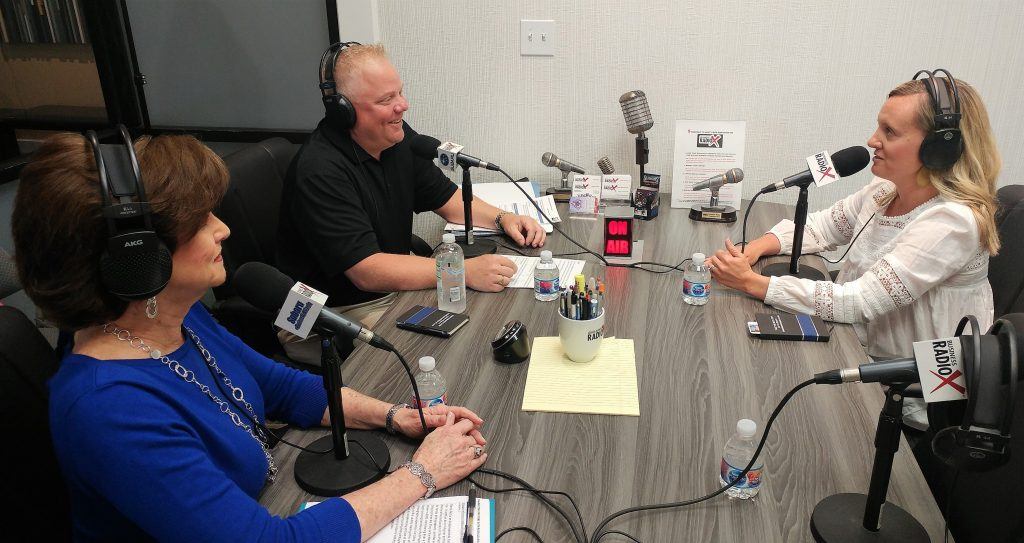
Pat Soltys and Ryan Sauers

Pat Soltys/Smoke Rise Agents

Smoke Rise Agents Team Lead Pat Soltys has been in the real estate industry for over 40 years, She is an author with over 300 copyrights, speaker and real estate broker. As team lead with 11 agents, she is a listing broker and innovative resource behind the team’s marketing and production.


Ryan Sauers/President of Sauers Consulting Strategies

Ryan T. Sauers has spent over 25 years leading and/or consulting with marketing, media, and related companies. He is also owner of two Our Town Gwinnett monthly magazines. Sauers is a frequent national speaker and global columnist. He serves as an adjunct university professor teaching leadership courses. Ryan is a Certified Myers Briggs, DiSC, and Emotional Intelligence practitioner. Ryan is working on his Doctoral degree in Leadership. He is author of the best-selling books Everyone is in Sales and Would You Buy from You?

Show Overview

Marketing Matters is a radio show discussing topics as they relate to marketing, communications, sales, leadership and more. Host Ryan Sauers, a best-selling author and national speaker, discusses how these topics play a role in every aspect of our lives. Each episode shares tangible nuggets of information that listeners can easily understand and apply to their everyday life, whether personal or business. The show challenges listeners’ current state of thinking so they can grow to new heights and see new opportunities in business, which is rapidly changing, multi-generational. and noisy in nature.
Tagged With: Leadership, Management, marketing, Marketing Matters, marketing matters with ryan sauers, Pat Soltys, realtor, realty, Realty Associates of Atlanta, Ryan Sauers, Sales, Selling, Smoke Rise Agents

BRX Pro Tip: The Email Marketing Metric that Matters

February 14, 2025 by angishields

BRXmic99
BRX Pro Tips
BRX Pro Tip: The Email Marketing Metric that Matters
Loading
00:00 /
RSS Feed
Share
Link
Embed

Download file

BRX-Banner

BRX Pro Tip: The Email Marketing Metric that Matters

Stone Payton: And we are back with Business RadioX Pro Tips. Lee Kantor and Stone Payton here with you. Lee, when it comes to email marketing, what is the best way to make sure that it’s effective?

Lee Kantor: Yeah. I think that when it comes to any type of marketing and email marketing specifically, there’s so many different metrics, and it’s really, kind of, honing in on what is the metric that matters. And a lot of folks, kind of, when it comes to email marketing, lean on open rate as the metric that matters. Like how many people are opening the email that you’re sending. And while I think that’s important and that’s kind of table stakes that you want people to open your emails, that means they were looking forward to them, I think a more important metric, when it comes down to actually where business is getting done, is the click through rate.

People have to click on things. Your readers of the emails have to click on things within the emails you send. If they’re not clicking on anything that you are writing about or recommending they go to, then you have a problem. So, you have to figure out ways to increase the value of what you’re saying or sending them to, so they click on something.

So, now, how do you go about increasing the value? I think the best way to way to increase value is think about what it is that you’re sharing and make that information or content so good that they have to click on it. And in some cases, that might make you have to feel a little anxious or uneasy that you’re giving away this much good stuff. And that’s really kind of the sweet spot. You want to feel like, “Man, should I be doing this? Because this is some really good stuff,” and that’s kind of where you want to be when it comes to creating content for email. Because you have to remember, the reason you’re sending these emails is because you want these people to remember you when it’s time to buy what you’re selling. And if you’re not providing enough value, they’re not going to do that.

So, put your value in there and increase the value to the point where you’re feeling uncomfortable. And a little fun fact or a little maybe something that’s surprising that if you add a PS below your name when you’re like, “Thanks for reading,” and then you put your name, and if you put PS, and then put a link in there in the PS, you will find that that has a surprisingly high clickthrough rate. So, try putting in a link there as well.

Breaking Down Complexity: How EOS Helps Businesses Focus on What Really Matters

April 17, 2026 by angishields

CBRX-LeadFX-Feature
Cherokee Business Radio
Breaking Down Complexity: How EOS Helps Businesses Focus on What Really Matters
Loading
00:00 /
RSS Feed
Share
Link
Embed

Download file

CBRX-LeadFX-Feature-banner

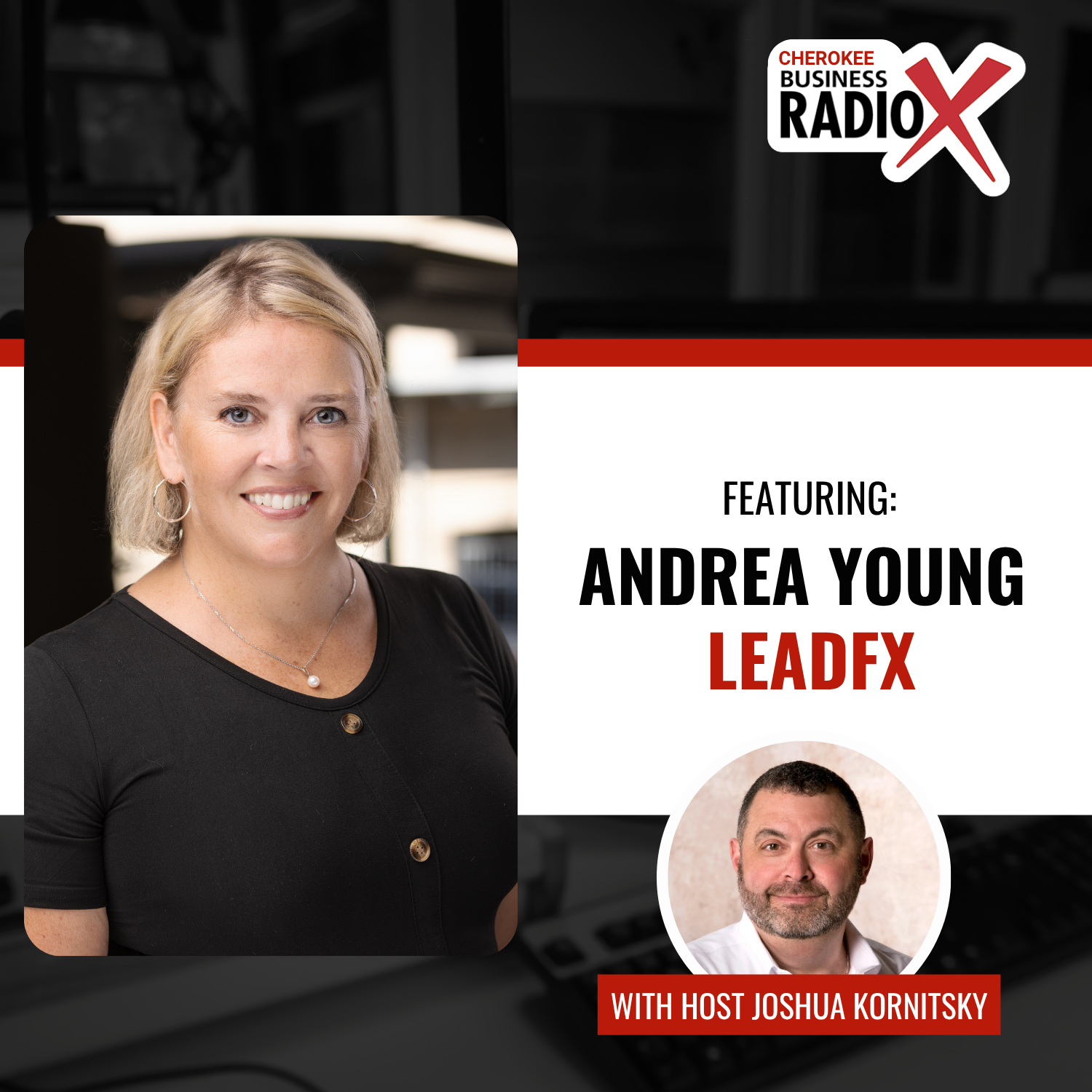
In this episode of Cherokee Business Radio, Joshua Kornitsky talks with Andrea Young, a certified EOS (Entrepreneurial Operating System) Implementer. Andrea shares her journey from corporate executive to entrepreneur, explaining how EOS helped her co-founded business triple profitability and double revenue. She discusses how EOS helps businesses simplify complexity, align leadership teams, and place the right people in the right roles. Through real-life examples, including helping a burned-out client reclaim work-life balance, Andrea highlights EOS’s transformative impact. 

Brought to you by Diesel David and Main Street Warriors

CherokeeSponsorImageDieselDavidMSW

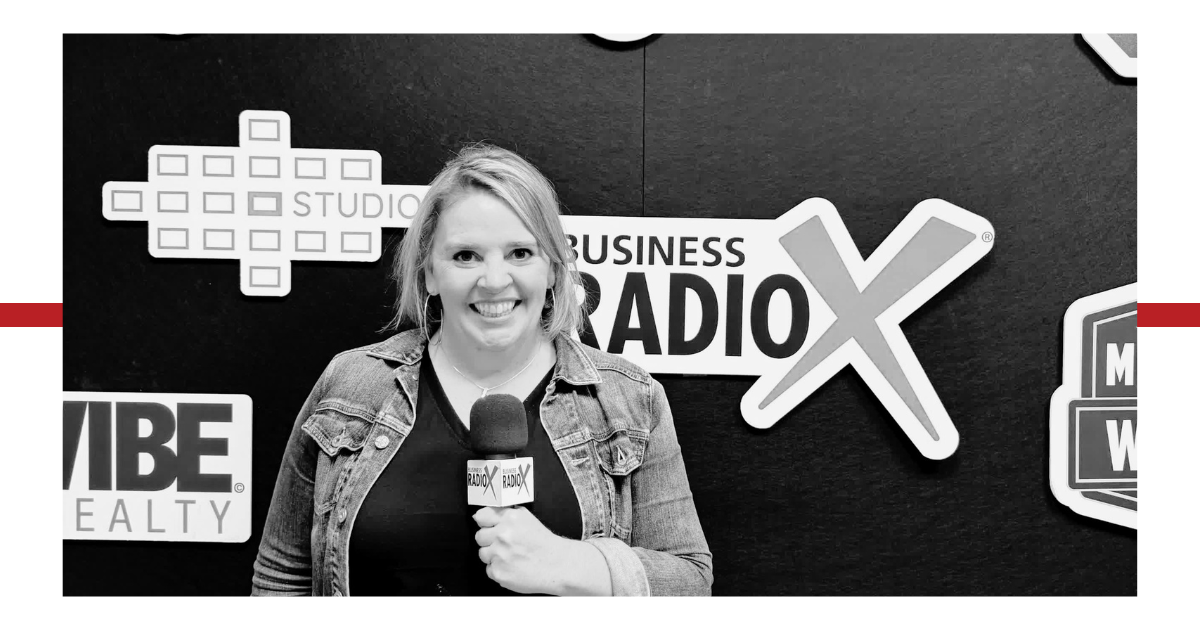
Andrea-YoungAndrea Young helps leadership teams get out of the weeds, get aligned, and actually gain traction. Through her firm, LeadFX, she partners with growth-minded companies to simplify complexity, strengthen their teams, and turn vision into results.

Andrea brings a powerful blend of corporate leadership and entrepreneurial experience. As a Vice President at The Coca-Cola Company, she built a reputation for launching brands from scratch and solving complex business challenges, including leading innovation behind Coke Zero and Truvia. She was also brought in to turn around a struggling business. By aligning the leadership team around a clear vision and shared strategy, performance shifted from four years of decline to exceeding targets year over year.

She also co-founded a business that ran on EOS, giving her firsthand experience with the system she now implements. After introducing EOS, the company shifted from reactive to aligned, tripled profitability within 12 months, and the business ultimately sold in 2024.

To complement her hands-on experience and results, Andrea is committed to continuous learning in service of her clients. She is a Certified EOS Implementer, Certified CliftonStrengths and Working Genius Coach, and a Certified Exit Planning Advisor. This combination gives her a unique ability to help leadership teams navigate the real issues that impact vision, execution, and culture.

Based in Atlanta and a proud mom of two daughters, Andrea is an avid believer that great businesses are built by great teams—and that when leaders get clear, aligned, and accountable, everything changes.

Episode Highlights

  • Andrea’s background as a corporate executive and her transition to becoming a certified EOS Implementer.
  • The impact of EOS on business profitability and revenue growth.
  • Key principles of EOS, including simplicity, clarity, and execution.
  • The importance of aligning leadership teams and getting the right people in the right roles.
  • Real-life examples of EOS implementation transforming businesses and reducing burnout.
  • The distinction between coaching and consulting in the context of EOS.
  • The role of structure and accountability in entrepreneurial settings.
  • The significance of delegation and empowering team members.
  • Characteristics of ideal clients for EOS and the types of organizations that benefit from it.
  • Common misconceptions about EOS, including its complexity and the nature of the change process.

Transcript-iconThis transcript is machine transcribed by Sonix.
 

TRANSCRIPT

Intro: Broadcasting live from the Business RadioX studios in Woodstock, Georgia. It’s time for Cherokee Business Radio. Now, here’s your host.

Joshua Kornitsky: Welcome back to Cherokee Business Radio. I’m your host, Joshua Kornitsky, and I’ve got a great guest here in the studio today. But before I get started, I want to remind everybody that today’s episode is brought to you in part by the Community Partner Program, the Business RadioX Main Street Warriors defending capitalism, promoting small business, and supporting our local community. For more information, please go to Main Street warriors.org. And a special note of thanks to our title sponsor for the Cherokee chapter of Main Street Warriors Diesel David, Inc.. Please go check them out at diesel. David.com. As I said, I have a wonderful guest here in studio with me today. Her name is Andrea Young. Welcome, Andrea. Andrea is a certified EOS implementer, and she works with entrepreneurial organizations to help them grow and scale their business. Welcome, Andrea.

Andrea Young: Thanks, Josh. I’m excited to be here.

Joshua Kornitsky: Thank you. I’m so happy to have you. So let’s begin at the beginning. Tell me really, how did you get started in iOS?

Andrea Young: Well, I am a recovering corporate executive, so I spent 20 plus years in corporate America in a strategy, innovation and marketing side, building brands from scratch and then launching those out into different various countries. Um, I would also get brought in to turn around divisions that were stuck or had gone into some decline. And in those cases, I would, um, create a new strategy, get the whole team aligned towards it, rowing in that same direction and execute it. And, um, that turned into massive growth at the same time. Um, I co-founded a business and entrepreneurial business and, um, and I got to see how EOS worked. Uh, it was a total game changer for that business. We tripled our profitability in less than 12 months, doubled our revenue. And more importantly, we got the entire leader, entire team really focused in the same direction. So I saw the power of EOS. Um, and so when I decided to leave the corporate space, it was about, um, you know, how do I help other companies grow? How do I help other leadership teams grow personally and professionally? And that’s really where I’ve been focusing for the last five years.

Joshua Kornitsky: Okay. I mean, that that makes perfect sense to me. Once you saw the power of it. So out of curiosity, I know there’s a lot of different business operating systems and methodologies. Was there anything particular about EOS that stood out to you?

Andrea Young: Yes. It’s the combination of, um, a vision plus traction. So it takes theory to a very realistic level of being able to actually execute effectively in a company in the most simplest way. And that is where the magic exists, is being able to identify what your vision is, have the traction, the simple discipline, the tools to be able to actually deliver on that vision and at the very same time, be able to create a stronger culture, um, by really, uh, bringing your, or having your, um, uh, leadership team involved in all aspects of that from designing the, the vision to actually making it happen. And that’s where the power exists.

Joshua Kornitsky: And you said a word that I want to ask you about. You said this word simplicity. Um, so where, where does simplicity factor into this? Because when you think when I think about an entrepreneurial business, there anything but yes.

Andrea Young: You know, um, complexity is very expensive. And, uh, you know, I worked with a company that had over 900 SKUs, uh, 12 different leaders, three different sales departments. And they thought that complexity was, was their identity. It’s just, it’s, it’s complicated here. Um, and so we really simplified their focus. We simplified their core messaging and suddenly profit increased. Uh, the team had energy again, growth became intentional. They were focused on the most profitable SKUs, got into some SKU rationalization and really just made a healthier organization. You know, complexity is often a choice and clarity is always a competitive advantage.

Joshua Kornitsky: So that’s simplicity. Perspective. Yeah. I never would have thought of it that way. So does assuming the scale. You said you worked internationally in the corporate role in your life. I imagine that made you an expert in complexity. How has that impacted your ability to teach and coach CEOs with that, with that background coming out of a, out of a very corporate universe?

Andrea Young: Yeah, corporate has the benefit of, of great structure and accountability. And so I’ve been able to take that into the entrepreneurial world or entrepreneurial space, because that’s where a lot of, um, entrepreneurial businesses, um, are, those are, those are the opportunities they’re working in. And so being able to boil it down to the simplest elements, being able to make sure that it’s very clear who’s doing what, who’s on first, who’s on second. Um, and so that type of clarity and simplicity really leads to better growth and higher employee engagement.

Joshua Kornitsky: Okay, so so let me ask about what I see as sort of the elephant in the room. I understand you’re a certified EOS implementer. What does that mean? What do you actually do?

Andrea Young: Mhm. Well.

Joshua Kornitsky: Um, and I mean that politely. I’m just trying to for anybody hearing this for the first time. Um, I know you said that EOS is this business operating system and methodology, but I want somebody to really be able to grasp and follow.

Andrea Young: Yeah. So I would, um, express it like this. Uh, I help to bridge the gap between vision and execution. Um, I help leadership teams get out of chaos and into clarity.

Joshua Kornitsky: Okay.

Andrea Young: Um, most businesses don’t have a strategy problem. They have a structure problem. And so I help them implement EOS, which gives leaders a very simple way to get clear on what they’re doing to get the right people in the right seats and, um, actually execute consistently.

Joshua Kornitsky: So I mean, is it a bunch of complicated proprietary stuff? What what’s the basis for iOS?

Andrea Young: Well, it’s built off of a framework that Gino Wickman, um, wrote and designed. Um, that is a proven system that’s been around for over 15 years. And nearly 300,000 companies are running on iOS.

Joshua Kornitsky: So it’s not just a new idea. No, not not not the flavor of the month.

Andrea Young: Not the flavor of the month. Um, I actually ran iOS, uh, in the business that, uh, that I co-founded. And, um, and that’s where, you know, I, I’ve seen it work, I’ve seen it work, uh, personally. And then of course my clients, um, we’re just getting traction is really creating results.

Joshua Kornitsky: That’s, it’s good to know that it’s based on something that’s been around for a while, sort of been tested, been vetted, and that you’ve lived it yourself. That’s got to make a big difference.

Andrea Young: Absolutely. Because, uh, if you can put your, um, your self behind it, then it just creates that much more conviction.

Joshua Kornitsky: Can you share a story outside of your own organization? Where you working with someone to implement us made a real difference to their business?

Andrea Young: Yeah, EOS has the power to do lots of things depending on what you need out of your business. So whether it’s improving people issues or, um, profitability issues or driving revenue or creating some freedom, um, for your yourself. And so, uh, one thing that I discovered is, um, a lot of, a lot of business owners are really facing some big challenges right now. Uh, they’re growing, but it feels harder, not easier. Sure. Uh, their team’s busy, but not necessarily aligned. Uh, and everything still runs through them. And so I had a client who was working over 80 hours a week and still felt like things were really slipping.

Joshua Kornitsky: We got to be incredibly hard to give it that much.

Andrea Young: Yes.

Joshua Kornitsky: And to still feel like you’re running behind it.

Andrea Young: I mean, he felt like it was, uh, he was nearing burnout, right? Um, hadn’t taken a vacation in years. Um, and so in, by implementing iOS, we fixed his system. And, um, you know, most leaders don’t need to work harder. They need to work in a system that works. And so iOS was able to, to transform that for him to give some freedom back. And, and he took a vacation and spent time with his family and things didn’t fall apart back in the office. They continued to operate very efficiently and effectively without him. And that was, uh, a breath of fresh air for him.

Joshua Kornitsky: Well, it literally must have been game changing.

Andrea Young: Absolutely.

Joshua Kornitsky: I can only imagine. Yeah. So as you work with your clients, you know, how do you help them handle some of these tough decisions that they’re clearly not accustomed to making? Because it sounds to me like you’re elevating their visibility into some of the challenges that they may have been blind to. So how do you how do you help coach them around, say, people problems?

Andrea Young: Well, we start with making sure you’ve got the right people in the right seats.

Joshua Kornitsky: Um, how do you do that?

Andrea Young: We’ve got a few tools in our toolbox. And so, um, one of the first ones is really understanding structure before getting to people. And so getting clear on, we call it an accountability chart instead of an organizational chart. It’s kind of like an org chart on steroids.

Joshua Kornitsky: Okay.

Andrea Young: Um, and that accountability chart acts like a mini job description for understanding what the structure is, what, uh, what seats do you need to have within the organization to achieve the vision that you want to get to? And so we outline, um, I help them outline, uh, the roles for each one of those seats. And then only after we’ve designed what the right structure is. We, um, look at who are the right people for those seats and evaluate them using a simple tool called the people analyzer. Do they get it? Do they want it? Do they have the capacity to do that role? And so by doing so, we’re ensuring that we’ve got the right people in the right seats for for that.

Joshua Kornitsky: What happens when you don’t?

Andrea Young: That happens all the time. And sometimes you have to make really hard decisions. Um, you know, I had a client who, uh, like a lot of, um, uh, businesses, when they first start up, they hire friends, they hire family.

Joshua Kornitsky: Whoever they can get their hands on.

Andrea Young: Yeah. And so when we went through this exercise, it became very clear that the friend, uh, in their, their, uh, in their seat, in that seat had this, the seat had outgrown them.

Joshua Kornitsky: Um, okay.

Andrea Young: And they just didn’t have the ability to help them get to the next level.

Joshua Kornitsky: So the organization had more needs than that individual could deliver more. You said when you said they outgrew it.

Andrea Young: Yes.

Joshua Kornitsky: Okay.

Andrea Young: Yeah. And so what that meant is she had to make a very tough decision to be, um, to continue to grow the organization. Um, and so I helped to be the, the person to put some clarity on that using some of those iOS tools to help her coach her through that process. Uh, and then to ultimately hire the right person for that seat.

Joshua Kornitsky: So I want to ask something that just occurs to me as we’re talking. You keep saying coach, and in my brain I’m thinking consultant, what’s the difference between a coach and a consultant? Mhm. Because you’re you continually use the word coach.

Andrea Young: Yes. So an EOS implementer, um, as an EOS implementer, I play the role of coach, facilitator and teacher. Um, I’m not a consultant to provide the solutions. The the brilliance is in the room. Um, they know their industry, they know their competitors, they know their products and services. Uh, the very best. And so my job is to help coach, to help bring out that brilliance, um, to help them get aligned to what the right answers are. Um, and quite frankly, to kick them in the butts if they’re, uh, not doing what they say they’re going to do or to, uh, give them a high five when things are going well.

Joshua Kornitsky: Okay. So literally that sideline coach that that helps the players improve at the game.

Andrea Young: That’s right.

Joshua Kornitsky: So how do you how do you talk to somebody about like the individual you’re talking about earlier that hadn’t been on vacation? How do you convince someone that it’s okay to step away and take a break from their business? Well, I mean, obviously structure’s got to be there. You can’t just decide tomorrow you’re leaving for a week.

Andrea Young: But once we put these systems in place, it gives them some of the comfort. Once you’ve got the right structure, you’re delegating and elevating to the right people.

Joshua Kornitsky: Okay.

Andrea Young: You’ve got you’re measuring how things are working for you and holding people accountable. Getting really clear on what the priorities are, um, and improving the communication across the leadership team that builds the confidence, uh, with the owner that they can go away and, um, and enjoy family time or, uh, get away for a much needed, uh, clarity break or vacation, uh, knowing that things are going well at home. And so once we create that system, then, um, uh, we’ve got the tools in place to, to be able to prove it.

Joshua Kornitsky: Well, and you said earlier, it’s about having the right people in the right seat. Tell me, how does that relate to delegation? Because I have to think that’s critical before you can delegate. Right?

Andrea Young: It is. Absolutely. Um, you know, I used to worry about delegating some of the menial tasks are the things I wasn’t interested in doing. And what I discovered is that there are people out there that would love to do some of those projects. It’s new learning for them. It’s exciting for them. That is a bit of an aha to be able to elevate some of that work. Not everybody’s built to do the same stuff. And so by delegating out some of the tasks, it gives you a better time management. Um, but it also empowers some of your team members to contribute in a better, different way for the company.

Joshua Kornitsky: That makes really, really good sense. And it was not something that I thought about because delegation is scary, right? Letting go of things is scary. That’s why I linked it to having the right people. But it makes perfect sense that if you do have those right people, then then delegating is probably a little less scary.

Andrea Young: Yeah.

Joshua Kornitsky: Yeah. Um, who’s your ideal client? What types of organizations do you work with or is a good fit for us?

Andrea Young: It’s not any one um industry. It is rather growth minded business owners that are ready to, to level up that they are more afraid of the status quo than they are of change. Um, and so this helps them to, uh, to get there. And so you need a leadership team that’s open minded, that’s honest. Um, ready to do that? I work with a lot of family owned businesses and female owned businesses, um, as well as really, uh, anything from landscaping companies to legal firms. It really works across all different industries and leadership teams. It comes down to that growth mindset being the key component.

Joshua Kornitsky: So is it a good fit for a startup?

Andrea Young: Um, it can be, you need to be, uh, you know, got to a point where you’ve gotten stuck or need some, um, some help. Um, really creating this, just putting the systems in place to grow.

Joshua Kornitsky: I mean, it sounds to me like those systems are beneficial to the organization overall in any event, right. It’s got a, does it help us down the road for people that are evaluating investing in that business?

Andrea Young: Oh, absolutely. It just helps them to be really buttoned up as an organization. So I have worked with startups of a team of two, for example. Um, and this helped them to get the funding that they needed for their business because they were buttoned up in terms of where they were going, how they were going to get there, what the growth plan looked like. Um, so that was helpful. I would say that, uh, the typical client though, tends to be a smaller to mid-sized organization that, um, has gotten to a point where what worked for them before doesn’t work for them now, or there’s some chaos in the mix, or they’re struggling with some of those kind of people challenges that, that now need to, to get resolved. There’s some elephants. You brought up the word elephants. Elephants in the room.

Joshua Kornitsky: Okay. All right. I mean, that makes sense. So can I ask you kind of a difficult question, but what? There’s a few implementers out there, right? What? What sets you apart from others when it comes to to your approach?

Andrea Young: Yeah. Three things. I am, um, enterprise trained but entrepreneurial savvy. So having spent all that time in corporate, but then also having run my own businesses, um, I integrate strength tools. So I strength based training like working genius or cliftonstrengths.

Joshua Kornitsky: Okay.

Andrea Young: Um, and I’m really willing to put those issues on the table. So I build a client trust so that we’re, we’re working in an environment where we’re going to put those elephants in there and we’re going to tackle them and we’re going to come up with ideas or solutions. We don’t dance around problems. We solve them.

Joshua Kornitsky: That must take a great deal of. I’m trying to think of a polite word. I’ll go with guts. To be able to. To stand your ground on that type of thing. To make sure that they’re confronting the issues that they have to confront.

Andrea Young: Yeah. Clarity requires honesty. And that’s where the real growth happens. And so we get to a point where that is, is critical.

Joshua Kornitsky: It makes sense, but it must be uncomfortable at first.

Andrea Young: It can be. Um, but it’s also a sense of, uh, I think in my experience, the clients who go there get the, the, the greatest rewards and become even closer as a leadership team by, by being open and honest with each other.

Joshua Kornitsky: It makes sense. It, it changes heart. Yeah. And, and I imagine you encounter that quite a bit. So if I’m a business owner that’s listening to this right now and I’m feeling stuck. You know, what should they do? What are what are the steps they should take?

Andrea Young: Um, really start by being honest about where you’re at. Um, you know, what is your vision? Do you have the right people? Um, uh, what are your priorities? And if you don’t, then that’s where we need to do some work. And, um, uh, and if you didn’t, one of the biggest aha moments is that you don’t have to do it alone. And so I talked to a lot of business owners that feel like this is all on their shoulders. You don’t have to do it alone. And this, um, system, this process is really team based. And that just helps to drive bigger results to get where you’ve, you know, dreamt of, of turning that business into.

Joshua Kornitsky: That makes perfect sense to me. And what’s the best way for people to reach you if they, if they want to learn more or gain from your knowledge and experience in helping others.

Andrea Young: Well, my business is called Lead Effects, which is all about leadership effectiveness. And the website is the lead effects.com.

Joshua Kornitsky: Okay. And we will share that when we post the podcast. Thanks. So I appreciate you sharing that with me. Um, one last question that I like to ask everybody. What are some of the assumptions people make about working with you or working with us to, to bring this into their business? That might be off track.

Andrea Young: Hmm. Um.

Joshua Kornitsky: So you had said earlier that it’s simple but not easy.

Andrea Young: That’s right. Yeah, it is simple. It’s not easy. It is. Um, um, sometimes this identifies people that are not in the right seats. And so often the team that you start with is not necessarily the team you finish with. Um, it, uh, can, the, the waters can be a little muddy at first before it gets clear, but it needs to be as part of change management in order to get where you want to get to.

Joshua Kornitsky: I think that that’s a perfect closeout and makes it very clear to people that you got to what was it? Winston Churchill said the only way to get through hell is to get through hell. Uh, and it sounds like that’s exactly what this is, that in order to get to the clarity, you got to swim through a little bit of the muddy water.

Andrea Young: Well, we go one step at a time. So, um, well, and I’m here to help them and to guide them through that process.

Joshua Kornitsky: And thank you for bringing that up, because I think that is a big differentiator that, that it sounds like while it is a proven path, it’s not a race.

Andrea Young: No, it is. Uh, it is definitely not a sprint. This is a bit more of a marathon, but I have seen teams get results immediately. And, um, it is part of the journey towards getting to their ultimate goal.

Joshua Kornitsky: Well thank you Andrea. I really appreciate you sharing what you’ve shared with us today. And I know I learned a lot. Um, I do want to remind everybody that today’s episode is brought to you in part by the Community Partner program, the Business RadioX Main Street Warriors defending capitalism, promoting small business, and supporting our local community. For more information, please go to Main Street warriors.org. And a special note of thanks to our title, to our title sponsor for the Cherokee chapter of Main Street Warriors Diesel David, Inc.. Please go check them out at diesel david.com. Again, my name is Joshua Kornitsky. I am your host here at Cherokee Business Radio. My guest has been Andrea Young, certified EOS implementer. If you’re looking to grow or scale your business or it sounds like just get it healthier, she’s the one to reach you. Thank you. Andrea.

Andrea Young: Thanks, Josh.

Because One Matters on Nonprofit Nation

February 17, 2026 by Amanda Pearch

Chat with AP
Chat with AP
Because One Matters on Nonprofit Nation
Loading
00:00 /
RSS Feed
Share
Link
Embed

Download file

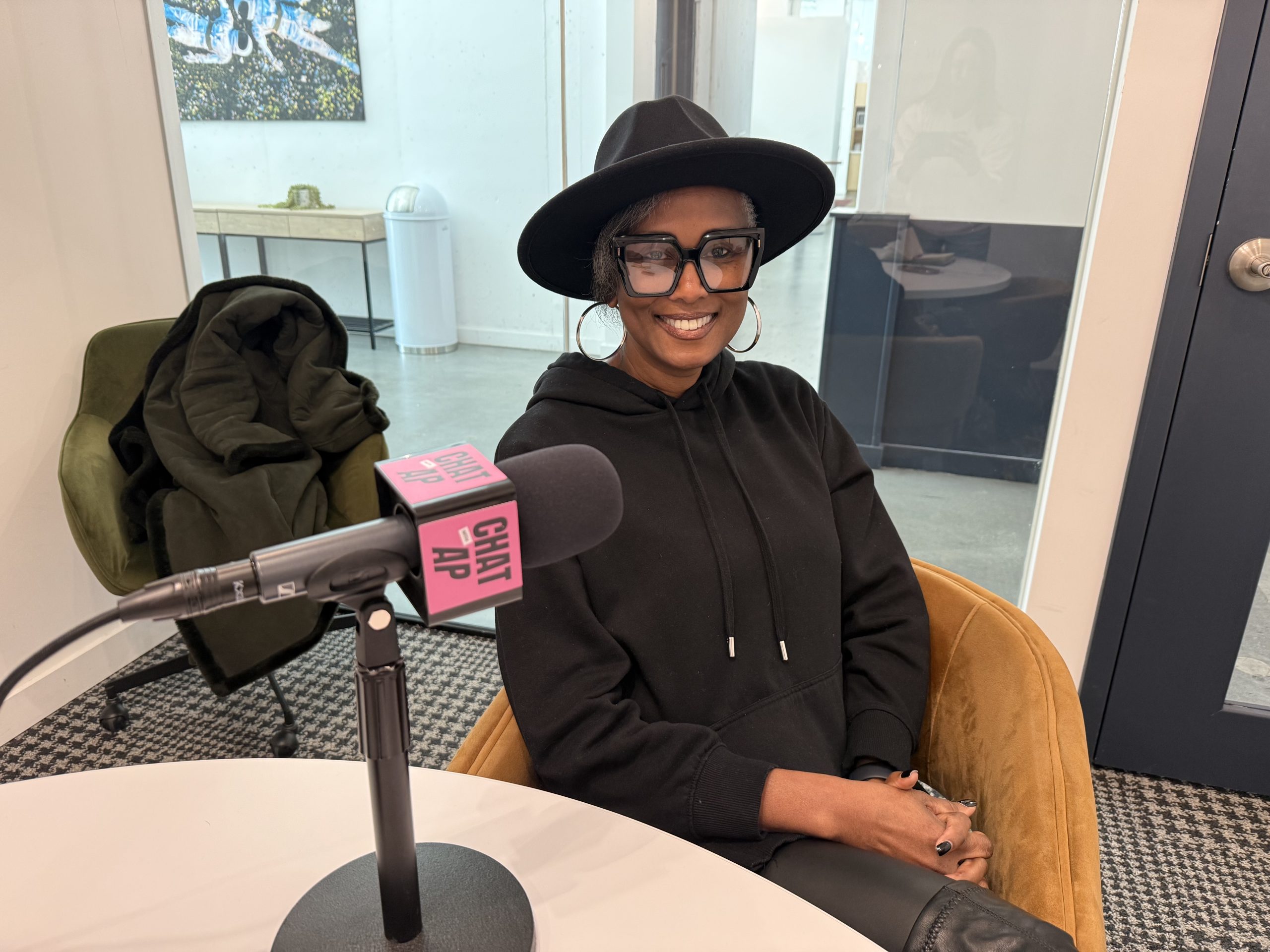
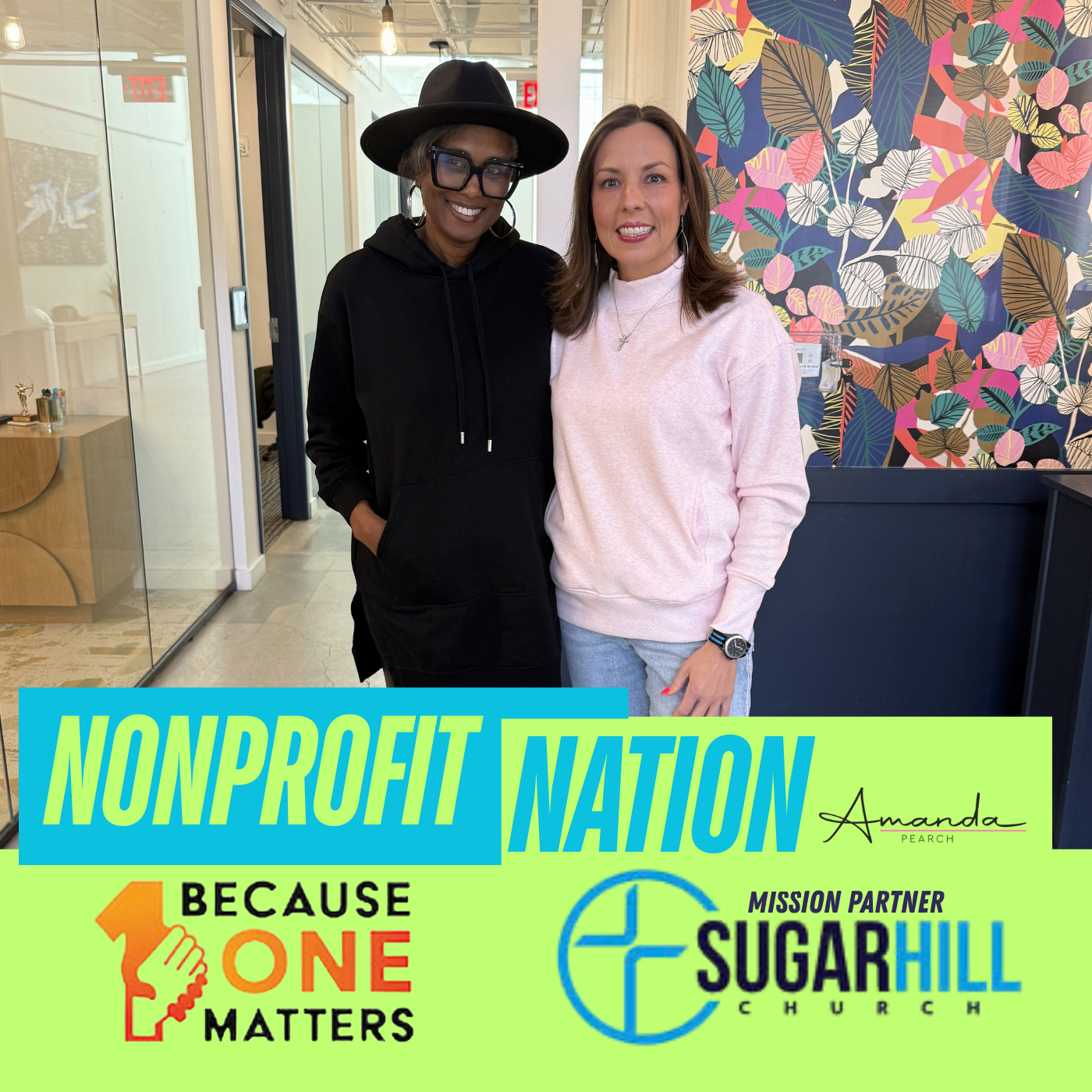
Welcome to Nonprofit Nation hosted by Amanda Pearch— where we bring the efforts shaping our community into focus! This podcast series highlights the meaningful work nonprofits are doing to strengthen our community. Each episode, we speak with Nonprofit leaders, volunteers, and advocates addressing real challenges and creating impactful solutions. Join us as we explore their stories, the obstacles they face, and the measurable change they bring to the people and causes they serve. Enjoy this episode featuring Because One Matters, Founder, Andrea Barclay.

Nonprofit Nation conversations are made possible by our Series MISSION PARTNERS at

The Corner Gathering & Sugar Hill Church.

This episode:

  • What is Because One Matters?
  • Meet the Founder, Andrea Barclay
  • Mission, Vision & Values
  • Community Outreach
  • GET INVOLVED

Nonprofit Nation conversations are made possible by our Series MISSION PARTNERS at

The Corner Gathering & Sugar Hill Church

Nonprofit Nation conversations are made possible by our Series MISSION PARTNERS at

The Corner Gathering & Sugar Hill Church.

Tagged With: amanda pearch, andrea barclay, AP On The Move, Chuck Allen, Dustin Beckmann, foster care, gwinnett county, Nonprofit Nation, Nonprofit Nation Podcast, On The Move Moving Company, Sugar Hill Church, The Corner Gathering

Mary McCorvey: Moonshots, Media, and the Art of Building What Matters

January 23, 2026 by angishields

BTU-Mary-McCorvey-Feature
Beyond the Uniform
Mary McCorvey: Moonshots, Media, and the Art of Building What Matters
Loading
00:00 /
RSS Feed
Share
Link
Embed

Download file

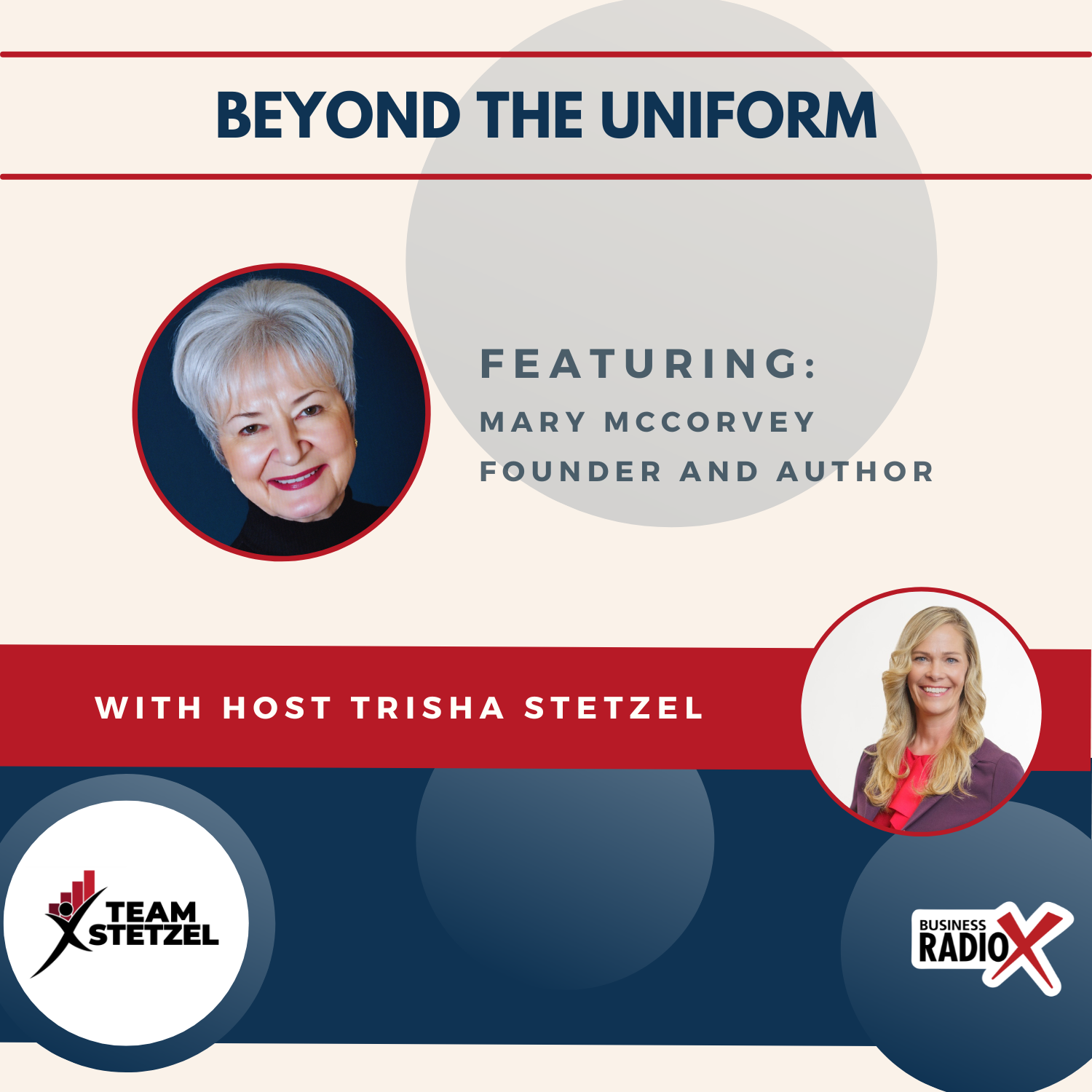
Mary-McCorveyMary McCorvey is a seven-time founder, U.S. military veteran, and creative powerhouse whose ventures span media, technology, and social impact. Her work lives at the intersection of innovation and storytelling, where she elevates bold ideas and brings them to life with purpose and heart.

Most recently, Mary collaborated with Intuitive Machines, the pioneering Houston-based aerospace company that helped the United States return to the Moon. Through this historic partnership, she helped shape narratives that captured not just a technological feat, but a national moment—showcasing how courage, vision, and collaboration can turn moonshots into reality.

As the founder of a production company, Mary brings a unique voice to storytelling—one that blends creativity with conviction. Whether in business, leadership, or life, she inspires others to define and pursue their own moonshot, while embracing the lessons that come from the journey, even when the outcome isn’t what was expected. Mary’s work reminds us that dreaming big isn’t just about where we land—but who we become along the way.

LinkedIn: https://www.linkedin.com/in/marylmccorvey/

Transcript-iconThis transcript is machine transcribed by Sonix

 

TRANSCRIPT

Intro: Broadcasting live from the Business RadioX studios in Houston, Texas. It’s time for Houston Business Radio. Now, here’s your host.

Trisha Stetzel: Hello, Houston. Trisha Stetzel here bringing you another episode of Houston Business Radio is my pleasure to introduce you to my amazing guest today, Mary McCorvey, a seven time founder, Gulf War veteran, host of the podcast, and the book Experience over expectation and creative force behind multiple ventures spanning media, technology and social impact. She recently collaborated with Intuitive Machines. We’re going to talk about that some more. The Houston based aerospace company that made history by helping America return to the moon. Through her production company and storytelling work, Mary explores how courage, vision and collaboration turn ambitious dreams into reality. Today, we’ll talk about what it really means to take your moonshot in business, leadership and in life, and how success often comes from the lessons learned when you don’t quite reach the moon. Mary, welcome to the show.

Mary McCorvey: Thank you, Trish, very much. Appreciate it.

Trisha Stetzel: I’m so excited to have you on today. So tell us a little bit more about you, Mary.

Mary McCorvey: Well, it’s it’s, uh, that that introduction that you just gave me is a is a tough follow up. I think for our conversation today, I’m extremely excited about talking about my passion around business and especially around founding businesses and creating and executing those businesses in a very successful way, and that that success can can take on many forms. We have the traditional success of the hockey stick growth of a company. We also have the the other kinds of success in founding companies and achieving the dreams that the founder has from the beginning and and growing throughout. So I’m delighted to be here and talk with you about that.

Trisha Stetzel: Fantastic. So, Mary, you founded seven companies. What is it that keeps you coming back to build again and again?

Mary McCorvey: Trisha, that’s a great question. And I and as I started down the path of, uh, repeatedly founding companies, I started asking myself the question, my gosh, Mary, or are you not do you not have, uh, a commitment? Uh, but the but the answer evolved into. I came to understand that that my sweet spot, my passion, my skill set is really in the founding space. It’s in the ideation. It’s in the creation. It’s in the acknowledgment of an idea that that can be brought to fruition and find its way in the business, uh, and, and also impacting people’s lives in a positive way, which is that’s, um, an aspiration I think, of most businesses is that we want to impact our, our clients and the people that we interact with in a very positive way. So when I accepted that founding is really what my passion is, that became an evolution for me over, like you said, seven companies and some of those companies went on to achieve their own measure of success, and other companies went on to become, you know, to work their cycle and work their way out of business. And both of those, those ultimate destinations are, you know, the a part of the adventure of being a founder.

Trisha Stetzel: Yeah, absolutely. Have you found a common thread that connects all of these businesses together? I know you described a few things that you’re really interested in and things that you’re really good at, but what is the common thread that connects all of these things that you engage in?

Mary McCorvey: Well, as a founder there, what I’ve really discovered is the through line for each founder and be different. So for me, for example, the ability to impact the greatest number of people is very, very important. And and it completely influences the the means by which I’ve found companies and the, the creation of, um, our, our product or our services. And so for other people, it can be, um, I want to influence a small group of people within my community or for a particular purpose. And, and that is a very different journey than the, the journey that I choose. But, you know, when you were talking earlier about my literal moonshot, right? That was an aspiration of reaching as many young people as possible on the face of the globe, and influencing them to be able to take their own moonshot. So that’s that through line of what is it that you’re really trying to do? And as you’re going through the journey, going back to does this hit? My goal is the decision that I’m making at any given time. Is it is it true to the purpose of what we’re trying to do? And that helps really in decision making processes and and outcomes.

Trisha Stetzel: Yeah, absolutely. Can you talk a little bit about how your military service and the things that you’ve learned there have translated into business for you.

Mary McCorvey: Absolutely. Um, Trisha, my my military service. And I believe that that most people I haven’t run across another military service person that hasn’t said that the the influence of their experience lasted them a lifetime and profoundly impacted their professional and personal lives. And so for for me, I’m sitting here today talking with you because of the choices that that I made in the military and the support and leadership that I received in the military. So my experience was and my job was with the American Forces Radio and Television Network. And it’s that is an example of being able to reach a large number of people at one time. And and that is an underscoring of my through line, for example, and that I went on to continue in communications and public affairs and, and broadcasting and journalism and all of that came from my military experience. Why in the world would the military, you might ask us, have a, a, a radio and television network, why invest in, in that kind of an endeavor? And the purpose is it takes me back to when I was serving in Kuwait toward the end of the Gulf War, and troops had moved up from Saudi Arabia and were there in the the thick of the the oil fires and the desert storms and the the sand blowing. It was a really miserable conditions. And in the middle of all of those thousands of troops, there was a truck. And in that truck was a broadcast booth. And in that broadcast booth, they were sending out, um, information to the troops that were there. News from home. Sports scores. Familiar music. Information that made the troops feel like they had some sense of reality within a very, very difficult environment. And that, to me, is a pretty laudable goal.

Trisha Stetzel: Yeah. That’s huge. I remember Mary being in a foreign country. I was not in the desert. It was not a war zone. It was completely different. But being in a foreign country and only having the military network to watch TV and listen to music, and it was a blessing because there was nothing else that we could watch or understand being in a foreign country. Wonderful story. So, Mary, how do you balance this vision with execution? So as a founder, you have a big idea worth pursuing. And so there’s a vision. How do you balance that with the actual execution of getting that business moving in the right direction?

Mary McCorvey: That is a great question, Trisha. The the process that that I use is really pretty simple. I come up with an idea and I do the due diligence on it within myself, upon reflection and within the marketplace to understand whether it is viable. And then I make a decision. I’m going to dedicate my time, talent and heartbeats. To make this happen. And then I gather around me the right resources, the right people. I’m. I am blessed by the knowledge that I don’t know everything. Right. But what I do know, and what I can do very well, is I can surround myself with people that are great at what they do. And then we can come together with a plan for execution, and then we execute on that plan. That’s the process that we go through.

Trisha Stetzel: I love that. So, Mary, you know that a lot of my audience are, um, military veterans, some of them even active duty, but most of them veterans. What advice would you give to someone who’s transitioning from the military into the civilian world and wants to do work like you did? Be a founder, start a business. What would you tell them? Where should they start?

Mary McCorvey: That’s a big of a big leap. Mhm. It’s um, moving from the directly from the military into the entrepreneurial world. Sounds like it’s something that, you know it’s very appealing to a lot of military people. Um, I would say that an understanding of moving from a large system with a great deal of structure and support and into an environment that has no structure and very little support, is a big leap. Now, should they not do it? I’m not suggesting that I think that someone who has a passion and knows what they want to do and has the ability to do it, meaning to gather the the resources around them and execute. We’re very as military people, we’re very, very good at execution. But we also know that the training that we have received to go on to the mission, when you get out into the mission, you know that it’s very different. And you you adapt and you adjust. And those are very great skills to have in the entrepreneurial space. Going directly into that, um, is, again, something that requires a lot of thought, especially if you have a family, because you need to be able to support them and have a roof over their head and food on the table. Um, so what I would recommend is there is often within the military transition.

Mary McCorvey: Most often members that come out and go into the business world go into a job that that is helps them understand where they fit into the civilian society and what what the differences are between, um, being in the military and being in a civilian job. That often takes, you know, a year. Sometimes it can be two. Um, but during that period of time, what I recommend is that you learn what it’s like to be in the civilian world. You think about your idea, you gather your resources, and then you can execute with some additional measure of reassurance. Whereas if you go directly it’s it’s it’s a big it’s a big risk. In any case risk uh around entrepreneurism is very, very high. Um but it and what I do is every time I’m a very I have a very high tolerance for risk. But risk mitigation is extremely important to me. Um, and in the, the military world, we call it safety. Let’s let’s be sure to save lives. Right? Uh, in entrepreneurism, it’s like, okay, how do we mitigate risk associated with the success of this company and, and success of the people within it? So it’s a whole different ball of wax than a military experience?

Trisha Stetzel: Yeah, absolutely. Okay, so, Mary, I am sure that people have questions for you. I would love to be able to connect them to you. What is the best way for my audience to connect with you?

Mary McCorvey: The best place to find me is at Mary McCorvey. Com and I’m also on LinkedIn, and I welcome connections with anyone that wants to talk about business, especially veterans. Uh, I have, um, a long time commitment to helping military members who are transitioning and also veterans who want to start their own businesses. So I’m glad to help anyone.

Trisha Stetzel: Thank you so much, Mary. Her last name is spelled m c o r v e y. If you’re looking for. Of course I will have that in the show notes. So you guys can just point and click and get in to contact with Mary. Okay, so I’ve heard some really great things. One, so much passion for the things that you do and having a vision and being able to execute. And the most important thing that I heard was you have to have the resources. And you talked about the humans that you surround yourself with. And I think that is so important, the people that we choose to have in our room, or the people that we choose to go forward with, that plan is so important. So can we talk about something kind of fun since I’m in Houston?

Mary McCorvey: Absolutely.

Trisha Stetzel: I would love to talk about your collaboration with Intuitive Machines. So how did how did that partnership come about, and what was it like helping a Houston based team land on the moon?

Mary McCorvey: Well, I don’t know that I helped them land on the moon. They were trying very hard to help me land on the moon. I came up with this idea that I really wanted. I found out that that the evolution of commercial space had reached a point where, um, Intuitive Machines is is one of several companies that received NASA contracts to land on the moon again after so many years. And I said, well, if somebody’s going to the moon, I would really like for young people to have an opportunity to go with them. Not personally. Um, and because people say to me, Mary, they know me well. Mary, don’t send young people to the moon. Don’t. And I said, alright, I won’t do that, but I’ll, I’ll do everything possible to send their work to the moon. Mhm. So we came up with an idea uh, for a company called moon, Mark and moon. Mark’s mission was to create opportunities for young people to develop a design and build lunar rovers that would go on Intuitive Machines, landers, on a rocket, on a space rocket that would land on the moon. And when they got up there, they had a fun mission of racing each other. And then they had a scientific mission that had a 30 year longevity to help with geospatial, uh, work on the moon.

Mary McCorvey: After the race was completed. So we had a very fun element to that. Um, and people will will ask me, well, because I was asked when I came up with this idea, Mary, uh, you know, are you an astrophysicist? No. Are you a rocket scientist? No. Are you an engineer? No. I’m not. I’m not any of those things. But I know how to find those people and going through the process. Um, well, first of all, I had to understand. I had to know how I could fund this business. How what was the business model around it? And the business model was that I and I had successfully used this business model before. It was very comfortable with it. Have corporations do marketing sponsorship for, uh, for young people to be able to so that we would document their journeys on their competitions to get their work on the moon. And then we would, uh, distribute those those, um, those those videos and films so that the, the sponsors would have the marketing value that they invested in. So that’s how we got money in the door to do what we were trying to do. Then we needed some rocket scientists and physicists and some engineers, and we turned to Intuitive Machines in Houston.

Mary McCorvey: And I cannot say enough about that company and the work that they have done it. It truly is an extraordinary company in and of itself. What they’ve been able to do in the commercial space range is, um, is absolutely fascinating from a business perspective. And they also have a culture that one wants to emulate in the business world. And so we got together and we aligned our our two missions, and we were on the path to get these young people’s work on the moon. What happened? The pandemic happened. We were supposed to land on the moon, um, in October of 2021. Well, we know what happened. And when the pandemic happened, the space world essentially slowed down to a crawl, as did many, uh, industries across the world. And so by the time Intuitive Machines was ready to go to the moon in March of 2024, we had lost our window of doing what we wanted to do. And so it was a very, very painful thing to do to wrap up moon Mark, because that was my founder’s moonshot about what we were able to do is a global competition for young people to design, um, rovers that could operate on the moon. And they did.

Trisha Stetzel: Wow. So moon Mark was essentially a success, even after all of the things that you had been through. Congratulations.

Mary McCorvey: Well, thank you very much.

Trisha Stetzel: I want to talk about moonshot. And you you say you miss your moonshot because we didn’t actually get there, but you created something really amazing. So what is moonshot mean to you now? And how do you translate that mindset into leadership here on earth?

Mary McCorvey: Well, uh, you know, there there are many people who would like to bring Mary back down to earth. That’s that’s always a that’s always a great aspiration to have. Now, when it when I would like to share that that the moonshot mine was a literal moonshot. Right. But the but the moonshot for the individual founder doesn’t have to be that extraordinary. It can be something that you you desire to have the impact that you want to have. If you want to have a a dry cleaning business and you want to grow that dry cleaning business to franchises across the region or across the country. Okay. That’s a moonshot. And there are things that are associated with that that you have to understand and be willing to go after. And those and and those are things that I call, um, you know, the 4:00 wake up call, the 4 a.m. wake up call where you lay in bed and you go, what in the world am I doing? Is this possible? What is the impact that I’m having? What is the realistic aspects of what I’m doing, what I’m facing and what I’m achieving or not achieving, and the decisions that are that come around that. And that’s where the leadership comes in. Sometimes you have to make really tough decisions. Sometimes the, the, the, the scalability of the business is regional and not national. Sometimes you’re, you’re you’re saying, well, I took a shot to to open five dry cleaning companies and I opened two. Okay, but you took that moonshot. What are the elements in place that that require you to be able to take that moonshot and and that I will go back to risk management, right. You have to be willing to take a big risk to take your moonshot, but you also have to do everything within your power to mitigate those risks, to manage those risks, to enable the ability, uh, for you and your company to achieve the potential that you want.

Trisha Stetzel: Absolutely. So I think, Mary, this is a good time for us to chat a little bit about the book and the podcast of the same name. Experience over expectation. What would you like the listeners to know about that book and then tell us where to find it.

Mary McCorvey: Well, the the I wrote the book experience over expectation because I wanted to share stories of my, uh, professional personal life. And the the journey that I took to write this book. So it’s not, um, a normally written book because I’m not a normal person. So what I did was I took stories from my professional and personal life, and I asked artificial intelligence, five actual platforms of artificial intelligence to analyze those stories. And what what they ended up with the culmination of the of the different work of the different platforms, um, resulted in a massive Literature search of thousands and thousands of like cases of my particular story. So I said, here is my story, here are my choices, here were my decisions, analyze it. And it came back with these are the implications of what you decided. Here are case studies of others who made similar and different decisions. And the reader can align themselves and their own experiences with learnings from. That’s my intent anyway. Learnings from the artificial intelligence analysis.

Trisha Stetzel: Wow. That’s amazing. So, Mary, where can we find your book?

Mary McCorvey: Well, you can find it on Amazon, of course. And also anywhere you you find your books.

Trisha Stetzel: Okay. Fantastic. So you guys, if Mary ever writes another book, we’d want to be a fan of hers on Amazon, so go find her. As an author, Mary McCorvey McCorvey favorite her as an author. So the next book she writes, you’ll get a notification while and go by this one.

Mary McCorvey: Thank you so much.

Trisha Stetzel: Yes of course Mary. Um, we are at the back end of our time, but I do want you to tell us a little bit about your podcast. And then I have one more question for you.

Mary McCorvey: Okay. The podcast experience over expectations is one where I welcome individuals who have very unique stories to tell. And we we focus on what those particular stories are and how they are. And you will find this aligning with my through line, how how they relate to many, many different people on a universal level. Okay. What’s your last question?

Trisha Stetzel: So my last question for you, Mary, is for someone listening right now who’s ready to launch their own moonshot in business leadership or even in life, what’s the first step they should take before a liftoff?

Mary McCorvey: Before liftoff. It’s a long way to Tipperary. When you. When you’re thinking about lifting off.

Trisha Stetzel: I know I’m just playing on words.

Mary McCorvey: If you. If you want. Um. The thing that I have learned is that we have a finite number of heartbeats. And how we choose to spend those heartbeats is essentially, you know, an everyday decision. And so if you find yourself in a moonshot state of mind, you know, taking a real stretch for yourself. Then think about how am I spending my heartbeats? Is it driving it more? Is this a good investment of my heartbeat, my time, my talent? And and answer that question. Do the reflection. Do the internal work necessary. Because, as I mentioned, it’s a long way to Tipperary. And a lot of days and and and nights of questions and answers and decisions, um, that will lead you to reach for that moon mark or that moonshot and and achieve take off. Wow.

Trisha Stetzel: Amazing. I love that. How are you spending your heartbeats, Mary? This has been so amazing. Thank you for spending your time with me today. I have really enjoyed our conversation.

Mary McCorvey: Thank you Trisha.

Trisha Stetzel: All right you guys, if you want to connect with Mary, it’s Mary McCorvey MC c o r v e y. Her contact information will be in the show notes as well. And that’s all the time we have for today. So if you found value in this conversation that Mary and I had, please share it with a fellow entrepreneur, veteran or Houston leader ready to grow. And as always, please follow, rate and review the show. It helps us reach more bold business minds just like yours. Your business, your leadership and your legacy are built one intentional step at a time. So stay inspired, stay focused, and keep building the business and the life you deserve.


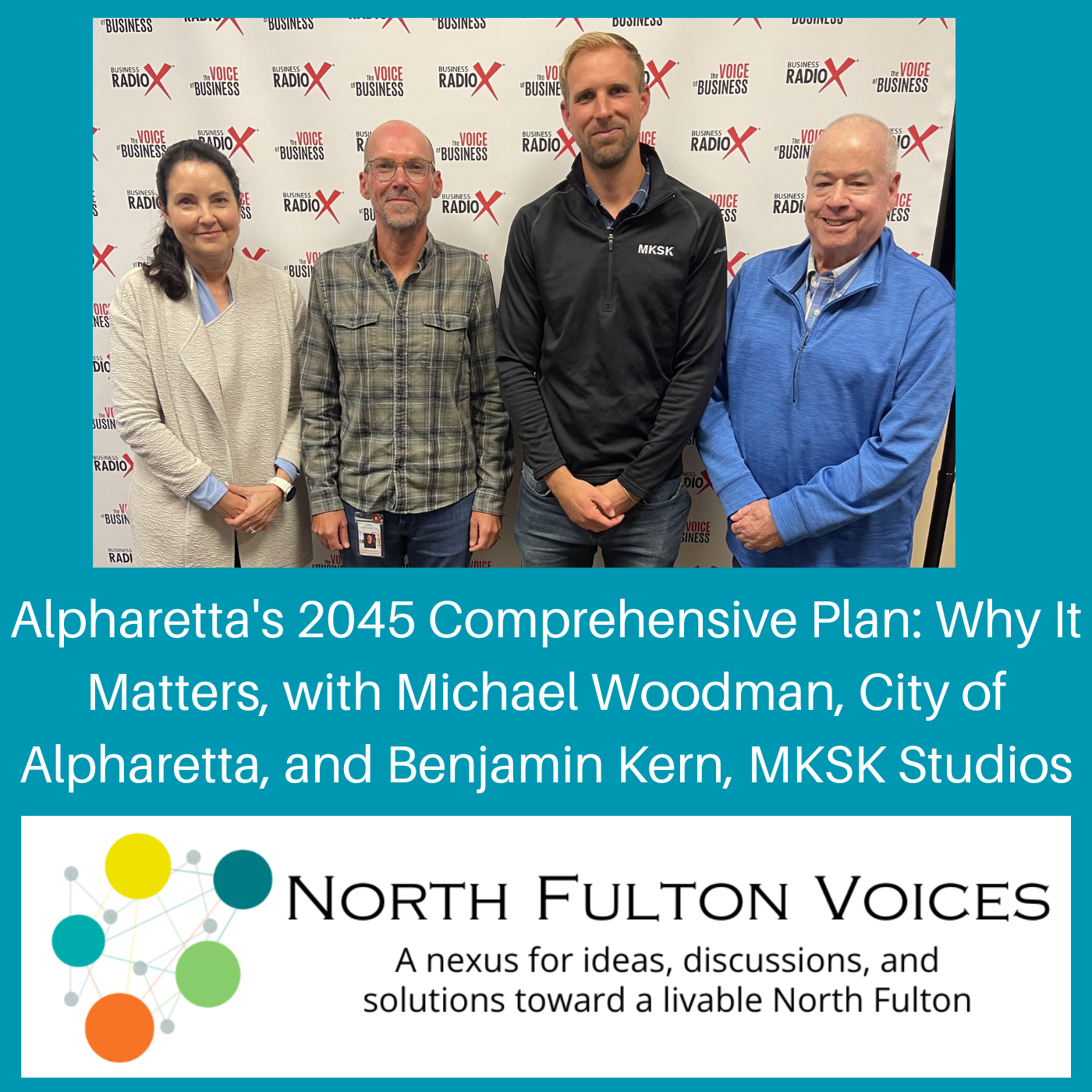
Alpharetta’s 2045 Comprehensive Plan: Why It Matters

November 6, 2025 by John Ray

Alpharetta's 2045 Comprehensive Plan: Why It Matters, on the North Fulton Voices podcast
North Fulton Studio
Alpharetta's 2045 Comprehensive Plan: Why It Matters
Loading
00:00 /
RSS Feed
Share
Link
Embed

Download file

Alpharetta's 2045 Comprehensive Plan: Why It Matters, on the North Fulton Voices podcast

Alpharetta’s 2045 Comprehensive Plan: Why It Matters (North Fulton Voices, Episode 14)

On this edition of North Fulton Voices, hosts Jack Murphy and Nancy Diamond sit down with Benjamin “Ben” Kern of MKSK Studios and Michael Woodman, Planning and Development Services Manager for the City of Alpharetta, to unpack Alpharetta’s 2045 Comprehensive Plan. This conversation explains what a comprehensive plan is and why it is relevant for everyday life in Alpharetta. You will hear how the plan sets the city’s long-range vision for land use, redevelopment, transportation, parks and greenways, housing, and economic development. The guests clearly distinguish between the plan and the zoning code: the plan establishes policy direction and a future land use map, while zoning serves as the legal tool to implement this vision when projects arrive.

Alpharetta is moving from a growth pattern defined by open land to one focused on redevelopment and reinvestment. The discussion covers how older commercial areas can be reimagined, why mixed-use nodes near jobs and services reduce congestion, and how the city evaluates proposals against the plan month in and month out. You will also learn how progress is tracked through a short-term work program and a formal Report of Accomplishments that keeps Alpharetta eligible for key regional and state funding.

Most importantly, the episode shows how residents and businesses can influence outcomes. Public input includes a steering committee, online surveys, and in-person sessions, with community meetings on Tuesday, November 11, 2025, at 12:00–1:00 p.m. and 5:00–6:30 p.m. at Alpharetta City Hall. Listen to understand the choices ahead and how to weigh in with feedback that leads to better projects, stronger neighborhoods, and a city that reflects the community’s shared priorities.

Learn more on the 2045 Alpharetta Comprehensive Plan updates website, and add your voice by completing the community survey on future city development priorities.

North Fulton Voices is presented by the North Fulton Improvement Network. The show series is proudly sponsored by John Ray Co. and North Fulton Business Radio, LLC.

Key Takeaways from This Episode

  • Plan vs. zoning, decoded: The comprehensive plan sets vision, goals, policies, and the future land use map. Zoning is the legal code that implements that vision when projects are proposed.
  • Future land use map matters: Staff and elected officials use the map every month to evaluate whether a proposal aligns with the city’s long-range direction before any rezoning is considered.
  • From greenfields to redevelopment: With little vacant land left, Alpharetta’s growth will come from reinvestment, infill, and reimagining aging commercial and office areas into mixed-use, walkable places.
  • Transportation is more than roads: The plan ties land use to mobility, aiming for safer local streets, strategic congestion relief, and better walking, biking, and trail connections between jobs, housing, and parks.
  • Housing mix and affordability tools: The update looks at diversifying housing types near services and employment to support workforce needs and reduce long commutes that strain the network.
  • Short-term work program and accountability: Progress is tracked through a Report of Accomplishments, which keeps Alpharetta eligible for key regional and state funding.
  • Public input shapes outcomes: Residents and businesses can influence priorities through surveys, a steering committee, and in-person sessions at City Hall. Thoughtful feedback can shift where, what, and how redevelopment happens.

Topics Discussed in this Episode

00:00 Introduction to North Fulton Voices
01:01 Comprehensive Plans: Importance and Current Updates
01:29 Regional Housing Data and Trends
02:54 Meet the Experts: Benjamin Kerr and Michael Woodman
04:23 Understanding Comprehensive Plans
10:44 Community Involvement and Vision for Alpharetta’s 2045 Comprehensive Plan
17:01 Challenges and Opportunities in Alpharetta
27:38 Future Plans and Community Engagement
34:57 Conclusion and Contact Information

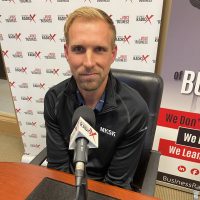
Michael Woodman, Planning and Development Services Manager, City of Alpharetta

Michael Woodman, Planning and Development Services Manager, City of Alpharetta
Michael Woodman, City of Alpharetta

The Community Development Department for the City of Alpharetta guides the city’s growth and development to enhance the quality of life while respecting its historic and natural features. The department plays a key role in planning and implementing projects related to land use, economic development, housing, and community facilities, including Alpharetta’s 2045 Comprehensive Plan. It supports diverse housing options, pedestrian-friendly environments, mixed-use developments, and public infrastructure improvements. The department also engages with the community and private sector to ensure development aligns with community goals, including projects like downtown revitalization, greenways, and city-owned property consolidation for municipal offices. Overall, it focuses on sustainable growth, creating vibrant neighborhoods, and improving public access to city services.

Website

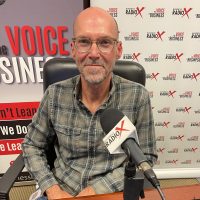
Benjamin Kern, Planner, MKSK Studios

Benjamin Kern, Planner, MKSK Studios
Benjamin Kern, MKSK Studios

MKSK Studios is a planning, urban design, and landscape architecture firm that partners extensively with municipalities to create vibrant, sustainable, and inclusive communities. They provide strategic master planning and design services that guide long-term improvements for municipal campuses, public parks, streetscapes, and civic spaces, with a strong focus on pedestrian connectivity, sustainable stormwater management, and adaptive reuse of existing city infrastructure. MKSK’s work for municipalities aims to enhance public engagement, strengthen community identity, and improve the quality of life through thoughtful, context-sensitive design that integrates social, environmental, and cultural values. Their projects often include comprehensive engagement efforts to ensure plans align with community needs while fostering equity and resilience in growing urban environments.

Website

North Fulton Improvement Network

The North Fulton Improvement Network (NFIN) is a think tank made up of community leaders from various sectors, focused on missing middle housing and the livability challenges confronting North Fulton. Its members come from the six cities constituting the northern half of Fulton County, Georgia—Alpharetta, Johns Creek, Milton, Mountain Park, Roswell, and Sandy Springs—and are working to address the widespread yet little-known financial vulnerability across the region. With stakeholders from sectors including business, nonprofit, faith, government, and citizens, NFIN centers their work on five areas of impact, seeks to educate the public about these issues, builds a network of individuals and organizations with innovative private and public solutions, and connects resources to those in need.

The leadership team of NFIN is Jack Murphy, Nancy Diamond, and Kathy Swahn.

Website | LinkedIn | Facebook | Instagram | X (Twitter) | YouTube

Jack Murphy

Jack Murphy
Jack Murphy

Jack Murphy is a volunteer with The Society of St. Vincent de Paul and is Chair of the North Fulton Improvement Network. He is also in his 21st year of working for the Metro Atlanta Chamber of Commerce.

Prior to the Chamber, Jack worked for and with Fortune 500 companies in operations, human resources, training, and quality areas. Jack was a senior adjunct professor for Quality & Operations Management at Keller Graduate School for 14 years.

He has served on both the National and Georgia Boards of The Society of St. Vincent de Paul, responsible for Diversity, Advocacy, & Systemic Change. Jack is currently the national SVDP chair of Systemic Change and Advocacy.

Jack received a BA in psychology from Belmont Abbey College and a M.Ed. from UNC-Greensboro. Jack and his wife, Nancy, a retired elementary school principal, have two grown daughters and two grandchildren. They live in Alpharetta, Georgia.

LinkedIn

Nancy Diamond

Nancy Diamond

Nancy Diamond is a Project Manager with Schmit & Associates, a real estate development firm, creating town center revitalization in communities all around the metro area.

Nancy served 8 years as a Roswell City Council Member, including a term as Mayor Pro Tem, with liaison positions with Community Development, Transportation, Recreation & Parks, and Public Safety.

In addition to her work with the North Fulton Improvement Network, Nancy has been active in area non-profit organizations, including board leadership positions in the STAR House Foundation, WellStar North Fulton Hospital, and the Roswell Rotary Club.

A native of Atlanta and a 42-year North Fulton resident, Nancy worked at Turner Broadcasting in the early years of CNN, then became a freelancer in sports television graphics. While raising her two daughters, she worked from home, first developing a corporate gift service and later as a mortgage loan originator.

Nancy and her husband, Glenn, now relish the role of grandparents to 8-year-old Owen.

LinkedIn

Sponsor for North Fulton Voices: John Ray and North Fulton Business Radio, LLC

The North Fulton Voices show series is proudly sponsored by John Ray Co. and the North Fulton affiliate of Business RadioX®.

John Ray
John Ray

John Ray is a podcast show host and producer and owns North Fulton Business Radio, LLC, the North Fulton (Georgia) affiliate of Business RadioX®.

John also operates his own business advisory practice, Ray Business Advisors. John’s services include advising solopreneurs and small professional services firms on their value, their positioning and business development, and their pricing. His clients are professionals who are selling their expertise, such as consultants, coaches, attorneys, CPAs, accountants and bookkeepers, marketing professionals, and other professional services practitioners.

John is the author of the #1 nationally best-selling book, The Generosity Mindset:  A Journey to Business Success by Raising Your Confidence, Value, and Prices.

John is the host of North Fulton Business Radio and The Price and Value Journey. North Fulton Business Radio, the longest-running podcast in the North Fulton region of Georgia, features a wide range of business and community leaders. The Price and Value Journey is devoted to solo and small-firm professional services providers and covers issues such as pricing, value, and business development.

Tagged With: Alpharetta, Alpharetta 2045 Comprehensive Plan, Ben Kern, City of Alpharetta, community engagement, comprehensive plan, economic development, future land use map, housing, Jack Murphy, John Ray, land use, Michael Woodman, mixed use, MKSK Studios, Nancy Diamond, North Fulton Improvement Network, North Fulton Voices, redevelopment, trails and greenways, Transportation, workforce housing, zoning

  • « Previous Page
  • 1
  • …
  • 3
  • 4
  • 5
  • 6
  • 7
  • …
  • 70
  • Next Page »

Business RadioX ® Network


Our Most Recent Episode

CONNECT WITH US

  • Email
  • Facebook
  • LinkedIn
  • Twitter
  • YouTube

Our Mission

We help local business leaders get the word out about the important work they’re doing to serve their market, their community, and their profession.

We support and celebrate business by sharing positive business stories that traditional media ignores. Some media leans left. Some media leans right. We lean business.

Sponsor a Show

Build Relationships and Grow Your Business. Click here for more details.

Partner With Us

Discover More Here

Terms and Conditions
Privacy Policy

Connect with us

Want to keep up with the latest in pro-business news across the network? Follow us on social media for the latest stories!
  • Email
  • Facebook
  • Google+
  • LinkedIn
  • Twitter
  • YouTube

Business RadioX® Headquarters
1000 Abernathy Rd. NE
Building 400, Suite L-10
Sandy Springs, GA 30328

© 2026 Business RadioX ® · Rainmaker Platform

BRXStudioCoversLA

Wait! Don’t Miss an Episode of LA Business Radio

BRXStudioCoversDENVER

Wait! Don’t Miss an Episode of Denver Business Radio

BRXStudioCoversPENSACOLA

Wait! Don’t Miss an Episode of Pensacola Business Radio

BRXStudioCoversBIRMINGHAM

Wait! Don’t Miss an Episode of Birmingham Business Radio

BRXStudioCoversTALLAHASSEE

Wait! Don’t Miss an Episode of Tallahassee Business Radio

BRXStudioCoversRALEIGH

Wait! Don’t Miss an Episode of Raleigh Business Radio

BRXStudioCoversRICHMONDNoWhite

Wait! Don’t Miss an Episode of Richmond Business Radio

BRXStudioCoversNASHVILLENoWhite

Wait! Don’t Miss an Episode of Nashville Business Radio

BRXStudioCoversDETROIT

Wait! Don’t Miss an Episode of Detroit Business Radio

BRXStudioCoversSTLOUIS

Wait! Don’t Miss an Episode of St. Louis Business Radio

BRXStudioCoversCOLUMBUS-small

Wait! Don’t Miss an Episode of Columbus Business Radio

Coachthecoach-08-08

Wait! Don’t Miss an Episode of Coach the Coach

BRXStudioCoversBAYAREA

Wait! Don’t Miss an Episode of Bay Area Business Radio

BRXStudioCoversCHICAGO

Wait! Don’t Miss an Episode of Chicago Business Radio

Wait! Don’t Miss an Episode of Atlanta Business Radio