Business RadioX ®

  • Home
  • Business RadioX ® Communities
    • Southeast
      • Alabama
        • Birmingham
      • Florida
        • Orlando
        • Pensacola
        • South Florida
        • Tampa
        • Tallahassee
      • Georgia
        • Atlanta
        • Cherokee
        • Forsyth
        • Greater Perimeter
        • Gwinnett
        • North Fulton
        • North Georgia
        • Northeast Georgia
        • Rome
        • Savannah
      • Louisiana
        • New Orleans
      • North Carolina
        • Charlotte
        • Raleigh
      • Tennessee
        • Chattanooga
        • Nashville
      • Virginia
        • Richmond
    • South Central
      • Arkansas
        • Northwest Arkansas
    • Midwest
      • Illinois
        • Chicago
      • Michigan
        • Detroit
      • Minnesota
        • Minneapolis St. Paul
      • Missouri
        • St. Louis
      • Ohio
        • Cleveland
        • Columbus
        • Dayton
    • Southwest
      • Arizona
        • Phoenix
        • Tucson
        • Valley
      • Texas
        • Austin
        • Dallas
        • Houston
    • West
      • California
        • Bay Area
        • LA
        • Pasadena
      • Colorado
        • Denver
      • Hawaii
        • Oahu
  • FAQs
  • About Us
    • Our Mission
    • Our Audience
    • Why It Works
    • What People Are Saying
    • BRX in the News
  • Resources
    • BRX Pro Tips
    • B2B Marketing: The 4Rs
    • High Velocity Selling Habits
    • Why Most B2B Media Strategies Fail
    • 9 Reasons To Sponsor A Business RadioX ® Show
  • Partner With Us
  • Veteran Business RadioX ®

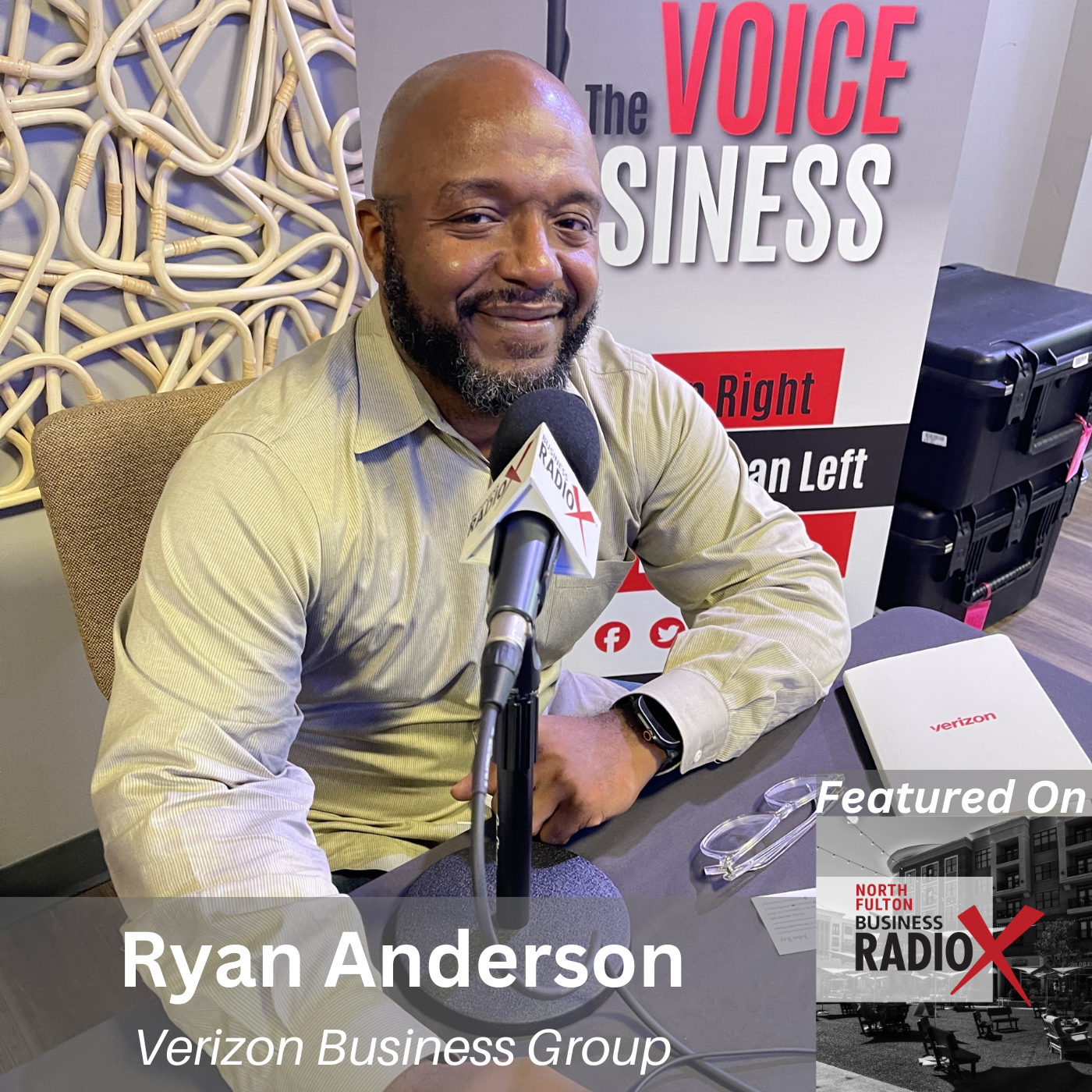
Ryan Anderson, Verizon, on Supporting Women in Leadership

August 25, 2025 by John Ray

Ryan Anderson, Verizon Business Group, LIVE from the 2025 GNFCC BOLD Women’s Leadership Summit, on North Fulton Business Radio with host John Ray
North Fulton Business Radio
Ryan Anderson, Verizon, on Supporting Women in Leadership
Loading
00:00 /
RSS Feed
Share
Link
Embed

Download file

Ryan Anderson, Verizon Business Group, LIVE from the 2025 GNFCC BOLD Women’s Leadership Summit, on North Fulton Business Radio with host John Ray

Ryan Anderson, Verizon Business Group, LIVE from the 2025 GNFCC BOLD Women’s Leadership Summit (North Fulton Business Radio, Episode 894)

Ryan Anderson, Director of Business Sales for Verizon Business Group, joined host John Ray live from the 2025 GNFCC BOLD Women’s Leadership Summit to discuss Verizon’s ongoing support for the GNFCC BOLD Committee, the Chamber generally, and the company’s commitment to empowering small businesses.

Ryan explained that his team works closely with small business customers, from 11 to 350 employees, to help them stay connected and competitive. He highlighted Verizon’s fixed wireless access technology, which provides powerful, business-grade internet in a portable format, and emphasized that Verizon’s role is not to push products but to solve problems for their customers.

Ryan also reflected on the importance of mentorship and allyship, both within Verizon and in the community. He shared how female leaders at Verizon have shaped his career and how his mother’s perseverance still motivates his work. For him and his team, supporting women in leadership is about showing up as allies and paying forward the encouragement they have received.

This interview was originally broadcast live from the 2025 GNFCC BOLD Women’s Leadership Summit held on August 12, 2025, at The Commons at Phase in Alpharetta, Georgia. John Ray Co. and North Fulton Business Radio were the Media Sponsors for this year’s Summit.

Topics Discussed in this Episode

00:00 Introduction and Welcome
01:05 Verizon’s Community Involvement
02:42 Verizon’s Services and Innovations
04:38 Support for Small Businesses
06:10 Empowering Women in Business
08:45 Personal Stories and Team Acknowledgements
11:12 Conclusion and Gratitude

Ryan Anderson, Verizon Business Group

Ryan Anderson serves as Director of Business Sales at Verizon Business Group.

Verizon Business Group is a division of Verizon Communications that delivers advanced communication and technology solutions to organizations of all sizes worldwide. It focuses on providing reliable, secure, and innovative services such as 5G networking, cloud solutions, cybersecurity, and Internet of Things (IoT) connectivity to help businesses enhance productivity, agility, and digital transformation. The division supports a wide range of industries by offering tailored solutions designed to improve operational efficiency and customer experiences in a rapidly evolving digital economy. Verizon Business is committed to leveraging cutting-edge technology to enable business growth and resilience.

Connect with Ryan on LinkedIn | Connect with Verizon Business Group: Website | LinkedIn

2025 GNFCC BOLD Women’s Leadership Summit

The 2025 GNFCC BOLD Women’s Leadership Summit was held on Tuesday, August 12, 2025, at The Commons at Phase in Alpharetta, Georgia.

The mission of BOLD—Businesswomen Organizing for Leadership and Development—is to connect businesswomen to build outstanding networks and spheres of influence, to collaborate with each other and with partner organizations to develop their businesses, and to celebrate and recognize the women of North Fulton.

Website

Greater North Fulton Chamber of Commerce (GNFCC)

The Greater North Fulton Chamber of Commerce is a private, non-profit, member-driven organization comprised of over 1,400 business enterprises, civic organizations, educational institutions, and individuals. Their service area includes Alpharetta, Johns Creek, Milton, Mountain Park, Roswell, and Sandy Springs. GNFCC is the leading voice on economic development, business growth, and quality of life issues in North Fulton County.
As a five-star accredited chamber, GNFCC’s vision is to be the premier organization driving member and community success across the region, and they are dedicated to pursuing this vision based on the guiding principles of advocacy, inclusivity, and operational excellence.

GNFCC promotes the interests of their members by assuming a leadership role in making North Fulton an excellent place to work, live, play, and stay. They provide one voice for all local businesses to influence decision-makers, recommend legislation, and protect the valuable resources that make North Fulton a popular place to live.

For more information on GNFCC and its North Fulton County service area, follow this link or call (770) 993-8806. For more information on other GNFCC events, follow this link.

Connect with GNFCC:  Website | LinkedIn | Facebook | Instagram

About North Fulton Business Radio and host John Ray

With over 890 episodes and having featured over 1,300 guests, North Fulton Business Radio is the longest-running podcast in the North Fulton area, covering business in our community like no one else. We are the undisputed “Voice of Business” in North Fulton!

The show invites a diverse range of business, non-profit, and community leaders to share their significant contributions to their market, community, and profession. There’s no discrimination based on company size, and there’s never any “pay to play.” North Fulton Business Radio supports and celebrates businesses by sharing positive stories that traditional media ignore. Some media lean left. Some media lean right. We lean business.

John Ray, host of  North Fulton Business Radio, and Owner, Ray Business Advisors
John Ray, host of North Fulton Business Radio and Owner, Ray Business Advisors

John Ray is the host of North Fulton Business Radio. John and the team at North Fulton Business Radio, LLC, an affiliate of Business RadioX®, produce the show, and it is recorded inside Renasant Bank in Alpharetta.

The studio address is 275 South Main Street, Alpharetta, GA 30009.

You can find the full archive of shows by following this link. The show is available on all the major podcast apps, including Apple Podcasts, Spotify, Google, Amazon, iHeart Radio, and many others.
John Ray, The Generosity MindsetJohn Ray also operates his own business advisory practice. John’s services include advising solopreneurs and small professional services firms on their value, their positioning and business development, and their pricing. His clients are professionals who are selling their expertise, such as consultants, coaches, attorneys, CPAs, accountants, bookkeepers, marketing professionals, and other professional services practitioners.

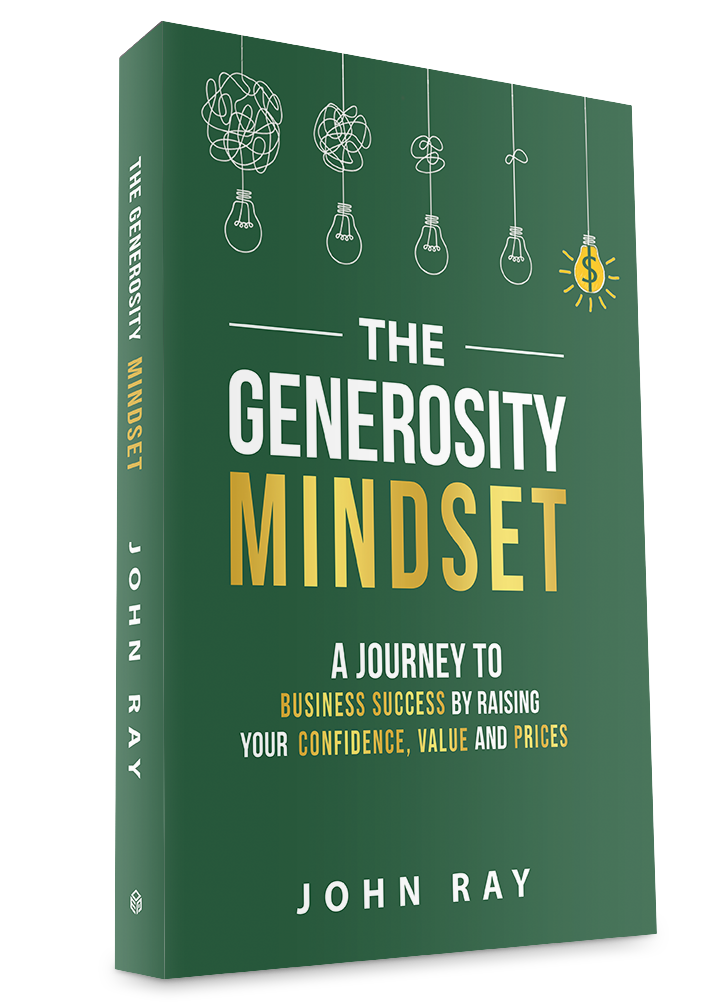
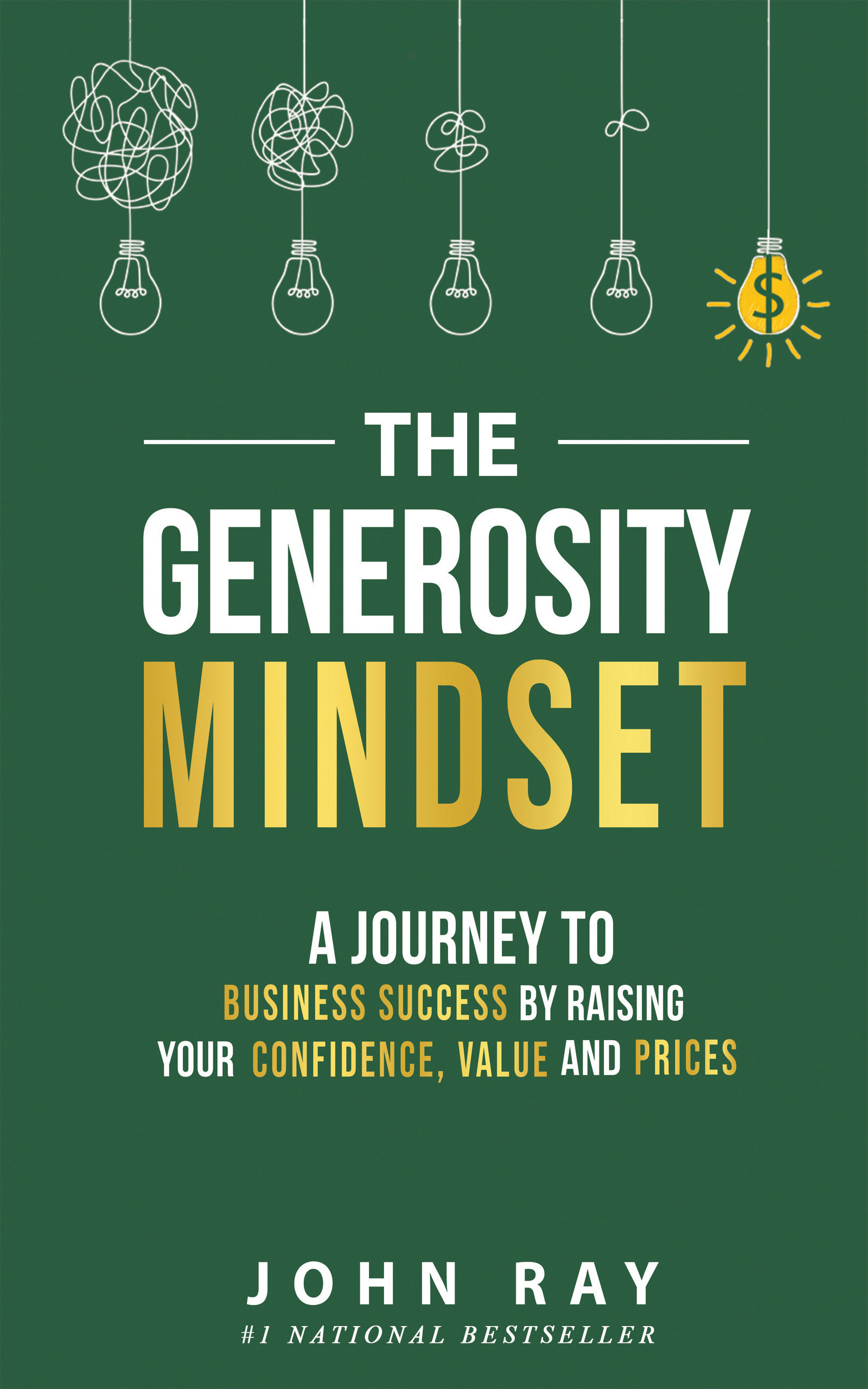
John is the national bestselling author of The Generosity Mindset: A Journey to Business Success by Raising Your Confidence, Value, and Prices.

Renasant Bank supports North Fulton Business Radio

Renasant BankRenasant Bank has humble roots, starting in 1904 as a $100,000 bank in a Lee County, Mississippi, bakery. Since then, Renasant has become one of the Southeast’s strongest financial institutions, with over $17 billion in assets and more than 180 banking, lending, wealth management, and financial services offices throughout the region. All of Renasant’s success stems from each banker’s commitment to investing in their communities as a way to better understand the people they serve. At Renasant Bank, they understand you because they work and live alongside you every day.

Website | LinkedIn | Facebook | Instagram | X (Twitter) | YouTube

Beyond Computer Solutions supports North Fulton Business Radio

If you’re a law firm, medical practice, or manufacturer, there’s one headline you would rather not make: “Local Business Pays Thousands in Ransom After Cyberattack.” That’s where Beyond Computer Solutions comes in. They help organizations like yours stay out of the news and in business with managed IT and cybersecurity services designed for industries where compliance and reputation matter most.

Whether they serve as your complete IT department or simply support your internal team, these professionals are well-versed in HIPAA, secure document access, written security policies, and other essential aspects that ensure your safety and well-being. Best of all, it starts with a complimentary security assessment.


Website | LinkedIn | Facebook | YouTube

Tagged With: 2025 GNFCC BOLD Women in Leadership Summit, Beyond Computer Solutions, business sales, connectivity, customer service, Executive Leadership, fixed wireless access, GNFCC, Greater North Fulton Chamber of Commerce, John Ray, North Fulton Business Radio, renasant bank, Ryan Anderson, small business solutions, Verizon, Verizon Business Group, Women in Business, Women in Leadership

100 Proven Ways to Acquire and Keep Clients for Life with Richard Weylman

July 16, 2025 by John Ray

100 Proven Ways to Acquire and Keep Clients for Life with Richard Weylman, on The Price and Value Journey podcast with host John Ray
North Fulton Studio
100 Proven Ways to Acquire and Keep Clients for Life with Richard Weylman
Loading
00:00 /
RSS Feed
Share
Link
Embed

Download file

100 Proven Ways to Acquire and Keep Clients for Life with Richard Weylman, on The Price and Value Journey podcast with host John Ray

100 Proven Ways to Acquire and Keep Clients for Life with Richard Weylman (The Price and Value Journey, Episode 139)

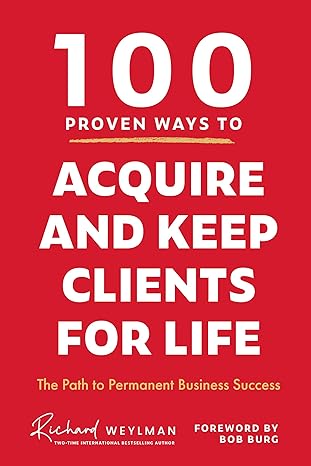
In this compelling episode of The Price and Value Journey, host John Ray interviews Richard Weylman, international bestselling author of 100 Proven Ways to Acquire and Keep Clients for Life. Despite being orphaned at age 6 and living in 19 foster homes, Richard became an award-winning sales leader at Rolls Royce and helped grow the Robb Report from inception to a record liquidity event.

Richard shares powerful insights on building lasting client relationships during what he calls “the great reevaluation,” a time when 25% of people are switching service providers because they feel taken for granted. Learn why satisfied clients aren’t enough anymore, how small word changes can transform your business, and practical tactics for turning clients into loyal advocates through personalized experiences.

Key topics include transforming your CRM into a CXM (Customer Experience Management system), the power of empathetic communication, why you should send thank-you notes for rejections, and how to create remarkable experiences that generate word-of-mouth referrals. Richard also reveals the one question he wishes he’d get asked more often and shares real-world examples from companies like Chewy, Bergdorf Goodman, and his own consulting practice.

The Price and Value Journey is presented by John Ray and produced by North Fulton Business Radio, LLC, an affiliate of the Business RadioX® podcast network.

Key Takeaways from this Episode

  • “The Great Reevaluation”: 25% of people are switching service providers because they feel taken for granted, creating opportunities for relationship-focused professionals.
  • Satisfied ≠ Loyal: Satisfied customers are “loyal neutral,” with 20–30% willing to leave for better options. Therefore, you need delighted advocates.
  • Words Matter: Simple changes like “feel welcome to call” instead of “feel free to call” create emotional connections and set you apart.
  • Transform Your CRM: Convert your Customer Relationship Management system into a Customer Experience Management (CXM) system with personal details about clients’ interests and preferences.
  • Thank You for “No”: Send gracious thank-you notes when prospects reject you. It positions you for future opportunities when timing improves.
  • Personalize Everything: Use client data to create tailored experiences, from birthday reminders to interest-based invitations and communications.
  • Focus on “How”: People don’t implement advice because they’re not told HOW. Provide specific, actionable steps rather than just concepts.
  • Build Remarkable Experiences: Create experiences worth talking about. This drives word-of-mouth marketing more effectively than traditional advertising.
  • The Power of Stories: Everyone has a story. Ask about it, listen to it, and remember it to build deeper emotional connections.
  • Relationship Marketing: In an AI-driven world, the human touch becomes even more valuable. Use technology to enhance, not replace, personal relationships.

Topics Discussed in this Episode

00:00 Introduction to Richard Weylman
00:50 Richard’s Early Life and Epiphany
07:52 The Great Reevaluation in Professional Services
11:56 Building Emotional Connections with Clients
18:31 The Power of Words in Client Relationships
25:18 From Satisfied Clients to Loyal Advocates
31:53 The Donut Story
32:44 Building Client Advocacy
33:14 The Bergdorf Goodman Experience
36:50 Transforming CRM to CXM
41:54 The Power of Personalized Marketing
49:15 The Importance of Implementation
56:14 Final Thoughts and Contact Information

Richard Weylman

Richard Weylman
Richard Weylman

Orphaned at age 6, Richard Weylman lived in nineteen foster homes and attended eleven different schools. Rather than becoming a victim of those circumstances he overcame them and has had remarkable business success, including going from being an award-winning general sales manager of Rolls Royce to heading sales and marketing for The Robb Report, A Magazine for the Luxury Lifestyle, from its inception until its record liquidity event.

A Hall of Fame-inducted keynote speaker, Richard has also been inducted into the Customer Experience Hall of Fame for his legendary work helping brands engage with their customers and retain them.

Richard is the author of three international bestsellers, the latest of which, 100 Proven Ways to Acquire and Keep Clients for Life, was the #1 New Release in Marketing and Consumer Behavior and #1 in Customer Relations on Amazon. The book was also been selected by Forbes editor Shep Hyken as a Top Ten Business Book for 2024, and was named the Outstanding Work of Literature award for 2024 by Bookpal. It is available on Amazon or at your favorite bookstore.

Finally, Richard is a Horatio Alger nominee for his philanthropic work on behalf of orphans and widows.

Website | LinkedIn

About The Price and Value Journey Podcast

The Price and Value Journey is a show for expert-service professionals who want more than formulas and quick fixes. If you’re a solo or small-firm provider—consultant, coach, attorney, CPA, or fractional executive—you know the real work of building a practice goes far beyond pricing. It’s about finding clarity, showing up with confidence, and learning how to express the full value of what you do in ways that clients understand and appreciate.

The Price and Value Journey Podcast with host John RayHosted by John Ray, business advisor and author of The Generosity Mindset, this podcast explores the deeper journey behind running a services business: how you think about your work, how you relate to clients, and how you sustain a business that’s not only profitable but deeply fulfilling. Yes, we talk pricing, but we also talk mindset, business development, trust, empathy, positioning, and all the intangible ingredients that make a practice thrive.

With solo episodes and conversations featuring thoughtful guests, The Price and Value Journey is a companion for professionals who are building something meaningful. Produced in partnership with North Fulton Business Radio, LLC, an affiliate of Business RadioX®, the podcast is accessible on all major podcast platforms. The complete show archive is here.

John Ray, Host of The Price and Value Journey

John Ray, Author of The Generosity Mindset and Host of The Price and Value Journey

John Ray is the host of The Price and Value Journey.

John owns Ray Business Advisors, a business advisory practice. John’s services include business coaching and advisory work, as well as advising solopreneurs and small professional services firms on their pricing. John is passionate about the power of pricing for business owners, as changing pricing is the fastest way to change the profitability of a business. His clients are professionals who are selling their expertise, such as attorneys, CPAs, accountants and bookkeepers, consultants, coaches, marketing professionals, and other professional services practitioners.

In his other business, John is a podcast show host, strategist, and the owner of North Fulton Business Radio, LLC, an affiliate of Business RadioX®. John and his team work with B2B professionals to create and conduct their podcast using The Generosity Mindset® Method: building and deepening relationships in a non-salesy way that translates into revenue for their business.

John is also the host of North Fulton Business Radio. With over 880 shows and having featured over 1,300 guests, North Fulton Business Radio is the longest-running podcast in the North Fulton area, covering business in its region like no one else.

John’s book, The Generosity Mindset: A Journey to Business Success by Raising Your Confidence, Value, and Prices

The Generosity Mindset, by John RayJohn is the #1 national best-selling author of The Generosity Mindset: A Journey to Business Success by Raising Your Confidence, Value, and Prices.

If you are a professional services provider, your goal is to do transformative work for clients you love working with and get paid commensurate with the value you deliver to them. While negative mindsets can inhibit your growth, adopting a different mindset, The Generosity Mindset™, can replace those self-limiting beliefs. The Generosity Mindset enables you to diagnose and communicate the value you deliver to clients and, in turn, more effectively price to receive a portion of that value.

Whether you’re a consultant, coach, marketing or branding professional, business advisor, attorney, CPA, or work in virtually any other professional services discipline, your content and technical expertise are not proprietary. What’s unique, though, is your experience and how you synthesize and deliver your knowledge. What’s special is your demeanor or the way you deal with your best-fit clients. What’s invaluable is how you deliver outstanding value by guiding people through massive changes in their personal lives and in their businesses that bring them to a place they never thought possible.

Your combination of these elements is unique in your industry. There lies your value, but it’s not the value you see. It’s the value your best-fit customers see in you.

If pricing your value feels uncomfortable or unfamiliar to you, this book will teach you why putting a price on the value your clients perceive and identify serves both them and you, and you’ll learn the factors involved in getting your price right.

The book is available at all major physical and online book retailers worldwide. Follow this link for further details.

Connect with John Ray:

Website | LinkedIn | Twitter

Business RadioX®:  LinkedIn | Twitter | Facebook | Instagram

Tagged With: Bergdorf Goodman, client advocacy, client relationships, client service, customer service, emotional connections, excellence in customer service, John Ray, marketing professional services, personalized marketing, professional services, Richard Weylman, Rolls Royce, The Price and Value Journey, The Robb Report

Kris Altiere with Moneypenny

January 31, 2025 by Mike

Gwinnett Business Radio
Kris Altiere with Moneypenny
Loading
00:00 /
RSS Feed
Share
Link
Embed

Download file

Kris Altiere

Kris Altiere/Moneypenny

Moneypenny is a leading provider of outsourced communication solutions, specializing in virtual receptionist, live chat, and customer service support. Their services combine cutting-edge technology with a personal touch to help businesses deliver exceptional customer experiences while saving time and resources.

Tagged With: business in Gwinnett, customer service, gwinnett business leaders, Gwinnett Business Radio, harper lebel, Kris Altiere, live chat, Moneypenny, phone answering service, receptionist, Telecommunications, virtual receptionist, VoiceNation

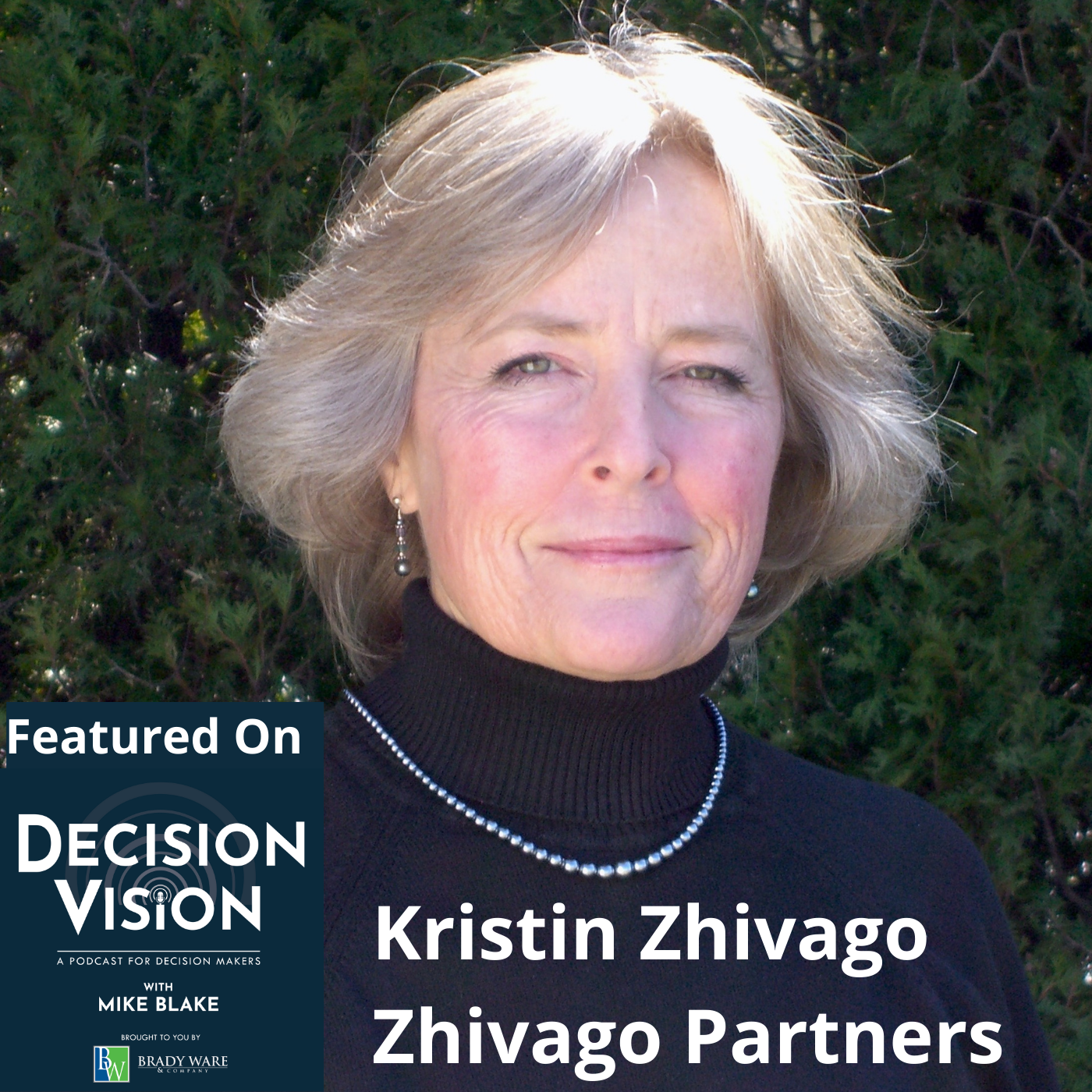
Decision Vision Episode 162: Should I Replace My Salespeople with Customer Service Representatives? – An Interview with Kristin Zhivago, Zhivago Partners

March 31, 2022 by John Ray

Zhivago Partners
Decision Vision
Decision Vision Episode 162: Should I Replace My Salespeople with Customer Service Representatives? - An Interview with Kristin Zhivago, Zhivago Partners
Loading
00:00 /
RSS Feed
Share
Link
Embed

Download file

Zhivago Partners

Decision Vision Episode 162: Should I Replace My Salespeople with Customer Service Representatives? – An Interview with Kristin Zhivago, Zhivago Partners

In an age where customers can do extensive research on their own before they buy, does a business still need a traditional sales force? Kristin Zhivago, President of Zhivago Partners, and host Mike Blake explored the shifting nature of sales from a traditional salesperson to a role of customer service. They discussed the evolving needs of the customer or client, how companies meet those needs while still being able to track results, the implications for compensation and corporate culture, and much more.  Decision Vision is presented by Brady Ware & Company and produced by the North Fulton studio of Business RadioX®.

Zhivago Partners

Kristin Zhivago is the president of Zhivago Partners, a digital marketing management company that serves both B2B and B2C clients in a variety of industries. Her digital agency is comprised of a core infrastructure team and a variety of specialists in various digital methods and media.

If any of your performance “arrows” aren’t going up, we work on them until they do. That’s what Zhivago Partners think of as the whole point of marketing and sales efforts.

Today’s successful marketing demands best-practice approaches and constant attention to the success of those approaches. We all move quickly when something isn’t working as it should, improving and experimenting until the arrows start moving in the right direction.

So many clients come to Zhivago Partners after “spending so much and not getting anything for it.” You won’t have that problem with them, because they keep working on the issue—whatever it is—until your arrows start moving in the right direction.

Company website | LinkedIn | Twitter | Facebook

Kristin Zhivago, President, Zhivago Partners

Kristin Zhivago, President, Zhivago Partners

Kristin Zhivago’s career began in the high-tech industry; she and her husband, through their high-tech agency, helped introduce and market all of the technologies we take for granted today. When the web emerged as a commercial medium, she branched out into other industries and re-invented herself to become a revenue coach, helping CEOs and entrepreneurs sell the way the customers want to buy. Her 5-star book, Roadmap to Revenue: How to Sell the Way Your Customers Want to Buy was chosen by Forbes as one of the top sales and marketing books. Zhivago speaks frequently on the subject of the customer’s buying process, which she was one of the first to identify as being key to selling to today’s customers, and about building your business to compete effectively in our fast-changing, hyper-competitive markets.

LinkedIn

Mike Blake, Brady Ware & Company

Mike Blake, Host of the “Decision Vision” podcast series

Michael Blake is the host of the Decision Vision podcast series and a Director of Brady Ware & Company. Mike specializes in the valuation of intellectual property-driven firms, such as software firms, aerospace firms, and professional services firms, most frequently in the capacity as a transaction advisor, helping clients obtain great outcomes from complex transaction opportunities. He is also a specialist in the appraisal of intellectual properties as stand-alone assets, such as software, trade secrets, and patents.

Mike has been a full-time business appraiser for 13 years with public accounting firms, boutique business appraisal firms, and an owner of his own firm. Prior to that, he spent 8 years in venture capital and investment banking, including transactions in the U.S., Israel, Russia, Ukraine, and Belarus.

LinkedIn | Facebook | Twitter | Instagram

Brady Ware & Company

Brady Ware & Company is a regional full-service accounting and advisory firm which helps businesses and entrepreneurs make visions a reality. Brady Ware services clients nationally from its offices in Alpharetta, GA; Columbus and Dayton, OH; and Richmond, IN. The firm is growth-minded, committed to the regions in which they operate, and most importantly, they make significant investments in their people and service offerings to meet the changing financial needs of those they are privileged to serve. The firm is dedicated to providing results that make a difference for its clients.

Decision Vision Podcast Series

Decision Vision is a podcast covering topics and issues facing small business owners and connecting them with solutions from leading experts. This series is presented by Brady Ware & Company. If you are a decision-maker for a small business, we’d love to hear from you. Contact us at decisionvision@bradyware.com and make sure to listen to every Thursday to the Decision Vision podcast.

Past episodes of Decision Vision can be found at decisionvisionpodcast.com. Decision Vision is produced by John Ray and the North Fulton studio of Business RadioX®.

Connect with Brady Ware & Company:

Website | LinkedIn | Facebook | Twitter | Instagram

TRANSCRIPT

Intro: [00:00:02] Welcome to Decision Vision, a podcast series focusing on critical business decisions. Brought to you by Brady Ware & Company. Brady Ware is a regional, full-service accounting and advisory firm that helps businesses and entrepreneurs make visions a reality.

Mike Blake: [00:00:21] Welcome to Decision Vision, a podcast giving you, the listener, clear vision to make great decisions. In each episode, we discuss the process of decision-making on a different topic from the business owners’ or executives’ perspective. We aren’t necessarily telling you what to do, but we can put you in a position to make an informed decision on your own and understand when you might need help along the way.

Mike Blake: [00:00:44] My name is Mike Blake, and I’m your host for today’s program. I’m a director at Brady Ware & Company, a full-service accounting firm based in Dayton, Ohio, with offices in Dayton; Columbus, Ohio; Richmond, Indiana; and Alpharetta, Georgia. My practice specializes in providing fact-based, strategic, and risk management advice to clients that are buying, selling, or growing the value of companies and their intellectual property. Brady Ware is sponsoring this podcast, which is being recorded in Atlanta for social distancing protocols.

Mike Blake: [00:01:12] If you would like to engage with me on social media with my Chart of the Day and other content, I’m on LinkedIn as myself and @unblakeable on Facebook, Twitter, clubhouse, and Instagram. I also recently launched a new LinkedIn group called Unblakeable’s Group That Doesn’t Suck. So please join that as well if you would like to engage. If you like this podcast, please subscribe on your favorite podcast aggregator, and please consider leaving a review of the podcast as well.

Mike Blake: [00:01:39] Today’s topic is, should I replace my salespeople with customer service or customer care representatives? According to the State of the Connected Customer Report, 2nd Edition, produced by salesforce.com, 84% of customers say that the key to winning their business is being treated like a person and not a number.

Mike Blake: [00:01:57] And, you know, like so many things in the last two years, I think we’ve changed our relationship with sales. It’s been very difficult, I think, for a conventional sales approach to survive in a coronavirus, trans coronavirus pandemic. Hopefully, we’re getting to the other side of this thing, but who the heck knows? And for a long time, some of the traditional sales approaches and techniques simply are not available to us.

Mike Blake: [00:02:38] You couldn’t take someone out to a ball game because they weren’t playing. You couldn’t meet people in bars and restaurants. Conferences were effectively shut down for a year. Flying out to see people was difficult at best, and the list goes on and on. And meanwhile, we’ve undergone a massive digital transformation, and traditional sales methods are being replaced. At a minimum, they’re being supplemented, but they’re largely being replaced by digital relationships, real conversations, freely providing information with no expectation of something in return, an approach to business that is about alignment with core beliefs of customers, employees, and even shareholders. You know, it’s all changing and has all changed and some of it will change back. But I don’t think that all of it will. I don’t think anybody thinks that all of it will. And sales have changed. And if we want to continue to being as successful as we have been in the past, this is simply one more of the areas in which we need to change.

Mike Blake: [00:03:59] I was having a conversation with our guest about a week and a half ago. And she brought to me this idea and this concept that she’s been advising her clients on in terms of changing a posture of sales from the traditional sales representative to a customer, a customer care representative, if you will. And I thought that was really interesting.

Mike Blake: [00:04:28] And as we continued that conversation, it got my wheels turning and thinking, you know, there’s a lot here. And I think a lot of companies may be starting to do this or they’re at least sniffing around the concept if they haven’t pulled the trigger. And that tells me it’s an opportune time to address this topic on the podcast.

Mike Blake: [00:04:48] So, joining us today is Kristin Zhivago. Kristin is the president of Zhivago Partners, a digital marketing management company that serves both business-to-business and business-to-customer clients, consumer clients in a variety of industries. Her digital agency is comprised of a core infrastructure team and a variety of specialists in the various digital methods and media.

Mike Blake: [00:05:11] Kristin’s career began in the high-tech industry. She and her husband, through their high-tech agency, helped introduce and market all the technologies we take for granted today. When the web emerged as a commercial medium, she branched out into other industries and reinvented herself to become a revenue coach, helping CEOs and entrepreneurs sell the way her customers want to buy. Her five-star book, Roadmap to Revenue: How to Sell the Way Your Customers Want to Buy, was chosen by Forbes as one of the top sales and marketing books. Kristin Zhivago, welcome to the program.

Kristin Zhivago: [00:05:43] Thank you so much. Good to be here.

Mike Blake: [00:05:46] So, I want to start off with a very basic question that may not be so basic, but it sounds basic, but the answer may not be. In your mind, what is the difference between a sales representative and a customer service or customer care representative?

Kristin Zhivago: [00:06:03] There’s a big answer, several big answers to that question. I’ll try to keep it succinct. One is the way salespeople are compensated. So, they are compensated to close sales, get to the end, make the money come in. So, there’s commission, there’s quota, there’s usual push, push, push kinds of things. The other is the type of person who enjoys working in that environment and thrives in that environment, as we used to call them hunters. And then, there are other types of people who are farmers or nurturers, and those people tended to stay out of sales because they didn’t want to work on a quota and they didn’t want to do that push, push, push stuff.

Kristin Zhivago: [00:06:49] Now, the real problem is that, and I used to call myself a recovering salesperson, but I think I’m so far beyond it now. I don’t need to worry about that anymore. But there’s a tendency among salespeople to want to be the ones in the conversation who know the most about that particular thing. It’s a point of pride where they know the product and they know the answers and so on, and they’re educating the customer.

Kristin Zhivago: [00:07:18] The problem is customers are no longer dependent on salespeople anymore for their information. And even ten years ago, when I was giving speeches in Holland to sales groups about customers, even then I was saying that the customers are getting 60 to 80% of their questions answered on the web before they ever talk to a salesperson. And they had access. And they definitely do now, even more than before, to other customers who had bought that product or service. And so, they not only knew the good, wonderful stuff that the salespeople would say but the stuff that the salesperson wouldn’t say. They find out that sort of the ugly underlying truth, if there is one.

Kristin Zhivago: [00:08:06] So, that’s changed. And the customer, by the time they get to a salesperson, they have one or two very specific questions. And, the salesperson has to be able to answer those questions. And, another problem with salespeople is that they’re often trained more for the general top-of-the-funnel types of questions. And they always have to say, oh, I have to get my technical expert in on that one or something or a subject matter expert for the bottom of the funnel.

Kristin Zhivago: [00:08:38] So, there’s a lot of disconnects going on right now in all industries. And if you ask a normal person, you know, do you like being sold to? The answer is no. So, we’ve just got a real problem with people hiring people to do things that other people that they’re selling to don’t want.

Mike Blake: [00:09:00] Yeah. And, you know, I think we even have less of a tolerance for it now, for whatever reason, whether it’s lack of patience or we just find our time to be more valuable or – it’s just a rewiring of how we as human beings approach things. I think we’re even less tolerant of being sold to now than we were, say, 2 to 3 years ago. Do you agree with that?

Kristin Zhivago: [00:09:24] Oh, yeah. I definitely agree with that. And especially because, you know, Google still owns about 95% of the search market and they’ve continued to get better and better at giving you what you want when you go to look. You might have to revise your search term a little bit, but there’s a new quality among customers now, characteristic, which, and I just wrote a blog article about this recently where they assume if they just keep trying, they’re going to find exactly what they want. So, they’re just – they have no patience.

Mike Blake: [00:10:05] Now, I’m curious. I was kind of thinking about this conversation. Can customer service representatives be confused or conflated with an inside sales position? Some inside sales being defined as somebody with whom you already have a relationship as opposed to a brand new relationship that you’re trying to convert. Is there a comparison or contrast that can be made there?

Kristin Zhivago: [00:10:34] Well, it’s an interesting question. I have a client who is the shining star example of this whole approach because I’ve been talking for years to people about making this shift because I saw it coming because I interview customers for my clients all the time. And I just – there’s no question that we’ve made this shift. But this particular client is a very good manager and he’s also an operations guy. He’s a logistics person. So, he tends to think in terms of logistics and he could see that that wholesales thing wasn’t working. He made the shift and brought his customer service people into this role of making it easy for customers to buy, which is another aspect of this. By the time they come to you, they have the money in their hand, burning a hole in their pocket, their virtual pocket, and they are ready to buy.

Kristin Zhivago: [00:11:31] So, you really have to just get out of the way, give them exactly what they need, and let them make the purchase. They’re on a quest to spend the money. So, you’re really helping them buy. You’re not selling them. You’re not trying to convince them of anything. You’re just giving them the facts. You understand – you know the product really well. And you understand how to give them what they want, maybe by doing things a little differently. If they need something right away and you’re stuck with the supply chain issue, maybe you help them rent something for a month before they get the product. This particular client makes data center equipment and they found that to work.

Kristin Zhivago: [00:12:16] These same people also go back to existing customers, people they’ve had, bought the product maybe two years ago or a year ago or whatever. And they have, as part of their job, to discuss those issues with those folks and check back with them and say, how are you doing? You bought this, how is it going? And people actually appreciate that and they’ve gotten a lot of sales out of that as well.

Kristin Zhivago: [00:12:42] I do have to say that since he did this, their sales have done that wonderful hockey stick thing that we love to see, that – I live for the hockey stick, where it just was going along, going along. And then, it zooms up. And this is a company that’s been around for a long time. And even with COVID, even with supply chain issues, they’re just – they’re going gangbusters. They can’t make them fast enough.

Mike Blake: [00:13:08] You know, that brings an interesting question, at least to me in mind, is that I think what you’re saying is that the role of the salesperson as gatekeeper to information has been made obsolete.

Kristin Zhivago: [00:13:24] Oh, absolutely.

Mike Blake: [00:13:25] By that.

Kristin Zhivago: [00:13:27] Yep.

Mike Blake: [00:13:27] Now, also, I might argue that a little knowledge can go a long way to be dangerous as well.

Kristin Zhivago: [00:13:36] Yeah.

Mike Blake: [00:13:37] A customer having done their research, but, and they may be informed, but they’re not experienced and may have in mind something, one thing, but there’s something completely different or just different, perhaps even more expensive, but is a much better fit with their actual need. And, is that something that the customer service representative is equipped to address?

Kristin Zhivago: [00:14:09] They should be. And, the trick here is they need to be humble enough and honest enough to say, “I don’t know. I’ll help you find out,” or, “let me check with my boss. Let’s get him on the phone,” or whatever they need to do to keep the conversation going, but to help the customer make the decision. And, a good customer service person if something else is better for the client will say that. And, again, because they’re not on a quota, they don’t have a commission, they’re not going to be personally penalized. Sometimes you can put them on a company-wide, if our revenue goes up a certain percentage, you get a bonus. That kind of thing is good because it’s for everybody. Everybody shares and if they help each other, they all benefit. So, I think that’s a better way to handle that kind of incentive.

Kristin Zhivago: [00:15:01] But in the individual conversation, they should be able and willing to just say, “You know what? I need to find out more.” Or, “You know what? I think this other solution might be better for you.” And what’s interesting about that is that the trust factor goes up like 1000% because now the person knows that they’re willing to help you to help them make a decision without being all biased and pushing them into something they don’t want. And they will remember that later when they’re in a position where they might want that, or if they want to recommend someone to someone else. If somebody says, do you know anybody good? And they’ll say, well, you know, I didn’t actually buy from these people, but they were so helpful and this might be what you want but they’ll tell you the truth. So if you go to them, you’ll get the straight scoop.

Mike Blake: [00:15:55] And I wonder in that context too, there’s just something about the dynamic where if the representative of the company, whatever form that takes, is willing to kind of let you go, if you will, that if they’re not the right – they’re not the right solution, you don’t have the right solution for them. But you’re not trying to hammer that square peg into a round hole. And I can tell you that some of my best and most loyal clients, for me anyway, are people that I initially said, you know what, we’re not the right people to help you.

Kristin Zhivago: [00:16:30] Yes. Happens all the time. Much more than anybody likes to admit, but that is correct. I’ve even had clients where when I first started talking to them, I kept thinking, I don’t know, I don’t know if we’re right for you. And I was saying it and they kind of had to talk me into it because we started realizing maybe I could help them. But you have to be agendaless.

Kristin Zhivago: [00:16:55] The problem with the classic salesperson is they have an agenda and that’s to close the sale. And that agenda is not the same as the customer’s. The customer wants to make the correct decision. Those are two very different agendas. So, if all you’re doing is trying to help them make the right decision and think it through, they’re actually going to be appreciative of the time you spend with them and the knowledge that you do bring to that process.

Mike Blake: [00:17:23] So, I think when most of us think of a customer service representative, myself included, I think of somebody that I’m calling when there’s an issue to be addressed or a problem that has to be solved or a failure that needs to be fixed. And, in making this switch, what we’re doing is that we’re expanding the role of existing customer service representatives to then add this responsibility to take care of potential new buyers, if you will, or new purchases. Or is there a redefining kind of both roles that creates more alignment with the descriptive vocabulary?

Kristin Zhivago: [00:18:11] I think it’s more of a realignment. I was just talking to one of the wonderful people. She’s very helpful. She’s done a fantastic job in this role. And she said something interesting. She said, you know, if her manager, the guy I’ve been talking about, had set it up just like the normal sales thing, she wasn’t interested at all. You know, she wasn’t interested in the extra money. She wasn’t interested in the whole push, push, push. But she loves helping people make these decisions.

Kristin Zhivago: [00:18:43] Now, you do still have to have customer service people and they have, in this particular company, it’s a mid-size company, they have two people handling these types of conversations and then other, a couple of other people who handle the normal customer service kinds of stuff. Because that’s more of after you buy, now you’ve got an issue you need to deal with. It’s a very different thing.

Mike Blake: [00:19:11] Yep. So, you know, making this transition – let’s talk about the mechanics of making the transition because if somebody is interested in this topic, they’re probably wondering, okay, how do I go about this? And the first question is, can an existing sales force be retrained, reconfigured, reoriented realistically to adopt a customer service posture? Or, is it more likely that you’re going to have to make some wholesale changes?

Kristin Zhivago: [00:19:50] The latter. I mean, I always laugh. I mean, I would love to say you could teach. And we tried, actually, you know, because this wonderful manager had already bought into the whole concept. And so, they had me do some coaching of their current salespeople. It didn’t work, and I’m a pretty good sales coach, but it was just – it was so contrary to what got them up in the morning. They liked being the guy who knew it all. They liked being the guy who was reaching out, talking to people. And as it turns out, they actually left the company for other reasons, but which turned out to be a good thing. So, we were able to work that out. Excuse me.

Kristin Zhivago: [00:20:34] But, when we looked back at their activity, most of what they were doing was talking to existing big customers and doing that hi, how you doing, Bob? How’s the wife and kids? And going out for golf back in the day when people did that. And they weren’t really selling anyway. They were just riding on the coattails of some large deals. So that was – but that was a separate thing, I mean, that particular group of folks.

Kristin Zhivago: [00:21:08] But they really don’t have the same kind of mindset. Now, you’re going to think, well, what are salespeople going to do if the role of the salesperson is gone? And the answer is, I don’t know. I have a lot of friends who are salespeople. I love salespeople. They are great, you know. But in a way, this is like cats and dogs. Salespeople are dogs. They jump up and greet you and they’re all happy and outgoing. And the customer service people, I don’t know, if they’re exactly cats because cats kind of turn you into a slave instead of the other way around.

Kristin Zhivago: [00:21:41] But it’s a different – it’s a nurturing thing. It’s a comforting thing. It’s a caring thing. It’s a helpful thing. It’s the only thing that matters is that you end up happy when you hang up the phone. And that’s all they care about. It’s a different kind of thing. So, at the moment, I haven’t seen that work. So, yes, you probably have to hire, at least hire somebody to start working on this even if it’s part-time from their home, which is good because you can do a virtual thing and try it out.

Mike Blake: [00:22:13] I wonder if a future role for traditional salespeople – first of all, I wonder if there are industries where that’s still going to work, for example, something that’s heavily commodity-driven, where it’s really not about information at that point because everything’s homogeneous. But also I wonder if there’s still a role for that kind of salesperson making outbound calls because it seems to me, and correct me if I’m wrong, the customer service role that you’re describing seems awkward to me in an outbound role.

Kristin Zhivago: [00:22:54] Yeah. I agree.

Mike Blake: [00:22:55] And that, it’s like calling up random people and saying, “Hey, do you need help?”

Kristin Zhivago: [00:23:00] Yeah. I’m glad you brought that up.

Mike Blake: [00:23:00] And, maybe well-intentioned but [inaudible].

Kristin Zhivago: [00:23:01] Yeah. I’m really glad you brought that up because there’s another aspect of this, another part of this, which is one of the reasons that this is working so well for this particular client, is that we happen – our company, our agency lives to bring in leads, good leads for people. And, we just keep figuring out what digital channels or what other things we need to do to make that happen. And so, they have a good flow of incoming leads. They don’t need anybody to make outgoing cold calls. So, that’s number one.

Kristin Zhivago: [00:23:36] Number two, the whole idea of cold calling doesn’t really work anymore. There’s a lot of companies that claim they can do it. I’m honestly, I keep trying to see if I can make it work somehow, and I’m just not convinced. When somebody is ready to buy, nothing will stop them from going out to Google or their friends or whatever and finding the people they should talk to and then reaching out. They’re just – they know you’re accessible. The websites are all there for them. They can go and go and find you in a nanosecond.

Kristin Zhivago: [00:24:12] So, the whole idea of calling someone who might have a need maybe because of their title or their role or whatever or the company that they’re in, it’s just – the only you can do with those folks is to nurture them over time with really good information that you keep sending to them and do kind of a cold email outreach, maybe combine it with LinkedIn or something. But until they’re ready, they’re not interested. And they’re just – it’s just going to be a very discouraging exercise for someone.

Mike Blake: [00:24:46] Yeah. And to that point, I mean, I’m not even sure. In many cases, I’m not even sure how you effectively cold call, although companies still do it right. We all still receive phone calls for extended warranties and somebody wants to buy our house. So, it’s still going on. Although, again, it’s weird that this focused on those two things.

Kristin Zhivago: [00:25:08] Yeah.

Mike Blake: [00:25:09] Presumably, it works so they wouldn’t do it.

Kristin Zhivago: [00:25:11] Well, I think the extended warranty people are playing a game of numbers. They make millions of automated calls and –

Mike Blake: [00:25:19] Yeah. That’s right.

Kristin Zhivago: [00:25:20] And then, they get enough to pay for it so they keep it up.

Mike Blake: [00:25:24] And, you know, I think that I think that’s exactly right. And that because the calls themselves are automated, the economics can kind of work. But the notion of sort of dialing for dollars, how do you get through to anybody anymore?

Kristin Zhivago: [00:25:41] Well, that’s the other thing. Everyone has caller ID.

Mike Blake: [00:25:44] Yep.

Kristin Zhivago: [00:25:44] And whether it’s on their office system or their phone, mostly their phone. And they just aren’t going to answer the phone and even says, you know, possible spam.

Mike Blake: [00:25:54] Yep.

Kristin Zhivago: [00:25:55] Or I live in Rhode Island and there’s a little island off the coast of where I live, and it’s called Block Island. And I know for sure that there is no corporation on Block Island that’s going to be calling me about anything. So, when it says it’s Block Island, I just laugh. I just – you know, so the screening aspect is, oh, golly, 100 times more effective than it used to be. And so, you just don’t get through. And if they don’t want to answer you, they just don’t – they’re not interested. People don’t return every call anymore. They’re just not going to do it.

Kristin Zhivago: [00:26:31] So, yeah, I think it is broken. You said it was totally obsolete and it really is. And to me, it’s a real shame. And this is one of the biggest problems with sales and marketing, in general, is that people will go on for decades doing the wrong thing, hoping it’s going to work because somebody sold them on the idea. And it’s very different from manufacturing or finance or any of the other areas of business where you can tell pretty soon that something’s not working, especially manufacturing, and you stop doing it. But they’re not doing that with sales and marketing. They keep beating their heads against the same wall and hoping it’s going to work. It’s very sad.

Mike Blake: [00:27:13] Yeah. And, it’s interesting because I think it speaks to how hard sales and marketing is.

Kristin Zhivago: [00:27:24] Yeah.

Mike Blake: [00:27:24] That I think to some extent, you’re almost – it’s a placebo effect, right? You’re almost happy just hiring somebody that even says that they’re capable of doing it and that they want to do it.

Kristin Zhivago: [00:27:37] Yeah.

Mike Blake: [00:27:37] Even when –

Kristin Zhivago: [00:27:39] And six months later, you spent all the money. This is the situation our clients are in when they come to us is I’ve tried this and this and this and I spent all this money and the needle didn’t move. And, that’s sad. That’s really sad.

Mike Blake: [00:27:55] I’m really glad you brought that up because that segues in another question I wanted to ask, which is, it seems to me that a key difference between traditional sales and, I’m going to call this, this new approach, if you will, or the customer service approach to sales is that that traditional sales are very easy to measure, right? Number of calls, number of conversions, etc., etc. You just go down the line. Customer service seems, to me, harder to kind of define and measure and manage KPIs over time. But you tell me, is that true?

Kristin Zhivago: [00:28:32] No, it’s not true. This manager is very logistically driven, as I mentioned. And we have KPIs. We have advertising that we do. We do content marketing for them. In fact, we started advertising some of their most popular blog articles, which is bringing in wonderful leads for us. Something we just started. And, we can track. If you have a good CRM system and you’re tying the activities of the marketing campaign, the machinery of the marketing campaign, the infrastructure, to the client’s system, you can absolutely track the outgoing or the marketing effort all the way through to a closed sale. And in fact, each month we get on with the CEO of the company and we show them the actual ROI numbers. Here’s what has come from marketing and here’s your ROI. And, it’s a really big number and it’s a wonderful thing. So, yes, you can do that. There’s really no difference, I mean. And in fact, salespeople were never that good at entering data into CRM systems anyway.

Mike Blake: [00:29:46] That’s true.

Kristin Zhivago: [00:29:46] Yeah. Yeah. So, you can’t depend on them for that anyway. You really couldn’t, ever. So, now it’s a matter of automating that process going through and having little trigger points that say, okay, this was speed it came in. The only tricky thing is when they came into an ad and then they came back three months later looking at a blog article, and then maybe they had some kind of we had an email go out to them or something, and then they buy. So, which one of those things do you then attribute that to? And, we tend to there’s this is not a perfect science that you get as close as you can get. And in that case, we would attribute it to the first touch, the ad.

Mike Blake: [00:30:33] So, I wonder, do you ever encounter that maybe there’s a little bit of a stigma here that needs to be addressed and that being that there’s a distinction in sales between the originator and the order taker? And, much of what you’re describing candidly doesn’t exactly fit. But I think you can see where I’m going. And if you look through the lens of a traditional sales role, it sounds an awful lot like an order taker. And, an order taker is sort of a dirty word because the feeling is that anybody can answer the phone, take an order and not screw it up. I think I know how you’re going to respond to that, but I’d like you to react to that. Is that stigma going away and what’s sort of happening with that belief system?

Kristin Zhivago: [00:31:26] Well, first of all, they’re not order takers. They are people who are helping the customer with their buying process. And, one of the big things I’ve been pushing for years in my book and all my speeches is that our job is not to sell the customer. Our job is to make it easy for them to buy. They want to buy. We need to make it easy for them. So, how do we do that?

Kristin Zhivago: [00:31:50] Now, I need to segue into something else for a second. In the book, I talk about the four types of products and services in the world based on the amount of scrutiny that the customer applies to the purchase. So, you’ve got light scrutiny, medium scrutiny, heavy scrutiny, and intense scrutiny. The light scrutiny products are commodities, really cheap. See it, buy it. Don’t have many questions; you know, the candy bar at the checkout counter kind of thing.

Kristin Zhivago: [00:32:16] Medium scrutiny is things like clothing on the B2C side and maybe some simple software on the B2B side. You have a few questions. It costs a little bit more than hardly anything. And there might be a few other people involved maybe. Then, there’s heavy scrutiny where you have lots of questions and there’s many people involved and there’s a salesperson who has to get involved to help you figure out how to structure the deal and all that. You have a lot of questions. On the B2C side, obviously, those are houses and cars and those kinds of big purchases. And then, intense scrutiny is all of that but you get married. It’s a long-term process or it’s a big, big deal like a Boeing airplane or something that somebody’s having Boeing make.

Kristin Zhivago: [00:33:05] So, obviously, this type of thing that I’m talking about is more in the heavy to intense scrutiny products and services that cost thousands to millions of dollars. And there needs to be somebody to answer those specific questions. Is this going to fit in my physical or virtual environment? How big is it? And honestly, even on Amazon, people don’t answer that question properly.

Kristin Zhivago: [00:33:35] And, now I need to talk about one other concept, which is something came up with a few years ago, which is the mindset of the customer when they set out to buy is more important than all the other characteristics of a customer. And, the mindset consists of their desires, their concerns, and their questions. And if you address all of those in your website and every place else, if you know what they actually are because you’ve interviewed your customers, then you’re going to make sales.

Mike Blake: [00:34:10] So, in making this change and I know you’ve shepherded at least a couple of companies in making this transition, does the change have to go beyond simply swapping out traditional salespeople for customer service representatives? Or, has it changed just sort of localized to what previously had been called the sales department and sales function?

Kristin Zhivago: [00:34:35] Well, you definitely have to get the CEO on board. CEOs love sales because, to them, it’s a very logical thing. You send people out into the world and beat the bushes and knock on doors and you get money. That’s how they see it. And, as we’ve talked about extensively in this segment here, those days are done. And so, it’s kind of sad, but they don’t have that anymore.

Kristin Zhivago: [00:35:04] So, now, you have to convince them that there’s another way, a better way. And, telling a CEO that you’re going to replace the salespeople with customer service people who are going to make it easy for the customer to buy will scare him to death, especially if you don’t have the right number of leads coming in. Because if you don’t have anybody calling out, even if it wasn’t working very well, it still felt like activity, your marketing better be working, bringing in qualified clients with content marketing and social marketing and all the stuff that we do to bring to bring customers in. So, that’s the part that is difficult. He has to be – he or she has to be on board with it or you’re going to be fighting and fighting and fighting all the way.

Mike Blake: [00:35:50] And, you know, to me, it also seems there needs to be a mindset change, even a cultural change in some respects. You know, when you – I’m, as I’ve said many times on this program, I’m a big, big fan of Simon Sinek’s Start With Why.

Kristin Zhivago: [00:36:08] Yeah.

Mike Blake: [00:36:09] Just re-read the book.

Kristin Zhivago: [00:36:10] Yeah. Good old Simon.

Mike Blake: [00:36:12] You know, one of the things, one of the lessons he teaches in that book is how so much of sales is outright manipulation.

Kristin Zhivago: [00:36:21] Yeah.

Mike Blake: [00:36:22] Right? Especially when you change price, when you lower price, for example, to land a sale, that’s just outright manipulation, which is, to me, was a brilliant observation.

Kristin Zhivago: [00:36:32] It’s true.

Mike Blake: [00:36:34] When you rely on outbound sales in a traditional sense, whether you realize it or not, whether you like it or not, you’ve basically put your chips in the middle of the table saying that we rely on manipulation to sell, right, and if you’re honest about it.

Kristin Zhivago: [00:36:54] Yeah.

Mike Blake: [00:36:54] Whereas –

Kristin Zhivago: [00:36:55] And the people at the receiving end would definitely say that for sure.

Mike Blake: [00:36:59] Yeah. I mean, the people on the offering end probably would not say that and that would be a very painful revelation to many of them. But from where I sit, that’s what’s happening. That would be my analysis. I think Simon would say the same thing.

Mike Blake: [00:37:13] So, the deeper organizational change, the deeper kind of soul shift, if you will, if I can get a little bit metaphysical here, is you have to embrace the fact that you’re going to do a lot of things for people that you don’t know, who may very well never buy from you and buy from your competitors instead and get nothing for it. But that’s now table stakes.

Kristin Zhivago: [00:37:46] Yeah.

Mike Blake: [00:37:47] Because otherwise, there’s no reason for somebody to kind of come to you.

Kristin Zhivago: [00:37:52] Yeah. That is correct. You’ve said it very well.

Mike Blake: [00:37:55] And that’s easy to say. I don’t think that that’s very easy to do.

Kristin Zhivago: [00:38:02] Yeah. And, you know, the guy who headed up Zappos had a very unfortunate end. Sorry about that. Because I did read his book and I was very impressed with what he was doing there at Zappos. But he built a whole business selling shoes and those people were instructed to do whatever they could to help a customer. And there’s a famous story in there about a woman who was on with another one, a customer, a female customer. It took them 8 hours to find the right shoe for her. And, you know, usually, a CEO would be horrified that somebody would spend eight full hours for one pair of $200 shoes or whatever.

Mike Blake: [00:38:46] Right.

Kristin Zhivago: [00:38:47] But the absolute delight. You know, that was their whole thing. We’re out to delight people. And it worked. And he became a billionaire. You know, Amazon bought the company. It wasn’t a bad result. But you really have to be willing. This takes some bravery and courage.

Kristin Zhivago: [00:39:06] You have to trust the fact that your buyers really do want to buy from you and that you really do have a good product or service and you’ve trained your people to be able to help the customer when they set out to buy and have that good, meaningful, consultative conversation, which is why I don’t like the word order taker because that’s not it. They’re not just sitting there taking orders.

Mike Blake: [00:39:30] Yep.

Kristin Zhivago: [00:39:31] They’re talking about, oh, you need this buy. Okay, we’ll have to figure that out. We can’t do it by that date. What if we do this? And what’s the basic setup of your data center, for example, and what kind of floors do you have and how high are the racks up from the floor? And, you know, so you have a lot of very specific requirements that people have.

Kristin Zhivago: [00:39:57] And by the way, this whole scrutiny model has been interesting to me in a sense where you can spend four hours on Amazon trying to find the proper $10 item. I mean, it’s gotten kind of skewed because, again, people think they’re going to be able to find exactly what they need. And, their needs are very specific. And so, your customer service people have to be able to address those needs and solve – and given the power and the knowledge to solve problems for the customer. They’re problem solvers.

Mike Blake: [00:40:35] And because they’re problem solvers, I think that the process of implementing this goes as deep as to even how you recruit.

Kristin Zhivago: [00:40:46] Oh, absolutely.

Mike Blake: [00:40:47] And onboard and compensate such people.

Kristin Zhivago: [00:40:49] Yes, of course. Absolutely. As I mentioned, you stay away from commissions and quotas and you make them very aware of the sales and where it’s going overall for the company. And you also give them bonuses, maybe quarter by quarter or at the end of the year. Let’s say the whole company went up this much and you were a big part of that so you get this percentage of that.

Mike Blake: [00:41:18] So, let me throw out kind of a radical idea. I’d like you to react to it. And if you just think that I’m crazy, please feel free to say that. You will not be the first person on the show to [inaudible]. I promise you.

Kristin Zhivago: [00:41:30] That’s fine. I’m not afraid.

Mike Blake: [00:41:31] But what about – can you even go so far as to reward somebody that make sure that you don’t get a – that you don’t acquire a bad customer? Because in a traditional sales function, you bring in the sale, you get your commission, and then it’s no longer your problem, generally. Right?

Kristin Zhivago: [00:41:55] Right. Right.

Mike Blake: [00:41:56] But it could be somebody else’s big problem, big headache. And, I’ll go back to start with why and there was an anecdote about a woman who constantly sent letters to the CEO of Southwest Airlines about how she was unhappy with the service because she expected full service on a discount service airline. And, finally, they basically responded to this person, the CEO responded to this person saying, you know, “Dear Mrs. Smith,” whatever her name was, “we’re sure going to miss you.” Because they spent so much time trying to satisfy a customer that can never be satisfied.

Kristin Zhivago: [00:42:35] Right.

Mike Blake: [00:42:36] And I don’t know about you, but I mean, I’ve had customers, clients I deeply regretted taking on. I can remember every single one of them. They can be so damaging to an organization. And, I wonder if a role also of a customer service representative is to identify a customer that in the long run, and maybe even the short run, is going to wind up costing the company money and filtering them out.

Kristin Zhivago: [00:43:08] Yeah. It’s an interesting question. For service businesses – and I am one and have been for years. I have a jerk test because I refused to work with jerks. I don’t have any jerk employees and I don’t have any jerk clients. So, we’re living in this bubble, this jerk-free bubble, which is a wonderful thing. I mean, honestly, nobody’s hurting anybody. Everybody’s helping anybody. And, I define a jerk as a person who makes life harder on other people. The good people don’t do that. They try to make life easier on everybody else. So, you live in an environment if you’re jerk-free where everybody is trying to help everybody do a good job and be happy.

Kristin Zhivago: [00:43:51] As much as you can do that in a service company, in particular, it’s a really good idea, or if you have long-term relationships with people. And just like the CEO of Southwest, you have to be willing to walk away if they are making life hard on the other people in the company.

Kristin Zhivago: [00:44:10] One of my clients right now is a big company that does benefit programs for H.R. companies. They manage the benefit programs. And so, I’ve been interviewing H.R. people lately and I’ve been asking – one of my questions when I do these interviews is, what’s your biggest problem right now? And, of course, the biggest problem is finding qualified talent.
Kristin Zhivago: [00:44:31] And, what really keeps people in companies in my experience working with hundreds of companies and thousands of customers and thousands and thousands of workers inside companies, large and small, is that management and the customers make it easier for them to do their job. They come to work. Nobody’s stopping them from doing the right thing. They have permission and full support to do a good job.

Kristin Zhivago: [00:45:01] So, that’s really what we’re talking about here and it has to be a culture in the company. And if the CEO or somebody on top is a jerk and they’re just jerking people around all day and making life hard, it poisons the well, and the good people leave. They don’t need to take it. They’ll find a job somewhere else in the blink of an eye, especially these days.

Kristin Zhivago: [00:45:24] So, I think in a way, this whole thing is about caring. That’s really what this is. It’s not about manipulating. It’s not about pushing people to get what you want. It’s caring enough about the people who are interested in what you have and the people working for you so that you make it easy for them to accomplish their goals. And then, that pays off. In my experience, it pays off big time.

Mike Blake: [00:45:52] So, what are some signs of – somebody listening to this may be thinking, oh, boy, you know, this is interesting. I got to think about it. I think very carefully about maybe moving in this direction. What are some signs that somebody listening to this show could use or try to identify in order to diagnose whether or not this is a scenario that’s hurting their own organization and this may be a change they should consider making? What are the symptoms of the disease?


Kristin Zhivago: [00:46:31] Unfortunately, they are very hidden from general management. And, I used to do sales and marketing department turnarounds, and I made sure that my office was right next to – I was, you know, at the side office with the windows. But in all the cubicles, there were salespeople. And, I could hear their conversations with customers. That’s absolutely essential if you’re managing a sales department because you want to know how they’re – what they’re doing with customers.

Kristin Zhivago: [00:47:02] Now, these days, you also usually record all the conversations and you start listening. This is where you’re going to find out if they’re pushing, if they’re trying to sell the whole presentation to the customer. You know, they want to tell the history of the company and all that.

Kristin Zhivago: [00:47:21] I was just talking to somebody recently. They said they went into a dealership to buy a car. They knew just what they wanted. They thought, okay, I could go in there and 15 minutes later, walk out with a car because I know they’ll have it and I know what I want. And, instead, the salesman tried to take them through the history of the company, and then his history working with the company and then the history of the brand that he was going to sell them. The guy was like, just give me the car. You know, just give me –

Mike Blake: [00:47:50] Right. Do you want to sell me a car or not?

Kristin Zhivago: [00:47:51] Yeah. So, top management has to listen to at least ten or 20 of the calls that a salesperson is making in a given week or whatever, and just start to realize, oh, man, if I was a customer on the other end, he didn’t hear – he or she didn’t hear what I just said. They’re pushing. They’re not answering the customers’ questions.

Kristin Zhivago: [00:48:17] And, you know, with all of this in mind, are we making it easier for them to buy? Or even not just the people, but our policies. We can’t sell it this way. We can only sell it this way. And what if the majority of your customers are saying, “Well, I want it this way.” So, this is what you find out when you get into the weeds, into those conversations because the conversation is where the sale is going to be made or lost.

Mike Blake: [00:48:49] I’m talking with Kristin Zhivago, and the topic is, should I replace my salespeople with customer service representatives?

Kristin Zhivago: [00:48:57] We don’t have much time left and I want to try to squeeze every bit of information we can out of you before you take off. Are there any industries in which this kind of transformation tends to be more effective than others? Is this shift tailor-made for specific, for some industries more than others?

Kristin Zhivago: [00:49:18] Well, I’d go back to the heavy and intense scrutiny industry. So, if your sales depend on someone being on the phone, you know, it’s not an e-commerce purchase where they can figure it all out and buy it online or clothing, the medium and light scrutiny things, this isn’t – you don’t need this kind of people, although there are some companies who use this method and are selling clothing and they do really well because customers know they can get answers. Again, we go back to Zappos as an example. But I think most of what I’m talking about here applies to B2C and B2B heavy or intense scrutiny products and services.

Mike Blake: [00:50:10] Kristin, this has been a great conversation. I’ve learned a lot, and I’m sure there are questions that somebody in the audience thought of that I didn’t or wished that we would have spent more time on one question more than we did. If somebody wants to follow up with you on this conversation, ask you questions, can they do so? And if so, what’s the best way to do that?

Kristin Zhivago: [00:50:31] Yeah. You can just Google me. I dominate the top pages, so just my name, and Google is fine. Our website is zhivagopartners.com. And in addition to the digital, the whole scale of digital marketing, the whole spectrum of digital marketing services that we provide, I also do revenue coaching. I continue to do that. I did that for decades before I opened this company. And I opened this company because I saw a lot of mid-sized companies who needed to understand digital marketing, and they had digital savvy competitors who were beating them in the marketplace. So, anyway, that’s how they can find me. And the book is on Amazon. It’s Roadmap to Revenue: How to Sell the Way Your Customers Want to Buy.

Mike Blake: [00:51:24] That’s going to wrap it up for today’s program. I’d like to thank Kristin Zhivago so much for sharing her expertise with us.

Mike Blake: [00:51:31] We’ll be exploring a new topic each week. So, Please tune in so that when you’re faced with your next business decision, you have clear vision when making it. If you enjoy these podcasts, please consider leaving a review with your favorite podcast aggregator. It helps people find us that we can help them.

Mike Blake: [00:51:48] If you would like to engage with me on social media with my Chart of the Day and other content, I’m on LinkedIn as myself and @unblakeable on Facebook, Twitter, Clubhouse, and Instagram. Also, check out my new LinkedIn group called Unblakeable’s Group That Doesn’t Suck. Once again, this is Mike Blake. Our sponsor is Brady Ware & Company. And this has been the Decision Vision podcast.


Tagged With: Brady Ware & Company, customer service, Decision Vision, Kristin Zhivago, Mike Blake, revenue coach, Sales, Zhivago Partners

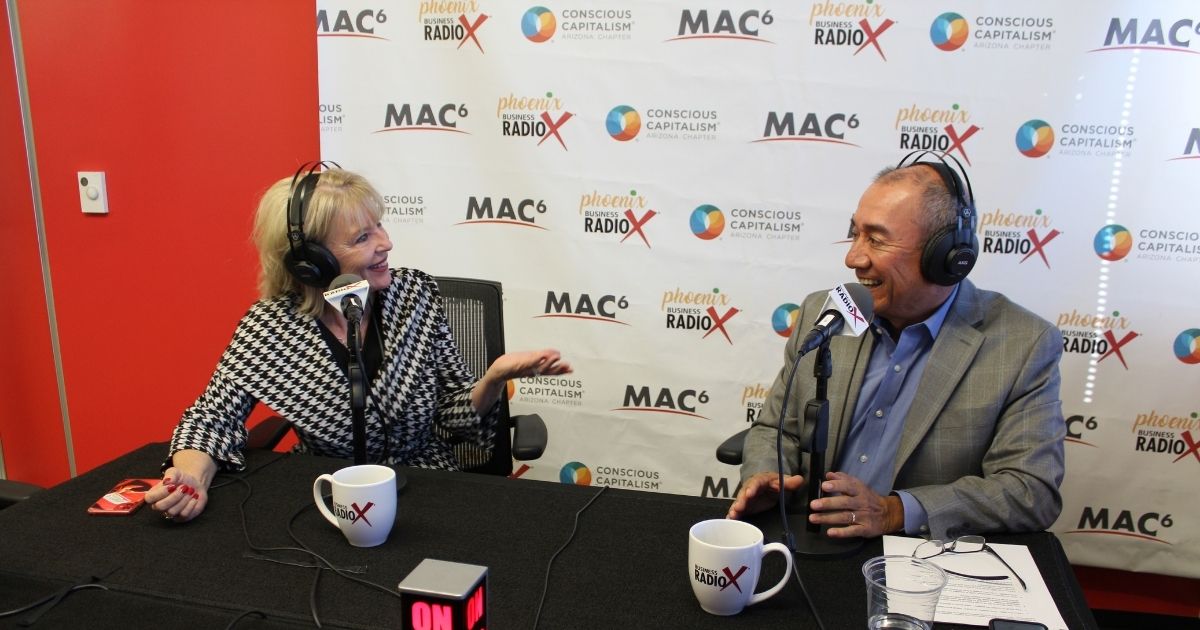
Joseph Rosales with The Performance Group of Arizona and Cathy Droz with HER Certified

November 3, 2020 by Karen

Joseph-Rosales-with-The-Performance-Group-of-Arizona-and-Cathy-Droz-with-HER-Certified
Phoenix Business Radio
Joseph Rosales with The Performance Group of Arizona and Cathy Droz with HER Certified
Loading
00:00 /
RSS Feed
Share
Link
Embed

Download file

Joseph-Rosales-with-The-Performance-Group-of-Arizona-and-Cathy-Droz-with-HER-Certified1

Joseph Rosales with The Performance Group of Arizona and Cathy Droz with HER Certified

The-Performance-Group-Arizona

The Performance Group of Arizona is a business consulting and coaching firm specializing in the development of high performance leaders, managers and teams.

Joseph-Rosales-The-Performance-Group-of-ArizonaJoseph Rosales is the Founder and CEO and has provided services in over 26 countries and is a highly sought after consultant, coach and mentor.

He is published author and recently released his 4th book and digital course titled: The Leader of YOU.

Connect with Joseph on LinkedIn and Facebook.

Cathy-Droz-HER-CertifiedCathy Droz is the Founder of HER Certified and Co-Founder of Smart Women Series USA based in Phoenix, Arizona. An author of a book ” A Woman’s Guide to Buying a Car with Confidence and Street Smarts” for the everyday consumer with women in mind.

She has designed a training program for the auto industry teaching from the top down how to sell to women and how to raise the customer service index from women a very crucial component for the success and growth of a dealer organization.

Cathy has most recently joined forces with Joseph Rosales, the President of The Performance Group of Arizona, a seasoned professional in teaching auto dealers how to best serve their customers. With a long and successful history with Manufacturers around the globe, Joseph and Cathy combined their expertise to give a “full assessment” and evaluation of a business and have the tools to make them even more successful. They can zoom a successful plan including one on one with top management.

Connect with Cathy on LinkedIn and follow HER Certified on Facebook and Twitter.

Tagged With: Author, business, business journal automotive, cars, cathy droz, customer experience, customer service, her certified, journalist, Leadership, performance, sales training, smart women series usa, teaching, test drive, women in automotive

John R Hightower with Arch + Tower

June 18, 2020 by angishields

Atlanta Business Radio
John R Hightower with Arch + Tower
Loading
00:00 /
RSS Feed
Share
Link
Embed

Download file

OnPay-Banner

Arch-+-Tower

John-Hightower-Arch-TowerJohn Hightower is the CEO of Arch + Tower | an FD Company . John co-founded the company and led the firm from inception through acquisition. Arch + Tower has served firms across various industries and sizes, notably Chick-fil-A and alongside the Founder of the Ritz-Carlton – Horst Schulze.

In 2019, Arch + Tower was acquired by Frazier & Deeter, a national ranked accounting firm, with offices across the United States and a budding footprint in the United Kingdom. John has worked with leading brands in their respective industries: SAP, Ritz-Carlton, Coca-Cola, Leadercast, Chick-fil-A, Spanx, Home Depot, McDonald’s as well as many start-ups and nonprofits.

Connect with John on LinkedIn and follow Arch + Tower on Twitter.

What You’ll Learn in This Episode

  • The Arch + Tower story
  • The CxExOx framework
  • Client case studies
  • What typical client engagement looks like for Arch + Tower
  • The acquisition by Frazier & Deeter
  • Current trends John is seeing in the marketplace

About Our Sponsor

OnPay’sOnPay-Dots payroll services and HR software give you more time to focus on what’s most important. Rated “Excellent” by PC Magazine, we make it easy to pay employees fast, we automate all payroll taxes, and we even keep all your HR and benefits organized and compliant.

Our award-winning customer service includes an accuracy guarantee, deep integrations with popular accounting software, and we’ll even enter all your employee information for you — whether you have five employees or 500. Take a closer look to see all the ways we can save you time and money in the back office.

Follow OnPay on LinkedIn, Facebook and Twitter.

Tagged With: customer experience, customer service, Engaged Employees

Home Services Radio: Candice and Justin Greathouse with Greathouse Home Services

December 9, 2019 by angishields

Greathouse-Home-Services-Logo
Atlanta Business Radio
Home Services Radio: Candice and Justin Greathouse with Greathouse Home Services
Loading
00:00 /
RSS Feed
Share
Link
Embed

Download file

Greathouse-Home-Services-JustinJustin Greathouse is a Navy veteran and a family man. Justin served in the Nave for almost nine years. He started Greathouse Home Services when he transferred to shore duty in Norfolk, VA.

Justin is originally from the Seattle, WA area where his parents have had a window cleaning business for 15 years.

Greathouse-Home-Services-CandaceCandice Greathouse is a mother, home school teacher and business owner. Candice went into business with her husband, Justin to help with the administrative side and to bring heart to the business.

She cares deeply about everyone of their customers and continues to bend over backwards to make sure that they know they are appreciated.  Candice is originally from Summerville, SC, where her dad owned and operated a painting company.

Justin and Candice currently live in the Hampton Roads area of Virginia and are the parents of two little girls ages 6 and 2.

Follow Greathouse Home Services on Facebook.

Topics and Questions in This Interview

  • What is the mission of Greathouse Home Services?
  • Christmas lights
  • Customer retention
  • Time Management

Tagged With: customer service, Exterior cleaning, military, veteran owned

Rich Bartolotta with Schooley Mitchell Atlanta and Jay Millwood with Homestar Financial Corporation

October 8, 2019 by Beau Henderson

North Georgia Business Radio
Rich Bartolotta with Schooley Mitchell Atlanta and Jay Millwood with Homestar Financial Corporation
Loading
00:00 /
RSS Feed
Share
Link
Embed

Download file

Beau Henderson, Rich Bartolatta, Jay Millwood

Rich Bartolotta/Schooley Mitchell Atlanta

Businesses are bombarded with offers on the latest technology, service or application every day. Schooley Mitchell helps clients make sense of their merchant services, telecom, small-package shipping, and waste removal services, allowing them to receive independent, objective advice that reduces their expenses by an average of 28%. At Schooley Mitchell, they’ve helped over 20,000 clients realize $340 million in savings. After spending 33 years in business executive leadership roles, Rich is thrilled to be applying his skills and experiences to help Schooley Mitchell clients achieve their business objectives. Since beginning operations in 2001, Schooley Mitchell has grown to become the largest independent expense reduction consultancy in North America with over 120 locations.

Jay Millwood/Homestar Financial Corporation

The Homestar Financial Corporation exists because of their relationships. Homestar’s purpose is to maintain a strong reputation as an honest mortgage company offering outstanding customer service, exceptional community relationships, and a high level of employee satisfaction. They strive as a company to meet the needs and wants of their customers, ensuring their arrival at “the easiest way home”.

Tagged With: consulting, customer satisfaction, customer service, expense reduction consultant, HomeStar Financial Corporation, mortgage, mortgage company, north georgia business radio, real estate, realtor, rich bartolotta, Schooley Mitchell Atlanta

James Barber with Training of Champions

October 1, 2019 by Beau Henderson

North Georgia Business Radio
James Barber with Training of Champions
Loading
00:00 /
RSS Feed
Share
Link
Embed

Download file

Beau Henderson and James Barber

James Barber/Training of Champions

Training of Champions offers training classes, motivational speaking and keynote speaking for companies of all sizes. They can train on various topics such as traits of champion networkers, effective communication, customer service and a plethora of business dynamics.


Tagged With: customer service, Dr. bill lampton, effective communication, James Barber, keynote speaking, motivational speaking, networking, north georgia business radio, professional speaking, public speaking, speech coach, speech coaching, Training of Champions

  • 1
  • 2
  • 3
  • …
  • 6
  • Next Page »

Business RadioX ® Network


Our Most Recent Episode

CONNECT WITH US

  • Email
  • Facebook
  • LinkedIn
  • Twitter
  • YouTube

Our Mission

We help local business leaders get the word out about the important work they’re doing to serve their market, their community, and their profession.

We support and celebrate business by sharing positive business stories that traditional media ignores. Some media leans left. Some media leans right. We lean business.

Sponsor a Show

Build Relationships and Grow Your Business. Click here for more details.

Partner With Us

Discover More Here

Terms and Conditions
Privacy Policy

Connect with us

Want to keep up with the latest in pro-business news across the network? Follow us on social media for the latest stories!
  • Email
  • Facebook
  • Google+
  • LinkedIn
  • Twitter
  • YouTube

Business RadioX® Headquarters
1000 Abernathy Rd. NE
Building 400, Suite L-10
Sandy Springs, GA 30328

© 2025 Business RadioX ® · Rainmaker Platform

BRXStudioCoversLA

Wait! Don’t Miss an Episode of LA Business Radio

BRXStudioCoversDENVER

Wait! Don’t Miss an Episode of Denver Business Radio

BRXStudioCoversPENSACOLA

Wait! Don’t Miss an Episode of Pensacola Business Radio

BRXStudioCoversBIRMINGHAM

Wait! Don’t Miss an Episode of Birmingham Business Radio

BRXStudioCoversTALLAHASSEE

Wait! Don’t Miss an Episode of Tallahassee Business Radio

BRXStudioCoversRALEIGH

Wait! Don’t Miss an Episode of Raleigh Business Radio

BRXStudioCoversRICHMONDNoWhite

Wait! Don’t Miss an Episode of Richmond Business Radio

BRXStudioCoversNASHVILLENoWhite

Wait! Don’t Miss an Episode of Nashville Business Radio

BRXStudioCoversDETROIT

Wait! Don’t Miss an Episode of Detroit Business Radio

BRXStudioCoversSTLOUIS

Wait! Don’t Miss an Episode of St. Louis Business Radio

BRXStudioCoversCOLUMBUS-small

Wait! Don’t Miss an Episode of Columbus Business Radio

Coachthecoach-08-08

Wait! Don’t Miss an Episode of Coach the Coach

BRXStudioCoversBAYAREA

Wait! Don’t Miss an Episode of Bay Area Business Radio

BRXStudioCoversCHICAGO

Wait! Don’t Miss an Episode of Chicago Business Radio

Wait! Don’t Miss an Episode of Atlanta Business Radio