
Business RadioX ®

  • Home
  • Business RadioX ® Communities
    • Southeast
      • Alabama
        • Birmingham
      • Florida
        • Orlando
        • Pensacola
        • South Florida
        • Tampa
        • Tallahassee
      • Georgia
        • Atlanta
        • Cherokee
        • Forsyth
        • Greater Perimeter
        • Gwinnett
        • North Fulton
        • North Georgia
        • Northeast Georgia
        • Rome
        • Savannah
      • Louisiana
        • New Orleans
      • North Carolina
        • Charlotte
        • Raleigh
      • Tennessee
        • Chattanooga
        • Nashville
      • Virginia
        • Richmond
    • South Central
      • Arkansas
        • Northwest Arkansas
    • Midwest
      • Illinois
        • Chicago
      • Michigan
        • Detroit
      • Minnesota
        • Minneapolis St. Paul
      • Missouri
        • St. Louis
      • Ohio
        • Cleveland
        • Columbus
        • Dayton
    • Southwest
      • Arizona
        • Phoenix
        • Tucson
        • Valley
      • Texas
        • Austin
        • Dallas
        • Houston
    • West
      • California
        • Bay Area
        • LA
        • Pasadena
      • Colorado
        • Denver
      • Hawaii
        • Oahu
  • FAQs
  • About Us
    • Our Mission
    • Our Audience
    • Why It Works
    • What People Are Saying
    • BRX in the News
  • Resources
    • BRX Pro Tips
    • B2B Marketing: The 4Rs
    • High Velocity Selling Habits
    • Why Most B2B Media Strategies Fail
    • 9 Reasons To Sponsor A Business RadioX ® Show
  • Partner With Us
  • Veteran Business RadioX ®

Neil Bedwell With LOCAL

January 27, 2025 by Jacob Lapera

Atlanta Business Radio
Neil Bedwell With LOCAL
Loading
00:00 /
RSS Feed
Share
Link
Embed

Download file

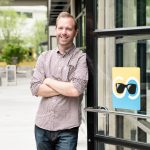
A digital-native and strategic leader with 15+ years running work, teams and businesses in London, Amsterdam, San Francisco, and Atlanta, Neil Bedwell is now building LOCAL, a Change Marketing agency that creates people first communication programs for some of the world’s best companies .

Before launching LOCAL, he led digital strategy and content for Coca-Cola’s Global Content Excellence group. His work included leadership of the digital program for the 2014 FIFA World Cup in Brazil, developing new ways to create and publish content in real-time across multiple social channels and managing global digital agency relationships.

Neil is an advisor to multiple start-ups, a General Assembly Instructor and a regular keynote speaker on brand-building and marketing innovation in the social age. Before that, he trained as a race engine designer for Benetton F1 and ran a digital incubator for young filmmakers.

Connect with Neil on LinkedIn.

What You’ll Learn In This Episode

  • How LOCAL came to be
  • The importance of employee engagement
  • How to build a thriving team
  • Why change is hard and how marketing can make it stick

Transcript-iconThis transcript is machine transcribed by Sonix.


TRANSCRIPT

Intro: Broadcasting live from the Business RadioX studio in Atlanta, Georgia. It’s time for Atlanta Business Radio, brought to you by Kennesaw State University’s Executive MBA program, the accelerated degree program for working professionals looking to advance their career and enhance their leadership skills. And now, here’s your host.

Lee Kantor: Lee Kantor here, another episode of Atlanta Business Radio. And this is going to be a good one. But before we get started, it’s important to recognize our sponsor, CSU’s executive MBA program. Without them, we wouldn’t be sharing these important stories. Today on Atlanta Business Radio, we have Neil Bedwell with LOCAL. Welcome.

Neil Bedwell: Hey, Lee. Good to be with you.

Lee Kantor: I am so excited to learn what you’re up to. Tell us Tell us about local. How are you serving folks?

Neil Bedwell: Well, we LOCAL. We’re based down here, not too far from the Beltline on Edgewood, and we are a employee marketing company. So a group of marketing folks from all different industries and disciplines now working to try and help companies basically reach their employees better.

Lee Kantor: So how did this idea come about?

Neil Bedwell: Well, um, you probably figured already. I’m not from Atlanta.

Lee Kantor: It sounded it was Smyrna. That’s what it sounded like.

Neil Bedwell: Tennessee. Yeah. No, I’m a Brit, born and raised and grew up in the advertising industry in London, but lived in a few different spots. But like a lot of folks who have similar accents to me, the Coca-Cola company lured me from California to Atlanta, Georgia. So, um, the origin story for this company that we built, and this is our ninth year now, is really the experience of my first ever really big corporate job inside one of the biggest companies. One of the the biggest brands in the world, Coke. Trying to convince colleagues of mine in different divisions or in different countries. All to jump in and participate in one idea. The. And this was the advertising campaign for the World Cup in 2014, the World Cup in Brazil, which Coke is obviously a huge sponsor of. The idea for a marketing company that focuses on employees was that we had a hell of a time trying to reach these colleagues, these employees of Coca-Cola, across all these different divisions and and companies. And with hindsight, we could have used a lot more of the, the stuff we know as marketing folks to cut through and actually create that awareness, to create that adoption, create that interest that we needed around a single idea that was supposed to be activated around the world.

Lee Kantor: Now, what made you think you know what? Employee engagement. That’s really the key here. And companies aren’t leveraging employee engagement enough. They’re not serving their employees in the way that really makes the most sense for the wellbeing of the company. So when did that kind of that thesis. Like, I understand that you were trying to wrangle everybody and it was difficult, but what made you say, you know what? I think that this is kind of where more companies should focus. And and I want to do something about it.

Neil Bedwell: Yeah. I mean, I’ve got pretty thick skin, but, um, being sort of ignored and, you know, enough times by, uh, by colleagues is enough to kind of wake you up and go, hey, we must be doing something wrong here. You know, if all if you’re in the outside world, if the customer if every potential customer walks past your store, your shop window probably isn’t, uh, as good as it should be. Uh, and so we needed, um, that that was the awakening. Um, and then really getting under the skin of of employee engagement. I’ve learned a ton over this last sort of nine years or so. I mean, more than two thirds of us seem to be pretty unhappy with the thing we spend half our waking lives doing as adults with, with, with our jobs. Um, employee engagement is kind of the biggest secret problem in business, I think. Um, because if you look at it, um, for most companies, the employees are both the single biggest asset and also the single biggest cost. Um, when you have disengaged employees, you lose out on, uh, things like productivity or, uh, customer loyalty or profit and earnings per share. Um, things like, uh, you know, retention. Um, you have to hire more people because more people leave you. Um, they don’t serve their your customers, particularly the frontline folks, aren’t serving your customers in the way that you want them to, and living up to the promise that you’re making those customers because they’re disengaged and unhappy. So, um, for me, it’s a root cause of a lot of, of the deficits that we feel in, in business when it comes to growth or when it comes to efficiency or effectiveness. Um, yet we we try to fix those symptoms rather than going to the cause, which is really this the biggest asset in your business is, is pretty miserable and pretty disengaged.

Lee Kantor: Well, it’s interesting you say that because if you, uh, I’m sure if you looked at the mission statement of 100 companies, 50 of them would say that people are their most important asset. So they’re they’re at least giving lip service to the importance of their Her team, but what are some symptoms that maybe they aren’t really, um, delivering on that mission statement or promise?

Neil Bedwell: I mean, if you look at the data, you said it. Lip service. Um, you say it, but I don’t see you do it. Um, I don’t see you say that. That, um, people are at the center of this company, but it looks like profits at the center of this company. Um, you say that, um, that the, you know, we are human centered, but we restructure and lay off people on a regular basis. You know, it’s on a day to day, um, a day to day sort of experience. Um, if you tell me something, um, from a, you know, in a business town hall with a group of executives talking about the future and telling you what’s going to happen, but then I see something different happening in my day to day. I’m going to believe what I see versus what I hear. Um, and so those are some of the symptoms. Um, and I can tell you, um, how we approach some of those symptoms, uh, which is really if you most companies, successful companies, are pretty good at understanding and engaging their customers on the outside. They’re pretty good at getting those folks to stop walking past the store and get them in the store. You know, um, and most successful companies are pretty good at keeping those people. Um, we need to start to think of as our employees, our people inside as customers, too. And actually, if you think about it, the in order to win the customer on the outside, I kind of have to win the customer on the inside first. I have to win over my employees so that they will then do the the customer engagement on the outside every minute of every day, in every location. Um, so we our philosophy, um, really is that employees are not just customers, they’re your first customer for anything that you’re doing. Um, if you if you can reach them and engage them, you’ve got a lot better chance of engaging every all of the other customers that you need to spend the money to drive your revenue to get the growth that you want. So it’s a first customer principle.

Lee Kantor: Now that I would imagine takes. That’s a mindset shift for most organizations, because most organizations spend a lot of resources in trying to get the brand new customer. They don’t even spend as much resources in nurturing the existing customer. And now you’re asking them to not only nurture their team and and emphasize the people that are already there, rather than focus on anything new. So how do you kind of help them understand that what you’re saying is true, that your employees are your first customer, and that’s where you really should invest time when they’re typically they’re not spending time on their existing customers. They’d rather find a new customer.

Neil Bedwell: And, you know, all the data will tell you that finding new Finding new customers is way more expensive than keeping the ones that you have. Same goes for employees, by the way. Finding new recruits is way more expensive than keeping the one the folks that you already have and keeping keeping them happy. Um, you just got to look at the data. The Gallup huge, hugely respected organization produce a report on employee engagement every year. And, um, whatever metric you’re trying to move, whether it is a revenue or profit metric, whether it is a customer loyalty metric, whether it’s an earnings per share metric or any other thing in companies with engaged employees, outperform those with disengaged employees on every metric. Um, and it’s not just about keeping your employees engaged and keeping them retained as, as employees. It’s all the other stuff that those happier people do because happier people, when people are happy and engaged at work, then they’re more they’re more productive. Then they show up and go that extra foot or mile for the customer. They sell more to the customers. Um, anything that you’re trying to do is done better if your employees are engaged.

Lee Kantor: Now, how do you kind of measure the level of engagement your employees currently have? I can’t believe that just by asking them or giving them a bunch of smiley faces on a form is going to tell the truth. There has to be actions that they’re taking that are kind of illustrating whether they’re engaged or not. And I’m sure that, um, you know, if they’re quitting a lot, that’s probably a clue. But are there clues for engagement?

Neil Bedwell: Oh, absolutely. And, you know, you can go from the hard, hard, um, if you like, lag, measure of retention or of, um, Customer success or or revenue growth or profitability. But really, what you’re trying to do first and foremost is, um, as a as a leader, make sure that you reach every single one of your employees. A lot of internal messaging doesn’t reach most of the people inside companies. Um, I’ve been lucky enough to spend time with with companies in almost every industry. And, uh, often there’s a common theme where where leaders will stand on a stage physically or, or digitally and sort of project a message of, of, of, of the story of the next quarter or the story of the next year. They’re often called town halls. Um, and we’ve been, uh, able to go out into the field for some of the companies that we work with and, you know, meet folks who drive trucks or, um, work in maintenance or handle, you know, handle baggage for airlines, things like that. They don’t see those things. They don’t see the town halls. They don’t go on the internet.

Neil Bedwell: They don’t look at email. They talk to each other. Um, and so the message, first and foremost is often not reaching the majority of employees, particularly in industries that have a lot of frontline folks, not just sort of head office folks. Um, then what you’re looking to try and get is, well, okay, did we get what was the response to that messaging? Was it understood? Um, and then if you have understanding, then you’re going to to if you like, the harder, more tangible, um, elements. Are people adopting new behaviors because of this? Are they using an online system or are they following a process more? Um, are they actually taking actions based on, um, the reach and engagement that you’ve created? And if they take those actions, do those actions, then drive to these hard, if you like CFO level metrics of revenue, profitability, uh, employee churn, all of those kind of things. So you’re you’re looking at sort of lead and lag measures all the way from, first and foremost, did your message even reach all of your people?

Lee Kantor: Now, who is your ideal client? Are they kind of these enterprise level organizations that have kind of like a global presence, or are they like startups or are they like, where do your customers lie?

Neil Bedwell: We we found a sweet spot as local with large companies, with distributed workforces, you know, in in head offices, different offices in on locations, out with customers, um, that have a desire to change, to transform to, to, to take on new behaviors or use new technologies but struggle to reach their employees and in, in so doing, not reaching those employees hampers then those initiatives. I’ll give you a you a very simple example. If you have a new piece of software, a new piece of technology that is going to increase efficiency for 50,000 people on the front line across the country, the what you actually have to do in order to unlock that value is get those 50,000 people to actually use the technology successfully. And a lot of companies spend all of their money on the technology and the integration of the technology, and nothing on actually getting people to use it. And if you think about employees as customers, if you think about external customers, you never create a new product without thinking about how you’re going to sell it. And so we really urge any of our clients to think about what they’re doing as a product, and the fact that whatever new thing that they’re trying to bring inside that company is a new product, and you’re trying to sell it to this audience of employees. And we will work with, um, leaders across every discipline to do that. So if it’s a piece of technology, it’s often with the technology team, with the CIO and her or his group. Um, if it’s a new brand or, um, or product launch, maybe it’s with the marketing team. If it’s a new, um, learning program, it’s with the chief learning officer. If it’s a new, uh, new vision or values or, um, sort of working processes, then maybe it’s with the HR group. Um, we’ve we have experience across all of those different, uh, disciplines. And really, we’re a marketing team for anybody that’s trying to make change stick.

Lee Kantor: Now, is.

Lee Kantor: That usually your typical first point of entry, that they’ll have an initiative that they want to roll out and then they need help kind of getting the buy in throughout the organization. So they hire local to help them execute that.

Neil Bedwell: Yeah. There’s really, um, like three different ways. There’s that, which is, hey, we’ve got this new thing. We want to make sure everybody knows about it. We need a, you know, an employee marketing company. We and we’re there for that. There’s. We tried it. It didn’t work. It failed. People aren’t using it. What should we do? Maybe we need to do something different. And we are different to traditional consulting firms in terms of the approach to change. Um, we actually have a trademarked process which we call change marketing, which is everything we know about marketing to customers on the outside, but pointed at customers on the inside and sort of with a little hybrid, um, of some of the progressive change management thinking, too, so that we’re actually bringing some of that understanding of organizations. Um, you know, so it’s it’s, um, we’ve got something new and we want to make sure people see it. We’ve launched something and people aren’t using it. Um, or we’re seeing negative results in our employee engagement research, and we want to turn things around. So if you like launching something new as a tangible thing, or trying to sort of win over hearts and minds a little bit more on the intangible side so that you can foster more engagement so that you can actually achieve some of the goals that you have.

Lee Kantor: Now, what are some of the, uh, the qualities of a leader that is a good fit for local? And what are some of the qualities that are probably you’re not going to be a good fit.

Neil Bedwell: If I come back to that point I made earlier about standing on a stage and projecting a story, um, and not thinking about whether people hear you, I think it’s that I think, um, good leaders understand that the most important thing is reaching their audience versus, um, saying what they want to say. Um, and so listening and understanding the audience, understanding your, your whoever you’re leading is the most important thing. And then I’m a big believer personally in, um, doing versus saying. So if you if you model behaviors, if you show what matters and you and you do it with courage and confidence, that is a better way to lead others to want to do that versus to mandate or instruct. Um, and then the final thing is recognition. Um, your job as a leader is to, is to model and show the right way to behave and work and then recognize, celebrate those who do that so that others will follow. People follow people more than they follow leaders. So if you can model something, show others doing it, and then have them basically, um, lead for you the rest of the organization, that’s, that’s that’s the way forward. I think, um, for me at least.

Lee Kantor: Now, you.

Lee Kantor: Mentioned early on that you saw an opportunity when you were working with an organization that it was difficult to roll out your idea. What was kind of a clue when you were had this idea of employee engagement and focusing in on the importance of that, that you were like, can you share maybe that first time you did an initiative that worked and you were like, okay, this is something this isn’t just in my head. This is something that I can see really working here. And then it could work in other organizations.

Neil Bedwell: Yeah. And I have the Coca-Cola company to thank, not just for the experience of of working through something as big as the World Cup. And I, you know, I it was incredibly hard work, but I loved it. Um, but also when we first started local, obviously we had a lot of friends, you know, inside the Coca-Cola sort of ecosystem. And we got offered the chance to look at it at a employee engagement program that wasn’t working. Um, and we we were trusted enough by a leader to say, you know, what would you guys do with this? And that’s where we were able to actually show that a marketing approach, which is really about focusing on the audience, in this case the employees, how they’re feeling, what they’re thinking and then leaning into them. Maybe, you know, more emotionally first than rationally. So more about inspiration than than instruction and taking that slant on it actually did unlock some real wins for that program. And we were able to say, well, look, we made something work at one of the biggest, most complex by the sheer size and, uh, geographic spread of the company that that worked. We think that we can do the same thing for you. Um, and I’m very grateful for that opportunity to do that. Um, and it’s still we regard that that experience back in 2015 and 16, I think, as the sort of genesis of what we’ve been able to build since then.

Lee Kantor: Now, is there any advice you can give an organization? Uh, maybe not an enterprise level, but just a small to small to mid sized company. Is there some low hanging fruit that they can be doing better in terms of employee engagement?

Neil Bedwell: Yeah. My um, uh, my old boss from my Coca-Cola days and and are still a very good friend. You you have this great mantra which is you have two ears and one mouth for a reason. You should use them in that ratio. Um, so listen, so many people don’t listen. Your employees, whether you have a team of 5 or 5000, are telling you everything that you need to do. And they’re also capable of doing it. Um, so if you can listen and understand them, you know, and we always say that in marketing the, the, the, the single greatest competitive advantage over any, you know, any competitor is a deeper knowledge of your audience. And I think the same thing goes for, for for leaders inside companies to the more you know about your, your people, um, the more you understand them and what they’re what they want, what they need, what they’re capable of. The more chance you have of of leading them successfully to the outcome that everybody wants. Um, so that that’s, that’s the same no matter what company you’re in, if you’re a smaller company, you can do it quicker. I think you can be more nimble.

Lee Kantor: So what do you need more of? How can we help you?

Neil Bedwell: Well, local, um, we are happily growing. Um, we are, um, investing a lot in the community here in Atlanta. So, um, we think of our clients, uh, as change makers. So a change maker, is anybody in any, any, um, discipline or division inside any company that is trying to make it better? Um, and using employee marketing is change marketing. Uh, sort of process that we have is a tool in the toolbox of a change maker. Um, and what we what we recognize is that an HR leader from a technology company, um, a technology leader from a product company, um, a marketing leader from, uh, you know, a sportswear company, they’re all change makers, and they can all can learn from each other. And we get the benefit. We benefit from knowing those people, um, in terms of growing our business, too. So, um, we are hosting change maker gatherings, events. Uh, we have a really cool, um, house space, a clubhouse space, um, down here on Edgewood that, um, the last event that we did was, uh, just before the holidays, and we had 60 or 70, um, really interesting change makers from across different industries and, and and companies all coming together, talking, sharing, um, sort of contributing, uh, to, to a dialog, but in a really fun, informal way with some really good wine. Um, so if you’re interested in being part of that, we’re also doing virtual ones because we want to reach people, you know, further and wider. But for the Atlanta community, we’d love to meet you. Um, you can find us on LinkedIn local, the change marketing company. Uh, you can find us at Local industries.com. Um, there’s plenty of ways to get in touch with us. Myself, Neil Bedwell on LinkedIn, and we’d love to meet you and understand what change you’re trying to drive and bring you into this, this burgeoning community. And I really mean this as a Brit, uh, transplanted into Atlanta. There is some incredible, um, people here doing really interesting work across a lot of different industries. And, and we, we get so much goodness out of bringing everyone together.

Lee Kantor: Well, Neil, thank you so much for sharing your story today. You’re doing important work and we appreciate you.

Neil Bedwell: Thanks, Lee. Really enjoyed it.

Lee Kantor: All right. This is Lee Kantor. We’ll see you all next time on Atlanta Business Radio.
Tagged With: local, Neil Bedwell

Good Beer, Good Business – A Highlight of Arizona’s Craft Beer Industry E48

July 22, 2024 by Karen

Good-Beer-GoodBusiness-A-Highlight-of-Arizonas-Craft-Beer-Industry-feature
Arizona Good Business
Good Beer, Good Business - A Highlight of Arizona's Craft Beer Industry E48
Loading
00:00 /
RSS Feed
Share
Link
Embed

Download file

Good-Beer-GoodBusiness-A-Highlight-of-Arizonas-Craft-Beer-Industry

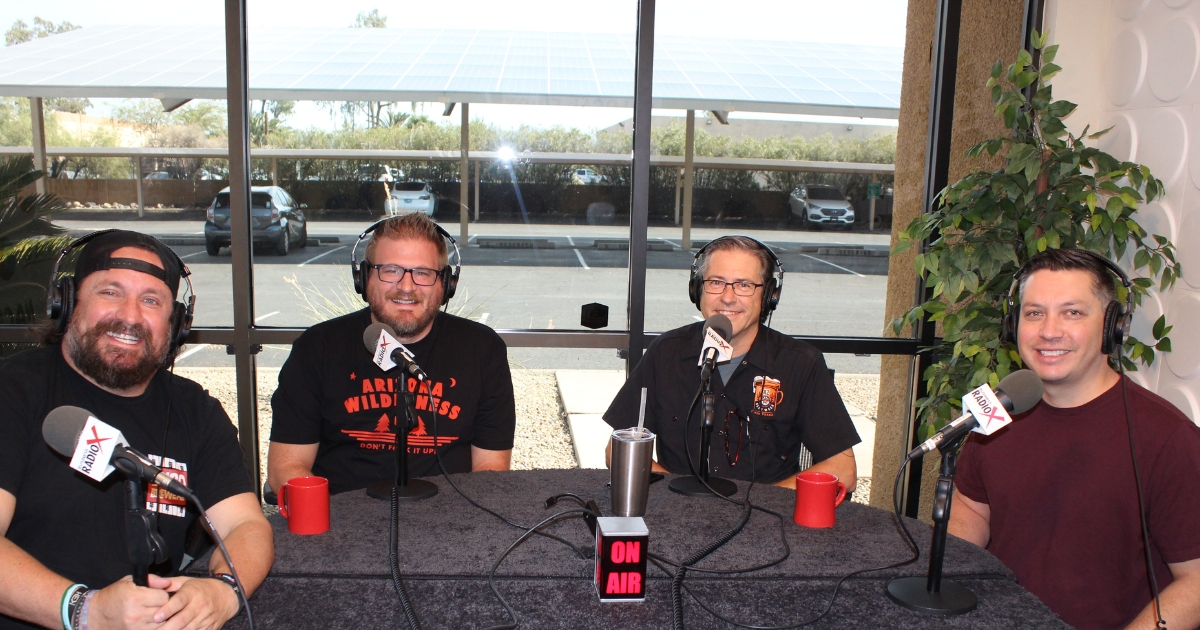
In the latest Arizona Good Business Radio episode, Thomas Barr explores Arizona’s craft beer scene with Cale Aylsworth with OHSO Brewery + Distillery, Andrew Bauman from the Arizona Craft Brewers Guild, and Brad Miles from Arizona Wilderness Brewing Company.

Despite being 43rd nationally in breweries per capita, Arizona’s craft beer industry is booming. Six new breweries just opened in the last 3 months, and Arizona now represents 100+ local breweries.

This episode highlights the challenges breweries face, and how the brewery community comes together and relies on each other for the industry’s success. The guests predict a mix of prediction for the future of the industry, and discuss the opportunity to learn from national trends.

OHSO-Brewery-logo

Since being establish in the Valley in 2011 O.H.S.O. has taken on a life and community of its own. Not only deeply entrenched in its AZ community, they are huge advocates and supporters for new local breweries and small local businesses.

With nearly 10 valley wide locations O.H.S.O.’s success directly reflects its support in its communities. Weather it be Teachers, First Responders, Mental Health Awareness/Resources, Animal Shelters, ALS or MDA, or even the Neighborhood Community Garden, O.H.S.O. believes that libations brings people to gather, and when good people gather, good things can happen.

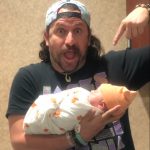
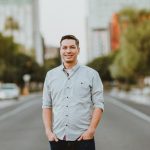
Cale-AylsworthBorn at St Joseph’s Hospital in 1985, a third generation Arizonan, Cale Aylsworth’s claim is “Arizona is a place like no other”. He entered the restaurant industry to pay for college, started out as a food runner, to head expo, to server, to bartender all before age 20.

Cale found his path intersecting with a brand new local brewery in 2011 by simply enjoying a locally crafted beer at the bar. Thirteen years later he holds the title of Director of Sales and Relations, manages a majority of O.H.S.O.’s community outreach and is the “not by choice” face of the company.

Combining his passion and love for this one of a kind state, his journey with O.H.S.O. Brewery + Distillery has be a harmonious fit as his personal views and the company’s views align with the goal to be grateful for the individual people that make this community and to make sure to give it back. AZCBG-Logo

The Arizona Craft Brewers Guild is the state-wide organization that represents Arizona Craft Breweries through legislative efforts, community partnerships, presenting beer festivals all over the state, and providing educational opportunities for the entire craft beer community.

Supporting local small businesses is our number one goal.

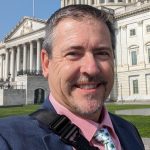
Andrew-BaumanAndrew Bauman has been in the Arizona Craft Beer industry for over 12 years as a Head Brewer, Director of Brewery Operations, and currently as Deputy Director of the Arizona Craft Brewers Guild.

Prior to entering the beer business, Andrew managed restaurant and catering businesses in the Phoenix metro area.

Follow Arizona Craft Brewers Guild on Facebook and Instagram.

Arizona-Wilderness-Brewing-logo

Arizona Wilderness is a Brewery and Restaurant specializing in Craft Beer, Burgers, and Sustainable business practices in Arizona.

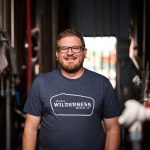
Brad-MilesBrad Miles is the Head of Production at Arizona Wilderness Brewing Company. He has been at Arizona Wilderness for a little over a year. He has a decade of experience in Craft Beer ranging from small breweries to large regional craft breweries.

Brad started his journey in Craft Beer as a Homebrewer then started moonlighting at a small brewery in Southern California where he spent a year learning. He then moved onto Firestone Walker Brewing Co where he started as a Cellarman, moved into the brew house, lead the filtration operations, managed the yeast, and eventually spent the last two years in Research and Development and new product development.

After 8 years at Firestone Walker he took a leap and started as the Head of Production at Arizona Wilderness Brewing Co, where he is responsible for all beer being produced, served, and distributed.

Connect with Brad on X and follow AZ Wilderness on Instagram.

About Arizona Good Business

What is good business? What are local businesses doing to build a better Arizona?

Join Arizona Good Business to hear from local companies who are:

  • Centering purpose at the forefront of business
  • Creating social well-being for the community
  • Prioritizing sustainability and positive environmental practices
  • Growing strong company cultures through building authentic teams
  • Ensuring diversity, equity, and inclusion are involved in all business decisions

Arizona Good Business features local business leaders that are redefining what it means to do good business.

About Your Host

Thomas-BarrThomas Barr is the Vice President of Business Development for  Local First Arizona, the largest coalition of local businesses in North America. He advocates for a strong local business community that contributes to building vibrancy, equity, and prosperity across the state.
A proud Arizona native and graduate of Arizona State University, Thomas leads the strategic partnerships and business development at Local First through advancing the organization’s statewide business coalition and technical assistance resources deployed to entrepreneurs.

As the Vice President of Business Development, Thomas guides the direction and execution of Local First’s key initiatives and partnerships, as well as the collaboration of 60+ staff implementing work in entrepreneurship programs and access to capital, rural and tribal community development, and local food economic development. He speaks to groups both locally and nationally, presenting the impact of Local First through demonstrating the organization’s effectiveness in building economic opportunity for more than 20 years.

Outside of Local First Arizona, Thomas has contributed his time throughout his career to many causes and organizations including the American Independent Business Alliance, Arizona Commission on the Arts, Equality Arizona, Heritage Square Foundation, Phoenix Legal Action Network, and Young Nonprofit Professionals. He currently serves on the small business advisory council for Arizona Secretary of State Adrian Fontes, as a member of the multicultural advisory board for ONE Community, and as a member of the board for Tempe Tourism.

Thomas is a 2018 Phoenix Magazine and 2020 Phoenix Business Journal 40 Under 40 honoree, alumni of Arizona Leading for Change, and alumni of Valley Leadership Institute’s 40th cohort.

Connect with Thomas on LinkedIn and Twitter.

LFA-Logo

Tagged With: arizona beer, Arizona Wilderness, beer festival, Brewery, brewery near me, community, craft beer, distillery, Dog Friendly, IPA, local, patio, restaurant, small business, Wilderness

Brooke Wright With LOCAL

October 5, 2021 by Jacob Lapera

Atlanta Business Radio
Brooke Wright With LOCAL
Loading
00:00 /
RSS Feed
Share
Link
Embed

Download file

BrookeWrightBrooke Wright is partner and Chief Client Officer at LOCAL, a change communications agency that has been named an Inc. 5000 fastest-growing private company in America and one of Atlanta Business Chronicle’s Best Places to Work (twice).

An Atlanta native, Brooke is a seasoned marketing strategist with 18 years of experience helping B2C and B2B brands bring their story to life inside and outside the organization.

She has worked on both sides of the desk—serving agency and client brands, ranging from national/global non-profits, to Fortune 100 companies.

While managing large complex external brand programs, she realized one of the biggest limitations to success was directly linked to belief in the brand and program on the inside by the company’s most important asset – its people.

Her attention and passion shifted inwards to leading organizational strategies and transformation programs focused on strategic employee-centered design and communications to drive positive change and, in-turn, impactful external success.

In her free time, Brooke is an avid estate sale shopper and lover of all things old. She is passionate about designing curated spaces combining old and new.

Her most recent project was LOCAL’s very own headquarters, The Be Nice House, in Atlanta’s historic Old Fourth Ward neighborhood.

Connect with Brooke on LinkedIn.

What You’ll Learn In This Episode

  • About Local
  • About The Be Nice House
  • How the pandemic affected the plans and visions for The Be Nice House
  • Where the inspiration for BNH came from
  • The types of events that are a perfect fit for the space

About Our Sponsor

OnPay’sOnPay-Dots payroll services and HR software give you more time to focus on what’s most important. Rated “Excellent” by PC Magazine, we make it easy to pay employees fast, we automate all payroll taxes, and we even keep all your HR and benefits organized and compliant.

Our award-winning customer service includes an accuracy guarantee, deep integrations with popular accounting software, and we’ll even enter all your employee information for you — whether you have five employees or 500. Take a closer look to see all the ways we can save you time and money in the back office.

Follow OnPay on LinkedIn, Facebook, and Twitter

This transcript is machine transcribed by Sonix

TRANSCRIPT

Intro: [00:00:04] Broadcasting live from the Business RadioX Studios in Atlanta, Georgia. It’s time for Atlanta Business Radio brought to you by on pay Atlanta’s new standard in payroll. Now here’s your host.

Lee Kantor: [00:00:24] Lee Kantor here, another episode of Atlanta Business Radio, and this is going to be a fun one, but before we get started, it’s important to recognize our sponsor on pay. Without them, we couldn’t be sharing these important stories today on Atlanta Business Radio. We have Brooke Wright with local. Welcome, Brooke.

Brooke Wright: [00:00:41] Hey, Lee, thanks so much for having me.

Lee Kantor: [00:00:43] Well, I’m excited to learn what you’re up to. Tell us about Loku. How are you serving, folks?

Brooke Wright: [00:00:47] Yes, I’d love to. Well, we are a consulting firm. We’re located in Old Fourth Ward of Atlanta, our headquarters where we are today. We’ll talk a little bit more about in the show. It’s called the be nice house, but local was started about five years ago out of a need that my two business partners, Neil Bedwell and Andrew Esterday, who’ve been on the show in the past that we all saw coming out of some of our marketing careers working in or for Fortune one hundred organizations. There’s constant change going on in any organization, but especially those big ones. And so whether it was an HR team that was working on a massive reorganization or an IT team that had a new piece of technology that they needed employees to all use or just a training program to help a team become more brand focused or customer focused. We just saw a gap that a ton of times there was a lot of resources and investment put into these change initiatives that needed to take place. But when they got time to roll those out to employees, the communication of those often was just maybe even a series of emails that the change that they needed to stick wasn’t sticking because of the communication.

Brooke Wright: [00:02:04] So as marketers, we were all marketers in our prior career. We saw an opportunity. You know, if we were launching a product to consumers on the outside, we’d spend tons of time and resources looking at our audience first and then crafting very specific communications on different channels to those different audiences. And we just didn’t see the same thing happening inside of organizations. So we turned everything we knew as marketers on the outside to the inside of businesses and working with Fortune. One hundred companies today to doing what we call change, marketing, marketing, change to employees to to really drive inspired change versus change that’s maybe compliance based and thinking of employees is an audience that we’ve got to think about worth winning, not just communicating with through some pretty direct messaging and emails. So we’re really humbled. We just were named on the Inc five thousand fastest-growing companies and Atlanta’s best places to work for the second year in a row. So some exciting things happening down here in Old Fourth Ward at local.

Lee Kantor: [00:03:09] Now tell me a little bit about your work in terms of how the companies you’re working with. Choose the you to solve this problem. Every company is part of their mission statement, has a variation of our people are the most important asset. Yeah. And you can cut and paste that into pretty much across industry. It doesn’t matter the size. They all at least give lip service to that kind of the way of thinking are the. And it gets to the heart. I would think a lot of it is the culture of the organization. Exactly. And when you’re having these kind of conversations with your prospective customer or your your actual customer. How how much do they mean it? You know, they say it, but but, you know, actions speak louder than words. How much disconnect are you seeing or incongruity between the intention or the aspiration to to behave in that manner and the actual behavior?

Brooke Wright: [00:04:13] That’s that’s a great question we could spend all day talking about.

Lee Kantor: [00:04:17] All right. We have all day. Let’s let’s do it.

Brooke Wright: [00:04:20] But the quick answer, I think organization, a lot of organizations do talk about being people first. We talk about that in our own team here at local and people. First is it’s a great ambition. But to live that out, the bigger you get is really challenging. And so we just look at it really simply that being people first is really about listening first, listening to employees, listening to where they’re at. As we see these huge transformations happening within organizations, it’s often and very common that we see great intentions, but just not slowing down to see how that change may be received from an employee standpoint first. And again, like we do that in the marketplace, we listen to potential customers if we’re launching a new product. But people first really starts with understanding people and their needs and their feelings and how change may be received on their end. So all of our clients have great intentions of that. Unfortunately, the speed in which a lot of this change has to happen prohibits that and a lot of organizations. But we have seen with COVID just a huge uptick in looking at employees and employee engagement differently. As we’re working in virtual environments, we don’t have the face to face contacts that we used to have. There is just a much more intentional need for employers to be spending more time listening.

Lee Kantor: [00:05:46] Now, as part of your work as a marketer, I’m sure you believe in metrics and and choosing the metrics that matter as kind of the benchmark of how well you’re doing. Has the recent kind of employee tightness in the market and the demands of the employees really exacerbated some of these issues where these aren’t no longer? Yeah, let’s get to this down the road. But this becomes now vital to even just staying in business for a lot of folks that are desperate to, you know, to get the right employees to work there and keep them. Is this stuff really at the forefront nowadays, more so than maybe a couple of years ago?

Brooke Wright: [00:06:31] One hundred percent. We’re having daily conversations with clients from everything from talent acquisition. How what are we making appealing in our culture to get new people in? What are we doing to help those people grow and develop and want to stay a part of our culture once they’re here? And employee engagement data, as you mentioned metrics, that’s huge. It’s a key part of what we do. We have our own tools that we use and a lot of our projects and client work, but we’re also leveraging a lot of the tools that they’re using and their HR teams. Hr Teams is one of the main groups that we work with in our client relationships, and so that data is hugely important. But yes, COVID and the talent market that we’re in, all of that has elevated the need to look at metrics more closely.

Lee Kantor: [00:07:19] And it’s the metrics that matter. Like I would imagine one of the pain points that they’re seeing is, Hey, why aren’t we keeping enough people? Why are these great people, you know, going out the door as fast as they’re coming in? Hey, maybe we should call the local folks to help.

Brooke Wright: [00:07:34] We would love that. We would love that.

Lee Kantor: [00:07:36] But is that is that usually the pain point is that somewhere around the retention? Because that’s a noticeable thing for anybody. They don’t have to be that paying that close of attention to notice, Hey, where’s where’s Mary? She was great. How come she’s not here anymore?

Brooke Wright: [00:07:53] Yes. Retention is one of the key metrics that we look at, and we a lot of the work we do with clients is around that. So like I said, that talent acquisition and and retention, how do you keep people happy? And that’s not just about giving them the tools that they need to do their job, it’s it’s looking at them like a human being and and knowing and understanding them and what makes them tick within their job, what they care about, what they’re passionate about and how the organization is nurturing up.

Lee Kantor: [00:08:21] Now in your work internally for your own organization, you decided to invest in office space. That is a little different and maybe is kind of has a bigger y associated with just coming up with a different type of headquarters for your company. Can you talk about that?

Brooke Wright: [00:08:39] Sure, I would love to. Yeah, it’s maybe a little bit ironic that we’re talking about a physical office space in the middle of a pandemic. But funny enough, we’ve signed the lease on a new space in the middle of Old Fourth Ward a month before the pandemic. Hit so we have continued to evolve our vision for what return to work looks like in the future of work for our own company, just like we do for a lot of our clients. But we’re just really excited to kind of officially show the world this space. It’s a space we created to really create community and culture within our own team, but also as a hub for the community here in town, for the film industry to utilize the space. But it’s a historic building on Edgewood Avenue that was humble beginnings as a engine repair shop turned church turned yoga studio turned skateboard skateboard manufacturing facility. And now it is what we call the be nice house. The owner, prior for 20 years, had painted a beautiful graphic on the side of the building before selling it a couple of years ago. That said, be nice and just a reminder to the neighborhood of just a simple, simple thing we should live by. And so we wanted to carry on that tradition. And so we call this space to be nice house. It’s a nontraditional office space, not a desk in sight. A huge twenty five hundred square foot outdoor courtyard and a lot of living space. That was what we created as a safe way for our team to return with plenty of room to spread out. But also our team just loves coming together and one of the safe place to do that, even in a COVID work environment.

Lee Kantor: [00:10:25] So now with this space, the way that it’s configured, how, how, how does that impact the community as a whole outside of your own folks?

Brooke Wright: [00:10:36] Yeah, that’s a great question. So we wanted the space to be a place of gathering and people coming together. So we’ve been using it for community events, meeting lots of bringing local business owners together and the old Fourth Ward community to come together and think about community initiatives that we need to be all collectively participating in to help the neighborhood. Just next week, we’ll be hosting an event with the Atlanta Design Festival on design and the black image with some, some great speakers here. So just as a gathering place, you know, community and culture is key to what we do as a business, and we wanted this place to be more than an office, which is why we call it a house and a place together.

Lee Kantor: [00:11:23] Now can you walk through the thought process? Obviously, it happened pre-pandemic, so maybe the thinking was different once the pandemic hit. Maybe there was some changes in how it how you finished, but talk about, like why it was important to build something that serve the community, not just, Oh, let’s just get a good space for us because that’s what we need.

Brooke Wright: [00:11:45] Yeah, our team, you know, we’re a team that’s passionate about change, obviously, with the work that we do within organizations, that change comes in a lot of forms and a big part of that. And what’s important to us as a business is change in our community and not just talking about it, but actually doing something about it. And so having a physical space to do that, just it gave us a great platform to be able to come together with others in the community who have the same passion.

Lee Kantor: [00:12:16] And then since you it’s open now, right?

Brooke Wright: [00:12:20] Yeah, we’ve been open since January, so it is open now.

Lee Kantor: [00:12:25] So now how does it work if there’s somebody in the community that is interested in, Hey, we have this event now, they can look to you and say, Hey, you might be able to do it here, hosted here.

Brooke Wright: [00:12:37] Is that how it works? Yes, you can reach out to us on our website, local industries. And there’s a nice little tab there for the B Nice House with lots of fun photography to actually see the space. It’s kind of hard to describe a space. It’s kind of like trying to describe what a delicious cheesecake tastes like to somebody, but you really need to come and see it and experience it. So we love to have coffee with anyone who is just even interested in thinking about what does a future workplace look like in this world we live in? Or they have a great event coming up that you’re looking for a unique environment to do that, that that can be safe as well. So we would love for anyone who’s interested to come grab a cup of coffee with us.

Lee Kantor: [00:13:18] So it could be, you know, a one time event or semi-regular. Or it could be like, Hey, I want to work out of there, like I moved my small team there.

Brooke Wright: [00:13:28] Yeah, they can. If you want to host a meeting with your team, we call it kind of a retreat from business as usual. You know, everyone needs a chance to get away. And because we have ample outdoor space, that’s been a great option for people. We’ve hosted a lot of photo shoots and film events with the local film industry here, in addition to some of those community events that we just talked about. So lots of different use use cases for the space.

Lee Kantor: [00:13:53] So now in your work and serving organizations and their people, does it do you still get to scratch the itch of marketers and helping them with their marketing? Or is your work solely just internal?

Brooke Wright: [00:14:06] That’s a great question, so we work with a lot of marketing teams still, but mainly on the internal side, so helping marketing teams selling ideas across the organization. When we were working in corporate America, one of the things that we saw is that marketing teams, you have these big ideas for things you want to do on the outside. And then we joke that they get dropped into the corporate blender and they come out kind of a fraction of what they started as. And we saw that as some of the dysfunction of ideas just not circulating well internally to get them sold in, to be able to to do what you wanted to do on the outside as a marketing team. So we support a lot of marketing teams from that standpoint. We don’t do external marketing, but we help the teams make sure that their ideas can come into fruition on the outside.

Lee Kantor: [00:14:55] Well, congratulations on all of the success. If somebody wants to connect with you, whether it’s to help them kind of optimize their own team, or if they’re a local business that wants to, you know, check out the event space, what’s the coordinates? What’s the website?

Brooke Wright: [00:15:11] It’s local industries and there’s an easy place on there just to email us at hello at local industries and we would love to chat and grab a cup of coffee.

Lee Kantor: [00:15:22] Well, congratulations again on all the success, Brooke. You’re doing important work and we appreciate you.

Brooke Wright: [00:15:27] Thank you, Lee. It was fun.

Lee Kantor: [00:15:29] All right, this is Lee Kantor. We’ll see, y’all next time on the Atlanta Business Radio.


Tagged With: Brooke Wright, local

Jonathan Brimer with Select Shades

May 24, 2020 by angishields

Select-Shales-Feature
Atlanta Business Radio
Jonathan Brimer with Select Shades
Loading
00:00 /
RSS Feed
Share
Link
Embed

Download file

OnPay-Banner

Select-Shales-logo

Jonathan-Brimer-Select-ShadesAs a child, Jonathan Brimer turned his bedroom into a boutique department stores, with pricetags on everything from stuffed animals to a stereo. “Customers” – aka his parents – would come “shop” with Jonathan ringing up purchases on an adding machine and transacting with Monopoly money. At age eight, Jonathan consistently won fundraising challenges at school. At age ten, he ran a successful lemonade stand. Suffice to say, he’s always had an entrepreneurial spirit.

After declaring initially as a meteorology major, Jonathan later graduated from Florida State University’s Dedman School of hospitality and subsequently spent twelve years with Marriott International in a variety of roles. The dream of business ownership never died.

In 2014, Jonathan jumped at the opportunity to develop and grow a business niche that brought together both retail and the hospitality industries: boutique sunglass gifting experiences at corporate and incentive events. Since then, the company he now co-owns – Select Shades – has grown into five retail stores in three states and has traveled the world delivering custom, interactive sunglass experiences at meetings of all sizes and formats with nearly $3 million in revenues in 2019.

Always seeking personal and business growth while intensely dedicated to staying true to core values, Jonathan and his business partner, Jason are excited to see their Atlanta-based Select Shades organization thrive, create jobs, and create opportunities for travel and experiences for his team members.

Follow Select Shades on LinkedIn and Facebook.

What You’ll Learn in This Episode

  • How Jonathan got his start
  • What sets Select Shades apart from Sunglass Hut
  • Why Jonathan chose to open a sunglasses store
  • The events side of your Select Shades
  • What Select Shades is passionate about as an organization
  • How Select Shades is evolving during COVID19

About Our Sponsor

OnPay’sOnPay-Dots payroll services and HR software give you more time to focus on what’s most important. Rated “Excellent” by PC Magazine, we make it easy to pay employees fast, we automate all payroll taxes, and we even keep all your HR and benefits organized and compliant.

Our award-winning customer service includes an accuracy guarantee, deep integrations with popular accounting software, and we’ll even enter all your employee information for you — whether you have five employees or 500. Take a closer look to see all the ways we can save you time and money in the back office.

Follow OnPay on LinkedIn, Facebook and Twitter.

Tagged With: aspiration, community, gifting, incentives, local, sunglasses

Kyle Sanders, Let There Be Rock, Dan Solla, PTSD Foundation of America

November 13, 2019 by Beau Henderson

Business RadioX® Community
Kyle Sanders, Let There Be Rock, Dan Solla, PTSD Foundation of America
Loading
00:00 / 17:20
RSS Feed
Share
Link
Embed

Download fileDuration: 17:20

Kyle Sanders – Let There Be Rock

Let There Be Rock School is a music lesson facility and rock and roll community center. Students from age 5 to adult learn to play guitar, bass, drums, keys and vocals while interacting with their peers. All students have the opportunity to join a band learning classic, current and writing original songs to perform at a real rock n roll venue!!

What Kyle and his team have so much more to offer than just music and vocal lessons…  community, likeness and spirit are developed here!

Dan Solla, JD – PTSD Foundation Of America Atlanta


“Hope and Healing for the Invisible Wounds of War: Support and Treatment for our Communities’ Combat Veterans”

Dan Solla is the Managing Director of the PTSD Foundation of America’s-Atlanta/North Georgia Chapter.  The PTSD Foundation of America operates an 80-bed residential treatment and interim housing facility for combat veterans, facilitates local peer-based support groups, and organizes recreational and outdoor events, outings, and challenge expeditions for veterans and their families.  Mr. Solla’s work and passion is helping other combat veterans struggling with adjustment to civilian life, combat trauma, PTSD, addiction and thoughts of suicide. 


Mr. Solla is a veteran of the United States Army Infantry, having served as a rifleman in the 1st Armored Divisions 1/36 Infantry Battalion out of Ray Barracks Freidberg, Germany.  He served 15 months as a rifleman in Iraq during the invasion of 2003-2004 and was awarded the Combat Infantryman’s Badge for actively engaging in ground combat with the enemy.  He received a Bachelor of Arts in Political Science from the University of Tennessee and a Doctor of Jurisprudence from the University of Tennessee College of Law in Knoxville.  A resident of Flowery Branch, he is a member of the American Legion Post 7 in Gainesville, a parishioner of St. Gabriel’s Episcopal Church in Oakwood and father to Jude and Zen Solla. 


 

Tagged With: criminal behavior, Dan Solla, Dr. bill lampton, Drums, education, Freidberg, ga, Gainesville, Georgia, germany, gifts, ground combat, guitar, help, individual lessons, interaction, Kyle Sanders, Lesson, Lessons, Let There Be Rock, local, local peer-based support groups, local veterans, mentoring, music, music interaction, North Ga Business Radio X, north georgia business radio, north georgia business radiox, original music, outreach, peers, piano, ptsd, PTSD Foundation of America, PTSD Foundation of America Atlanta, recreational and outdoor events, Suicide, treatment center, tribe, venue, Veterans, Vocal, vocals

George Davis with Netcom PaySystems, Marvin Austin with SuperGreen Solutions, and George Colmant with Points North Atlanta Magazine

June 14, 2016 by Mike

North Fulton Business Radio
George Davis with Netcom PaySystems, Marvin Austin with SuperGreen Solutions, and George Colmant with Points North Atlanta Magazine
Loading
00:00 / 00:30:12
RSS Feed
Share
Link
Embed

Download fileDuration: 00:30:12

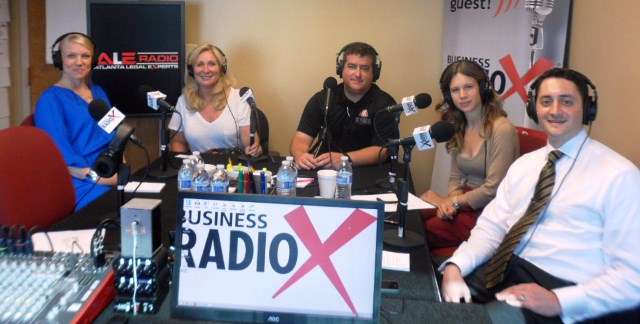
Mike Sammond, Marvin Austin, George Davis, George Colmant

George Davis/Netcom PaySystems

Netcom PaySystem goes a step beyond most payment service companies by providing the most in-depth and comprehensive payment solutions in the industry along with exemplary customer service. Since 1987, Netcom PaySystem has been on the cutting edge and has branded the following payment solutions to suit your client’s needs. Netcom PaySystem’s attrition rate is one of the lowest, if not the lowest in the industry. Netcom PaySystem can proudly boast that only 2-4% of their clients ever leave them, and out of that, close to 50% return within the first year. Netcom PaySystem prides itself on being as eager to practice good, old-fashioned customer care as it is to pioneer new products. Netcom PaySystem is proud to provide the most up to date and innovative products such as m-Commerce Mobile Solutions, ISV/SDK and Virtual Terminal solutions. In addition, the company offers the merchant access to POS Systems, eCommerce, ACH Check Services, Check Guarantee, Recurring Billing, Check21, BOC, Credit and Debit Card Processing, Gift and Loyalty Cards, and Merchant Working Capital.

Marvin Austin/SuperGreen Solutions

SuperGreen is Georgia’s first energy efficiency store. They provide complete turnkey energy efficient and renewable products and solutions for all of your business, commercial and residential energy needs. Their expert knowledge, uncompromising customer service and quality installations speak for themselves. Their portfolio includes Indow Windows, Solar Panels, LED Lighting, Water Heaters, Air Purification, Water Efficiency, Insulation, Energy Management, Electric Charging Stations and more.

George Colmant/Points North Atlanta Magazine

Since May of 2000, Points North Atlanta has served as the most popular lifestyle magazine exclusively serving the Northside communities of Atlanta. Every month, Points North continues to feature local personalities, travel destinations, local and regional events, fashion, health, dining and shopping options.


Tagged With: credit card program, dining, energy efficient, George Colmant, George Davis, green, green ideas, lifestyle, lighting, local, Marvin Austin, merchant services, Mike Sammond, Netcom PaySystems, North Fulton Business Radio, Points North Atlanta Magazine, Roswell Infiniti, shopping, solar energy, SuperGreen Solutions

Alcohol Administrative & Regulatory Law

June 17, 2014 by angishields

BRX National
BRX National
Alcohol Administrative & Regulatory Law
Loading
00:00 /
RSS Feed
Share
Link
Embed

Download file


Emily Rowell (Host), Eleanor Benson, Tommy Williams, Nancy Palmer, Taylor Harper

Taylor HarperTaylor Harper/Taylor, Feil, Harper, Lumsden & Hess, P.C.

Taylor Harper with Taylor, Feil, Harper, Lumsden & Hess, P.C.  Mr. Harper’s practice involves all aspects of commercial litigation, including contract disputes, restrictive covenants, trade secrets, business torts, insurance coverage, landlord/tenant issues, premises liability claims, secured transactions and real estate litigation.  His firm has a heavy focus on the hospitality and beverage alcohol industries. Specifically, Mr. Harper assists breweries, wineries, distilleries, importers, brokers, wholesalers, hotels, restaurants, package stores, and others in beverage alcohol administrative and regulatory matters at the federal, state, and local levels.

Mr. Harper graduated from Georgia State University College of Law where he was a member of the Moot Court Board as well as the Student Trial Lawyers Association.  During law school, Mr. Harper received several accolades including the Honors Award for Excellence in Litigation, the Nai Award for Achievement in Advanced Evidence, the C.A.L.I. Award for Excellence in Advanced Evidence, the Weltner Inn of Court Star Pupil Award and Scholarship, and the Patrick Wiseman Award for Most Dedicated Moot Court Member.  Additionally, during his second year of law school, Mr. Harper was chosen as one of seventy-five students nationwide to participate in the United States Army JAG Corps Internship Program.  Mr. Harper earned his undergraduate degree in Political Science and International Affairs from Georgia State University where he was graduated with honors.

When not lawyering, he serves as president and chairman of Maji Mazuri USA, Inc., a non-profit organization which raises funds to support projects based in Nairobi, Kenya. He is also a member of the Rotary Club of Buckhead, and he serves on the City of Dunwoody Board of Ethics. Mostly, though, he enjoys spending time with his wife and son and their two labs.

Website     Twitter     LinkedIn     Facebook     AVVO


nancy palmerNancy Palmer/GA Craft Brewers Guild

Nancy is the Vice President of the Georgia Craft Brewers Guild  and the founder and president of Cork & Key beverage consulting company. Founded in 2010, the Guild is organized to promote, protect and further, in every lawful manner, the common interests of the members and the licensed brewing industry in Georgia.  Nancy Palmer is a perennial student of the beverage industry, having spent a decade exploring all facets of the business.  Though she’s concentrated on wine for most of her career, she’s found tremendous pleasure in learning about both beer and spirits.  Her favorite aspect of the business is certainly education – she enjoys making the complicated and often intimidating world of high-end beverage accessible and interesting for anyone with any background.

Nancy’s career began while working for Five Points Bottle Shop in Athens, Georgia. After graduating from the University of Georgia she worked at several establishments not only waitressing and bartending, but also conducting many wine classes at area restaurants.  She then went on to become the wine buyer for Athens’ largest volume package store, Five Points Bottle Shop West. After a very successful stint there, she moved on to try her hand at the distribution side of the beverage business. She worked for Avant Partir representing the best international wine portfolio in the state and became familiar with the best restaurants and shops throughout Georgia and South Carolina.

Website      Twitter      Facebook


IDCTommy Williams/Independent Distilling Company, LLC

Tommy Williams is the Chief Operating Officer of Independent Distilling Company, LLC located in Decatur, GA. IDC is the first legal distillery in the Metro Atlanta Area since Prohibition. Along with his business partner Michael Anderson they are focusing on whiskey and rum at the moment and have begun shipping to their distributor for introduction into the market. The first product they are selling is Hellbender a copper pot distilled corn whiskey, the Rum will be available later this summer.

Website     Facebook


EleanorEleanor R Benson/Moondog Growlers

A lawyer by training, Eleanor became interested in craft beer back in law school when craft beer meant only Anchor Steam, Sierra Nevada & Sam Adams. Twenty years later – she had the opportunity to enter the craft beer business as the co-owner of Moondog Growlers. With three locations and over 100 taps – she is keenly aware of the changes in the craft beer industry as well as the challenges facing brewers and retailers of craft brews.  Her love of special beer began way back in the late 80’s while attending GSU law school. Her study group was made up of her beer tasting buddies (fortunately), and together—between bar review sessions—they blind-tasted an array of types and styles of beer (little did she know back then that she was preparing for a career that’s a far cry from practicing law). Eleanor has enjoyed successful careers in law, marketing, and interior design, so she jumped at the chance to combine her background and creativity with one of her favorite hobbies – craft beer.

Website    Twitter      Facebook


Tagged With: craft beer, Crowne Office Suites, Dekalb, Eleanor Benson, Emily Rowell, Experts, Feil, Georgia Craft Brewers Guild, Harper, Independent Distilling Company, Lawyers, Legal, local, Lumsden & Hess, Moondog Growlers, Nancy Palmer, PC, Rich Casanova, Taylor, Taylor Harper, Tommy Williams

Business RadioX ® Network


Our Most Recent Episode

CONNECT WITH US

  • Email
  • Facebook
  • LinkedIn
  • Twitter
  • YouTube

Our Mission

We help local business leaders get the word out about the important work they’re doing to serve their market, their community, and their profession.

We support and celebrate business by sharing positive business stories that traditional media ignores. Some media leans left. Some media leans right. We lean business.

Sponsor a Show

Build Relationships and Grow Your Business. Click here for more details.

Partner With Us

Discover More Here

Terms and Conditions
Privacy Policy

Connect with us

Want to keep up with the latest in pro-business news across the network? Follow us on social media for the latest stories!
  • Email
  • Facebook
  • Google+
  • LinkedIn
  • Twitter
  • YouTube

Business RadioX® Headquarters
1000 Abernathy Rd. NE
Building 400, Suite L-10
Sandy Springs, GA 30328

© 2025 Business RadioX ® · Rainmaker Platform

BRXStudioCoversLA

Wait! Don’t Miss an Episode of LA Business Radio

BRXStudioCoversDENVER

Wait! Don’t Miss an Episode of Denver Business Radio

BRXStudioCoversPENSACOLA

Wait! Don’t Miss an Episode of Pensacola Business Radio

BRXStudioCoversBIRMINGHAM

Wait! Don’t Miss an Episode of Birmingham Business Radio

BRXStudioCoversTALLAHASSEE

Wait! Don’t Miss an Episode of Tallahassee Business Radio

BRXStudioCoversRALEIGH

Wait! Don’t Miss an Episode of Raleigh Business Radio

BRXStudioCoversRICHMONDNoWhite

Wait! Don’t Miss an Episode of Richmond Business Radio

BRXStudioCoversNASHVILLENoWhite

Wait! Don’t Miss an Episode of Nashville Business Radio

BRXStudioCoversDETROIT

Wait! Don’t Miss an Episode of Detroit Business Radio

BRXStudioCoversSTLOUIS

Wait! Don’t Miss an Episode of St. Louis Business Radio

BRXStudioCoversCOLUMBUS-small

Wait! Don’t Miss an Episode of Columbus Business Radio

Coachthecoach-08-08

Wait! Don’t Miss an Episode of Coach the Coach

BRXStudioCoversBAYAREA

Wait! Don’t Miss an Episode of Bay Area Business Radio

BRXStudioCoversCHICAGO

Wait! Don’t Miss an Episode of Chicago Business Radio

Wait! Don’t Miss an Episode of Atlanta Business Radio