Business RadioX ®

  • Home
  • Business RadioX ® Communities
    • Southeast
      • Alabama
        • Birmingham
      • Florida
        • Orlando
        • Pensacola
        • South Florida
        • Tampa
        • Tallahassee
      • Georgia
        • Atlanta
        • Cherokee
        • Forsyth
        • Greater Perimeter
        • Gwinnett
        • North Fulton
        • North Georgia
        • Northeast Georgia
        • Rome
        • Savannah
      • Louisiana
        • New Orleans
      • North Carolina
        • Charlotte
        • Raleigh
      • Tennessee
        • Chattanooga
        • Nashville
      • Virginia
        • Richmond
    • South Central
      • Arkansas
        • Northwest Arkansas
    • Midwest
      • Illinois
        • Chicago
      • Michigan
        • Detroit
      • Minnesota
        • Minneapolis St. Paul
      • Missouri
        • St. Louis
      • Ohio
        • Cleveland
        • Columbus
        • Dayton
    • Southwest
      • Arizona
        • Phoenix
        • Tucson
        • Valley
      • Texas
        • Austin
        • Dallas
        • Houston
    • West
      • California
        • Bay Area
        • LA
        • Pasadena
      • Colorado
        • Denver
      • Hawaii
        • Oahu
  • FAQs
  • About Us
    • Our Mission
    • Our Audience
    • Why It Works
    • What People Are Saying
    • BRX in the News
  • Resources
    • BRX Pro Tips
    • B2B Marketing: The 4Rs
    • High Velocity Selling Habits
    • Why Most B2B Media Strategies Fail
    • 9 Reasons To Sponsor A Business RadioX ® Show
  • Partner With Us
  • Veteran Business RadioX ®

Monkeypox

June 22, 2022 by John Ray

Monkeypox
North Fulton Studio
Monkeypox
Loading
00:00 /
RSS Feed
Share
Link
Embed

Download file

Monkeypox

Monkeypox (Episode 76, To Your Health with Dr. Jim Morrow)

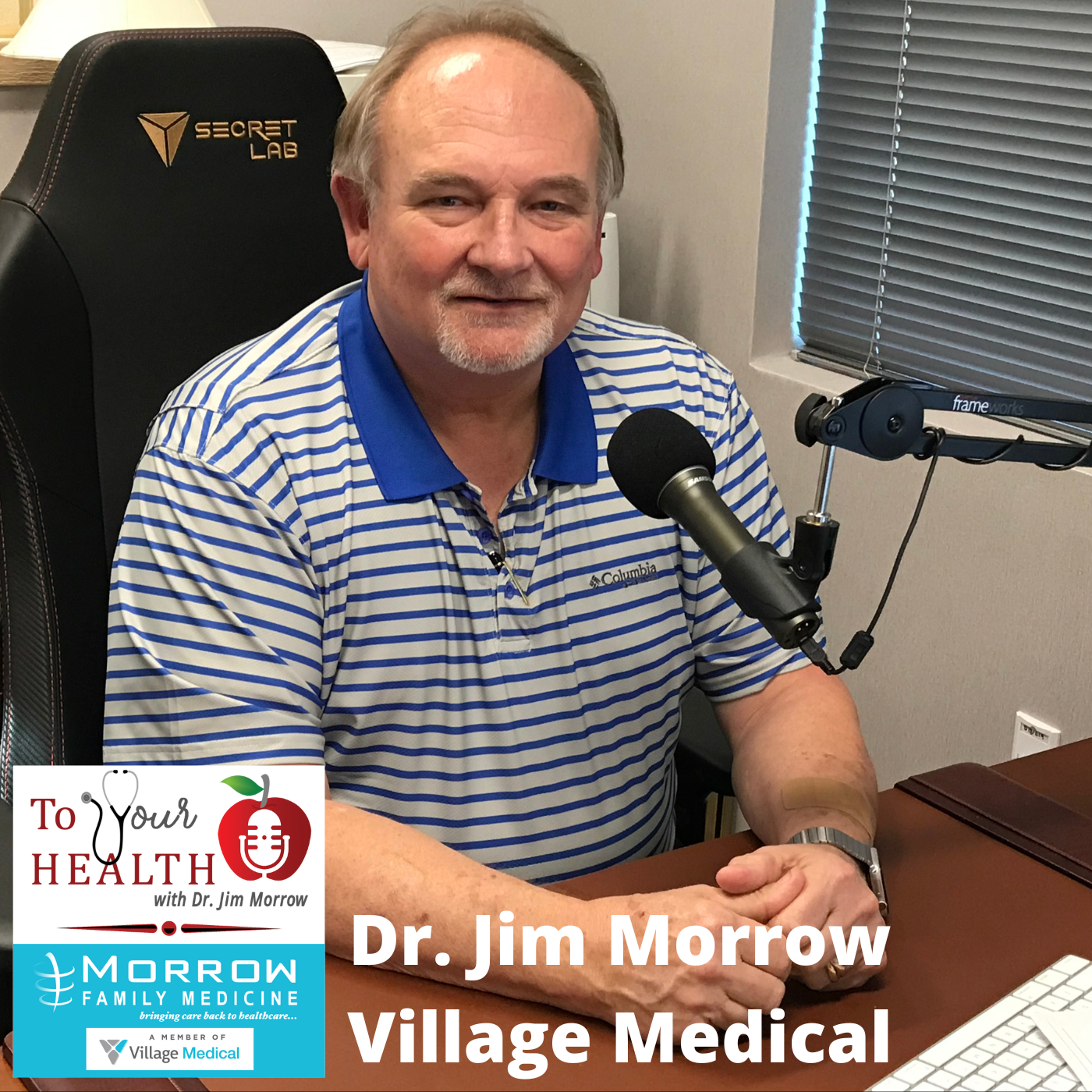
Host Dr. Jim Morrow with Village Medical discussed monkeypox on this episode of To Your Health. After a brief update on COVID-19, Dr.Morrow covered monkeypox’s similarities to smallpox and chickenpox, where it originated, its symptoms and complications, treatment, and much more.

To Your Health is brought to you by Village Medical (formerly Morrow Family Medicine), which brings the care back to healthcare.

About Village Medical (formerly Morrow Family Medicine)

Village Medical, formerly Morrow Family Medicine, is an award-winning, state-of-the-art family practice with offices in Cumming and Milton, Georgia. The practice combines healthcare information technology with old-fashioned care to provide the type of care that many are in search of today. Two physicians, three physician assistants and two nurse practitioners are supported by a knowledgeable and friendly staff to make your visit to Village Medical one that will remind you of the way healthcare should be.  At Village Medical, we like to say we are “bringing the care back to healthcare!”  The practice has been named the “Best of Forsyth” in Family Medicine in all five years of the award, is a three-time consecutive winner of the “Best of North Atlanta” by readers of Appen Media, and the 2019 winner of “Best of Life” in North Fulton County.

Village Medical offers a comprehensive suite of primary care services including preventative care, treatment for illness and injury, and management of chronic conditions such as diabetes, congestive heart failure, chronic obstructive pulmonary disease (COPD) and kidney disease. Atlanta-area patients can learn more about the practice here.

Dr. Jim Morrow, Village Medical, and Host of To Your Health with Dr. Jim Morrow

Covid-19 misconceptionsDr. Jim Morrow is the founder of Morrow Family Medicine. He has been a trailblazer and evangelist in healthcare information technology, was named Physician IT Leader of the Year by HIMSS, a HIMSS Davies Award Winner, the Cumming-Forsyth Chamber of Commerce Steve Bloom Award Winner as Entrepreneur of the Year and he received a Phoenix Award as Community Leader of the Year from the Metro Atlanta Chamber of Commerce.  He is married to Peggie Morrow and together they founded the Forsyth BYOT Benefit, a charity in Forsyth County to support students in need of technology and devices. They have two Goldendoodles, a gaggle of grandchildren and enjoy life on and around Lake Lanier.

Facebook | LinkedIn | Twitter

The complete show archive of To Your Health with Dr. Jim Morrow addresses a wide range of health and wellness topics.

Dr. Morrow’s Show Notes

Monkeypox

  • An ongoing outbreak of monkeypox was confirmed in May 2022,
    • beginning with a cluster of cases found in the United Kingdom.
    • The first recognized case was confirmed on 6 May 2022 in an individual with travel links to Nigeria (where the disease is endemic),
      • but it has been suggested that cases were already spreading in Europe in the previous months.
    • From 18 May onwards, cases were reported from an increasing number of countries and regions,
      • predominantly in Europe, but also in North and South America, Asia, North Africa, and Australia. 
      • 1,033 cases had been confirmed as of 6 June.
  • The outbreak marked the first time the disease has spread widely outside Central and West Africa.
    • Cases have mainly but not exclusively been identified amongst men who have sex with men(MSM),
      • but health authorities emphasized that anyone can catch the disease, particularly if they have close contact with a symptomatic person.
      • Initial WHO assessments expressed the expectation of the outbreak to be contained,
        • and of low impact to the general population in affected countries.
      • A more recent statement acknowledged that undetected transmission had occurred for some time
        • and called for urgent action to reduce transmission.

Signs and symptoms

Monkeypox is an infectious viral disease that can occur in both humans and some other animals.

Early symptoms include

  •  fever, headache, muscle pains, shivering, backache, and feeling extremely tired.

Typically there are swollen lymph nodes behind the ear, below the jaw, in the neck or in the groin.

This is followed by a rash that forms blisters and crusts over;

  • most frequently in the mouth, on the face, hands and feet, genitals and eyes.

The time from exposure to onset of symptoms is on average 12 days; though ranges from 5-to-21 days.

  • The duration of symptoms is typically two to four weeks.
  • Cases may be severe, especially in children, pregnant women or people with suppressed immune systems.
  • Three-quarters of affected people have lesions on the palms and soles,
    • more than two-thirds in the mouth,
    • a third on the genitals and one in five have lesions in the eyes.
    • They begin as small flat spots,
      • before becoming small bumps which then fill with at first clear fluid and then yellow fluid,
        • which subsequently burst and scab over.
        • There may be a few lesions or several thousand, sometimes merging to produce large lesions.
  • In each part of the body affected,
    • the lesions evolve in the same stage.
    • It looks identical to the rash of smallpox.
      • The rash typically lasts around 10-days.
      • An affected person may remain unwell for two to four weeks.
      • After healing, the lesions may leave pale marks before becoming dark
  • Limited person-to-person spread of infection has been reported in disease-endemic areas in Africa.
  • Monkeypox may be spread
    • from handling bushmeat,
    • an animal bite or scratch,
    • body fluids,
    • contaminated objects,
    • or close contact with an infected person.
    • The virus normally circulates among certain rodents.
    • Diagnosis can be confirmed by testing a lesion for the virus’s DNA.
      • The disease can appear similar to chickenpox.
  • The smallpox vaccine can prevent infection with 85% effectiveness,
    • but smallpox vaccination stopped in most parts of the world in the late 1970s,
      • resulting in very little immunity against monkeypox.
      • In 2019, a monkeypox vaccine, Jynneos, was approved for adults in the United States.
      • The current standard for treatment is tecovirimat, an antiviral that is specifically intended to treat infections with orthopoxviruses such as smallpox and monkeypox.
      • It is approved for the treatment of monkeypox in the European Union and the United States.
        • Cidofovir or brincidofovir may also be useful.
        • Reports of the risk of death, if untreated, are as high as 10% to 11% in the Congo Basin(Central African) clade of monkeypox.
  • Monkeypox was first identified in 1958 among laboratory monkeys in Copenhagen, Denmark.
    • Monkeys are not a natural reservoir of the virus.
    • The first cases in humans were found in 1970 in the Democratic Republic of the Congo.
    • An outbreak that occurred in the United States in 2003 was traced to a pet store where rodents imported from Ghana were sold.
      • The 2022 monkeypox outbreak represents the first incidence of widespread community transmission outside of Africa,
        • which began in the United Kingdom in May 2022,
        • with subsequent cases confirmed in at least 20 countries, in Europe, North America, South America, Asia, North Africa, and Australia

Complications

  • Complications include secondary infections, pneumonia, sepsis, encephalitis, and loss of vision if severe eye infection.
    • If infection occurs during pregnancy, stillbirth or birth defects may occur.
    • The disease may be milder in people vaccinated against smallpox in childhood.

Causes

  • Monkeypox in both humans and animals is caused by infection with the monkeypox virus– a double-stranded DNA virus.
    • The virus is found mainly in tropical rainforest regions of Central and West Africa.
    • The virus is split into Congo Basin and West African clades, matching the geographical areas.
  • Most human cases of monkeypox are acquired from an infected animal,
    • though the route of transmission remains unknown.
    • The virus is thought to enter the body through broken skin, the respiratory tract, or the mucous membranes of the eyes, nose, or mouth.
    • Once a human is infected, transmission to other humans is common, with family members and hospital staff at particularly high risk of infection.
  • Human-to-human transmission is thought to occur primarily through close contact with an infected subject.
    • There are indications that transmission occurs during sexual intercourse.
  • Monkeypox symptoms tend to begin 5 to 21 days after infection.

Prevention

  • Vaccination against smallpox is assumed to provide protection against human monkeypox infection
    • because they are closely related viruses
      • and the vaccine protects animals from experimental lethal monkeypox challenges.
      • This has not been conclusively demonstrated in humans because routine smallpox vaccination was discontinued following the eradication of smallpox.

Treatment

  • In the European Union and the United States, tecovirimat is approved for the treatment of several poxviruses, including monkeypox.
    • Best Practice recommends tecovirimat or the smallpox treatment brincidofovir as the first line antiviral treatment if required,

      • alongside supportive care(including antipyretic, fluid balance and oxygenation).
      • Empirical antibiotic therapy or aciclovir may be used if secondary bacterial or varicella-zoster infection is suspected, respectively.

Tagged With: chickenpox, coronavirus, COVID-19, Dr. Jim Morrow, monkeypox, nigeria, smallpox, To Your Health, United Kingdom, vaccinations, Village Medical

To Your Health With Dr. Jim Morrow: Episode 20, Infections and Antibiotic Resistance

November 15, 2019 by John Ray

North Fulton Studio
North Fulton Studio
To Your Health With Dr. Jim Morrow: Episode 20, Infections and Antibiotic Resistance
Loading
00:00 /
RSS Feed
Share
Link
Embed

Download file

To Your Health With Dr. Jim Morrow: Episode 20, Infections and Antibiotic Resistance

In this edition of “To Your Health with Dr. Jim Morrow,” Dr. Morrow discusses infections, germ-resistant bacteria, antibiotic resistance, and how you should protect yourself and your family. “To Your Health” is brought to you by Morrow Family Medicine, which brings the CARE  back to healthcare.

About Morrow Family Medicine and Dr. Jim Morrow

Morrow Family Medicine is an award-winning, state-of-the-art family practice with offices in Cumming and Milton, Georgia. The practice combines healthcare information technology with old-fashioned care to provide the type of care that many are in search of today. Two physicians, three physician assistants and two nurse practitioners are supported by a knowledgeable and friendly staff to make your visit to Morrow Family Medicine one that will remind you of the way healthcare should be.  At Morrow Family Medicine, we like to say we are “bringing the care back to healthcare!”  Morrow Family Medicine has been named the “Best of Forsyth” in Family Medicine in all five years of the award, is a three-time consecutive winner of the “Best of North Atlanta” by readers of Appen Media, and the 2019 winner of “Best of Life” in North Fulton County.

Dr. Jim Morrow, Morrow Family Medicine, and Host of “To Your Health With Dr. Jim Morrow”

Dr. Jim Morrow, Morrow Family Medicine, and Host of “To Your Health With Dr. Jim Morrow”

Dr. Jim Morrow is the founder and CEO of Morrow Family Medicine. He has been a trailblazer and evangelist in the area of healthcare information technology, was named Physician IT Leader of the Year by HIMSS, a HIMSS Davies Award Winner, the Cumming-Forsyth Chamber of Commerce Steve Bloom Award Winner as Entrepreneur of the Year and he received a Phoenix Award as Community Leader of the Year from the Metro Atlanta Chamber of Commerce.  He is married to Peggie Morrow and together they founded the Forsyth BYOT Benefit, a charity in Forsyth County to support students in need of technology and devices. They have two Goldendoodles, a gaggle of grandchildren and enjoy life on and around Lake Lanier.

Facebook: https://www.facebook.com/MorrowFamMed/

LinkedIn: https://www.linkedin.com/company/7788088/admin/

Twitter: https://twitter.com/toyourhealthMD

Dr. Morrow’s Show Notes

Antibiotic Resistance 

  • Antibiotic resistance is one of the most serious public health problems in the United States and threatens to return us to the time when simple infections were often fatal.
  • Antibiotic resistance is a national priority, and the U.S. government has taken ambitious steps to fight this threat.
    • For example, it established a  National Strategy and an accompanying National Action Plan.
  • Federal agencies are working together to:
    • Respond to new and ongoing public health threats
    • Strengthen detection of resistance
    • Enhance efforts to slow the emergence and spread of resistance
    • Improve antibiotic use and reporting
    • Advance development of rapid diagnostics
    • Enhance infection control measures
    • Accelerate research on new antibiotics and antibiotic alternatives
  • CDC is working to improve antibiotic prescribing and use in human health care, and educate patients about the importance of appropriate use.
  • When we optimize how we use and prescribe these drugs, we protect patients from harm and combat antibiotic resistance.
  • Antibiotic resistance has the potential to affect people at any stage of life, as well as the healthcare, veterinary, and agriculture industries, making it one of the world’s most urgent public health problems.
  • Each year in the U.S., at least 2 million people are infected with antibiotic-resistant bacteria, and at least 23,000 people die as a result.
  • No one can completely avoid the risk of resistant infections, but some people are at greater risk than others (for example, people with chronic illnesses). If antibiotics lose their effectiveness, then we lose the ability to treat infections and control public health threats.
  • Many medical advances are dependent on the ability to fight infections using antibiotics, including joint replacements, organ transplants, cancer therapy, and treatment of chronic diseases like diabetes, asthma, and rheumatoid arthritis.

Brief History of Resistance and Antibiotics

  • Penicillin, the first commercialized antibiotic, was discovered in 1928 by Alexander Fleming.
    • Ever since, there has been discovery and acknowledgement of resistance alongside the discovery of new antibiotics.
    • In fact, germs will always look for ways to survive and resist new drugs.
    • More and more, germs are sharing their resistance with one another, making it harder for us to keep up.

Germ Defense Strategies

  • To survive, germs are constantly finding new defense strategies, called “resistance mechanisms,” to avoid the effects of antibiotics.
    • Bacteria develop resistance mechanisms by using instructions provided by their DNA.
    • Often, resistance genes are found within plasmids, small pieces of DNA that carry genetic instructions from one germ to another.
    • This means that some bacteria can share their DNA and make other germs become resistant.

What Can You Do?

  • Ask Questions and Speak Up
    • Talk to your healthcare providers about questions or worries you have.
    • For example, at a doctor’s office:
      • What can I do to prevent infections?
      • What do I need to know about the antibiotics you’re prescribing?
    • At a healthcare facility, like a hospital or nursing home:
      • What do you do to prevent infections?
      • What test will be done to make sure I’m getting the right antibiotic?
      • What are you doing to prevent a drug-resistant or  difficile(life-threatening diarrhea) infection?
      • Do I still need my medical device (for example, catheter)?
    • Also ask your healthcare provider about cleaning their hands before touching you, such as:
      • “Would you mind cleaning your hands before you examine me?”
      • “I’m worried about germs. Will you please clean your hands once more before you start my treatment?”
    • Clean Your Hands
      • Regular hand cleaning is one of the best ways to remove germs, avoid getting sick, and prevent spreading germs.
    • Recognize Early Symptoms of Infection
      • Tell your doctor if you think you have an infection, or if your infection is not getting better or is getting worse. Some infections, like skin infections, appear as redness, pain, or drainage at an IV catheter site or surgery site. Symptoms of a  difficileinfection include severe diarrhea, loss of appetite, abdominal pain/tenderness, and nausea. Often these symptoms come with a fever.
    • Remember Pets Share Germs
      • Sometimes animals, including pets, carry germs that can make people sick.
      • Wash your hands thoroughly with soap and water after:
      • Touching animals or anywhere animals live
      • Handling pet food
      • Cleaning up after pets or livestock
    • Sepsis is a medical emergency.
      • Sepsis is the body’s life-threatening response to an infection.
      • Visit Get Ahead of Sepsis for more information on how you can protect yourself.
    • What is resistant—my body or the germ?
      • Antibiotic resistance does not mean our body is resistant to antibiotics; it means that the bacteria or fungus are resistant to the antibiotics designed to kill them.
    • Get Vaccinated
      • Vaccination is one of the best ways to prevent illnesses.
      • Every year, thousands of Americans get sick from diseases that could be prevented by vaccines.
      • Talk to your child’s healthcare provider about recommended vaccines, and learn more about vaccines recommended for all ages.
    • Prepare Food Safely
      • Bacteria in food can make you sick, and these infections can be caused by drug-resistant germs.
      • Learn about food safety and follow four simple steps at home—clean, separate, cook, and chill—to help protect you and your family from foodborne infections.
    • Protect Yourself from Gonorrhea
      • Gonorrhea, a common sexually transmitted disease (STD), is becoming harder to treat due to increasing drug resistance.
      • If you are diagnosed with gonorrhea and your symptoms continue for more than a few days after receiving treatment, then return to a healthcare provider to be checked again.

Urgent Threats:

  • Clostridioides difficile
    • Type: Bacteria
    • Also known as: C. difficile or C. diff, previously Clostridium difficile
    • difficile causes life-threatening diarrhea and colitis (an inflammation of the colon), mostly in people who have had both recent medical care and antibiotics
    • Infections per year: 500,000*
    • Deaths per year: 15,000*
  • Carbapenem-resistant Enterobacteriaceae (CRE)
    • Type: Bacteria
    • Also known as: Nightmare bacteria
    • Some Enterobacteriaceae (a family of germs) are resistant to nearly all antibiotics, including carbapenems, which are often considered the antibiotics of last resort
    • Drug-resistant infections per year: 9,000
    • Deaths per year: 600
  • Drug-resistant Neisseria gonorrhoeae
    • Type: Bacteria
    • gonorrhoeae causes the sexually transmitted disease gonorrhea, and has progressively developed resistance to the antibiotic drugs prescribed to treat it
    • Infections per year: 246,000

Here are seven facts you should know to be antibiotics aware:

  • Antibiotics save lives.
    • When a patient needs antibiotics, the benefits outweigh the risks of side effects or antibiotic resistance.
  • Antibiotics aren’t always the answer.
  • Antibiotics do not work on viruses, such as colds and flu, or runny noses, even if the mucus is thick, yellow or green.
  • Antibiotics are only needed for treating certain infections caused by bacteria.
  • An antibiotic will not make you feel better if you have a virus.
    • Respiratory viruses usually go away in a week or two without treatment.
    • Ask your doctor about the best way to feel better while your body fights off the virus.
  • Taking antibiotics creates resistant bacteria.
    • Antibiotic resistance occurs when bacteria develop the ability to defeat the drugs designed to kill them.
    • Each year in the United States, at least 2 million peopleget infected with antibiotic-resistant bacteria.
      • At least 23,000 peopledie as a result.
    • If you need antibiotics, take them exactly as prescribed.
      • Talk with your doctor if you have any questions about your antibiotics, or if you develop any side effects, especially diarrhea, since that could be a difficile (c. diff) infection which needs to be treated right away.

Information courtesy of www.cdc.gov

Tagged With: Cumming doctor, Cumming family care, Cumming family doctor, Cumming family medicine, Cumming family physician, Cumming family practice, Cumming md, Cumming physician, Dr. Jim Morrow, infections, Milton doctor, Milton family care, Milton family doctor, Milton family medicine, Milton family physician, Milton family practice, Milton md, Milton physician, Morrow Family Medicine, sepsis, sinus infections, vaccinations

To Your Health With Dr. Jim Morrow: Episode 12, The Case to Vaccinate

July 10, 2019 by John Ray

North Fulton Studio
North Fulton Studio
To Your Health With Dr. Jim Morrow: Episode 12, The Case to Vaccinate
Loading
00:00 /
RSS Feed
Share
Link
Embed

Download file

Dr. Jim Morrow, Host, “To Your Health With Dr. Jim Morrow”

Episode 12, The Case to Vaccinate

On this edition of “To Your Health With Dr. Jim Morrow,” Dr. Jim Morrow makes the case to vaccinate, arguing that vaccines are safe, necessary, and they work. The fears “non-vaxxers” have on the side effects of vaccines are not based in any proven scientific evidence. “To Your Health” is brought to you by Morrow Family Medicine, which brings the CARE back to healthcare.

About Morrow Family Medicine and Dr. Jim Morrow

Morrow Family Medicine is an award-winning, state-of-the-art family practice with offices in Cumming and Milton, Georgia. The practice combines healthcare information technology with old-fashioned care to provide the type of care that many are in search of today. Two physicians, three physician assistants and two nurse practitioners are supported by a knowledgeable and friendly staff to make your visit to Morrow Family Medicine one that will remind you of the way healthcare should be.  At Morrow Family Medicine, we like to say we are “bringing the care back to healthcare!”  Morrow Family Medicine has been named the “Best of Forsyth” in Family Medicine in all five years of the award, is a three-time consecutive winner of the “Best of North Atlanta” by readers of Appen Media, and the 2019 winner of “Best of Life” in North Fulton County.

Dr. Jim Morrow, Morrow Family Medicine, and Host of “To Your Health With Dr. Jim Morrow”

Dr. Jim Morrow, Morrow Family Medicine, and Host of “To Your Health With Dr. Jim Morrow”

Dr. Jim Morrow is the founder and CEO of Morrow Family Medicine. He has been a trailblazer and evangelist in the area of healthcare information technology, was named Physician IT Leader of the Year by HIMSS, a HIMSS Davies Award Winner, the Cumming-Forsyth Chamber of Commerce Steve Bloom Award Winner as Entrepreneur of the Year and he received a Phoenix Award as Community Leader of the Year from the Metro Atlanta Chamber of Commerce.  He is married to Peggie Morrow and together they founded the Forsyth BYOT Benefit, a charity in Forsyth County to support students in need of technology and devices. They have two Goldendoodles, a gaggle of grandchildren and enjoy life on and around Lake Lanier.

Facebook: https://www.facebook.com/MorrowFamMed/

LinkedIn: https://www.linkedin.com/company/7788088/admin/

Twitter: https://twitter.com/toyourhealthMD

Dr. Morrow’s Show Notes

History of Vaccines

  • Edward Jenner used cowpox material to create a vaccine for smallpox in humans in 1796.
  • Louis Pasteur created a rabies vaccine for humans in 1885
  • And then, at the dawn of bacteriology, developments rapidly followed.
    • Antitoxins and vaccines against diphtheria, tetanus, anthrax, cholera, plague, typhoid, tuberculosis, and more were developed through the 1930s.
  • The middle of the 20thcentury was an active time for vaccine research and development.
    • Methods for growing viruses in the laboratory led to rapid discoveries and innovations, including the creation of vaccines for polio.
    • Researchers targeted other common childhood diseases such as measles, mumps, and rubella, and vaccines for these diseases reduced the disease burden greatly.
  • Innovative techniques now drive vaccine research, with recombinant DNA technology and new delivery techniques leading scientists in new directions.

Measles Has Been All Over The News

  • Measles Cases in 2019
    • From January 1 to June 27, 2019, 1,095** individual cases of measles have been confirmed in 28 states. This is an increase of 18 cases from the previous week. This is the greatest number of cases reported in the U.S. since 1992 and since measles was declared eliminated in 2000.
  • Why The Spread of Measles?
    • The majority of people who got measles were unvaccinated.
    • Measles is still common in many parts of the world.
    • Travelers with measles continue to bring the disease into the U.S.
    • Measles can spread when it reaches a community in the U.S. where groups of people are unvaccinated.

Common Misconceptions About Vaccines

  • “Diseases had already begun to disappear before vaccines were introduced, because of better hygiene and sanitation”.
    • Statements like this are very common with the anti-vaccine crowd, the intent apparently being to suggest that vaccines are not needed.
      • Improved socioeconomic conditions have undoubtedly had an indirect impact on disease.
      • Better nutrition, not to mention the development of antibiotics and other treatments, have increased survival rates among the sick; less crowded living conditions have reduced disease transmission; and lower birth rates have decreased the number of susceptible household contacts.
      • But looking at the actual incidence of disease over the years can leave little doubt of the significant direct impact vaccines have had, even in modern times.
  • For example, there have been periodic peaks and valleys throughout the years, but the real, permanent drop in measles coincided with the licensure and wide use of measles vaccine beginning in 1963.
  • Other vaccine-preventable diseases show a roughly similar pattern in incidence, with all except hepatitis B showing a significant drop in cases corresponding with the advent of vaccine use. (The incidence of hepatitis B has not dropped as much because infants vaccinated in routine programs will not be at high risk of disease until they are at least teenagers. Therefore a 15-year lag can be expected between the start of routine infant vaccination and a significant drop in disease incidence.)
  • Haemophilus influenzae type b (Hib) vaccine is another good example, because Hib disease was prevalent until the early- to mid- 1990s, when conjugate vaccines that can be used for infants were finally developed.
  • Are we expected to believe that better sanitation caused the incidence of each disease to drop just at the time a vaccine for that disease was introduced?
    • Since sanitation is not better now than it was in 1990, it is hard to attribute the virtual disappearance of Hib disease in children in recent years in countries with routine Hib vaccination (from an estimated 20,000 cases a year to 1,419 cases in 1993, and dropping in the United States of America) to anything other than the vaccine.
  • We can look at the experiences of several developed countries after they allowed their immunization levels to drop.
    • Three countries —Great Britain, Sweden and Japan — cut back the use of pertussis (whooping cough) vaccine because of fear about the vaccine.
    • The effect was dramatic and immediate.
      • In Great Britain, a drop in pertussis vaccination in 1974 was followed by an epidemic of more than 100,000 cases of pertussis and 36 deaths by 1978.
      • In Japan, around the same time, a drop in vaccination rates from 70% to 20%-40% led to a jump in pertussis from 393 cases and no deaths in 1974 to 13,000 cases and 41 deaths in 1979.
      • In Sweden, the annual incidence rate of pertussis per 100,000 children of 0-6 years of age increased from 700 cases in 1981 to 3,200 in 1985.
  • It seems clear from these experiences that not only would diseases not be disappearing without vaccines, but if we were to stop vaccinating, they would come back.
    • Of immediate interest is the major epidemics of diphtheria that occurred in the former Soviet Union in the 1990s, where low primary immunization rates for children and the lack of booster vaccinations for adults resulted in an increase from 839 cases in 1989 to nearly 50,000 cases and 1,700 deaths in 1994.
    • There were at least 20 imported cases in Europe and two cases in U.S. citizens who had worked in the former Soviet Union.
  • Here’s another thing you should know about vaccines. Older adults need them too.
    • Here’s why:
      • As we age, our immune system weakens. Older adults are more likely to be infected and develop complications from vaccine-preventable diseases.
      • Immunity from some vaccines can decrease over time, which means booster doses are necessary to maintain protection. Also, some bacteria or viruses change over time; this makes some annual vaccinations necessary.
      • Older adults are more likely to have a chronic condition, which can increase the risk of diseases such as influenza. Skipping a vaccine can have serious health consequences.

 Vaccine Safety: The Facts

  • ​​Many people have expressed concerns about vaccine safety.
    • The fact is vaccines save lives and protect against the spread of disease.
    • If you decide not to immunize, you’re not only putting your child at risk to catch a disease that is dangerous or deadly but also putting others in contact with your child at risk. Getting vaccinated is much better than getting the disease.
    • Indeed, some of the most devastating diseases that affect children have been greatly reduced or eradicated completely thanks to vaccination.
    • Today, we protect children and teens from 16 diseases that can have a terrible effect on their young victims if left unvaccinated.
  • Your healthcare provider knows that you care about your child’s health and safety. That’s why you need to get all the scientific facts from a medical professional you can trust before making any decisions based on stories you may have seen or heard on TV, the Internet, or from other parents.
  • Vaccines work.
    • They have kept children healthy and have saved millions of lives for more than 50 years.
    • Most childhood vaccines are 90% to 99% effective in preventing disease.
    • And if a vaccinated child does get the disease, the symptoms are usually less serious than in a child who hasn’t been vaccinated.
    • There may be mild side effects, like swelling where the shot was given, but they do not last long. And it is rare for side effects to be serious.
  • Vaccines are safe.
    • Before a vaccine is licensed in the United States, the Food and Drug Administration (FDA) reviews all aspects of development, including where and how the vaccine is made and the studies that have been conducted in people who received the vaccine.
    • The FDA will not license a vaccine unless it meets standards for effectiveness (how well the vaccine works) and safety.
    • Results of studies get reviewed again by the Centers for Disease Control and Prevention (CDC), the American Academy of Pediatrics, and the American Academy of Family Physicians before a licensed vaccine is officially recommended to be given to children.
    • Every lot of vaccine is tested to ensure quality (including safety) before the vaccine reaches the public. In addition, FDA regularly inspects places where vaccines are made.
  • Vaccines are necessary.
    • Your doctor believes that your children should receive all recommended childhood vaccines.
    • In the United States vaccines have protected children and continue to protect children from many diseases.
    • However, in many parts of the world many vaccine-preventable diseases that are rarely seen in the United States are still common.
    • Since some vaccine-preventable diseases still occur in the United States and others may be brought into the United States by Americans who travel abroad or from people visiting areas with current disease outbreaks, it’s important that your children are vaccinated.
  • Vaccines are studied.
    • To monitor the safety of vaccines after licensure, the FDA and the CDC created the Vaccine Adverse Event Reporting System (VAERS).
    • All doctors must report certain side effects of vaccines to VAERS. Parents can also file reports with VAERS.
  • Some parents are requesting that we space out their infant’s vaccinations because they are concerned that receiving multiple vaccinations at a single office visit might overwhelm the infant’s immune system.
    • Vaccine recommendations are determined after extensive studies in large clinical trials. They include studies on how vaccine recipients respond to multiple vaccines given simultaneously.
    • The overall aim is to provide early protection for infants and children against vaccine-preventable diseases that could endanger their health and life.
    • No scientific evidence exists to support that delaying vaccinations or separating them into individual antigens is beneficial for children.
    • Rather, this practice prolongs susceptibility to disease, which could result in a greater likelihood of the child becoming sick with a serious or life-threatening disease.
    • There could also be added expense (e.g., multiple office visits), additional time off from work for parents, and increased likelihood that the child will fail to get all necessary vaccinations.
  • Many patients are reading The Vaccine Book, in which the author, Dr. Bob Sears, cites studies that he interprets as showing that the amount of aluminum found in certain vaccines might be unsafe.
    • He thinks it is better to separate aluminum-containing vaccines, rather than give them according to the recommended U.S. immunization schedule. There is no science behind this.
  • Does the thimerosal in some vaccines pose a risk?
    • Thimerosal, a very effective preservative, has been used to prevent bacterial contamination in vaccine vials for more than 50 years.
    • It contains a type of mercury known as ethylmercury, which is different from the type of mercury found in fish and seafood (methylmercury). At very high levels, methylmercury can be toxic to people, especially to the neurological development of infants.
    • In recent years, several large scientific studies have determined that thimerosal in vaccines does not lead to neurologic problems, such as autism.
    • Nonetheless, because we generally try to reduce people’s exposure to mercury if at all possible, vaccine manufacturers have voluntarily changed their production methods to produce vaccines that are now free of thimerosal or have only trace amounts. They have done this because it is possible to do, not because there was any evidence that the thimerosal was harmful.
  • Some have expressed concern that some vaccines have been produced in fetal tissue.
    • The production of a few vaccines, including those for varicella, rubella, and hepatitis A, involves growing the viruses in human cell culture.
    • Two human cell lines provide the cell cultures needed for producing vaccines; these lines were developed from two legally aborted fetuses in the 1960s.
    • These cell lines are maintained to have an indefinite life span.
    • No fetal tissue has been added since the cell lines were originally created.
    • Some parents are concerned about this issue because of misinformation they have encountered on the Internet. Two such untrue statements are that ongoing abortions are needed to manufacture vaccines and vaccines are contaminated with fetal tissue.
  • The Failed Threat of Autism
    • An article linking autism to the MMR vaccine was retracted for fraud, but this misinformation persists and has caused long-lasting public health consequences.
    • Multiple studies have found no causal link between vaccination and autism, but the falsified report continues to cause parental concern.

Why Vaccinate?

  • Vaccination’s immediate benefit is individual immunity:
    • It provides long-term, sometimes lifelong protection against a disease.
      • The vaccines recommended in the early childhood immunization schedule protect children from measles, chicken pox, pneumococcal disease, and other illnesses.
      • As children grow older, additional vaccines protect them from diseases that affect adolescents and adults, as well as for diseases they may encounter during travel to other regions.
      • Travelers to certain parts of South America and Africa, for example, are required to receive the yellow fever vaccine, as the disease is still prevalent there.
  • The secondary benefit of vaccination, however, is herd immunity, also known as community immunity.
    • Herd immunity refers to the protection offered to everyone in a community by high vaccination rates.
    • With enough people immunized against a given disease, it’s difficult for the disease to gain a foothold in the community.
    • This offers some protection to those who are unable to receive vaccinations—including newborns and individuals with chronic illnesses—by reducing the likelihood of an outbreak that could expose them to the disease.
    • It also protects vaccinated individuals wh may not have been fully immunized against a disease (no vaccine is 100% effective)
  • When community vaccination rates drop below the threshold of herd immunity, widespread disease outbreaks can occur.
    • The threshold of herd immunity for polio, for example, is estimated to be between 80% and 86%;[1]if the vaccination rate drops significantly below this level, the level of community protection may not be enough to prevent the disease from spreading—primarily to those who have no prior immunity because they haven’t been vaccinated (due to chronic illnesses or vaccine refusal) or because they were vaccinated, but it was not effective.
  • This is precisely what happened in England when MMR (measles, mumps, and rubella) vaccination rates dropped.
    • Measles is extremely infectious; therefore, it has a higher herd immunity threshold than most other diseases.
    • In the late 1990s, MMR vaccination rates began to drop from more than 90% to 80% or lower—well below the level required for herd immunity against measles.
    • In response, the number of cases began to rise: while only 56 cases were confirmed in Wales and England in 1998, 1,348 were confirmed by 2008.
    • A disease whose spread in the country had been halted more than a decade prior was once again endemic.
  • Vaccination does more than just protect an individual; it protects entire communities. Sufficient vaccination levels can provide protection against disease for members of the community who would otherwise be left vulnerable.

            The best reason to vaccinate yourself or your child is, well, SCIENCE!!

Tagged With: Cumming doctor, Cumming family medicine, Cumming family physician, Cumming family practice, Cumming md, Cumming physician, Dr. Jim Morrow, ethylmercury, fda, flu vaccine, Food & Drug Administration, getting vaccinated, Haemophilus influenzae Type B vaccine, herd immunity, individual immunity, iron lung, Louis Pasteur, measles, measles vaccination, Milton doctor, Milton family doctor, Milton family physician, Milton family practice, Milton md, Morrow Family Medicine, pertussis vaccination, polio, polio vaccine, rabies vaccination, rabies vaccine, risk of autism, science of vaccinations, shingles, shingles vaccine, smallpox, smallpox vaccination, thimerosal, To Your Health, unvaccinated, vaccinations, Vaccine Adverse Event Reporting System, vaccine education, vaccine-preventable diseases, vaccines, VAERS, whooping cough vaccine

Marie Fratoni with Get Clients Everywhere, Rick Loose with Milton Park Partners, and Elizabeth Burgner with Planned PEThood of Georgia

April 7, 2016 by Mike

Gwinnett Business Radio
Marie Fratoni with Get Clients Everywhere, Rick Loose with Milton Park Partners, and Elizabeth Burgner with Planned PEThood of Georgia
Loading
00:00 /
RSS Feed
Share
Link
Embed

Download file

Mike Sammond, Marie Fratoni, Rick Loose, Elizabeth Burgner

Marie Fratoni/Get Clients Everywhere

Get Clients Everywhere provides coaching support to entrepreneurs so that they find more clients, make more money, make a greater impact, and have more fun! They work with smart, talented business owners providing coaching, training, and speaking around important entrepreneurial topics that help businesses grow.


Rick Loose/Milton Park Partners

Milton Park Partners is a staffing company providing a broad array of solutions designed to meet the needs of today’s small businesses. Their purpose is to enable the small business owner to “get on with business” by relieving executives of the many burdensome and time consuming aspects of employment from hiring to well after the employee has left the organization. Business owners and their employees can rely on Milton Park Partners to be their HR department and provide a full scope of administrative and professional HR support.

Elizabeth Burgner/Planned PEThood of Georgia

Planned PEThood of Georgia reduces the overpopulation and suffering of dogs and cats through education and low-cost spay/neuter programs and to rescue, vet and place adoptable dogs and cats into good permanent homes. Adoptable is defined as dogs and cats that pose no health or safety risk, which makes the animal unsuitable for placement as a pet.


CLICK HERE
 to watch the video of this show.


Tagged With: dental insurance, Elizabeth Burgner, employee benefits, entrepreneur, feral cats, Get Clients Everywhere, Gwinnett Business Radio, high quality pet care, insurance, Marie Fratoni, medical insurance, Mike Sammond, Milton Park Partners, neuter, pet adoption, planned pethood of ga, planned pethood of georgia, Radiox, Rick Loose, spay, spay neuter surgery, speaking, training, vaccinations

Ted Officer and Melissa Sloan with USA Health Insurance, Jody Stewart with Vaccines 2 Go and Gwynnis Mosby with Gwynnis Mosby Makeup Academy

May 1, 2015 by Mike

Business Leaders of Today
Ted Officer and Melissa Sloan with USA Health Insurance, Jody Stewart with Vaccines 2 Go and Gwynnis Mosby with Gwynnis Mosby Makeup Academy
Loading
00:00 /
RSS Feed
Share
Link
Embed

Download file

Chris Horne, Gwynnis Mosby, Jody Stewart, Ted Officer, Melissa Sloan, Tess Turrin

Ted Officer & Melissa Sloan/USA Health Insurance

Melissa Sloan & Ted Officer, USA Health InsuranceWith over 20 years experience, Ted Officer has created a one-stop solution for all your health insurance needs – USA Health Insurance. From helping with the Affordable Care Act and making sure thousands of American’s are insured, to helping with Medicare, Life, Vision and Dental, Mr. Officer has created a one stop consultative solution at absolutely no charge to the consumer.

Services they provide include: 1.) Help with new existing policies 2.) Help finding the most affordable insurance on the market 3.) Needs Analysis so you have the coverage you need 4.) Dental & Vision Coverage with the best carriers on the market 5.) Medicare Coverage to cover prescriptions, hospital visits and more. 6.) Help with payments, insurance carriers, document management and so much more.

They want to roll out the red carpet to their clients to make it as easy as possible for them. They handle the Health Insurance Marketplace (also known as Hc.gov) for their clients and they submit all applications and information that is required by the government. They also handle off-market policies and ensure the best plans are selected for the consumer’s dollar. They stay educated on trends, market changes, price changes, insurance regulations and more. They help their clients to understand all of this and how it affects them each year.

If you want a company that prides itself and is built on helping you – and you are looking for experienced, dedicated, ethical people to get you insured – then call USA Health Insurance today!

Jody Stewart/Vaccines 2 Go

Jody Stewart, Vaccines On The Go (2)Vaccines 2 Go provides you and your employees with convenient on-site access to vaccinations you need. By bringing this service on-site, employers are able to give their employees a convenient way to have peace of mind that they and their family’s are protected. V2G also provides vaccines to medical sales professionals and allows them online access to their medical portal so they can send in the medical records to access hospitals and vendor services. It also saves the medical company money by allowing the sales rep to get in-home vaccines or at the National Sales Meeting, reducing the time they would have to spend in a doctors office or health department. Therefore they are not missing time from work and missing sales. Vaccines 2 Go offers three types of vaccines: Routine, Recommended and Required. They are conveniently available in all 50 states.

Gwynnis Mosby /Gwynnis Mosby Makeup Academy

Gwynnis Mosby, GM Makeup AcademyIf you’re looking for a new, exciting and lucrative career in professional makeup artistry, then look no further. The Gwynnis Mosby Makeup Academy offers a comprehensive, hands-on education in all areas of professional makeup. Their masters level classes are taught by qualified instructors who are veteran working professionals in the field of makeup with many years of experience in a wide range of areas, including beauty and corrective makeup, airbrushing and body makeup, theater and live performance makeup, high fashion makeup, runway and photography, bridal, high definition television, film, fantasy, beginning prosthetics, and special effects. They offer career development courses and help students prepare to work in the field of makeup upon completion of course programs.

Business Leaders of Today radio show

Tagged With: dental insurance, gwynnis mosby, gwynnis mosby make-up academy, gwynnis mosby makeup acaedemy, gwynnis moseby, health insurance, in-home vaccinations, in-home vaccines, insurance, insurance carrier, make-up, makeup, makeup school, medicare, melissa sloan, on-site vaccinations, ted officer, tess turrin, united health insurance, usa health insurance, v2g, vaccinations, vaccines, vaccines 2 go, vaccines on the go, vaccines to go, vaccines2go, vision insurance, vocallogic, vocalogic

Business RadioX ® Network


Our Most Recent Episode

CONNECT WITH US

  • Email
  • Facebook
  • LinkedIn
  • Twitter
  • YouTube

Our Mission

We help local business leaders get the word out about the important work they’re doing to serve their market, their community, and their profession.

We support and celebrate business by sharing positive business stories that traditional media ignores. Some media leans left. Some media leans right. We lean business.

Sponsor a Show

Build Relationships and Grow Your Business. Click here for more details.

Partner With Us

Discover More Here

Terms and Conditions
Privacy Policy

Connect with us

Want to keep up with the latest in pro-business news across the network? Follow us on social media for the latest stories!
  • Email
  • Facebook
  • Google+
  • LinkedIn
  • Twitter
  • YouTube

Business RadioX® Headquarters
1000 Abernathy Rd. NE
Building 400, Suite L-10
Sandy Springs, GA 30328

© 2025 Business RadioX ® · Rainmaker Platform

BRXStudioCoversLA

Wait! Don’t Miss an Episode of LA Business Radio

BRXStudioCoversDENVER

Wait! Don’t Miss an Episode of Denver Business Radio

BRXStudioCoversPENSACOLA

Wait! Don’t Miss an Episode of Pensacola Business Radio

BRXStudioCoversBIRMINGHAM

Wait! Don’t Miss an Episode of Birmingham Business Radio

BRXStudioCoversTALLAHASSEE

Wait! Don’t Miss an Episode of Tallahassee Business Radio

BRXStudioCoversRALEIGH

Wait! Don’t Miss an Episode of Raleigh Business Radio

BRXStudioCoversRICHMONDNoWhite

Wait! Don’t Miss an Episode of Richmond Business Radio

BRXStudioCoversNASHVILLENoWhite

Wait! Don’t Miss an Episode of Nashville Business Radio

BRXStudioCoversDETROIT

Wait! Don’t Miss an Episode of Detroit Business Radio

BRXStudioCoversSTLOUIS

Wait! Don’t Miss an Episode of St. Louis Business Radio

BRXStudioCoversCOLUMBUS-small

Wait! Don’t Miss an Episode of Columbus Business Radio

Coachthecoach-08-08

Wait! Don’t Miss an Episode of Coach the Coach

BRXStudioCoversBAYAREA

Wait! Don’t Miss an Episode of Bay Area Business Radio

BRXStudioCoversCHICAGO

Wait! Don’t Miss an Episode of Chicago Business Radio

Wait! Don’t Miss an Episode of Atlanta Business Radio