
Business RadioX ®

  • Home
  • Business RadioX ® Communities
    • Southeast
      • Alabama
        • Birmingham
      • Florida
        • Orlando
        • Pensacola
        • South Florida
        • Tampa
        • Tallahassee
      • Georgia
        • Atlanta
        • Cherokee
        • Forsyth
        • Greater Perimeter
        • Gwinnett
        • North Fulton
        • North Georgia
        • Northeast Georgia
        • Rome
        • Savannah
      • Louisiana
        • New Orleans
      • North Carolina
        • Charlotte
        • Raleigh
      • Tennessee
        • Chattanooga
        • Nashville
      • Virginia
        • Richmond
    • South Central
      • Arkansas
        • Northwest Arkansas
    • Midwest
      • Illinois
        • Chicago
      • Michigan
        • Detroit
      • Minnesota
        • Minneapolis St. Paul
      • Missouri
        • St. Louis
      • Ohio
        • Cleveland
        • Columbus
        • Dayton
    • Southwest
      • Arizona
        • Phoenix
        • Tucson
        • Valley
      • Texas
        • Austin
        • Dallas
        • Houston
    • West
      • California
        • Bay Area
        • LA
        • Pasadena
      • Colorado
        • Denver
      • Hawaii
        • Oahu
  • FAQs
  • About Us
    • Our Mission
    • Our Audience
    • Why It Works
    • What People Are Saying
    • BRX in the News
  • Resources
    • BRX Pro Tips
    • B2B Marketing: The 4Rs
    • High Velocity Selling Habits
    • Why Most B2B Media Strategies Fail
    • 9 Reasons To Sponsor A Business RadioX ® Show
  • Partner With Us
  • Veteran Business RadioX ®

Search Results for: kids care

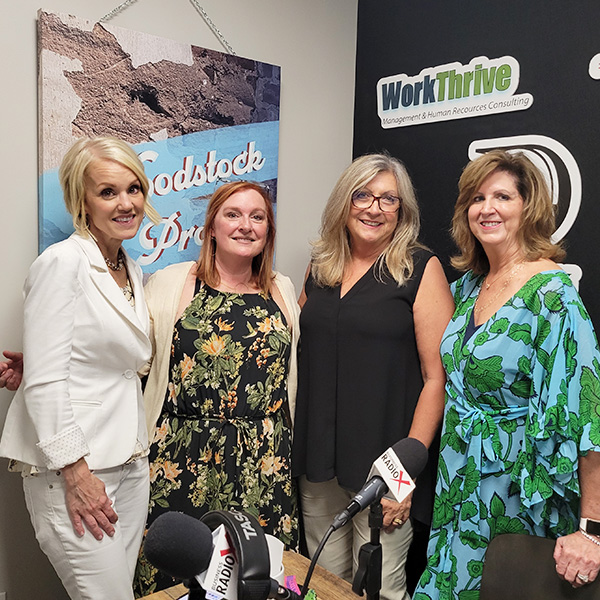
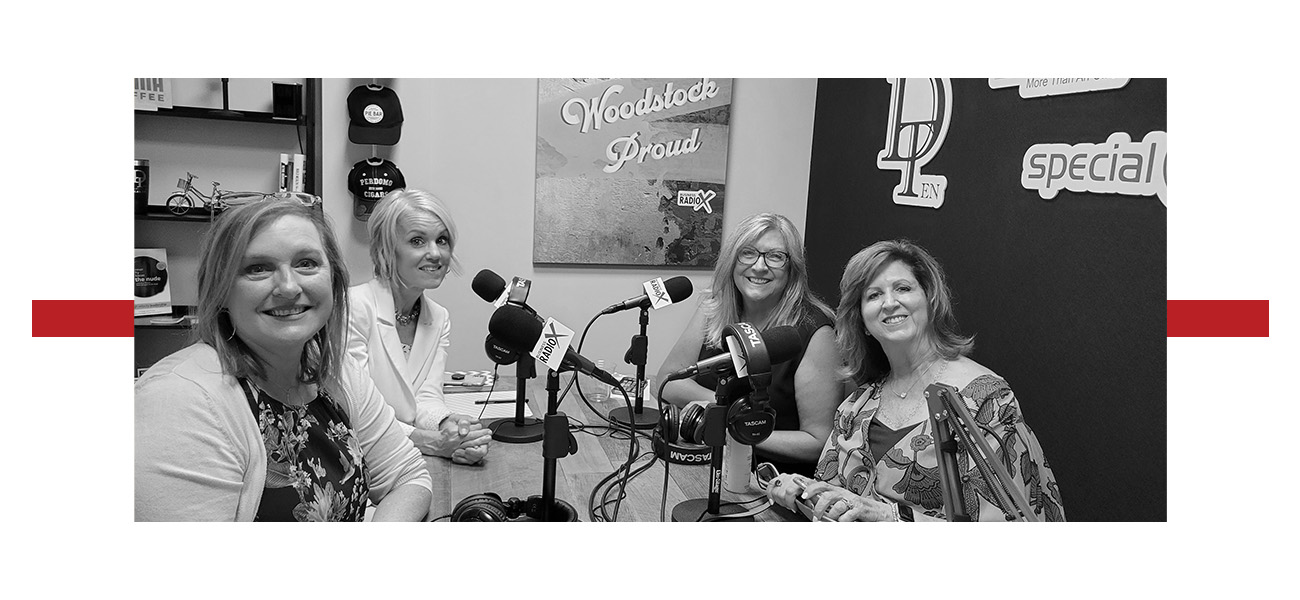
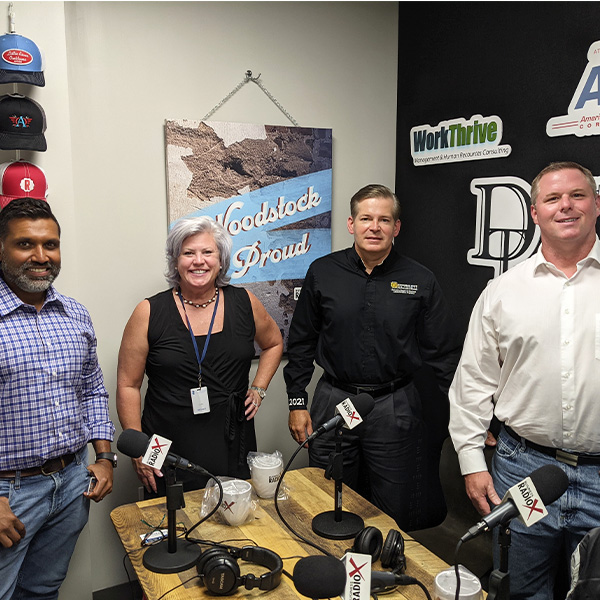
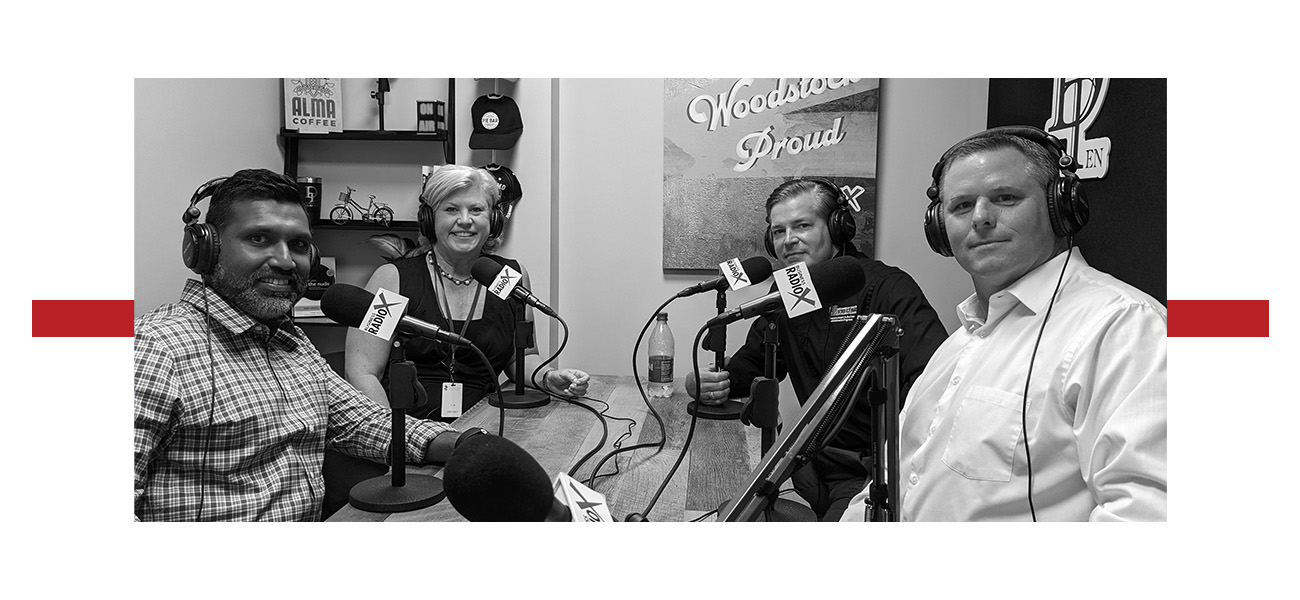
Brian Gamel from Woodstock Arts and Ellen Tyler from Ellen Tyler Coaching

July 14, 2021 by Kelly Payton

Cherokee Business Radio
Brian Gamel from Woodstock Arts and Ellen Tyler from Ellen Tyler Coaching
Loading
00:00 /
RSS Feed
Share
Link
Embed

Download file

InnovationSpot

ALMA

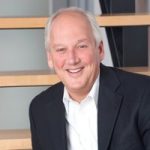
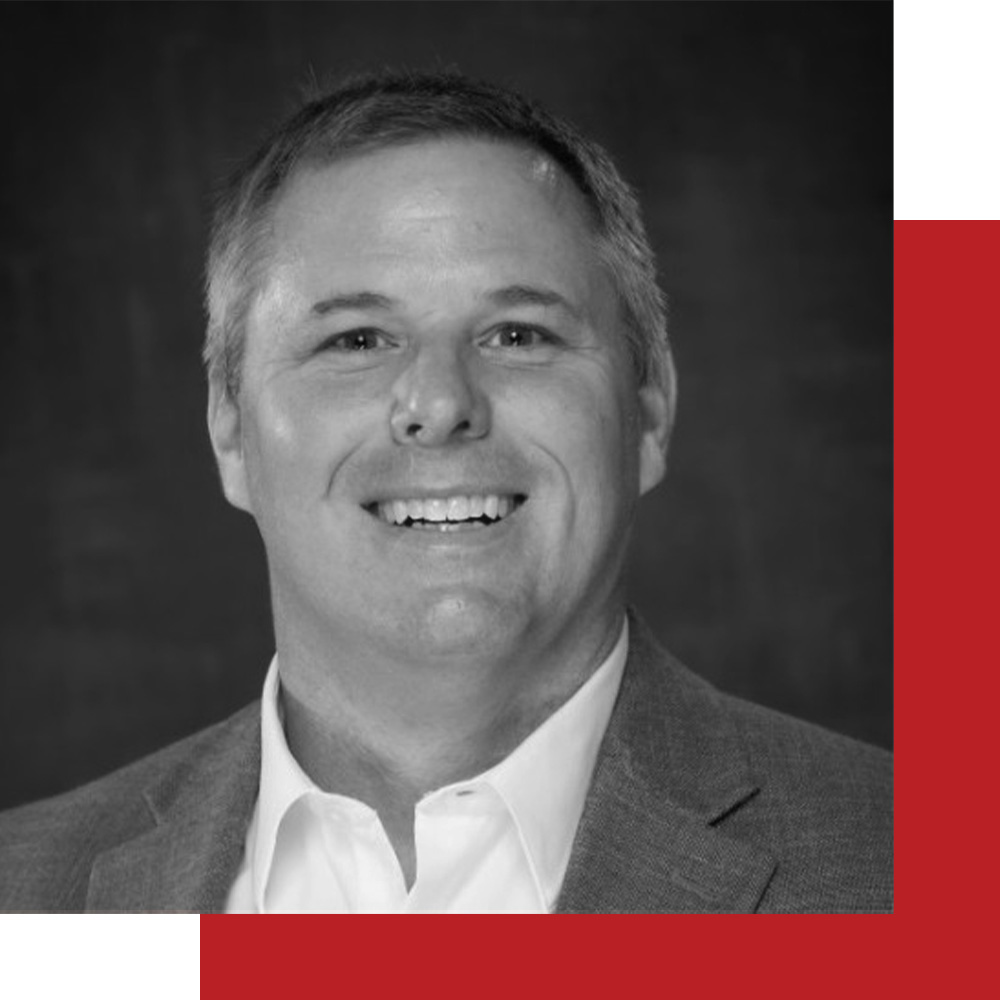
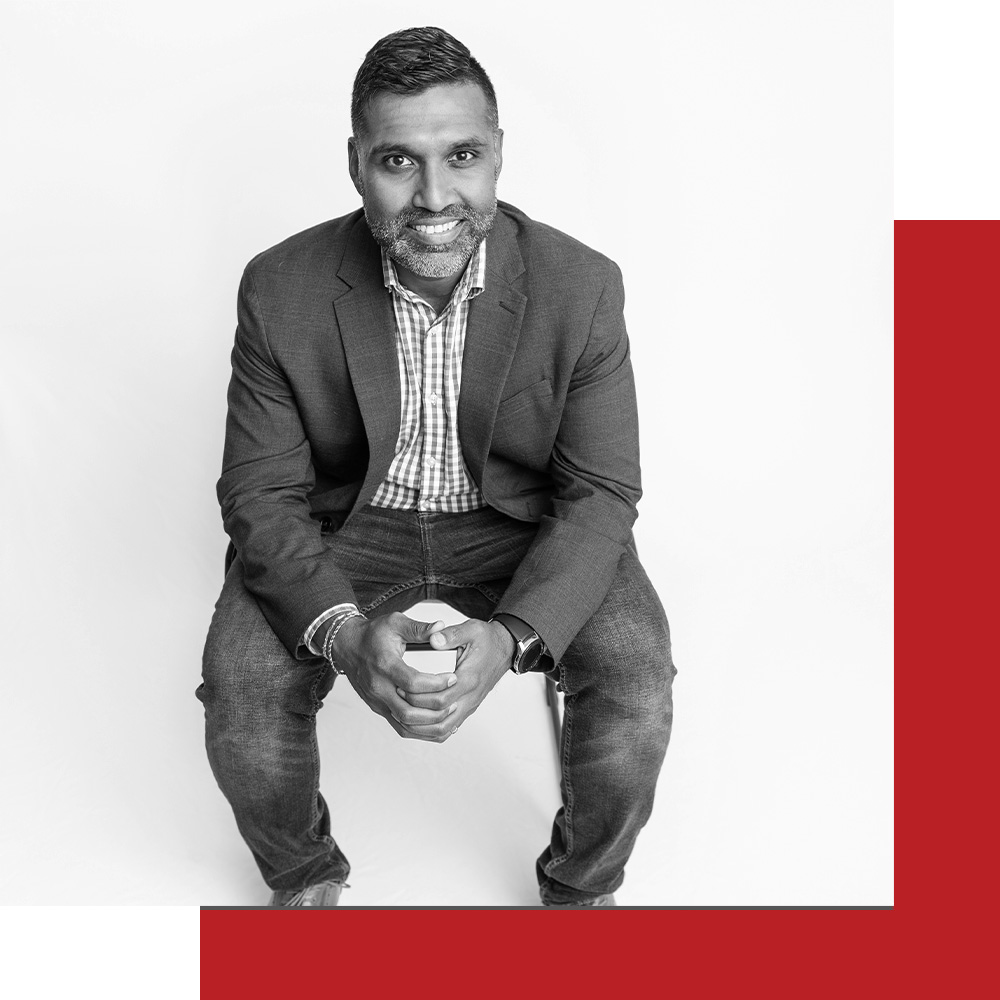
Brain GamelBrian Gamel, Managing Director of Woodstock Arts

Brian grew up in the Woodstock area and has loved this town ever since. After going off to get his undergraduate degree in Theatre from Florida State University he came back home and became a part of the Elm Street Cultural Arts Village’s team, now known as Woodstock Arts.

Connect with Brian on LinkedIn


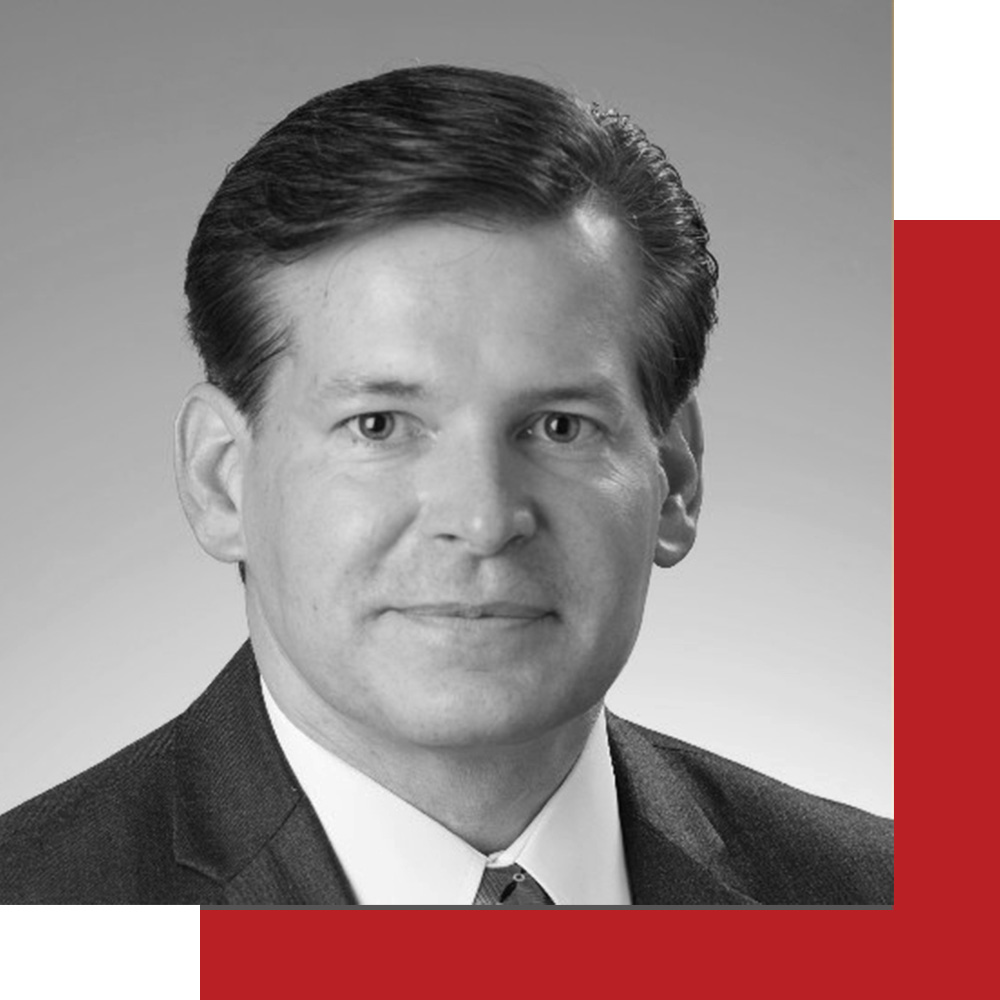
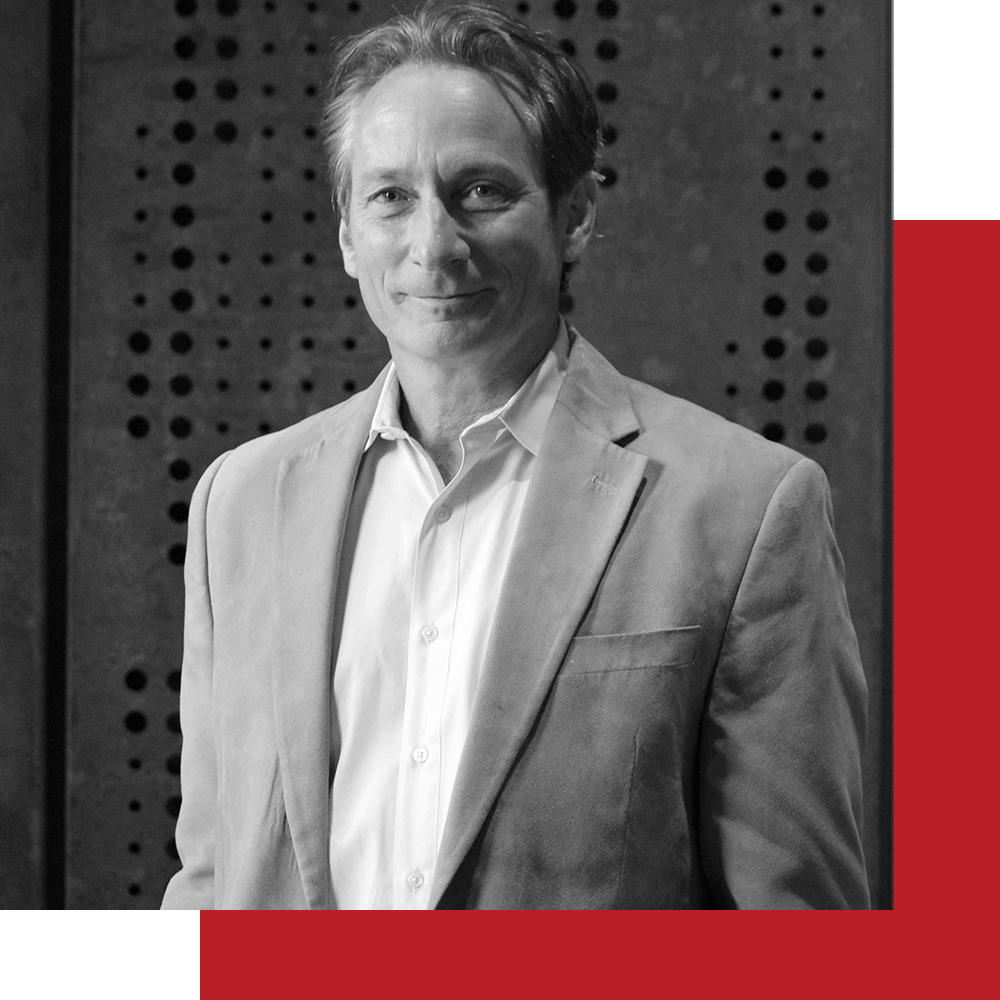
Ellen TylerEllen Tyler, Business/Mindset Coach with Ellen Tyler Coaching

Ellen Tyler is a Business & Mindset Coach, working with everyday entrepreneurs to reach 6 & 7 figures in their business – so they can experience heaven on earth NOW. WHY? Because she wants her clients to enrich their families lives, clients and community (ultimately making their world a little bit better).

Connect with Ellen on LinkedIn and Facebook


This transcript is machine transcribed by Sonix


TRANSCRIPT

Speaker1: [00:00:07] Broadcasting live

Speaker2: [00:00:09] From the Business RadioX

Speaker1: [00:00:11] Studios in Woodstock, Georgia, it’s time for Cherokee Business

Speaker2: [00:00:16] Radio.

Speaker1: [00:00:17] Now here’s your host.

Speaker3: [00:00:23] Welcome to Turkey, Business RadioX Stone Payton here with you this morning, and today’s episode is brought to you in part by Alma Coffee, sustainably grown, veteran owned and direct trade, which means, of course, from seed to cup, there are no middlemen. Please go check them out at my Alma Coffee Dotcom and go visit their Rushdoony Cafe at 34 or 48. Holly Springs Parkway in Canton asked for Letitia or Harry and tell them that Stone sent you. You guys are in for a real treat this morning. Please join me. First up on Cherokee Business Radio, Mr. Brian Gamble with Woodstock Arche. Good morning, sir.

Speaker2: [00:01:04] Good morning. How are you doing?

Speaker3: [00:01:06] I am doing well. I had the pleasure of enjoying just one small piece of what you guys do. As recently as yesterday evening as I watched my wife and three of our neighbors at their last part of their pottery class, which is the glazing, they were dunking these bowls and cups in these five gallon pails. They were having the time of their lives. I was sitting there on the on the stage where we’ve had acts come for the Lantern series. And I positioned myself between what they were doing and Cornhole League. And I thought, what a marvelous place to live, work and play. So, yeah, tell us a little bit about the Woodstock arts for the I don’t I can’t imagine. But if there’s someone out there who doesn’t know about this organization, mission purpose and what you guys got going on, man.

Speaker2: [00:02:00] Yeah. So for those of you who might have already known as we are currently still Elm Street Cultural Arts Village, we’re making that transition into Woodstock arts to embrace our community just a little bit more than we already have this upcoming August. So August one, we will officially be Woodstock arts. But yeah, we we stay busy. So we’ve grown up through the theater program originally, the town like art center all the way back in 2002, we were off Bells Ferry and a little tin building, just doing some theater for families. And we we moved downtown as well, kind of with a partnership with the city to give the city of Woodstock a arts hub. So we’ve had visual art classes for a long time. And then finally, after the better part of ten years, we were able to get the Reeves house built. And it is in its second exhibit, which we’re super excited for. So the inaugural one just went down. The second exhibit, women’s work is actually just opened up this past Thursday. And it’s all textile pieces, which are traditionally women’s jobs, but looked at in a different light. So you’ll see a lot of very unique quilts. There’s one that I absolutely love, but my fiancee will not let me hang in our house. That is a bunch of stitches of wind patterns on a regular day in Atlanta just to show that there is beauty in every single day.

Speaker2: [00:03:17] So that’s just free to the public. You can walk into the Reeves house if you want to grab a cup of coffee, get your bottomless mimosas on Sunday or get a glass of wine and just go in and enjoy the art whenever you’d like. But we also have recently just opened back up theater, which is super exciting. The last Elmasry Cultural Village show is Junie B. Jones. So if you have any kiddos that have read that book series, I know that a lot of people I know read them growing up. But that is going through not this upcoming Wednesday, but the following Wednesday is our final show for that. And then we’re kicking off the fall with legally blond. So far, we’re super excited for that. And this Saturday, we actually have a concert like on the on the Green that you were talking about with Scott Mulvehill, a upright bass player, and he has kind of that classical pop feel. So you have some more of those pop vocals. But with the upright bass, it’s going to be a lot of fun and tables are still available. And honestly, just getting a table with your friends and possibly decorating it well enough to win a table to the next concert is always a fun,

Speaker3: [00:04:18] Fun thing to do. Well, you had me at bottomless mimosas. Great. But my head is spinning just as a citizen who lives here in the community and works in the community with all the activities that are going, I can’t imagine what the inside of your brain must be like. What is your role? What do you specifically do for this organization?

Speaker2: [00:04:41] Yeah, so I’m the managing director. Basically, I get to help out with a lot of logistics, budgeting, scheduling, H.R., all the fun stuff you think about with the arts. But I also get to work as a department head of the Lantern series, so it’s my fault for whoever is on that stage. On a given Saturday, I used to be the production manager. My joke was always, if it’s on a stage, it’s my fault. Whether it was in the theater, whether it’s on the green, if it’s on a stage, it’s my fault. Now, I just joke that it’s all my fault, says personal accountability.

Speaker3: [00:05:11] Right. In a little while, we’re going to visit with coach Ellen Tyler and coach personal accountability. That’s important stuff, right?

Speaker1: [00:05:17] Yeah. And I would I would just say it’s not your fault if it’s because you tell. Ownership of it.

Speaker2: [00:05:23] Oh, yeah, it’s my opportunity, right? But yeah, no, we we do have a lot going on at all times. You know, we are we’re trying to keep things going at the Reeves house and have free events to public. Jazz nights have been a hit up to this point. And, you know, if you’re in there grabbing a cup of coffee, you can look over to your left and see see the counter we have going on and maybe see an event you want to come to. All right.

Speaker3: [00:05:47] Hit the brakes. Jazz nights. You just like you go right over this.

Speaker2: [00:05:50] Yeah. There’s so many. I can break them all down, but I don’t know if the show’s long enough. We have a jazz band that comes out and you can just bring your chair. Come on the back. We’ll have the bar back to you and you could just hang out and they’re out there for four hours and there’s some free jazz music once a month. Once a month. All right. Once a month. And then we have two other major events at the Reeves House that are once a month aren’t on the spot, which is this Friday. We get local artist and they create art right there on the spot. It’s all in the name, but you can buy a raffle ticket and take home one of these pieces of art. So if you’re there, you can choose which one, you know, at the end of night, you can choose which one you want to take home with you. If you’re not there, you can still be drawn to win. And we’ll just have the artwork there for you to come pick up whenever you’re so.

Speaker3: [00:06:32] Is it hard to find artists who are willing to just be there like a bug in a jar doing their thing right there on the spot or so?

Speaker2: [00:06:41] You got to find the right people, obviously. But I think for a lot of them, it’s also kind of a marketing thing, right? If I know I’m going to have 40, 50 people walk through and they like what I’m doing right now, I can also say, well, here’s some other stuff I do. And I can do commissions. And, you know, for a lot of them, it is a good source of, you know, marketing revenue and then at some point getting clients,

Speaker3: [00:07:02] Ok, so everybody wins from that. So let’s back up a little bit. Yeah, I got it. I got to get a feel for this. What is your back story? How in the world does one land in a position like this?

Speaker2: [00:07:15] Yeah, that’s a great question. So I actually grew up in Acworth. I started doing theater at the organization back in 2003 as a small child.

Speaker3: [00:07:26] But so you like being on the stage, or at least you.

Speaker2: [00:07:29] I used to, yeah. Yeah. I’m not there anymore, but I’ll still get on the stage and talk about what I have going on. But really, when it comes for to a performance aspect, I think the last time I did something was a couple of years ago actually on the stage. But we you know, I grew up through the organization. I went off to college, got my degree in theater at Florida State University.

Speaker3: [00:07:51] And aren’t they very well known for that program?

Speaker2: [00:07:54] Yes. The theater program at Florida State is one of the top, especially in the southeast of this country. It’s a phenomenal program with a lot of great people. I still, you know, love going and chatting with my old professors and things like that. They it’s it’s all about this connection sometimes, too. But, you know, I came back I had taken a couple of other jobs. I was in Ithaca, New York, for a little bit. I was in Lynchburg, Virginia for a little while. And then I was you know, I was just ready to come home for a little bit. And the production management job opened up. I applied. I’m here. And as the organization’s grown, obviously it started off as just a theater job and then later series needed, you know, a little bit more attention. And I was like, I can help. I love music. I really was going to double major music and theater. But then I also realized I want to breathe sometimes and sleep. So I decided to just focus on theater. But it was a good, good opportunity then to go back into those rooms. And really what we love about the Landon series is it’s about bringing different cultures and stories together. So it’s not it’s not a bluegrass series. It’s not a jazz series. It’s meant to celebrate every culture, which is why every culture has its own lanterne right. So there’s the London fog where the Chinese lanterns. So we want to celebrate those cultures. And that’s why you’re around a table to create that conversation. So we’ll have Afro Celtic funk. We will have.

Speaker3: [00:09:14] How many of those albums do you have on your Chauvelin? Right there. All right. But wouldn’t it be great if I would

Speaker2: [00:09:20] Do the African drums? Bagpipes and funk music is something I never thought I would love so much as I do. But then you have Irish bluegrass, you have this classical pop. So like all of these different things that, you know, you’re not going to get anywhere else, really. It’s you might have to drive into Atlanta for it. We want to give it, you know, to the people here in Woodstock and in Cherokee County and just put in your own backyard.

Speaker3: [00:09:46] So I remember we had an opportunity to to get a table, and that was a marvelous experience. But the very first time we came to the Lantern series, we sort of stumbled onto it and we just we bought a couple of seats and they were very modestly priced. And I mean, the the worst seat in the House was the worst seat in the House is like the best seat in any other venue. And it’s it’s just a marvelous experience. And you’ve got you’ve got young kids. You got you got people from the neighborhood. It’s just a I don’t know, there’s a there’s a there’s a buzz or a vibe at that series. It’s really. And I suspect difficult for others to replicate.

Speaker2: [00:10:24] Yeah, it’s definitely a community building experience and we try to keep it accessible to kind of what you were saying, all of our programing really for, you know, for a concert that we’re flying somebody in from across, you know, across the sea. They’re coming in from Ireland. I think you can still get tickets for less than twenty dollars a pop, which, you know, that is incredible.

Speaker3: [00:10:44] Wait a minute. Flambéed OK. Yeah, let me ask about that. How do you decide how do you go about finding these these acts?

Speaker2: [00:10:52] So in that industry, there’s a little bit of a lot of different things. So one great example of what everyone thinks it probably is, is I over the pandemic. I reached out to some friends because, you know, everyone had a little bit of a mental lull during that point. And I was like, you know, I want to think about the people that mean something to me. So I said, give me your five favorite songs, five songs that mean something to you. And someone sent me a denim jacket by Sammy Ray in The Friends. And I was like, this song is really good. This artist is really good. So then I started snooping and then I find out who their agent is. And I look at how many streams they have on Spotify and how many followers they have on Instagram to just kind of start to figure out what that price point is. And once again, because pandemic, we had a lot of artists that were like, hey, I can’t come from Canada. It’s not allowed. Right. I can’t come from, you know, Ireland. So we were looking for in country artists to replace those acts because we were open. All of our audience was like, we just want to come see art. We want to come to a concert. So I was like, I’ll shoot my shot. Then Sammy Ray came this past October and it was a lot of fun to have her.

Speaker2: [00:12:01] So that’s kind of one of the more fun what everyone would think ways of just, oh, I heard the song, I like it. Let me go snoop around. But in all reality, we mostly built our entire season from going to a couple of different conferences. And it’s the best week of my job throughout the entire year where I get to go somewhere else, talk about what we do with a bunch of other professionals, talk to agents about, you know, what’s this look like? What’s the state look like? Well, what if we got another venue in Georgia to get them on this day? Could we lower the price? There’s a lot of negotiation there. And then and then I listen to concerts for about six hours every night. So you get fifteen minute concerts for, you know, from three o’clock to midnight and you’re just remigration watching whatever you want to watch. And, you know, if I there have been a couple of times we don’t produce dance right now, but every now and then it’s nice to go see, you know, a dance troupe perform so I can just scooch over and watch that or see a comedian and start getting this year turning up. Well, what have we what if we presented dance? What would that look like on the outdoor stage or what what if we did comedy and when we when could we do that and

Speaker3: [00:13:05] All those different things? Well, if you do comedy or dance, I’ll be there. I love comedy. I haven’t been to a comedy show in some time, but that’s really cool.

Speaker2: [00:13:11] Well, we have a local one that’s every month to St. Louis.

Speaker3: [00:13:15] And I need like a spreadsheet or something here.

Speaker2: [00:13:17] Yeah, no, we over the past two or three years, with the growth of Lantian series with the Visual Art Center, we went from a busy weekend being three to five events, you know, because we have a show Friday, Saturday, Sunday in the theater and a concert. And maybe one other random thing to a smooth weekend for us right now is eight. Oh, my. And that’s not counting what like you talked about the bottomless mimosas to us. That’s just an offering we have. That’s not an event, but it’s you know, it’s we stay busy.

Speaker3: [00:13:48] You really do. I can’t imagine the discipline, the personal discipline that you must have to exercise to go to these conferences and stay focused on business, because I can see me like having a Vegas moment at Coachella over years, year ocus. That’s that’s incredible. I will say you you mentioned sort of the pandemic and how that’s had an impact. One of the moments that really stood out for me when we when we did get the table, we got a table for the time for three. I remember they were great. Yeah. And well, actually, there were a couple of things. One was, you know, when the gentleman mentioned, one of the one of the three mentioned that there was someone in the audience that was his roommate at a little school called Juilliard. So these are like top acts. I mean, these are these are talented people. But what was so evident and these guys just demonstrably, you know, articulated and made a very a real point of communicating. You could just tell how much they were enjoying once again, conducting live performances. You could just see the joy in their eyes, couldn’t you? That how thrilled they were to be doing live again.

Speaker2: [00:15:07] Oh, yeah. Last month we had another artist that hadn’t done anything live. We’ve been thoroughly blessed in the weirdest way when it came to everything that happened for having that outdoor space. Yeah. As an arts organization, we had to keep a. Close eye on a lot of those governor’s orders, and it was done by industry, so we were one of the last industries to allow to open. So we we got to watch a lot of success stories. We got a lot of watching, not as much of success stories from other industries and see what was going on. And we were set up in position of success. So we were able to have concerts starting last July. So it’s it’s been about a full year since we’ve been able to actually be opened back up. But having a lot of these artists just come in and, you know, the arts were hurting during this time. We are a very lucky organization because we’re growing rapidly, which is not you know, a lot of organizations went under. They weren’t as lucky. But it’s because of people coming out to these concerts. It’s about people who have donated and donate their time to our volunteers. We are a very small staff. I think at this point we’ve gotten up to like seven or eight. We we were four before the four or five before the pandemic started. And we’ve we have been so lucky to both grow that staff and to see the volunteerism growth and to really embrace this community. So if you’ve been able to be an event up to this point, thank you so much. If you haven’t, we are so happy to have you at the next one.

Speaker3: [00:16:39] So there’s there’s a branding shift that’s been under way. Is that the right way to articulate a branding umbrella, to talk a little bit about that, what you feel like motivated that and anything you would like the community to know about that? About that chef? Yeah.

Speaker2: [00:16:53] So we are I think I said a little bit earlier, currently Elm Street Cultural Arts Village, but I think we’re going to try to make sure all the branding on this is for Woodstock arts, because that’s changing in about 17 ish days whenever August 1st is all right. But in all reality, for us, there were a couple of factors. The funniest one for me is any time radio shows are a great example. You had your notes and you write everything and it was great. We have definitely had some times where there are it’s village street. I think if

Speaker3: [00:17:26] If we get that sometimes X Business RadioX.

Speaker2: [00:17:29] Yeah, yeah. If I had a nickel for every time that Elmasry Cultural Arts Village was butchered, I would have a lot of nickels. But in more seriousness, we talked to Tom Cox, who’s designed a lot of things around here, including armor and reformation and a lot of those local businesses.

Speaker3: [00:17:47] But he’s all over the studio. I got him on this on the logo wall. I got him on the Reformation.

Speaker2: [00:17:52] So that’s the guy, right? Tom Cox does a lot of Woodstock as well as at Woodstock Brand. So you’ll see like a little scarecrow around October. He you know, he was great to work with, but he sat down with a lot of stakeholders about two years ago now to just trying to kind of pick people’s brains to what makes our organization what it is. Right. And what we really got down to is we are here for this community and we need people to know where we are, what we do. Right. Woodstock arts. That’s that. That is it. So one to embrace Woodstock, embrace the north metro Atlanta community just a little bit more. But to just to keep it simple, right. If you know, you hear Elm Street, Cultural Arts Village, it’s a lot. That doesn’t mean what you think it means, at least at first.

Speaker3: [00:18:42] Well, it’s a mouthful for the layperson, right, Coach? Yeah, it’s

Speaker1: [00:18:45] Simple.

Speaker2: [00:18:47] Yeah, it’s very simple and clean. Some of the the branding behind it, too, is we have a pulse, which would be the logo if if it’s just set up, it looks like a W in a little bit. But really it’s to talk about how are the heartbeat of the community.

Speaker3: [00:19:00] Oh what is Coxiella.

Speaker2: [00:19:02] He’s he knows what he’s doing. Oh my goodness. Yeah. After working with reformations surge in the city of Woodstock, you kind of at least have a one. But now Tom was fantastic to work with and it was a great, great full by an effort from our staff, from our board, from volunteers, from teachers. Everyone just was kind of. Yeah, I know it was time for a little bit more growth because the organization is growing, the Reeves house is opening up, and this is a good time to make that change. So.

Speaker3: [00:19:30] All right. So you see all the hats in the studio. We plan to have more. I’ve got a pie bar, had a reformation, had a little river outdoors doors at. So let’s do get some Woodstock artists. Yes.

Speaker2: [00:19:39] Yeah, we got to get some hats lately.

Speaker3: [00:19:41] And I’ve been telling people I need two one for me to wear around town and one for the show. But we’re seriously we’re thinking about putting like this going to be like a hat studio. We’re going to all the local businesses. We’re so for whatever my vote is worth, I hope you decide to print up some hats.

Speaker2: [00:19:57] Don’t worry. I got you

Speaker3: [00:19:59] For the suggestion box. Before we wrap it, let’s talk a little bit about plugging in to this effort, both for just people in the community who want to. But also this is Business RadioX some ways for businesses to plug into what you’re what you’re doing. And I sense that it doesn’t have to be 100 percent altruism. I would think that. Being visibly seen supporting Woodstock arts would be good mojo for the brand of good, good business you yes to speak to both of those, if you would.

Speaker2: [00:20:31] I would love to think that it’s great mojo for you to support us. But, you know, there’s multiple ways, depending on what size your business is. Obviously, we’ve had some businesses that are just like we’re going have a volunteer day there. So if we know that Scott Mulvehill is coming up this Saturday, we’re going to have our, you know, our employees volunteer and reach out the same way you would for any other nonprofit. We’re also a nonprofit, which means we’re 501 c three, which means tax deductible donations, which is a beautiful thing. We also have sponsorships on that level. So you’ll see. Great example, that hat right behind me, reformation there, one of our sponsors for the Lantern series. So, OK, that’s another way to get involved. If you’re a sponsor, you get a table per concert for the whole year and your name gets announced. And a bunch of other fun things I would love to talk to you about. But we also have sponsorships for the theater, which Junie B. Jones alone in the first three shows, all over 300 people. And that’s just for the first three shows. Right. So as you know, as we’re coming back to it with legally blond sister act a Christmas Carol, if your name’s up there for an entire year, you’re going to be seen by thousands of people in the community. And then obviously with the Reeves house, we have these opportunities as well. Those are still being fleshed out. So obviously because it’s brand new. So we have to figure out what that looks like. Obviously, I can’t give you a table to the art gallery because that doesn’t really work as well as a concert. But obviously, sponsorships are a great way to get involved. It’s a great way to, you know, get your name out there while also getting a little bit of a tax incentive for it and just being able to put your name out there in our community with a bunch of people that may not have heard of your business otherwise or already know your business and are super excited to see your name somewhere supporting local.

Speaker3: [00:22:20] Well, no, I think that means so much. It means a lot to me now. I would have found reformation and occasionally have a beer there regardless or regardless whatever the word is. And I got to tell you, well, first of all, from what I’ve heard people have told me in the community about this, Spencer, next, I have not met him, but apparently it’s just a good guy. It’s just a good person. But also, when I see them supporting you guys, when I see them supporting other efforts around town, when I see them opening up their space for, like the Woodstock business club, I don’t know the beer taste just a little bit better. You know, I want to support reformation when they do. And I think that’s so. I really do think it’s good. It’s it’s good mojo. I also get the sense that, yes, you have your your men you guys are very creative. You’re this is what you do. You eat, sleep, you know, live, breathe this stuff. So you’ve come up with all these neat programs. But I get the sense if I came to you and I said, you know, my wife is just thrilled with your pottery class, which, by the way, she just graduated from Las Vegas. Business RadioX wants to buy a wheel, you know, or you know or whatever. I sense that you’re open to those kinds of conversations of like getting creative about different ways to support, right?

Speaker2: [00:23:33] Oh, for sure. If if if there’s ways that you want to support that just don’t fit in the box. Well, we’re going to break the box. We’re going to figure it out because we’re about this community, right like that. That’s with a name change. That’s just who we are as a volunteer run organization. And with that being the case, we want to support all those local businesses and whether that is, you know, setting up you buying a wheel or it’s, you know, I can’t really afford this right now, can we do some sort of payment plan or whatever that is? Yeah, let’s do it. Let’s get you involved. Let’s get your name out there. And, you know, let’s just show the community how supportive you are of local arts because, you know, it’s not a lot of communities are. And you kind of get to see the difference in going to a place that doesn’t really have an art scene. You know, people talk about going to Asheville, North Carolina. Right. Right. Beautiful place to visit. They have an entire arts district. Right. And that’s that’s something you can go do. They also have an entire brewery district and that’s something else you can go to. But Woodstock has a little bit of both. Right. You know, there’s you’re not just going downtown doing something real quick and going away. The our goal is that you can come to our event, but beforehand you can go grab dinner somewhere local and afterwards you can go grab your pie, a pie bar or you can go shopping like we we don’t want you to come and go. We want you to come stay a while and check out these other local businesses because they’re kicking butt and taking names, too.

Speaker3: [00:24:59] So what a delight to have you come in here and share all this with you. This has been a lot of fun. I love hearing about this, don’t you, Coach?

Speaker1: [00:25:07] I think my calendar is filled.

Speaker3: [00:25:09] I know. And it inspires me, you know, to go back home and tell Holly, okay, we’re going to start that spreadsheet. We’re going to have a whole separate Google calendar just for Woodstock Arts. So a couple of. One, I know we’ve talked about it casually, but I will I will pitch it again, we’d love it if you would come in here periodically. Whatever rhythm makes sense for you on this or other shows, we’re having more and more shows that we’re launching and just get get our different audiences caught up on the stuff you’re doing. So if you’re up for that, you know, I you know, I don’t know, maybe have Woodstock Arts Wednesdays or something. I don’t know. But yeah. Come on in here. So if you’re up for that, we’re definitely going to make that available to you. And I think it’d be marvelous for the community in one small way that Business RadioX can can try to help. But I also want to make sure that our listeners have some key points of contact, whether they want to have a conversation with would you guys about this corporate sponsorship kind of stuff or just getting their their ducks in a row on the things they want to participate in and or maybe volunteering. So what what are some good ways for them to connect with you?

Speaker2: [00:26:20] The best way would be through the website. We have a contact us page on it like most websites do, but we also our website filters it all. So if you’re interested in Lantian sponsorship or theater sponsorship, you can click theater and shoot that message and will go to the right people. I could give you the basic info at Elm Street Art Sorg, which once again will they don’t just go to certain people, but on other people. And you might be trying to contact somebody else entirely. But yeah, volunteering anything like that, if you use that contact form, it gets in contact with the right people and they they can get you all the answers you need. Our office line is also an option. That’s six, seven, eight or nine. Four or two. Five one. Can you tell I worked in a ticket office before

Speaker3: [00:27:01] That phone was ringing off the hook?

Speaker2: [00:27:03] Yeah, it does. And it’s always, you know, it’s it’s always a great fun conversation to because it’s normally someone going, I’m so excited for this event. I don’t know where I’m parking or, you know, can I bring in food or what is this look like? And you get to have a good conversation and learn. You know, I’ve been twice or I’ve never been this is my first time in Woodstock, you know, and that’s a and you

Speaker3: [00:27:25] Do have some of those kind of frequently asked questions there as well about all that kind of stuff, where to park, bringing in food

Speaker2: [00:27:32] For. And we also send out emails prior to the events to you. So if you were on, you purchased a ticket, you should get an email before and it’ll be like, here’s here’s what you need to know before you go. And yeah, afterwards you’ll get a big ol thank you so much for being here. And we’re so excited to have it for the next one because

Speaker3: [00:27:45] You guys are so great about that.

Speaker2: [00:27:47] Trying to.

Speaker3: [00:27:48] But no, I think that’s one of many reasons that you’ve got the following that that you do. Well, again, thank you so much, Brian Gamble with Woodstock. Also an absolute delight. We’ll continue to see more of each other just in the community and at the Reeves house. And what’s the Quish house? Is that the pottery

Speaker2: [00:28:06] That the Mary of Kish Center for Pottery? Yes, that is that is a great place to take a pottery class. And we’re working on trying to figure out how you can get a membership to just go in. And there are some clay whenever you need to. So.

Speaker3: [00:28:18] Well, Holly Peyton will write a check for that. I can tell you that

Speaker2: [00:28:22] Is going to get really excited when she hears that I live on the air.

Speaker3: [00:28:24] Absolutely. Well, it’s been an absolute delight and I’m quite sincere. And let’s let’s let’s find a way for you to continue to update the community. Hey, be great, man. Can you hang out with us while we visit Alex? Guess. Yeah. All right. Next up on Cherokee Business RadioX, please join me in welcoming to the broadcast business mindset coach, Miss Ellen Tyler. How are you, sunshine?

Speaker1: [00:28:45] I’m doing awesome.

Speaker3: [00:28:47] So what do you what did you learn in that last segment?

Speaker1: [00:28:50] Well, I learned that I probably need to get better at time blocking my calendar and leaving some time on the weekend. And that one of the reasons that occurred in our house, we do hear about local we care very much about supporting local businesses and getting out and about. And I think it’s I think it’s great having him here.

Speaker3: [00:29:11] I do, too. All right. So tell us about your practice. You came in this morning and I could see you always are in such good humor, but there was like a glint in your eye. I think you brought on a new client. But tell us, what does that mean? Mission. Purpose? What what are you out there trying to do for years?

Speaker1: [00:29:31] Because it’s a very is a category that people kind of roll their eyes at and they don’t understand because they they think we’re consultants and we’re going to tell you what to do. The reason that I love what I do and it doesn’t really matter the business, but I care about businesses is that I get to get behind somebody who wants to do a quantum leap. And when whether whether it’s growing their business, whether it’s this one is bringing a daughter into the business so she can inherit it. But you can imagine I hear so many different stories that it just I get goosebumps, though, when I’m chatting with somebody and, you know, I tell people I hold the picture of it until you can see the picture of it. So I know at that point in time that they’re going to they’re going to do what they want to do. Just a little bit of work.

Speaker3: [00:30:22] So do these people do they find you or do you find them? How does that whole thing work? Both kind,

Speaker1: [00:30:29] If you can imagine, just like a business, you know, like Brian was talking about, like, how do people find you? Like how do people know about Radio X? You’re probably out there on social media, but you’re the greatest billboard for them. You’re the one who’s running around town doing a little bit of the networking. So it’s a little bit of both. And if you think about it, like when Brian was talking about the vision of the Reeves house and how it came about. They had a really clear vision and a focus of where they were going. So I just hold the picture of knowing that if somebody wants to grow a business. I’ll have a conversation with them, and it can be they find me on social media or their local and I work with them from here or they’re international and they’re in England. But typically something has spoken to them and they’re at that point in time, it’s just like they’re ready to go to the next step. The way that coaching works is that we help you expand your possibilities. We can only see. What we think we can accomplish and the ones that truly are successful are the ones who understand you need a little bit of help. So I’m usually just a step. I tell them I’m preparing you for the next coach because there’s going to be someone who’s going to do even better, because I work with coaches, always tell people don’t work with somebody that doesn’t bet on themselves.

Speaker3: [00:31:57] I like that. No, I think some people and I’ll confess surely me to some degree at some point might be under the impression that you get or someone gets you if you’re in a corporation, a coach, when you’re when you’re struggling and elstone their boy, somebody gets stolen a coach. And I do think sometimes we put that in that box. And that’s not accurate. That’s not right.

Speaker1: [00:32:22] No. If you think about it in the evolution. So just like all businesses evolve, when people even five or 10 years ago thought about what a coach meant, they’re thinking Tony Robbins at one hundred thousand dollars a day. Well, Brian, can you write a check like I know that’s beyond people’s scope. And they knew that presidents worked with coaches. They knew that executives typically. So if you’re in a corporation on average, most of the senior executives are provided coaches. And so we think that it’s this unattainable. Work that we have to get to that level to work with them, well, with the explosion of, what would I say, certification and coaching, because that’s a whole nother thing. Is that. Don’t just work with somebody who hung up a shingle and said I had a huge transformation, but the Rosseau, the organization that I utilize, some of their processes and software were in every single country. So we’re touching lives in all of those countries. And I would say reasonable, not cheap,

Speaker3: [00:33:34] But doing that and seeing so many different businesses and working with so many different types of people from different walks of life and different cultures, I suspect that would be a real advantage if I were to engage you. You bring those those different perspectives to the to the conversation, right?

Speaker1: [00:33:52] Very much so. So remember when Brian was talking about how he grew up and he liked to be in theater then and isn’t now, but he’s liked it for a long time. Right. So sometimes in our history of work, we may not understand, like, why is all of this like why are we doing these jobs and why are we changing? And if you asked my mom when I was growing up, I was considered shy.

Speaker3: [00:34:14] You’ve got to be kidding me. No.

Speaker1: [00:34:17] In fact, so and true story. When I was in high school, she called all of my closest friends and asked them not to eat lunch with me. Oh, my, so that I would be forced to sit with other people and mind you and so I graduated a while ago, but I’m graduating class was 500 kids, so it was huge. And so I, I now have learned there are such things as an introverted salesperson, which is what I am. All it means is that you re energized by quiet. But what that helped me do and in and then in my work experience, I watch people. So I learned early on, if I liked, you know, why I’m sitting here, if I liked you and if I thought you were a good person that I might want to get get along with, I never picked business as a career ever. I started a nuclear medicine.

Speaker3: [00:35:16] Oh, my. Yeah, it makes perfect sense, of course.

Speaker1: [00:35:19] Can you see the transition? But a couple of things happen. And this is where we always get really good at piecing it together from the back looking forward. But it’s that ability to carry it forward and to understand that, oh, OK, I have done pretty good things. So organic chemistry happened and twice, twice, 20 seconds in it, my kids saw my my transcripts from college and they’re like, oh, you really weren’t that great of a student like Nightwatch people. So during that time I was. Afforded the opportunity to go on an exchange program to England only because my roommate who majored in journalism, they were starting up a new program. It was a University of Iowa, and she was petrified to go talk to the professor. So she’s like, I’ll bring the shy person with me and we’ll go talk to the professor about this exchange program. And during the conversation, he just looks at me and he said, Well, why don’t you come? Like my major’s nuclear medicine, and it was right at the time where organic chemistry happened and I thought, well, how bad could this be? And you’re going to send me to England? And then I discovered I can write like, OK, and I got all A’s after I got a D in organic chemistry. It just helped open the door to realize that I really don’t know what I want to do. So let me just get the heck out of school and figure it out. And I learned early on to say yes to opportunities. And then one of my first roles, the president, it was an investment company. Said, we’re putting you in sales and here’s my mom, mind you, she she’s like, you’re going to do what job? Oh, and they’re going to move you across country to California, like, away from.

Speaker3: [00:37:09] She’s thrilled. Yeah.

Speaker1: [00:37:10] And and you don’t like talking to people, Ellen, like. And I’m a really good student and I’m a really good follower

Speaker3: [00:37:17] Now, do you find yourself coaching? We talked about executives in that being a group of people that often get coaching. Do you find yourself coaching salespeople a lot? Is that or a lot?

Speaker1: [00:37:27] Well, think about this. Do you sell?

Speaker3: [00:37:29] Yes. I mean, I

Speaker1: [00:37:30] Have to buy and sells.

Speaker3: [00:37:32] I don’t find I will. It comes to me, I say selling, talking about the value that we can provide. A business comes very easy to me. I don’t know if selling comes easy. I don’t. Not everybody says yes. Where you been all my life? But but talking about what we do comes easy to me and I really enjoy it. Right.

Speaker1: [00:37:51] Everybody sells. And because I came from the sale environment and that was when I started to hire coaches because I didn’t understand that they existed back then. And when I hired the coaches is when I had those huge quantum leap. So I understood that they were just unlocking just key things that I wasn’t aware of because I came from that. And I’m really good at opening businesses and getting them started is what I learned was my forte in the corporate world because I get bored. But I thought, well, why not take that skill on this side? Because if you’re if you have the title of sales, most will struggle with it, because when there’s sales training done in an organization, everybody has the same sales training. But not everybody is a top performer. Right. So there’s a reason for that. They actually understand and have the skill set that we teach people, which is really mindset like what are they thinking? Are they thinking, oh, crap, it’s the 30th of the month and my manager is on my back and I haven’t closed a sale. And they’re sitting across from an individual thinking that that person doesn’t know because that person knows, they just can’t figure out what’s going on. But even even people who walk away from the corporate world and then open a business, those are my favorite because they first took the leap. Right.

Speaker3: [00:39:18] Which is I tell you something about mindset, right. They’re right.

Speaker1: [00:39:22] They at least got either pushed far enough ahead and they believe that they could do it. But then they don’t realize I’m chief cook and bottle washer now.

Speaker3: [00:39:32] Right. And they’re doing a lot more than that craft that they want to practice. Now, do you find and I recognize that surely every situation has its idiosyncrasies, everything’s unique. But do you find that there are some patterns in that? I don’t know. Small businesses often fail for the same three reasons or whatever, that kind of thing. Yes.

Speaker1: [00:39:51] So I would summarize it in one of the things when we’re working with with clients is we talk about how book knowledge isn’t going to serve them. You could learn all the stuff in school is not going to help you. You need the skill, like you said, to be able to express it with whatever you’re selling and to get out there. So typically, it involves action. Whatever action that is and. Average individuals will not do what they know how to do. We call it the knowing doing gap because they ask a salesperson what what do they need to do? They actually should talk to people, ask them what they do during the day. And on average, that’s one of the skills that we work with, and the other is that everyone, including myself and you and Brian, we have bad habits. Yeah, we don’t understand that those bad habits are keeping us away from doing what we know we should do. We just don’t understand how to change it. And so those are the two predominant ones that we see over and over and over again. They just show up in a different way, depending on the business.

Speaker3: [00:41:02] So on the other side of the coin, are there some some habits or characteristics or traits that when you see that, yes, you still may be able to help this person, but you’re like, OK, this this person, this gal, this guy, she’s a winner. She just needs a miracle. She’s got she’s got she’s already got this, this and this. And I don’t have to teach that. I don’t have to take her there, you know, morning routine.

Speaker1: [00:41:26] Morning routine. What is your morning routine because and the pandemic was a perfect example of this. How you set your mind up for the day is everything. And so that’s one of my first questions is what is your morning routine? It should include some form of exercise movement. I don’t care if it’s outworking. Gratitude is big. What are you grateful for? What are the ten things you’re grateful for? And then study do you study every day? And so in the morning, that’s what I explain. It’s like you want to prepare your mind to be a steel trap. Right, because when you think about all the noise that comes into our head during the day, you know, we can have one bad conversation, but if we’ve set ourselves up better. I know that if they are already doing that, there’s just a couple of tweaks.

Speaker3: [00:42:23] So you’ve mentioned habits a couple of different times, a couple of different ways. And I guess sometimes I don’t know, there’s some scientific term for it. But, you know, like when you buy a blue Buick and nobody else has one, and then once you buy one, every traffic light, you see another blue Buick. So lately this term habits has just been popping up everywhere for me. So I’d love for you to speak speak more to that, because I’m almost coming to the conclusion and I’d be interested in your input in years to Brian. If habits aren’t even maybe more important than goals are, like without the habits, the goals are. Can you talk about the habit goal? Yeah.

Speaker1: [00:42:59] Yeah, it’s in the fancy word is reticular activator since I knew

Speaker3: [00:43:03] I had heard that at some seminar somewhere. Yes, yes, yes, yes.

Speaker1: [00:43:07] Ok, it’s that and it’s really when you buy a car you see your car everywhere. Right. Right. And then you start noticing it. So let’s talk about habits because we didn’t. Come to this earth with habits like you speak English, you could have been born in China and speak Chinese, so when you think about habits, we we adopt them early in life. So if you think you’re not good at something, that’s a habit. So when you think it’ll give you an example, when I was coming back from California, here’s my dad. Oh, I signed you up for scuba diving lessons, OK? I mean, I haven’t swam since I was in eighth grade. And you said it all, by the way, you have to swim the length of the pool, Olympic size pool underwater the whole length without coming up the first night. Right, right.

Speaker3: [00:43:57] Ok, so well, your parents

Speaker1: [00:44:03] I’m a good student, I’m a good follower, but but I then instill the habit. So the question was, OK, so then how do I make this become a habit? What we know is that we have two parts of our mind, because if I ask you what you think about your mind, the average answer is the scientific one, the brain. But in reality and Dr. Thurman fleet back in the 1930s is the one who came up with this. He was a chiropractor back then. So in the healing arts. And he cared more about, well, why don’t we stop throwing pills at people and how do we help them understand how to change their habits?

Speaker3: [00:44:38] That’s a revolutionary idea. Yes.

Speaker1: [00:44:40] Right. I’m like I’m surprised he wasn’t burned at the stake. So, so many of them. But what he did was he made this very simple drawing to help us understand how do we actually change our habits, which was he just took a big round circle and drew a line between it. And at the top was the conscious mind. So it’s our thinking mind. We we see, hear, smell, taste and touch. That’s how and we decide are we going to accept what we hear or not. So that’s where you first decide, am I good at this or not? My good at organic chemistry? No. And then you realize, oh crap, it was just memorization and but it’s the key to understand that’s our filtering everything that it lets into the subconscious. So that’s the second part of it. That’s where all of our actions come from. So anyone who’s trying to kick a bad habit, they really have to change what they think about it. So it’s how how you change a habit. That 21 day thing also false. Somebody made it up. It sounds good. They’ve actually done research. It’s anywhere between 19 and 350 days to make a habit. But it’s just because it’s something that’s repeated over and over again becomes a belief and becomes a habit. We just change it.

Speaker3: [00:45:56] So it sounds like you’ve had some practice, some practice doing this.

Speaker1: [00:45:59] We all have bad habits down. I usually tell stories of most people can’t hear the habit around money. Right. Too much is tied into money, which is interesting because goals should always be money should be tied to it. But then it’s how do you weave in the importance of what it does to your life? So most of us can’t hear that it’s what we think about, which is why we can’t earn the six figures a year. So this is when I work with the business owners. This is something like what did we hear growing up? My dad was pretty entrepreneurial, so I’m fortunate for that. But if if we heard over and over, I did hear this. You have to work hard. To get ahead right there, you got to go in and work on the weekends or you got to show up and do something different, and all we do is tweak that. Tweak that and you’ll change your outcome.

Speaker3: [00:46:55] So this this this idea of money, there’s a lot of, I don’t know, emotional weight around the topic of money. Money has is a source of a great deal of conflict. It may be as a kid, maybe your parents argued about money a lot. Are you come from a lot of money, so you don’t appreciate it. You know, not imagine you come from no money. So you’re totally focused on the I mean, this is one of those topics. It just is weighted down with with emotion, isn’t it? Yeah.

Speaker1: [00:47:21] And so that’s part of the difficulty for most people is to figure out that money is just energy. It really is. It’s like you can turn on the spigot to money and you can turn it off by what you’re thinking. Mm hmm. And it’s it’s helping them come to that realization. It is what we heard growing up. I watched my mom decided to pay the electric bill this month and not the next month. I didn’t know we would probably be considered poor growing up. So you can imagine I can never have enough money in the savings account because that’s what I saw. Right. And it’s why when I work with people, I will say it in different terms so they can hear it. And it’s funny. I’ll use weight again. OK, so same thing about I want to earn ten thousand dollars a month or I want to lose ten pounds, ok. I want to lose ten pounds. What’s a bad habit when I buy Krispy Kreme every single morning. Well what’s a habit I should replace it with. I probably should go out on a walk. And what do I have to be thinking. Not how hard this is, but that lots of people do this. Do you just walk through it? It’s the same with money I’d like to earn ten thousand dollars. Great. What what’s a bad habit? Well, I’m not calling people now. Here’s the big one. I’m not asking people we’re afraid to ask people to buy. That really is the reason

Speaker3: [00:48:39] That the truth. Just to even if you’re not elegant, if you don’t have the best systems, if you’re not all that articulate, if you ask someone to buy on a regular rhythm every week, every day, whatever makes sense for your business. Some of these folks are going to say, yes, if you’re doing good work,

Speaker1: [00:48:56] You’ll be surprised what you can get just by asking. Right. And that’s one of the things that is is once they understand, you can be awkward and ask, do it. Just keep doing it over and over and over again this morning at seven thirty in the morning, I’m I’m up early, but it’s like she was all ready to be a client and we get stuck in her head up and I didn’t go through my process.

Speaker3: [00:49:20] Oh yeah.

Speaker1: [00:49:21] So we have to listen to our intuition and we just have to sit and go. It’s just like coming on here any time we’re doing a presentation or any time we’re able to talk to multiple individuals. I came from a world where you had a prepared presentation. I didn’t memorize one for 45 minutes one time. Oh. People know that, right, versus if you just come in and it’s like I mean, I have a wealth of knowledge, don’t get me wrong, but it’s like, what do people need to hear? Well, the conversation will go pretty good, STONA lead it. And whoever needs to hear what we’re talking about will hear. We’ll hear without me thinking. Or did I say this? I say that way.

Speaker3: [00:50:06] So this I have the experience, this dynamic, this phenomenon. Very recently I have joined this Woodstock business club and I’ve been trying to get this studio off the ground, which is a separate business from my day job of being the number two guy in the Business RadioX network. And it was like, I don’t know, maybe three or four weeks ago I announced we’re launching this Women in Business show. I wish Brian, when I was single, if I would have known about this, I would I should sell this product to single guys in every community. I have met more women in the last three weeks. But to your point, I and I simply I didn’t ask for like sponsors and stuff. I said we’re just we’re launching a women in business show, you know, and if somebody knows a woman in business, we might have a compelling story to share. Please let me know. And I mean, I have been flooded with genuine interest. Yes, you should talk to so and so. Yes, you should talk to someone. So and then some of those conversations I’ve said, OK, great, and I don’t have to get rich in month one, but I do need it funded. So I’m also looking for like host sponsors and a signature sponsor. It’s so I sort of tripped over this idea, just asking for what I need and want. And I mean, it’s like the whole community has rallied around this this cause of stone. And as women in business here, yeah, it is fantastic. But I have I’m I am living right now what you’re describing. Just go out and tell people what you need want. And if you’re if you’re doing good work, they’ll they’ll try to help you.

Speaker1: [00:51:35] Yeah. So I’ll tell the backstory because when when I was there that night that you and I were chatting and it is all about intention. I started out the year just saying, not knowing how I’m like I just want to talk to more people. So I’ve done the chamber. I’ve done the rotary. You know, I’ve been on podcast and the night that we were at the Reeves house. Actually, the day before, it was like, no, I don’t think we’re going to go, and that morning I came home from the meeting, I looked at my husband and then go, no, we’re going to have to go to what

Speaker3: [00:52:03] We only ran.

Speaker1: [00:52:05] And then you and I end up standing next to each other. Or I was like, that’s pretty interesting. Like, he has a radio thing. It’s like, maybe I want to do that. I don’t know what that means, but maybe we should talk to him. But I love to always give examples where it’s not even that. And I think like in our family, we have one of the best examples about what you think about happens, just not in the way that you think it is and asking. Right. So we have five kids, three of them are adopted, all siblings from a European country now when we were going to host them. So that was a whole. And anyways, we decided to host them because we thought he was crazy enough to host three teenage girls. And I raised the money to do this. Now, we ended up adopting them because my husband’s like, we are not adopting. OK, you see how that worked out.

Speaker3: [00:52:56] But, yeah,

Speaker1: [00:52:58] It’s just he tells it way funnier, but he really was like, we are not adopting. But what came out later and we did not know this. So when we chose the three that we were hosting, the oldest was in school in Finland. So they’re from Latvia. They sent two kids over to Finland. She was she was praying, you know, what she was praying for. I’d like to go to America and I’d like us to all get adopted. She, of course, meant in Latvia, right? Right. So she came to America and they got adopted. Now, that story didn’t come out until about a year or two later, but I said, look at the power of what you wanted. Yeah, no. And I think that always helps just an individual understand if it’s I want to find I want my business to do better. We have people who find spouses with the type of work that I get to do. We have a coach that ran a marathon in Australia and she only wanted to finish in the top ten. She came in first and she’s not a runner, so. Those types of stories I tell people, I just tell stories, I’m a great storyteller, I learned that from my dad, but the stories sell in a sense that they go. Maybe that can happen for me.

Speaker3: [00:54:12] So I don’t know the first thing about professionally coaching as a as a standalone profession, I don’t think. But I do find myself with sort of a coaching hat on in my day job because there’s other people who run studios and they’re looking to the to the mothership for some guidance about how to how to run a good business. But I do sometimes feel like I’m flying by the seat of my pants a little bit like I don’t have the structure I think that maybe a professional coach might have. Can you give us a little insight into like what what does an engagement with a certified real professional coach that knows what the heck they’re doing? Yeah. Can you kind of tell us what that looks like?

Speaker1: [00:54:54] Certainly, yeah. And I get this question a lot, and I think it’s a great question because if there’s not a process or a system. Then you’re not really coaching, right, because all coaching does is help hold you accountable to do the things that you need to do to get to where you want to be, but you obviously have to have a vehicle to help them move along. So the way that that I utilize and different coaches with different types of organizations will have similar. But it’s. How do we start? And how do we move you along the process and

Speaker3: [00:55:33] And you know where we’re going, you might you might let things brew over here and brew over here a little bit, but at least you know where we’re going.

Speaker1: [00:55:39] Well, I know where you’re going. OK, and I know where the pitfalls are. So for for me, it was coming from an analytical financial services type of a background. Right. In science. I still like science. I like things that go do these three things and you’ll get this outcome, do these four things and you’ll get this outcome. I’m a really good follower and what I like about that type of a coaching structure is that it’s not a wish and a prayer. So it’s not just. Well, let’s talk about where you want to get to and what do you think and all that, it’s like, no, if you do this. I know because well, for one, it took me from five figures to six mid six figures, which we don’t always talk about money, but money is the great equalizer. And I just look, I didn’t get any smarter. So if I have this same process that I did and I see it happen repeatedly, we have hundreds of thousands of people that if you do this. The guarantee is that you’ll get to where you want to be. Now, it’s simple, it’s not easy,

Speaker3: [00:56:45] Right,

Speaker1: [00:56:46] Because we get into the bad habits and the things you’re telling yourself, but the guarantee is just do it.

Speaker3: [00:56:54] So one of the very specific, very granular tactical things that I picked up on during the conversation, you talked about identifying a bad habit and then but you didn’t just and you didn’t just talk about removing that. You said replace it with another one that I get the idea that that’s an important discipline.

Speaker1: [00:57:13] It’s that’s key. It’s the difference. It’s the key.

Speaker3: [00:57:16] You got to replace it. You can’t leave the void, though.

Speaker1: [00:57:19] So think about I like eating Krispy Kreme donuts. OK, so if I just stop eating them and that habit is at 10 o’clock every morning, I’m eating a donut and I don’t replace it with anything. What am I going to do? Going to eat Krispy Kreme Donuts? Reverby So I’m going to revert those.

Speaker3: [00:57:35] You’ve had a bad day or a good day or right some day.

Speaker1: [00:57:40] The other problem becomes and this is why New Year’s resolutions never work, because they don’t understand, first of all, what they have to keep telling themselves to make that habit stick and they have to figure it out. And it’s always weight or money. The weight is a great one. We don’t lose weight because if you lose it, you’re going to find it. So I’m like, OK, and same with debt and money. If you say I want to get out of debt, you’re always going to stay in the debt. OK, so if I have a habit of it’s three o’clock in the afternoon and I haven’t made my phone calls, that’s not great. And I’m in sales. So the habit is no matter what, every morning at nine o’clock, I’ve got to make my calls. And if I don’t, then I can’t move on to the next thing that I need to do. So you just start by implementing one at a time. Then the challenge is people get all excited. I’m going to make a million dollars. You’re going to help me make 10000 dollars, you know, whatever. And they go, let me change all of these habits like a one.

Speaker3: [00:58:44] One, because it’s too much, you know,

Speaker1: [00:58:46] If you don’t teach yourself how to do that, it’s like training for a marathon they don’t have you day one, go on and run 20 miles or 20 miles alone. No, they start slowly and build up the same with a habit you have to start. And until you’re certain that it becomes a habit, then you move on to the next one. But the other trick is and you’re right, it’s. We have to replace the bad habit with a good one. It’s how do you tell yourself to do that? And it’s just understanding. When I said that we have a conscious and a subconscious, you have to understand your actions come from your subconscious mind. You think you’re in control. So it’s like the people trying to stop doing something when to stop doing this right. It’s your subconscious that’s used to it in your subconscious. In the other fancy word is paradigms. They like to keep you comfortable. Oh, Allen likes eating those donuts. I’m skimping on donuts all the time, but it just seems like because I don’t eat donuts, but it’s like whatever I’m doing right. It’s like I’ve got to I got to know how to to change my actions. And that’s that’s where the the key comes. Because your conscious filters, it’s like now it’s like people listening to you and me and Brian are going, do I believe what they’re saying. Do I really believe they have unlimited mimosas there? Am I going to go,

Speaker3: [01:00:10] You know,

Speaker1: [01:00:12] Or they’re sitting there going, oh, shit, reticular activating system. I don’t I don’t believe that stuff. So they’re choosing that your conscious mind? Well, if you believe it, then you’re going to let it go into your subconscious and then you’re going to take action. So they’re going to sign up and they’re going to come over on Sundays to the Reeves house and they’re going to go, is there unlimited mimosas? And now now they believe it now.

Speaker3: [01:00:34] Now you’ve got it.

Speaker1: [01:00:34] Now they believe it. And so that’s that’s a very simple way of understanding. Our actions come from our subconscious.

Speaker3: [01:00:41] Yeah. So I suspect there’s also tremendous power and value in in the fact that if we’ve decided that not going to do the donut and we’ve replaced it with something more healthy, a different habit. And I’ve also got to have a brief conversation and update my coach Ellen on Tuesday about it. That accountability partner thing. That’s important, too, right?

Speaker1: [01:01:05] It’s huge because if we’re left her own devices. So think about this. How many books do you think there’s written on personal development?

Speaker3: [01:01:12] Oh, my gracious. By the way, if you like business books, hosts her own radio show, I’ve Got More. I lost the whole library in a fire, and I still have more probably than anybody, you know, signed copies of business books. Yes, a bunch.

Speaker1: [01:01:26] But then you should be owning your own island. You shouldn’t be sitting here talking. So but that’s my point. So one of the questions I’ll ask sometimes when I I’m talking to a group of people is to help them understand. We call it self-help. There’s a reason it doesn’t work.

Speaker3: [01:01:43] You ought to put that on same shirt

Speaker1: [01:01:45] That I maybe had

Speaker3: [01:01:47] To do. Yes.

Speaker1: [01:01:49] You know, so one of the questions is because everybody either has heard of or known. I go, how many of you have either been told or have read thinking grow rich?

Speaker3: [01:01:57] Oh, yeah, I reread that. OK.

Speaker1: [01:01:59] Oh, well, let’s ask you the question. Oh.

Speaker3: [01:02:01] Oh yeah.

Speaker2: [01:02:03] All the mistakes.

Speaker1: [01:02:05] Oh well so what does the author Napoleon Hill tell you to do? To come back and do for 30 days. And did you do it?

Speaker3: [01:02:14] Apparently not, because I don’t remember. I do remember gravitating toward this idea of definiteness of purpose, and that was the big idea that stuck with me on the last reread. I know to your point, I don’t remember.

Speaker1: [01:02:26] Right. And so that’s where accountability is huge because very successful individuals, if they reference a book there, it’s usually think and grow rich. They’ll always say, like, what made you get to where you want? So here’s what Napoleon Hill tells us. And he tells us all the secrets is that he said, when you’re done reading all of these chapters, come back to Chapter four unaccountability and read it. And it’s actually repetition. So he has you doing the affirmations and the repetition. So how do you create a habit? His other ones are as important. But and he tells you along the way, he actually gives you a formula for this six steps. To get what you want, so those people that have paid attention and use that, well, they don’t need my help. People like you that read it, but you understand it, then is that that’s that’s the difference is that is you have somebody who’s accountable, somebody who’s done it, and that’s that’s key and has similar results. So if somebody really did want to release weight, don’t ever say lose.

Speaker3: [01:03:33] They would find you here that. I love doing the show. I the right replace the haven’t released the weight.

Speaker1: [01:03:40] I lose it. You’re going to find it again. But but if you need that higher coach. Because, you know, I can get on my scale in the morning, I’m like, nobody saw that. So it’s like it’s the accountability and whatever we want to accomplish, it’s when we have a a person to work with. You can call them coach or a mentor that has. Similar results, because usually all coaches, like I think of the health coaches, I know they’ve had transformations, so they want to help other people. I had a huge business transformation. So when I thought, oh, wait, I can either help people who don’t need my help, who have a lot of money and financial services, because when you get good at it, that’s what the corporations do. Just talk to the people with ten million dollars, something you don’t really need help or can I come over here and help people, no matter where they are in their life, change their business so it changes their family because that’s how we ended up with five. You know, we were able to do that to change the community. They began giving back. We just last night donated. So I’m probably gonna have to talk to Brian, because the funny thing is and

Speaker3: [01:04:48] He let me handle this commission sheep and this is my cut. Got to

Speaker1: [01:04:51] Be great. But listen to this. This is funny. Last night we were doing our charitable donation and there was an organization that I was trying to donate to three times. It kept going. Nope, nope, nope. Can’t take your credit card. I did all the other three perfectly fine. I’m like, you’re, you know, it’s not like you’re new. And I thought there’s a reason it’s not going through now because I’m sitting here not crying today. So think about that. Things happen for a reason.

Speaker3: [01:05:21] I could talk about this all day and we when have you back some time. In fact, if you’re up for I’ll tell you all could be cool is I don’t know though maybe it’s too private. I was thinking it might be fun to have you come in with a client sometime and talk about the process, but that’s probably it’s probably a little too too intimate and private, isn’t it? Or maybe an organization that’s you to work with some of their coach. I don’t know.

Speaker1: [01:05:43] So think about this. So a lot of times we do hotseat and it and it’s something that as simple as saying how do I get to clients before the end of the month? Right. We actually just run through. The teachings that we do, OK, if you want to, clients, what are you doing now that’s getting in your way?

Speaker3: [01:06:03] Then we put me on the hot seat. Well, you know, somebody is it better to do somebody? I don’t know what’s really

Speaker1: [01:06:09] Funny, actually. Anybody. Because it really does help help them understand it gets them to think outside the box.

Speaker3: [01:06:16] I’m going to be a lot of work and I got a lot of flaws.

Speaker1: [01:06:19] We all do. Here’s what they did. 400 people in a room in Los Angeles before covid. And here’s the message from our company, is that you all have a self image problem.

Speaker3: [01:06:31] We do. So so noodle on that idea. I don’t know if and how it work. And we would never want to compromise anybody or anything like that. But I think it might be like a hotseat thing or whatever. So we’ll think about that. But before we go, let’s make sure that our listeners have a good way to connect with. Would you like to have a conversation about any of these topics, whatever you think is appropriate, whether it’s email, LinkedIn, phone, whatever you think

Speaker1: [01:06:54] Works so easiest. I’m like, Brian. If they go to Ellen Tylor coaching dotcom, there’s a contact me form. And so they can just fill that out and actually books a calendar appointment with me because I like talking to people or they can go to LinkedIn, I’m on LinkedIn, I’m on Facebook and spend more time on LinkedIn. And if they really would like to get inundated next week, we’re doing a challenge with some people, like having Casey Sullivan come in. Who is going to teach us how to improve our self-image. But we’re doing a five day sales challenge. So if they go to the meeting, it’s soup. Oh, God, you think I would know this sales superstar sales challenge dotcom. OK, yeah. And then they can just register.

Speaker3: [01:07:38] Fantastic. Well, thank you so much for coming in and hanging out with us and talking about I mean, these are such important topics. This is this impacts everything. And to the degree that you’re able to help me or Brian or anyone else, we can turn right back around and be more of the good that’s in us. Right in

Speaker1: [01:07:55] The community.

Speaker3: [01:07:56] Yeah, fantastic. Well, thank you so much for joining us. And I’m quite sincere. We’ll get together and do one of these hotsy thingies.

Speaker1: [01:08:04] It’s fun.

Speaker3: [01:08:05] All right. Until next time. This is Stone Payton for our guests this morning and everyone here at the Business RadioX family saying we’ll see you next time on Cherokee Business RadioX.

Tagged With: Ellen Tyler Coaching, Woodstock Arts

Developing Resilience: How to Bounce Back from Challenges and Changes – An Interview with Dr. Farideh Bagne, Magnolia By The Lakes

July 14, 2021 by John Ray

Farideh-Bagne-Inspiring-Women
Inspiring Women PodCast with Betty Collins
Developing Resilience: How to Bounce Back from Challenges and Changes - An Interview with Dr. Farideh Bagne, Magnolia By The Lakes
Loading
00:00 /
RSS Feed
Share
Link
Embed

Download file

Farideh-Bagne-Inspiring-Women

Developing Resilience – How to Bounce Back from Challenges and Changes, An Interview with Dr. Farideh Bagne, Magnolia By The Lakes (Inspiring Women, Episode 34)

After successfully selling the largest privately-owned conglomerate of cancer centers in the United States, Dr. Farideh Bagne wasn’t done. In this interview with host Betty Collins, Dr. Bagne discussed a unique senior living concept she has developed: a winterless senior resort complex for states with harsh winter. Dr. Bagne discussed the challenges she has faced and overcome in her entrepreneurial journey, balancing life as a business owner and mother, and much more. Inspiring Women is presented by Brady Ware & Company.

Betty’s Show Notes

I speak with Farideh R. Bagne, Ph.D.,JD. She’s one of the most brilliant, successful and hardworking people that I’ve ever met. She has an amazing story, with some great insight on resilience. And she’s built this really cool bridge at Magnolia by the Lakes, the gold standard of senior living, a luxury Independent and Assisted Senior Village on the shores of Cass Lake, overlooking Sylvan Lakes in Oakland County Michigan. I think you’re going to want to hear about the story about this for sure.

As Dr. Bagne states…

You know that thing when you look challenge in the eye and you don’t blink and you even have a smile on your face. That’s what we’re going to talk about. So don’t miss out. My advice to you again is, number one, belief in yourself and do not have a defeatist attitude. Always remember that race, national origin, gender had nothing to do with business, science, medicine or whatever endeavor you are planning to do. It is not what others think of you. It is what you think of yourself. And with that attitude, believe that you should have that axiom of your life that truly everything happens for the best. And at the moment that disaster happens. You don’t know what the best is, but believe that somehow it will be and will become one of the best events of your life unless you follow these three acts and you’ll really become successful throughout your life.

Coming up on July 30th is the 7th annual Brady Ware Women’s Leadership Conference.  Each year, 100% of the proceeds go to support women initiatives through non profit organizations within Ohio. This year our supporting non profits are the Better Business Bureau and the Women’s Small Business Accelerator.

Many months ago when we began planning for this year’s conference, we felt it best to err on the side of safety, so this year’s conference will be held virtually. While this may not be the most ideal situation, it does allow for us to offer participants speakers that are nationally recognized as well as locally recognized women leaders.

We’re excited to be able to present keynote speaker, Peggy Klaus, author of ‘Brag! How to toot your own horn without blowing it’. We’ll start the morning with a lively discussion with a panel of women business owners and leaders.

And to add to the excitement of the day, you’ll be able to network, visit exhibitor tables and win wonderful prizes throughout the day!

I would like to personally invite you to join us on July 30th. Just go to Columbus Women’s Leadership and complete a simple form. We’ll do all the rest!

Don’t miss this opportunity to expand your knowledge! Register now!

Hope to see you there!

This is THE podcast that advances women toward economic, social and political achievement. Hosted by Betty Collins, CPA, and Director at Brady Ware and Company. Betty also serves as the Committee Chair for Empowering Women, and Director of the Brady Ware Women Initiative. Each episode is presented by Brady Ware and Company, committed to empowering women to go their distance in the workplace and at home.

For more information, go to the Resources page at Brady Ware and Company.

Remember to follow this podcast on Apple Podcasts and Google Podcasts.  And forward our podcast along to other Inspiring Women in your life.

TRANSCRIPT

[00:00:00] Betty Collins
So, today, we’re going to talk about developing resilience. And developing resilience, how do you bounce back from challenges and change? And my guest today is very familiar with this topic. She had to live it to have the success that she has. So, developing resilience is key to having success in your life at all levels in circumstances. For me, personally, resilience is the ability to recover from those difficulties and those everyday life challenges.

[00:00:32] Betty Collins
Certainly, 2020 was that, and 2021 is going to be probably that. But prior to 2020 and after, it will still be needed, because life isn’t a matter of if, it’s a matter of when. So, resilience, to me, when I try to define it, is looking at challenges in the eye and not blinking. But some days, it takes everything you have to not blink. It depends on how bad you want to overcome the challenge. And are you willing to look at that challenge in the eye and not blink?

[00:01:02] Betty Collins
It’s very hard to do, right? But this is my life every day as a leader, whether I’m doing accounting or podcasting or whatever it is. But what makes you a leader is that people will follow. So, they need leaders in people in business. You need to be resilient and completely confident in it. And by the way, when you can blink with a smile on your face, it’s even better. So, let me encourage you to be resilient for something that’s worth it, that’s impactful and it makes a difference.

[00:01:32] Betty Collins
Too many times, we’re resilient, giving it all for nothing. Instead, be resilient for a world who need you, like your family, your business, partners, your employees or causes. So, today, this is a first. The podcast is going to be sponsored by ICS Tax, and I’m honored- I’ll start that over. And I’m very honored to introduce to you, Michelle Mackerdichian of ICS Tax. We partner together on all kinds of issues. There’s a lot of aspects to tax.

[00:02:07] Betty Collins
And so, they do some things that are very unique and very good, and they do a fantastic job. And it’s been great to work with the firm, especially her. From the beginning of knowing her, it was really more than business. We just have similar personalities and we’re interested- just connected in the same things. And it was not long after knowing Michelle, that she talked about our guests with such awe. So, Michelle, tell us a little bit about ICS Tax and then introduce our special guest, who will tell her story.

[00:02:42] Michelle Mackerdichian
Thank you so much, Betty, for the beautiful introduction. You are an inspiration for all women, and it has been an absolute pleasure working with you and your team ay Brady Ware. ICS Tax is a specialty tax consulting firm that provides innovative tax planning strategies. We collaborate with tax payers and their tax professionals to identify credits and incentives that reduce tax liabilities and increase profitability. Our services include cost aggregation studies, mixed asset reviews, R&D tax credit and green building tax incentives.

[00:03:16] Michelle Mackerdichian
We serve business owners in numerous industries, including construction and real estate, manufacturing, hotels and lodging, retail and numerous others. Our team brings decades of combined industry experience, assuring great depth of knowledge and expertise. We have offices across the nation with two in Ohio. I work in our Columbus office and our president, Alex Bagne, office is in Cleveland. Today, Betty Collins will be interviewing our president’s mother, Dr. Bagne, who is someone all of us here at ICS have the greatest admiration and respect for. Dr. Farideh R. Bagne is one of the most brilliant, successful and hardworking people I know.

[00:04:00] Michelle Mackerdichian
She founded and operated the largest, privately-owned conglomerate of cancer centers in the United States, which included seven radiation oncology centers in Oakland, McCombe, and throughout counties in Michigan. Ditched into radiation oncology, Dr. Bagne also owned and operated gynecological, oncology surgery, internal medicine and medical oncology clinics. She is indeed a true visionary. After selling all of the medical centers to Century 21st Oncology, a publicly-traded company, Dr. Bagne created a unique concept in senior living, a winterless senior resort complex for states with harsh winter.

[00:04:43] Michelle Mackerdichian
Dr. Bagne’s background is just as impressive. She received her bachelor’s degree with high honors in physics and mathematics at Michigan State University and her Master’s and Doctorate degrees in nuclear physics from the University of Pennsylvania. Dr. Bagne was the first and only female recipient of the National Institute of Health Scholarship in radiological [INAUDIBLE] University. She also has a law degree with magna cum laude from Wayne State University, and is a licensed attorney in the state of Michigan.

[00:05:16] Michelle Mackerdichian
She has been a professor at Duke Medical Center, Dartmouth Medical School, Medical College of Ohio and Wayne State Medical School. Not only is Dr. Bagne highly accomplished and successful, she has a wonderful and close-knit family; two sons, two daughters-in-law and seven grandchildren, whom she is extremely proud of.

[00:05:34] Betty Collins
Thank you, Michelle, and most certainly, thank you and welcome, Dr. Bagne. It’s such a pleasure to have you in here. Going to hear your story, get some perspective and certainly, tie developing resilience. How does it fit into all this? I’m pretty sure that resilience is in your DNA, so let’s get started. So first again, welcome. Could you tell our audience a little background about you and your education, your degrees, family, a simple overview of your career?

[00:06:06] Farideh Bagne
First of all, Betty and Michelle, thank you for inviting me to participate in your wonderful podcast. And I’m truly honored to be on this program. I will be happy to respond to any questions you have and also, go over my past career, present career, as well as my educational background. I received in my bachelor’s degree in two years from Michigan State University and followed that by a Master’s degree and Ph.D. through a scholarship. And after that, it is rather a funny story.

[00:06:53] Farideh Bagne
I was at the University of Pennsylvania Physics Department. It’s a very large physics department, and I was the only female and my first name is not really masculine or feminine. Farideh could be either one because it’s a sort of unfamiliar name. And when I applied to NIH- actually, the chairman of the department applied for me. They didn’t know I was a female, so they accepted me as the first recipient and they were very surprised when they found out that I was a female.

[00:07:33] Farideh Bagne
And so, I got my Ph.D. and I received my scholarship and did my residency at Thomas Jefferson University. And then I started my career at Dartmouth Medical School and I became the director there. And after that, I went to Duke University and did the same. Now, you may wonder why I received also, a law degree and why I’m a licensed attorney. Well, what happened was that after I was about 32, 33 years old and I was a full professor at the Medical College of Ohio, and I felt I couldn’t go any further.

[00:08:27] Farideh Bagne
So, what should I be doing? And at that time, I was the acting director of the therapeutic radiology department at the medical college, and a priest came home, we had treated for cancer, and he asked to meet with me. And I met with him and he said, “I’m a poor priest. I don’t have that much money. You’ve done an excellent job. Because of my birthday, my family and my parishioners have given me $300. And I would like to give this to you, to the department, to medical college and the hospital, and I would like to have- for you to buy a large crystal ball and then routinely fill it up with candies.”

[00:09:24] Farideh Bagne
Now, at the time, at the hospital, there would not be any coffee, any candy, cookies, anything, for cancer patients or for the loved ones that would bring them. And so, he thought that that would be a good idea. So, I took his check, went to meet with the president of the hospital and explained to him. And he looked at me and said, “What? We’re not going to spend money on candies and cookies for people.” But he did take the check.

[00:10:02] Farideh Bagne
So, at that time, I decided that really working in the academics is not what I want to do. And at that point, I decided to go to law school. And so, during daytime I worked at my routine job and at night, I would go to law school at Wayne State University, and that’s how I got my law degree. And also then, I passed the bar exam, and I have been a licensed attorney ever since.

[00:10:42] Betty Collins
Wow, what a background. My goodness. And I’m glad that you could have some insight to say, “I’m not going to do this because you can’t even buy candy and cookies for people- someone asking and sacrificing and giving us money for that.” I’m glad you saw bigger than that but … What an impressive background and education. I’m a little overwhelmed. In reading about you, you’ve been a business owner and built a very successful businesses. In fact, more than one. But you also have a wonderful family as I’ve met your son. How did you manage family and careers, without sacrificing either?

[00:11:25] Farideh Bagne
Well, this is very interesting because when I started going to law school, both my sons were teenagers. And first of all, I asked their permission to go to law school and they both said, “That’s okay.” And every time I went to law school, I learned something. Obviously, being in physics and mathematics and sciences, I had no idea about the law. And so, everything I learned was interesting to me. So, when I would come home, I would sit down and tell them about what I’d learned and discussed it with my sons.

[00:12:14] Farideh Bagne
And the interesting part is that both of them have gone and have gotten their law degrees, and they both are licensed attorneys. But it’s not so much the time you spend with your children, it is the quality that you spend with them and the quality of time you give them and the respect that they give to your kids. And whatever I always did, I asked permission from my kids to make sure that it was okay with them.

[00:12:55] Farideh Bagne
And that respect and that feeling of importance made them part of the whole success of me, and just as much as I am proud of their success, they are proud of my success. And that is what I would like to instill in the young mothers and young fathers, for that matter, that respect your kids and don’t treat them as little pets. Treat them as little adults and always get permission with them, discuss what you’re doing and listen to what they have to say.

[00:13:41] Betty Collins
That is phenomenal advice. And that’s a great way, I guess, of how you did balance all of that going on. And the fact that they both became attorneys, that’s pretty cool show that you had a lot of influence and a great relationship over the years, as you guys shared in all of that. So, that’s phenomenal. You started cancer centers. What motivated you to do that? And how did resilience play a role in that?

[00:14:12] Farideh Bagne
Well, the resilience is very important in this case because I live in, and I still do, in Michigan and I was the director at Medical College of Ohio, which is in Toledo, Ohio. So, every day, I had to travel back and forth and then at night, I would be going to law school. And the resilience was that every time I would become tired or discouraged or felt like there was too much pressure on me, I always looked forward.

[00:14:57] Farideh Bagne
In other words, I always look at any obstacle in life as a temporary obstacle that you jump over it. You go through it and you don’t let it block your progress towards the future. And I had a lot of those, first of all, having two teenagers at home. And we always had homemade food, so I had to cook during the weekend and make sure that we always had fresh fruit and fresh food and never buy frozen dinners. At the same time, making sure that I am there at 7:30 in the morning at my work, because the president of the hospital had a rule that you had to live in Ohio in order to practice and to actually work at the medical college.

[00:16:06] Farideh Bagne
And I didn’t want to move to Toledo, so I explained to him what I was doing and he said, “If you’re late one time, then you have to move to Toledo.” So, that was our bet. And regardless of how bad the weather was or what was going on, I was the first person that would be in the conference room. Every morning, we had a patient review conference. I was there before anybody else, just to make sure that I could live in Michigan and I could have my sons go to the schools they had been going all along.

[00:16:51] Betty Collins
Well, that takes a lot of resilience for certain, as I’m just hearing you. You played a role in these cancer centers. You played a role in building businesses, raising kids and on your terms of, “I’m going to live in Michigan.” But you were there and on time, so they never had a reason to to back you in a corner, I guess. That’s awesome. So, you had your cancer centers and you sold them. And then what- but then you started a very unique senior community after you sold your practices. Again, how did resilience play a role in your starting something all over again when really, you probably could be spending a lot of time on a beach, you know?

[00:17:34] Farideh Bagne
Yes. Well, what happened was that when I sold my cancer centers and all my practice in 2007, it was end of 2007, they had a non- compete agreement with me that I could not practice, I could not own, I could not operate, I could not be on the board. I had- I could not have anything to do with any field of medicine. The only thing I could do was to be a consultant for them. And here I was, trying to figure out, what am I going to do with the rest of my life.

[00:18:17] Farideh Bagne
Yes, I had plenty of money, but what am I going to be doing? And at the time, my sons were gone, they had their own life. And I guess all my life, I had worked, I had gone to school, I had 12 to 16 hours a day doing something else. What was I going to do? So, I decided, well, during the time that I had my cancer centers, I came to respect and love seniors a great deal, particularly for their patience, for their experience and for somewhat, their innocence, compared to the younger people that look at others with a lot of suspicion and- it’s a different world.

[00:19:15] Farideh Bagne
And so, I thought, “Well, if I can’t do anything in medicine, nobody prohibits me from having a senior facility. And that’s when, this was again, in 2007, I started looking around and at first, I started in Michigan. And the standard I had set for myself was I would want to create a place that I, myself, would go. Just the same way that when I started the cancer centers, at the time, there were only two types of cancer centers.

[00:20:02] Farideh Bagne
One were the hospitals that had their radiation therapy in the basement of the hospital, next to the morgue, next to the kitchen or they used little cobalt machines in a tiny little clinics. And at the time, I decided that, I don’t want to have either one of these. I want to create something new to bring in the medical school experience, quality assurance and knowledge of the staff, and combine it with the ease of having a clinic which has windows and doors, and you can park right in front. And that’s how I started building freestanding clinics.

[00:20:48] Farideh Bagne
And now, if you go anywhere, you will see that hospitals all have freestanding cancer centers. They no longer have them in the basement. They no longer have these little cobalt machines. They all have very sophisticated linear accelerators and they all are in freestanding, beautiful clinics. And so, I thought the same thing about the- any incentives that I wanted to have somewhere that if I had to go, I would feel good about it. So, I started in Michigan and I didn’t like anything that I saw here.

[00:21:31] Farideh Bagne
And also at the time, I was, as I mentioned, a consultant for 21st Century Oncology and their headquarters in Fort Myers, Florida. And so, I bought a condo in Naples, Florida. It was a beautiful condo on the Gulf of Mexico, and I get to know a lot of these residents that were there and the majority of them were seniors. And when I would talk with them, “Why did you leave Michigan, New York, Wisconsin, Pennsylvania to come here?” Every one of them would say, “Look at the weather. Look at that beautiful water. Look at the sunset.”

[00:22:20] Farideh Bagne
And at the same time, the next day, they would complain about the fact that they miss their loved ones back at home. They miss the Christmas trees. They they miss the snow and the fireplace. So, I started thinking that the only way that you can be extremely successful in building a senior community is number one, not to have the winter weather affecting the seniors. Number two, have water; to be on the body of the water. And number three, have a beautiful sunset. So, I started looking in Michigan where to find all of that.

[00:23:07] Farideh Bagne
Of course, northern Michigan has beautiful lakes, but it’s very, very cold, and not many people would move up north to go to a senior community. So, I live in Bloomfield Hills and I looked at Birmingham’s Bloomfield Hills area. There are no lakes there. As a matter of fact, it was with Alex, my son, that we were driving around and there was this tiny little town, they call it the city of Keego Harbor, with a population of 3000 that was sitting on two lakes.

[00:23:45] Farideh Bagne
Cass Lake, which is the largest and deepest lake in southeast Michigan, with beautiful sunset and Sylvan Lake, which a beautiful, calm lake that has sunrise every morning. Beautiful. And so, I decided, “Well, that’s where I want to be.” But then I looked around, there are all these little fishing cottages and vacation cottages and little stores. How am I going to find enough property to have my senior community?

[00:24:26] Farideh Bagne
At that time, I knew the mayor of Keego Harbor, Mayor Sidney Rubin, who was a visionary himself. And I talked to him and said, “Well, what do I do?” He said, “Well, just sit tight,” and as you say, “Be resilient and to start buying.” So, I built an office, three-story that two story of it was just dirt, floor, and then the third story was my office, overlooking both lakes. And I was just watching what’s going to happen.

[00:25:05] Farideh Bagne
Well, unfortunately, as well as fortunately for Magnolia, the recession hit in 2008 and everybody was selling. So, I would be just looking around and I had a real estate agent that I said, “Any time you see anything in Keego Harbor, let me know,” and we would buy it. My other son, Stephon, was also an attorney, he’s a partner at Clark Hill law firm. He then would go and we’d just pay the asking price and we buy it. So, I got enough land in Keego Harbor.

[00:25:49] Farideh Bagne
However, there is a major road that belongs to the county, it’s called Cass Lake Road that runs between Cass Lake and Sylvan Lake, and the properties I had bought were on both sides of that street, that road. So, I went back to the mayor and say, “Mayor Rubin, what do I do?” He said, “Well, why don’t you put a bridge over it?” And I said, “How am I going to build a bridge over this?”

[00:26:19] Betty Collins
It’s a great idea.

[00:26:21] Farideh Bagne
And we’ll go to the county. So, I went to the county and I said, “I would like to put a covered bridge over Cass Lake Road, between the two giant parcels. Now, they both were giant because I had bought all these little cottages, businesses, etc., and by the way, that took many years. Now, we’re talking, I started in 2007, this is 2013.

[00:26:54] Betty Collins
Wow.

[00:26:54] Farideh Bagne
And anyway, with my son Stephon as my attorney, we went back and forth and it cost me a million dollars to put a temperature- controlled, beautiful, private bridge between the two parcels and then they started building. And so, Magnolia North, which is the assisted living, was built and completed in 2015- 2014, 2015, and then in end of 2017, we built a five-story building for Magnolia South independent living. So now, we are the only private group that has a major bridge over a major road that is not open to the public.

[00:27:57] Betty Collins
I love it. I love it.

[00:27:59] Farideh Bagne
So, here we are with the most beautiful views in Michigan for our seniors that can enjoy life in the autumn of their lives.

[00:28:12] Betty Collins
Well, I just can’t help but hear resilience through this whole story; from how you raised your kids, how you got your education, how you changed how cancer centers are are put together, built and seen, to now- I love Naples Beach, Florida, I will tell you. But to be at a senior place like that in Michigan, and I will have to come and see it because it just sounds amazing.

[00:28:41] Farideh Bagne
Definitely.

[00:28:41] Betty Collins
I definitely want to come there. So, you have shown and defied- defined resilience your entire career, and I love that. Plus, just the impact that people are having. I want to cross that bridge. I definitely want to do that, so. But looking back and it’s our last question, looking back, I can see where the resilience with the mayor, he was definitely helpful, and you had to weigh time. It wasn’t instant and it was probably a lot of- more money than you thought. But what advice would you give my audience on developing resilience?

[00:29:19] Farideh Bagne
My advice to your audience is number one, believe in yourself and do not have defeatist attitude. Always remember that race, national origin, gender have nothing to do with business, science, medicine or whatever endeavor you are planning to do. It is not what others think of you. It is what you think of yourself. And with that attitude, believe that, and you should have that axiom of your life, that truly, everything happens for the best.

[00:30:06] Farideh Bagne
And at the moment that disaster happens, you don’t know what the best is, but believe that somehow, it will be and will become one of the best events of your life. And if you follow these three axioms, you’ll really become successful throughout your life. That is my advice to particularly, the young people.

[00:30:35] Betty Collins
Great advice. And I’m a young 57, so I’ll still take that advice, so. But again, resilience is looking those challenges in the eyes and not blinking. We’ve obviously heard that from an amazing lady today. And sometimes, you may not have that in you to do it, but you just, how bad you want to overcome and challenge and how are you- how much are you willing to look that challenge in the eye and not blink and make it happen? Because it’s definitely was worth it for this wonderful woman example.

[00:31:11] Betty Collins
Especially for those people who got to enjoy the senior center that- or the senior retirement community that they’re in now, as well as those cancer centers, and then raising two fine young men who I know one of them who is impacting their world as well. So, I thank you for spending time with us today. You’ve given us a lot to think about. Great story; I always loved the story. And I would have never had this opportunity to meet with you if it was not for Michelle and of course, ICS Tax. So, I want her to close out the podcast with just something about ICS and then I’ll close with my saying. So, go ahead, Michelle.

[00:31:50] Michelle Mackerdichian
Thank you so much, Betty. ICS Tax loves being part of the Women’s Inspiring podcast today, as well as partnering with Brady Ware.

[00:31:59] Betty Collins
Well, we thank you guys for just being a great partner with us as well. So, I’m Betty Collins and so glad that you joined us today. Inspiring Women, it’s what I do and I will leave you with this; being strong speaks of strength, but being courageous speaks to having a will to do more and overcome.

Betty Collins, CPA, Brady Ware & Company and Host of the Inspiring Women Podcast

Betty Collins is the Office Lead for Brady Ware’s Columbus office and a Shareholder in the firm. Betty joined Brady Ware & Company in 2012 through a merger with Nipps, Brown, Collins & Associates. She started her career in public accounting in 1988. Betty is co-leader of the Long Term Care service team, which helps providers of services to Individuals with Intellectual and Developmental Disabilities and nursing centers establish effective operational models that also maximize available funding. She consults with other small businesses, helping them prosper with advice on general operations management, cash flow optimization, and tax minimization strategies.

In addition, Betty serves on the Board of Directors for Brady Ware and Company. She leads Brady Ware’s Women’s Initiative, a program designed to empower female employees, allowing them to tap into unique resources and unleash their full potential.  Betty helps her colleagues create a work/life balance while inspiring them to set and reach personal and professional goals. The Women’s Initiative promotes women-to-women business relationships for clients and holds an annual conference that supports women business owners, women leaders, and other women who want to succeed. Betty actively participates in women-oriented conferences through speaking engagements and board activity.

Betty is a member of the National Association of Women Business Owners (NAWBO) and she is the President-elect for the Columbus Chapter. Brady Ware also partners with the Women’s Small Business Accelerator (WSBA), an organization designed to help female business owners develop and implement a strong business strategy through education and mentorship, and Betty participates in their mentor match program. She is passionate about WSBA because she believes in their acceleration program and matching women with the right advisors to help them achieve their business ownership goals. Betty supports the WSBA and NAWBO because these organizations deliver resources that help other women-owned and managed businesses thrive.

Betty is a graduate of Mount Vernon Nazarene College, a member of the American Institute of Certified Public Accountants, and a member of the Ohio Society of Certified Public Accountants. Betty is also the Board Chairwoman for the Gahanna Area Chamber of Commerce, and she serves on the Board of the Community Improvement Corporation of Gahanna as Treasurer.

Inspiring Women Podcast Series

This is THE podcast that advances women toward economic, social and political achievement. The show is hosted by Betty Collins, CPA; Betty is a Director at Brady Ware & Company. Betty also serves as the Committee Chair for Empowering Women, and Director of the Brady Ware Women Initiative. Each episode is presented by Brady Ware & Company, committed to empowering women to go their distance in the workplace and at home. For more information, go to the Resources page at Brady Ware & Company.

Remember to follow this podcast on Apple Podcasts and Google Podcasts. And forward our podcast along to other Inspiring Women in your life.

The complete Inspiring Women show archive can be found here.

Tagged With: Betty Collins, Brady Ware & Company, Brady Ware Women's Leadership Conference, Columbus Women’s Leadership, Developing Resilience, Farideh Bagne, Magnolia by the Lakes, senior living, senior living community

Megan Porter and Dr. Haiden Nunn from North Georgia Audiology & Hearing Aid Center

July 7, 2021 by Kelly Payton

Cherokee Business Radio
Megan Porter and Dr. Haiden Nunn from North Georgia Audiology & Hearing Aid Center
Loading
00:00 /
RSS Feed
Share
Link
Embed

Download file

Megan and HaidenInnovationSpotALMAMegan Porter, Practice Manager at North Georgia Audiology & Hearing Aid Center

Megan was born and raised in Woodstock, GA. She attended the University of Tennessee where she played lacrosse and majored in Kinesiology. In 2014, Megan lived and studied in Australia where she became a part of the culture by working and volunteering at Hillsong Church – Newcastle. Now, she currently resides back in Cherokee County with her husband and daughter. Megan enjoys working out and spending time outdoors with her friends and family.

Dr. Haiden Nunn, Doctor of Audiology at North Georgia Audiology & Hearing Aid Center

Dr. Haiden Nunn is a licensed audiologist who joined North Georgia Audiology in June 2018. She earned her Doctor of Audiology degree from The University of Louisville, her Bachelor of Science degree in Psychology from The University of Georgia, and she completed her residency at North Georgia Audiology and Hearing Aid Center. Dr. Nunn is a member of the American Academy of Audiology, the American Speech-Language-Hearing Association, and the Georgia Academy of Audiology. Dr. Nunn found her passion for the field of audiology through her hearing impaired friends at the University of Georgia, and that passion was strengthened after she helped her grandfather through the process of obtaining his cochlear implant. Dr. Nunn is a native of Commerce, GA, but currently resides in Cumming with her husband and new puppy, Shrimp.

North GeorgiaConnect with North Georgia Audiology & Hearing Aid Center on Facebook


This transcript is machine transcribed by Sonix


TRANSCRIPT

Speaker1: [00:00:07] Broadcasting live from the Business RadioX Studios in Woodstock, Georgia, it’s time for Cherokee Business Radio. Now here’s your host.

Speaker2: [00:00:22] Welcome to Turkey, Business RadioX Stone Payton here with you this morning, broadcasting live from the innovation spot right here in the heart of downtown Woodstock. Today’s episode is brought to you in part by Alma Coffee, sustainably grown, veteran owned and direct trade, which means from seed to cup, there are no middlemen. Please go check them out at my Alma Coffee Dotcom and go visit their Rosary Café at thirty four forty eight. Holly Springs Parkway in Canton. For Letitia or Harry. And tell them that Stone sent you. This can be a fantastic show this morning. We have with us from North Georgia Audiology and Hearing AIDS Center, Miss Megan Porter and Dr. Haden Nunn. Welcome to the show.

Speaker3: [00:01:11] Thank you. Thank you for having us. This is so exciting.

Speaker4: [00:01:14] Yeah, we’re really excited to be here.

Speaker2: [00:01:16] Well, I have really been looking forward to this for such a long time. We had a chance to meet briefly over at Woodstock Business Club. Shout out to that crowd.

Speaker4: [00:01:24] That’s a fun crowd for sure.

Speaker2: [00:01:26] It is. And such a such a marvelous exchange of ideas. And I know for me, I’ve at least found people who I want to do business with. I have my my car right now over at Alpha and Omega Automotive, and you really do this, but I can’t pronounce his last name. So I was calling Mike G, but my service was electric. Guy got me hooked up in my new house with some electricity so that I could plug in my electric smoker smoking. That’s right. And maybe maybe some folks in there will eventually sponsor and host shows. But today’s conversation is all about you guys. I’ll start with you, Dr. Hayden. On mission purpose. What exactly is it that you’re out there trying to do for folks?

Speaker4: [00:02:12] Yeah, so we are an audiology practice. We’re a private practice, which I think sets us apart a little bit. We’re fully staffed with doctors of audiology and we’ve had lots of training to help people here. So we do all kinds of things, diagnostic hearing evaluations. We work with tinnitus patients. If you have that pesky ringing in your ears, hearing aid fittings, cochlear implant evaluation, all kinds of things. So really, we we like to pride ourselves on being linked to better hearing. So definitely.

Speaker2: [00:02:45] So this must be more of a of an issue. More people must be faced with these challenges that I guess I realized it hasn’t come into my or maybe it has come into my life and I don’t realize it. But yeah, just a little bit of it are there are there are a lot more people with one or more of these challenges than the average person like me recognizes.

Speaker4: [00:03:07] Oh, definitely. You know, we like to think of hearing loss as being one of those silent diseases because a lot of people have it, but nobody really talks about having it. I think hearing loss comes with such a stigma. You don’t want to be the one to have hearing loss. And, you know, when you do, you find that you kind of grin and bear it through my situation. So you don’t really know what’s being said, but you just kind of nod and you find you go along and you can find that you socially either isolate yourselves a lot, too, because, you know, you don’t know what’s being said. So you kind of pull back and you don’t enjoy going and doing the things that you used to do because you struggle to hear. And I think that’s that’s a really sad part that happens with a hearing loss, is that you just isolate and that can cause, you know, anger and frustration and depression. There’s all kinds of things that kind of are linked with hearing loss that go unsaid as well. And I think it causes a lot of family issues, too, when you have a hearing loss, because if you have it and you don’t want to acknowledge the fact that you have it and then you’re you’re putting some strain in your relationship at home, too,

Speaker2: [00:04:14] I’ll bet you are. So this kind of thing for a lot of folks, it sort of sneaks up on you, right? For most people, it’s not. Yesterday I heard well, today I don’t write exactly.

Speaker4: [00:04:24] A lot of people on average wait about twelve years or more. They come in to acknowledge the fact that they have an actual problem. And that’s that’s really bad because, you know, I mentioned the health issues that go along with it. It’s all about brain hearing now, too. We have to keep your brain healthy and untreated. Hearing loss has been linked to cognitive decline and dementia, too. So the sooner you can do something, the better.

Speaker2: [00:04:48] And so you have several practitioners, is this a two man band, as it were, visiting with two lovely young ladies, but you know what I mean?

Speaker4: [00:04:58] Yes, yes. No, thank goodness. It’s more than just me and a lot now. So at our Woodstock location, we actually have two doctors of audiology and an audiology assistant, and we have two other practice locations as well. There’s one in Johns Creek, Georgia, and one in Gainesville, Georgia. So shout out to Dr. Deborah Woodward and Dr. Jessica Allen in our Johns Creek location. And then Dr. Brook means in our Gainesville location. So I think we we kind of have a spread across north Georgia to enhance our practice.

Speaker2: [00:05:30] So this business may work out for you. All right. So, Megan, your role in all of this, what do you find yourself doing on a day to day basis?

Speaker3: [00:05:41] Well, I am the practice manager, so I do wear many hats, but mainly that’s been taking up my time is the insurance. So we’re one of the only private practices that take insurance. A lot of them are just self pay. So we do hearing a benefits. We do a lot of marketing and Facebook. And then I just basically go around to all three offices and make sure it’s running smoothly. So I wouldn’t be able to do it without Hadyn or any of the support staff that I have, which is amazing. We’re just like an NBA family and we’re all a team, so it’s awesome.

Speaker2: [00:06:15] So when you say awareness, it strikes me because I think it’s happening right now in this room, a great a great deal of your business is the product of education and information. Right. Because I think the general public is probably less informed on this topic than they are on many.

Speaker3: [00:06:33] Right. I actually read somewhere it was at the National Hearing Association that hearing loss is a third chronic illness in the US and only 17 percent of people wear hearing devices to help that. So and we’re like, oh, that’s just a lack of education. These people need help and they need to learn what hearing loss is connected to.

Speaker4: [00:06:54] Yeah, I think a lot of it for people comes down to hearing devices have always had such a bad stigma associated with them. You know, you don’t want to wear a hearing aid because that makes you seem old. Right. But that’s no longer the case. I’ll tell you, the majority of my patient population is in their 30s to 50s, I would say. So that age is going down and down and down and more people are wearing things on their ears than ever before. You have Bluetooth devices, you have air pods, and then I have hearing aids. So they’re getting interesting, smaller. And, you know, now a lot of these devices compare to your phone so you can stream music, you can stream phone calls, you can adjust them from the phone. And we no longer have that pesky feedback or that squealing sound that everybody’s so afraid of with hearing aids because the technology has just come so far. So, you know, I think a lot of people are really scared to get out there and kind of get their feet wet when it comes to hearing aids. But you don’t have to be anymore. You really don’t.

Speaker2: [00:07:55] So so is hearing one of those things. It’s interesting. My wife, I walk to work, which is one of the things I love about living in this community. I lost nine tenths of a mile from the house and I was going to walk to work anyway. But we got to one car with Laura and Billy, right? Yeah, it’s Holly. God bless her. She drove twenty three f 150 pickup to her eye doctor appointment today. And you know, but she’s I’m sure that we must be going once a year. The eye doctor. Maybe we’re going twice a year. Is that something at fifty seven and sixty three we should be doing with respect to our ears or should have been doing for some years, is should we be going once a year just to see how things are or is there some rule of thumb.

Speaker4: [00:08:36] Yes, definitely. So it’s always better to get a baseline sooner than later, you know, because if you notice changes in your hearing, we have nothing to kind of compare it to. And I mentioned before how it goes to brain hearing. You know, the longer you wait, the worse off your auditory nerve becomes and then your speech understanding goes down. So that’s when you’re going to start to hear what you say, huh? What? I can’t understand you. I can hear you, but I can understand you. And when you start saying that, that’s when you definitely need to come in and get a baseline. And the nice thing, which Meghan mentioned earlier is we do take major insurances and and a lot of insurance companies will pay for you to have a hearing test once a year, which I don’t think a lot of people realize.

Speaker2: [00:09:20] Never it never even occurred to me to go get my hearing checked the way I might get an annual physical or a doctor, the dentist, a couple times a year. This is something that that people should be doing to get to have that that baseline. OK, talk to me more, if you could, about this brain hearing thing. So they might still hear the volume that you’re not struggling with the volume, but they can’t make out the words. I’m saying they maybe it’s me. Just told you that, weren’t you listening, so what you

Speaker4: [00:09:52] Mean now when you have what we call press boxes? So this is your typical age related hearing loss? A lot of times it starts to affect your higher frequencies first. And so when you’re higher frequencies start to drop off, you’re going to miss the consonants of speech. So those S’s, the T’s, the case, things that really bring clarity or understanding to speech. And when that starts to happen, people start to sound like Charlie Brown’s teacher. You know what? You can hear them. But now everybody’s mumbling, right? So you’ve got this problem. Your wife starts mumbling, your husband’s mumbling, your partner’s mumbling. And you start to say, I can’t understand what’s probably right. Right. It’s all you. It’s not me. But when that happens, you’re starting to see a breakdown in your acoustic nerve function. So this is the nerve that connects to your organ of hearing and travels up to your brain. We call this information highway. Right. When you have a breakdown there, it’s kind of like you have a traffic jam and so you’ve got damage to that system. And so the words don’t make it up to the brain. Right. You may think somebody says that, but they said, cat,

Speaker2: [00:10:58] Oh, my

Speaker4: [00:11:01] Hearing and understanding two very different things.

Speaker2: [00:11:04] Yeah. Ah, and you actually pronounce the word properly. I’m sure I would have said tinnitus. Right. But but the ringing in the ears that is that the thing we’re talking about.

Speaker4: [00:11:16] So we in the audiology community pronounce it as tinnitus

Speaker2: [00:11:21] And that’s what it is.

Speaker4: [00:11:23] I think that’s a common a common error there. But that’s OK. That’s why we’re here.

Speaker2: [00:11:28] Tinnitus. You’re still with me, right?

Speaker3: [00:11:30] Education.

Speaker4: [00:11:32] So so a funny thing about tinnitus. Nobody really knows what causes it. There’s a lot of research out there. And the majority of the research is pointing to tinnitus as a symptom or a side effect from hearing loss. So a lot of times you could have just a tiny little bit of high frequency hearing loss. And that’s what’s driving that tinnitus. And, you know, I have so many patients come in my door who are just so defeated because they’ve been to many, many doctors. They’ve had MRI as they’ve done all kinds of different things. And everybody just says, nope, there’s nothing we can do. I’m sorry. And and I think we see so much depression when it comes to

Speaker2: [00:12:12] It’s bad enough that it’s driving them crazy. It’s like really annoying.

Speaker4: [00:12:16] It’s annoying them to the point where that’s all they focus on. And when it’s you start down this this road where it spirals, you know, and you’re just you’re you’re panicking because when somebody says there’s nothing I can do to help you now, you’re like, I’m stuck with this for the rest of my life. I do. But the nice thing about hearing devices is that they come with different ways to manage that tinnitus. So while we may never get rid of it, we can help your perception change. So you don’t focus on it so much. So your brain doesn’t kind of spiral. And yeah, there’s absolutely something we can do to help manage it for sure.

Speaker2: [00:12:52] So can can one this is going to be the wrong verb, but you’ll get what I’m saying. Can you exercise the ears are the things you can do to prevent or make better you.

Speaker4: [00:13:03] Definitely, yes. So it goes back to keeping that acoustic nerve nice and strong and healthy. And the way that you do that is fitting yourself with hearing devices. So come come get your hearing tested. We can talk about different treatment options and pick which device is best for you, because not everybody needs the same device and now they’re all different. And it’s kind of specific to your particular hearing test, your particular prescription. And also, you know, if you have tinnitus, we have to talk about that as well.

Speaker2: [00:13:34] Yeah. So I want to turn to you, Megan, for a moment. I got to hear the back story. What would the career path how did you find yourself in in this niche field?

Speaker3: [00:13:49] Honestly, when I say that it like came out of nowhere is exactly what I’m talking about, because I was actually when I went to University of Tennessee, I went and studied in Australia for about a year. Oh, my. And I came back all ready to move back there. I was getting my visa to move back, getting a job, everything. And then I met my husband. And so now I have my daughter. So I decided to go back into nursing school and become a nurse. I was on my way to my job because I was a medtech. I was in school and then my friend from high school reached out to me, Dr Mary Santic, at our Wittstock office, and was like, Hey, we’re hiring. Oh, so long story short, here I am two years later.

Speaker4: [00:14:35] And yes, I definitely think our CEO and owner, Steve Woodward, would be very happy that you’re here because you’ve taken a lot off of his plate. So he’s very yeah. We’re all thankful she’s here

Speaker2: [00:14:46] And you’re back. Story you must have known you want to get into this field. This takes.

Speaker4: [00:14:51] Yeah, it’s a long time.

Speaker2: [00:14:52] A lot more study than a degree. I’m er quoting a degree that I got. Yeah.

Speaker4: [00:14:58] It’s a it’s not an easy feat for sure, but no I actually didn’t know I wanted to be an audiologist, I wanted to go to medical school, I wanted to be a surgeon. And then I realized very quickly once I got about three classes away from finishing my degree, that I didn’t want to be a surgeon anymore.

Speaker2: [00:15:15] Oh, my gracious.

Speaker4: [00:15:17] So talk about last minute change. Yeah, I really wanted to have a relationship with my patients. And, you know, when you’re when you’re a surgeon like that and you’re in the hospital, you really don’t know. You don’t it’s a quick surgery. And then you’re like, we’ll see you for your follow up and kind of move on. But with audiology, the nice thing about this degree in this field is a hearing loss is more than likely permanent. So I see you from the time you’re diagnosed, so long as you’re here

Speaker2: [00:15:46] Not

Speaker4: [00:15:47] To get more of it. And so, you know, I do develop a lot of relationships with my patients and those relationships can last for years and years and years. And so I think that’s really nice about being in a private practice as well. Megan mentioned that we’re a team, we’re a family, but that’s true for our patients, too. So once you come through our doors and you kind of meet us and we start this journey to better hearing, it’s a journey, you know, like, yeah, it’s a long, long journey. And we’re we’re meeting obstacles along the way, but we overcome them.

Speaker3: [00:16:19] My favorite review was one from a patient that said they all must have worked at Chick fil A once in their life.

Speaker2: [00:16:25] That was a fantastic interview. We’ve had some Chick fil A folks in the studios over the years that, wow, what a company. I know.

Speaker3: [00:16:32] It’s just stuck with us. I’m like, wow, OK, think like chick fillet workers. OK, we got this is a

Speaker4: [00:16:38] Pleasure to help here. Better for you.

Speaker2: [00:16:42] All right. So I’m a I’ll call myself a sportsman. I’m not particularly effective at it, but I like to hunt and fish. And so that’s a that’s a good way to damage. Was just shooting shooting guns. Right. Definitely. So there’s a Yeah. Counsel advice on that one.

Speaker4: [00:17:00] So I’d like to say noise induced hearing loss is one hundred percent preventable. So you do have to wear your hearing protection when you’re in loud environments, especially hunting, shooting guns. You know, I have a few patients who are professional and shooters and they’ve come to us for custom earplugs so we can make custom plugs for sure for musicians as well. If you’re a musician, you know, like really want to protect your hearing or if you’re just a music enthusiast like myself, you know, like

Speaker2: [00:17:28] To be crackups. Sweet home Alabama.

Speaker4: [00:17:31] I’m more of an Aerosmith fan myself, but not filter plugs are great because you can still hear the music, you can hear the lyrics, but it’s protecting your ears.

Speaker2: [00:17:41] Selter plugs. All right. So this is different than just plug in the

Speaker4: [00:17:44] Hole, right? Exactly. So filtered plugs kind of helped protect the damaging parts of the sound from reaching your ears, but you can still hear the quality of the music. So I think that’s why a lot of people don’t wear earplugs when they do go,

Speaker2: [00:17:58] Because they just feel like it’s damp and they’re like they rolled the window up was

Speaker4: [00:18:01] Terrible. The quality is awful and I definitely will attest to that. But filtered plugs are great filtered plugs.

Speaker2: [00:18:07] I wonder if this because I was thinking I really don’t want to wear a set of headphones right in the tree stand, but you know what I mean for that, because if I may get to shoot, I may not I don’t want to be wearing those great big things that we wear when we’re citing the rifles in right now. We doesn’t.

Speaker4: [00:18:23] Yeah. Now you can get they make hunting bloods for sure. Hunting plugs and they’re digitalize too. So you can hear that deer crunch leaf if you want to.

Speaker2: [00:18:32] Oh my baby. I could hear him coming here, coming up on me and it’s going to protect my. Got it. Oh baby. Sold American hunting. There’s such a thing. Really.

Speaker4: [00:18:42] Ah yeah. Hunting flags for

Speaker2: [00:18:44] Sure. Well thanks. You sponsor this episode. We could have all of that is fair. I have no idea. So hopefully that is cool. So in some fields, financial services is one of them. I have found I’ve had practitioners something. We even have a financial services guy that runs a whole studio up in Gainesville, though. Henderson up there runs Gainesville, Business RadioX, and we have some who sponsor shows and we have a lot of financial services people in that world, fintech in financial services who come to our studios. And my what they share with me is that more often than not, women are a little more predisposed to talking about money. Often they’re a little more comfortable kind of sharing their concerns about money. They’re more coachable. They’re probably smarter than I mean, that’s been my experience working with. And so financial services folks. Well well, you certainly need to. To build a relationship with the with the couple, if it’s a couple, you know, they just find that women that’s a good group of people for them to build relationships with when it comes to this kind of thing. Are women a little more likely to seek out help and be a little more proactive than the men?

Speaker4: [00:20:06] I’m laughing because it’s 100 percent true, really. OK, yeah, I think it all goes back to the stigma that we were talking about earlier. You know, you don’t want to have a hearing loss because it’s a sign of weakness, right or wrong. But it’s actually not. It’s not. And in our practice, we do we do recommend bringing somebody with you because four years are better than two. So any time you can

Speaker2: [00:20:28] Bring somebody to you,

Speaker4: [00:20:29] It’s great. There’s so much information. And I always recommend bringing somebody. But, yeah, you’re you’re right. The women are more pleasant to acknowledge it first.

Speaker3: [00:20:40] And we get a lot of people like I’m calling to make an appointment for my husband. Oh, yeah. And then he comes in and be like, yeah, my wife is dragging me and she’s mumbling.

Speaker2: [00:20:49] She’s mumbling. Mumbling as you said, the this appointment. Yes.

Speaker4: [00:20:53] It’s Hanami.

Speaker2: [00:20:55] Interesting. Yeah. Oh. About that. So that’s a that’s a group of people. That doesn’t mean they don’t need education. In fact there may be more educable, there may be more coachable and more moral, more likely to find some of your thought leadership or education of that and that kind of stuff. Interesting.

Speaker4: [00:21:14] You know, it’s funny to the field of audiology is primarily women as well, is that right? So, I mean, there are definitely some male audiologists and a lot of the research part of audiology has been male driven. But the majority of the clinics, you see, they’re all led by women.

Speaker3: [00:21:29] While our CEO is the only male in the whole practice,

Speaker4: [00:21:34] She’s married to the owner.

Speaker2: [00:21:38] Yes.

Speaker4: [00:21:39] Dr. Deborah Woodward. Yes, she owns the practice. OK, she’s in our Johns Creek location. So definitely a female led business.

Speaker2: [00:21:46] All How about that? So what’s next for you guys and how can we help?

Speaker4: [00:21:52] Yeah, so I think our biggest thing was just wanting to come on here and just educate the population a little bit about what we do and why it’s important to do something sooner rather than later. One thing we didn’t talk about that I’d like to bring up is just the commoditization of hearing devices and now hearing aids have become such a commodity. So it’s all about that top dollar, right? You want to find the best price for the best product that you possibly can. But when it comes to your overall quality of life and your health care, sometimes finding the best price isn’t always the best product. Right. So we have to talk a lot about what we call the Wild West of hearing aids. So now you can you can pretty much get hearing aids anywhere. You can do self-test online. You can buy them online, you can buy them on eBay. Please don’t buy them on eBay. You can please. Dear God,

Speaker2: [00:22:45] There goes my eBay sponsorship.

Speaker4: [00:22:48] Ebay is great.

Speaker2: [00:22:49] I love

Speaker4: [00:22:52] Hearing aids. So hearing aids are a medical device. They have a medical number attached to them and they are assigned to you as a patient. So we we always try to educate people about buying devices online. You want to be really careful because if you buy them online, a lot of times they’re locked or they come from other countries and we have no way to program them. I’ve had so many patients fall into this trap and it just makes me really, really sad because, you know, you spend a lot of money on these devices and if you get them online and then you have nowhere to go, that’s really laughable.

Speaker2: [00:23:24] There’s such a thing as a lock.

Speaker4: [00:23:25] Yes. So let’s allow a lot of places to lock their devices. So we we have a lot of competition with big box stores where you can go in, you can get your hearing tested. You can also buy a carton of eggs and some milk. And that’s just not really great because to do so, we like to pride ourselves on our hearing health care approach. So it’s all about making sure you as a patient are taken care of. We like to address all of your needs and we have the ability to kind of select what device is going to work best for you. And we have lots of different pricing options, too. So you don’t always have to buy seven thousand dollar hearing aids. Sometimes you can get a lower level of technology that meets your needs. And I will say our pricing is very comparable to a lot of the pricing in the area for sure. So if it’s all about the top dollar for you, you’re not the place, right? No.

Speaker2: [00:24:16] Right, right. Well, no, for me, it’s it’s very similar to the I want to start my own podcast versus I’d like to have a radio show on Business RadioX conversation. So play this out for for me a little bit. Let’s say Holly calls you and says, please, my wife calls you and sets an appointment for me right now. I would do my own calling, but so so what happens? You get to you you run me through some sort of assessment and we get that baseline you talk to. You just talk to me about what that looks like and also you’re one of

Speaker4: [00:24:51] The nice thing about our practice, when you call in, you talk to a person. So it’s not a it’s not an operating system. We like to you know, Melisa’s the go to shout out to Melissa. She’s super friendly and she’s the face of our office here out in Woodstock. And then we have Lorenzini in Johns Creek and then Colleen in Gainesville and they’re all great. But you’ll meet them, you know, first thing when you walk in the door, they like to greet you. We’ll get you scheduled for your hearing evaluation. So that’s your diagnostic hearing tests and takes about takes about 25 minutes to do the whole thing. And then when we’re done, we can give you results same day and we can kind of counsel you. And and if you are a candidate for a hearing device, we kind of have that conversation at that time. You can try them on at no pressure in our office to see if you even notice a difference, because some people do and some people don’t. And we’re never going to pressure anybody into doing anything. But if it’s in your best interest as a patient, then we kind of have that conversation and we say, listen, you know, things are starting to go down a little bit. We need to be aggressive.

Speaker2: [00:25:52] Got it. So just as likely might be, I come in, we get a baseline and you’re like, yes, Don, you’re getting old, but you’re really OK right now. You don’t really need a device. Maybe you should do these filter. There you go. Thing is, when you’re hunting, right. And let’s say. And then what? Come back next year. Come back in six months. Looks like a regular rhythm in the next year or the year after. You say, OK, we’ve got an X percent, you know, slide here, we ought to think about. Is that how it could unfold?

Speaker4: [00:26:20] Exactly. So I think we’re really monitoring how well your understanding speech. So if that really starts to decline, that’s when we have to say, OK, last year you were fine, you weren’t a really great candidate. But this year we definitely need to have that conversation. We got to keep your brain healthy. We got to keep that decline cognitively at bay. We’ve got to keep that dimension right. We don’t want that to happen. So let’s let’s have that conversation now. And then we’ll just sit down and kind of figure out what’s your life like. What do you do every day? You know, I want to make sure we’re picking a device that’s going to fit your needs more so and then also to make sure you’re fit appropriately. So we do a lot of verification at our practice. It’s gold standard and audiology to make sure you’re fit appropriately for hearing aids. Um, and if they don’t do that, then they’re not doing right by you as a patient.

Speaker2: [00:27:03] So that’s one of the things that an old codger like me like, because my kids, you know, had all the, you know, not the Waltman that would have been in my time. Well, the the apple stuff, the airports, I try to put them in my early fall out. Right. Because I don’t know what I’m doing, number one. And they’re not. But if you ever did design something that an option might be, well, let’s get this thing to fit your exact done.

Speaker4: [00:27:26] We can do it.

Speaker2: [00:27:26] You can check

Speaker4: [00:27:30] It has been thought of and it is.

Speaker2: [00:27:33] All right. So let’s talk about me some more. I mean, it’s my show, right? Let’s talk about these Beltrami things. Is this also something that goes right in there or

Speaker4: [00:27:41] It’s custom made? We make an impression of your ear in office. We send it off. They have it made clothes that beautifully fit. And so you can pick your own colors.

Speaker2: [00:27:52] Oh, short trips. And when you think of the other,

Speaker3: [00:27:55] We can do it.

Speaker2: [00:27:57] Funster Well, this has been an awful lot of fun. It’s absolute delight having you having you come into the studio. Thank you for coming to share your story.

Speaker4: [00:28:07] Well, thanks for having us. Thank you so

Speaker3: [00:28:09] Much. Fun. Yeah.

Speaker2: [00:28:10] So let’s make sure before we wrap that we leave our listeners with some points of contact. What’s the best way for someone to reach out and set up one of those evaluations or maybe even just have a brief conversation over the phone with would you or someone on your team, what’s the and or and or some places to just go get some some education?

Speaker3: [00:28:30] So the best way is to actually call us at the Wittstock office. Our number is seven seven zero seven two six eight nine four eight. And actually, when you call, you don’t have to press one, two, three, four five six zero one hundred times. We will answer the first time you call. So which is amazing. And you would be able to talk to Melissa. And then Melissa is very educated. Should she be able to tell you guys what you need and get you guys scheduled. But if you want to talk to us, you just ask for us. It’s Megan or Dr. Hayden. And yeah, we’re there.

Speaker4: [00:29:00] And you can go to our website to it’s your hearing link, dotcom.

Speaker2: [00:29:03] Fantastic. Oh, all right. This has been marvelous. Thank you both for coming.

Speaker4: [00:29:08] And thanks so much for having us. And don’t forget to protect your hearing.

Speaker2: [00:29:12] You guys are right until next time. This is Stone Payton for our guest today, Megan Porter and Dr. Hayden with North Georgia Audiology and Hearing Center. And everyone here at the Business RadioX family saying we’ll see you next time on Business RadioX.

Tagged With: North Georgia Audiology & Hearing Aid Center

Lynnea Hagen With The Abundance Company

July 2, 2021 by Jacob Lapera

Lynnea-Hagen
Coach The Coach
Lynnea Hagen With The Abundance Company
Loading
00:00 /
RSS Feed
Share
Link
Embed

Download file

The-abundance-company

Lynnea-HagenLynnea Hagen, MS, works with successful professionals and executives whose businesses (or career) have flatlined, evidenced by client attrition, low profits, revenue & productivity….they’ve reached a threshold and kept tripping over it. They feel stuck, and all this impacts their family, their stress levels and their quality of life. She helps them improve the bottom line, to get unstuck, get a handle on their time, reduce stress…to create a more inspiring business AND regain their life.

Lynnea has 30+ years experience consulting to global corporations, small business, non-profits, and governments. She’s an international teacher, best-selling author, with over 25 years coaching. 7 coaching certifications. Facilitator and coach for Boards of Directors comprised of CEOs and Company presidents.

She had her own 1-hour, record-breaking live-talk radio show, “Abundance Leadership”, where she interviewed and learned from leadership authors, practitioners and amazing global leadership coaches/consultants. Lynnea provides holistic coaching, teaching and retreat services to leaders and their teams.

Superpowers: Liberator from “stuckness”, Bringer of balance, Facilitator for success and sales plans, Clarifier of challenges, and Grower of leaders.

As the owner of The Abundance Company, Lynnea is an international speaker, including being a guest teacher at a graduate business university in Nice, France. She’s a best-selling author, an entrepreneur and collaborative leader. Lynnea is a featured guest for TV, radio, and online media. Her passion is to help build inspiring leaders and workplaces that inspire the soul.

She holds certifications in Life, Group, Small Business, Executive, DreamTM, and Leadership coaching, as well as business planning and 90-day sales plans. She has coached CEO’s, directors and company presidents in a wide range of organizations, large and small. Lynnea’s professional credentials include a management background with Disney, and Pacific Bell/AT&T (where she was in the top 10% of achievers), and employee search firms. Clients include H.P., Cisco, Intel, The Salvation Army, Boys and Girls Club of America, and dozens of small businesses ranging from machining companies, construction, MLM, financial, and legal.

She holds undergraduate degrees in psychology and sociology, post-grad certificate in Info Systems management, and an MS degree in HR/Organizational Development from the University of San Francisco. Lynnea started coaching groups in 1987, which ignited her passion for helping others get out of their own way, and achieve their dreams.

She raised twin sons who are entrepreneurs. She loves music, theater, dancing, traveling, & hiking…and wine tasting. She resides in San Jose, CA.

Connect with Lynnea on Facebook, and Linkedin.

What You’ll Learn In This Episode

  • What does Purpose to Prosperity mean
  • Passion for leadership

This transcript is machine transcribed by Sonix

TRANSCRIPT

Intro: Broadcasting live from the Business RadioX Studios in Atlanta, Georgia, it’s time for Coach the Coach Radio brought to you by the Business RadioX ambassador program, the no cost business development strategy for coaches who want to spend more time serving local business clients and less time selling them. Go to brxambassador.com To learn more. Now, here’s your host.

Lee Kantor: Lee Kantor here, another episode of Coach the Coach Radio, and this is going to be a fun one. Today we have with us Lydia Hagan with The Abundance Company. Welcome.

Lynnea Hagen: Well, thank you. I’m happy to be here.

Lee Kantor: Well, I’m excited to learn what you’re up to. Tell us a little bit about The Abundance Company. How are you serving folks?

Lynnea Hagen: On this company was created in 2002 and how I serve folks. I work with successful leaders and entrepreneurs who are stuck having a lot of pain because they are the businesses flatlined and they’re losing employees and working too hard and that type of thing. So what I do, I help build the from the inside out to be better leaders so that they can build a better business and build better employees.

Lee Kantor: So what’s your back story? How did you get into this line of work?

Lynnea Hagen: Oh my gosh, I’ve been coaching practically my whole life. It’s just natural to me. I started out in corporate with Disney and then Quaker State all and finally with AT&T and. AT&T, or specific Bell sent me through oodles of education. I already had two undergrad degrees in psychology and sociology, but they gave me two more, two masters and one of them, which is an organizational development. And I decided that. What hit me the deepest about working with an organization is serving the leaders because leadership is. Inspiring leadership, the right kind of leadership is rare, and I think we’ve all suffered under a leader that is ignoble or ignorant or inefficient or ineffective or dishonest, and that’s a horrible way for people to live and to work. So that’s what got me into it, just to my passion for helping others and that type of thing. And then we start my own company.

Lee Kantor: When you left corporate, did you get were you working primarily with executives at enterprise level organizations or do you work with small and midsize business owners as well?

Lynnea Hagen: You know, when I was a corporate, I worked with executives. I had huge companies. I had, you know, Hewlett-Packard and Intel, Cisco. A lot of the huge global companies that are headquartered here in Silicon Valley, I fly back around is a small business. I worked a small business. I saw the struggles and the pains. My growing up in it and in my heart is with really with smaller businesses, although I’ve had his clients, directors of large corporations like Intel, because they have their own kind of like small business within a larger organization. So it’s kind of run the gamut, but my my heart and my focus, my passion is really on leadership and helping people achieve their dreams, not only for their particular position or their company or their group, but also in their life. And that’s what our that’s why we do what we do professionally, I believe, is to help help reach our joy and what it is we’re meant to do while we’re here on Earth.

Lee Kantor: Now, in your work, you came up with the methodology. Can you tell us a little bit about the biosystems of success?

Lynnea Hagen: Yeah, the system of success is something that came to me when I put together all the different things that I was educated in and licensed or certified in. And I started looking at it, one of them as a one page business plan I created as a. As a pyramid, kind of like the oh, I can’t remember, I’m a psychology major, I can’t remember, but the pyramid of living and and we work up to the top, which is really for me on the top, is joy and personal success. And so I when I started creating that with a vision and and mission and strategies and objectives and and projects, it looked like a triangle. But then I when I got to the deeper work, I started working with people on what is your purpose for being here? Why are you put here on Earth? And this is the work that I did with the amazing Secretan who has been lauded and awarded all over the world for the work he does with corporations. And it’s all based on purpose and inspiration. So I. The truth is, purpose runs through everything you do, and when you discover that reason for being here on Earth and you live a different kind of life or a different kind of leader, a different kind of worker and parent.

Lynnea Hagen: So that became something that ran through every bit of the business plan up to the top, where the the person is kind of risen to the top of the chair. They’re kind of dancing with joy. So when I put the purpose running through the business plan and up to the top and affecting everything within the business and the people in it, I realized it looked like a tree or what I used to draw for a tree when I was a kid for a little Christmas tree. Well, you know, a little triangle with a stick going through it. But the purpose runs deep, deep into the ground. It supports the tree. And whatever is on top is whatever is flourishing above ground. And this is true except for redwoods, which are a rare breed, but the purpose system underground and the root system is as large as watts as the fruit on top. And the true truth is we can’t achieve much on top if the root system is being poisoned. And this encompasses the the seven environments of who we are to. It’s our relationships. It’s our relationship with money. It’s who were connected to our networking, you know, like six degrees of separation.

Lynnea Hagen: It’s our spiritual environment, our vibrant and our our relationship with with nature. It’s how we’re tapping into our DNA and our natural gifts. And it’s, you know, it spreads out and it keeps spreading out and. As those spread out, they’re going to be they can be either fed or bled on how well you’re taking care of those, and that’s what a lot of people don’t want to look at and business. But when I give talks to, you know, a group of businessmen and I’m, you know, talking about this stuff underneath my time, I’m done. They’re sitting up and listening because, you know, we all know that if we have a fight with our spouse before we go to work, that’s going to be niggling at it’s going to be kind of dragging us down and pulling our full attention and energy away from what we’re doing at the moment and vice versa. If we have a lousy work environment, we bring that home. So we it’s not a business and a personal self. It’s all one. So we need to take care of all these these roots and things that that can really lift us up, so to speak, of fruit into what we’re meant to be doing here on Earth.

Lee Kantor: Now, when you’re having a conversation with somebody maybe at the beginning of your relationship with them, are they able are they self-aware enough and are they able to articulate kind of the depth of that and to get that deep into the foundation and the whys behind the whys and and and really kind of appreciate that? Or are they coming to you with I don’t know why all my employees are leaving,

Lynnea Hagen: You know, the second, the second, the second way. You know, I’ve been brought in, you know, by but on our business, they said, you know, kind of fix them. And that’s what I was just doing, consulting. And then I went into executive coaching because I thought, no, I need to fix it later. And so now most people are not that self-aware and. That’s the beauty of of doing the work that I do is to open open their kind of their soul and their mind to something that is so much broader than this little this little space or this little thing they’re focusing on, because it’s a very holistic world that we live in now.

Lee Kantor: But what does that look like at the beginning? So like the person comes in, like you said, they’re like, fix Bob. Everything would be great here if you can fix Bob. Bob, obviously, it’s clear to me I see this right in front of me, Bob. Thanks, Bob. Everything will be good. And then you got to move that person. That, Bob, is just maybe a symptom, if anything, or maybe it has nothing to do with Bob.

Lynnea Hagen: Exactly. Exactly. Well, when I first have someone sit with me or talk to me about what they put the business, what I started to tell me about your three biggest challenges, and I can intuit or I can easily see how those are all tied in together into something that’s bigger than what he or she is talking about. And that’s when I start to turn around the conversation, say, you know, let’s look at this from a bigger picture, because you’re being kind of, you know, myopic here in a way. And so let’s look at and think about what is happening kind of holistically in your business. And maybe we can kind of pull that apart and see what’s really going on. So. It’s very hard to say, gee, is not Bob, it’s you,

Lee Kantor: But you’re saying a version of that, but more more elegantly.

Lynnea Hagen: Yeah. You know, and my my you know, my purpose here on Earth is to kind of honor, honor the the sacredness of people so and so, you know, how do you do that to say, you know you know, buddy, you’re really messed up. Yeah. It’s really about you.

Lee Kantor: But ultimately, it is the leader, right? I mean, you have to help the leader help themselves, so then they can then help the group they’re serving.

Lynnea Hagen: Exactly, exactly. And if they can become someone who’s an inspiring person, then they can begin to do that in the way it lifts everyone up and makes people want to do the best work and want to be there. The thing that gives me a lot of pain is the fact that, you know, globally, the percentage of people who are engaged with their job, meaning they want to be there, they want to do their best, they’ll even extend to doing something else. If it helps the organization, you know, that’s something like 15 percent. Of the workforce, that means 85 percent is looking for a way

Lee Kantor: Out, right? They’re just going through the motions or it’s a paycheck and they’re just doing the minimum to just keep existing their

Lynnea Hagen: Eyes on the clock. You know, it’s just it’s painful. That makes you personally gives me a lot of pain in the United States. Also a little bit better. It’s about maybe 30 percent of employees are engaged. It’s helping a little bit with the with the big corporations that benefit corporations, which are real legal entities.

Lee Kantor: So you’re seeing that the companies that have kind of a worthwhile mission and a big Y that people can get behind, they have a better chance of maybe creating some sort of a movement where people are seeking out to go there. And that gives them the employee more meaning and it helps the company thrive.

Lynnea Hagen: Absolutely. In fact, there’s a lot of statistics to back that up, that inspiring organizations. We have a leader this there is. Caring and loving, not like, you know, platonic love, but somebody says, yes, whatever I want for myself, I want for these people. And so Humana Corporation, which is embraces the whole whole model. Talk to their their their top people, their high achievers, people they really wanted to keep on board and said, what is your dream? What would you be doing if you were here, and one for instance, one guy said I’d be a concert pianist, so this company in their lobby put a concert grand piano so this guy could come down during his lunch break and, you know, his break times and could be a concert pianist for the people in the building. And I mean, how does that all affect them? How do you think that affects everybody else? So it’s not only just one bad apple spoiling the whole is one. Inspirational deed and honoring the soul of one other person, inspiring everyone else,

Lee Kantor: Right, and that and role modeling that behavior is, like you said, is the ripple effects go throughout the organization that this person cares. They really have empathy. This is a place worth not only for me going, I’m going to invite my friends. And this is a place you can really kind of do something and make a mark.

Lynnea Hagen: The beautiful thing about it. And using the weibe, do you know why I’m here? What am I you know, how am I going to represent why I’m here? And what am I going to do to carry that forward can actually be brought through the entire corporation, entire organization, but starts with the leader. Becoming an inspiring person, you can inspire others unless you’re an inspiring person. And but the but companies that incorporate all this, they have 50 percent less turnover. They retort, we retain and attract clients at a much higher level. They have a 30 percent increase in revenue and profits. And they can actually bring it out to the organization, you know, it’s I mean, to the community. So if you have a place, it is an aspiring. The word gets out. Now, like, you know, if you have a lousy place to work, the work at work gets out.

Lee Kantor: Right, exactly. It works both ways. It does. Now, in your work, can you share a story about maybe you were working with the firm, obviously don’t name the name, but explain what their challenge was or where they were stuck and how you were able to kind of intervene and help them get to a new level.

Lynnea Hagen: I will. I worked with a software company and. I was giving a talk to to Rotary this early on, and this guy approached me, said, I really need your help. And I was talking about toleration, which is all that stuff that. Is. Draining or rotting your roots, putting up too much in your life that you’re just a strain, your energy, and it’s not about time management, it’s about energy management. So I talked about that and he couldn’t get anything done. You know, he was his business was stuck at the same revenue level, he’d been in business, I think, about 15, 20 years, and he couldn’t get it past a certain level. And so I started working with Bob and he became my client for many years as I facilitated a board of directors made up of CEOs and company presidents. And as I started working with him, it became became clear to me that he was excellent as the servant leader. Excellent and very loving, but he didn’t have the courage within himself to make some hard. Decisions on his own time and with himself, he you know, he was inspiring himself enough, so we started working on at this level about, you know, OK, what is your purpose here on Earth? Is it? Just to, you know, clean up after everybody else or or, you know, drag yourself down is, you know, that’s not helping anybody. And so we started working on that and and worked on a business plan. And he ended up attracting the two people who had been going after as employees for a long time. And he has he talked to them and he showed him the plans that we created together for his business, one of those people said, I want to work here because I’ve never heard or seen anything like this before and.

Lynnea Hagen: He ended up not only growing his business, but, like I said, attracting a whole other rich and talented employee, and so he became one of my first raving testimonials. In fact, he lives in my neighborhood now. I see him, but at some and he was doing things like, you know, I have an open door policy. Well. That sounds like a good idea, but sometimes you have to close the door and get things done because what he wasn’t doing was allowing people to become better leaders of themselves. He was answering all their questions and telling more things are doing the same. His kids were calling in during the day, said, Dad, where are my socks? And you’re not creating independent. Leaders by being the mother hen to everybody, and so we had to work with, you know, is this really the best way to lift yourself up and lift up those around you? And and it was such fun. It was just really great. And we also worked with the employees. We had an all hands meeting and about. And he was just, you know, in the employee group about what do we stand for? You know, why are we here is as a corporation? How are we going to live that out and what are we going to do? And. Of course, none of these people have already got anything through anything like that, and it really inspired everybody to. To be different as a human being, I guess I’m hoping, but also the impact of the organization and in a huge way. So that’s, I guess, one story now.

Lee Kantor: And you in your work, you’ve been doing coaching for a minute now. Have you found that the coaching is now more of a. Must have for employees of all levels where it used to be kind of a nice to have for a handful of select leaders at the top of the food chain in an organization.

Lynnea Hagen: I think it’s a mix. I’m what I’m seeing and a lot of small businesses, they don’t think as the owners or the presence of small businesses, they need any any help themselves. They only come to a coach when maybe they’re having some problems.

Lee Kantor: So you think they’re only using coaching in a crisis? They’re not using it as kind of a sounding board and kind of always helping them get better, continuous improvement, you know, pushing them.

Lynnea Hagen: I think it’s a mixed bag from what I see and what I’ve experienced, you know, hopefully people have a bigger dream than just, you know, making where they are a little bit better. And that’s what I hope to instill in my clients is, you know, what’s your dream? Let’s work on something that is. More beautiful and more inspiring than what you’re currently right?

Lee Kantor: Like, I don’t want to make another hundred thousand dollars like that the dream, you’re you’re helping them dream bigger and have more of an impact and

Lynnea Hagen: Realize, yeah, it’s asking the why question. So what’s so great about the hundred thousand dollars. Right. You know what. Why. And and actually what it comes down to and in finding your Y here on earth, why you’re you’re here what? But Simon Senegal’s. The sacred why, what I I called, you know, the golden purpose. And I can’t remember what

Lee Kantor: The purpose is, it sounds like in your work that that’s where you’re spending your time is helping people dream bigger and giving them the tools to kind of attain something that maybe they didn’t even consider as attainable.

Lynnea Hagen: Absolutely. Absolutely. You know, some people are just, you know, they’re happy just being where they are and that’s that’s great. You know, they want their lives to be simple, you know? I mean, we all do, but it’s not always that easy. But. The Y, you know, is this going to why you’re here? And how do you bring that into your business and everything that you do and and what what what most people want and what comes out of the work is that. At some level, everybody wants to leave a legacy. And how does that start with who you are and. What your organization or your company is doing as well, because that could be a really. Really negative legacy if you have of a company that burns people out, right?

Lee Kantor: Absolutely. And then at some point in your career or your life, you’re going to start wondering if this is all there is and. What can I be doing different? What can I be doing to help others more and have more impact in my people, myself, my community? That’s all doable, I think. But I think a lot of times they need coaches like you to really open their mind and give them kind of the kick in the pants to, you know, get unstuck and not just settle. I think a lot of people settle when they don’t have to if they were just around the right. Coaching or mentor or inspiration to do a little bit more, do what they’re doing a little differently.

Lynnea Hagen: Yeah, and I know, you know, we’re almost ready to wrap up, but I just want to come back to the whole thing about purpose, what higher purpose allows you to do. And I know for a lot of coaches I talk to you a lot is. Starting to feel like you belong. Because we’re wired differently, you know, I think we’ve all been through something where I just don’t feel like I belong, you know, and when you start finding your purpose and you start living more authentically and the more you choose authenticity, the truer I am or you are to being you, and the more easily you find yourself with people and situations that show you how to be. Much more authentic and you really start belonging. And then you can release what doesn’t belong in your world and you start the roots and start cleaning up. I mean, it’s amazing as I’ve got more rooted in my purpose and more inspired by who I am, how my roots in my relationships and the people I attract in situations like track star just naturally getting better, you know, experience more joy. So purpose is really the anchor for being anchored into your roots and all that you are underneath. But also a weird analogy, because the North Star. That keeps you really centered on your path, right? But with that, there’s always constant and everything else revolves around it, right.

Lee Kantor: And without the North Star, you can get distracted by things that aren’t really serving you or you’re keeping the wrong company with people that aren’t really supporting and celebrating you. They’re bringing you down. So you got to choose your community wisely.

Lynnea Hagen: Exactly. And it also makes it easier to do what is yours to do, you know, what am I here to do? And then what I’m here to do, what I’m here to do and. And then you release the rest, you rise above and you release arrest.

Lee Kantor: Good stuff. Well, thank you so much for sharing your story today. If somebody wants to get a hold of you or somebody on your team, what is the best place to find you? Or do you have a website?

Lynnea Hagen: I do have a website. It’s the abundance company dot com.

Lee Kantor: And is that the best way to find you were on LinkedIn or

Lynnea Hagen: Yeah, I’m on LinkedIn. I’m also have my own Facebook

Lee Kantor: Page for the Abundance Company

Lynnea Hagen: For the finest companies. Linda Lindhagen, I think is success coach on Facebook. But yeah, Lynnette Leonia, quit hanging on, I think Facebook and both LinkedIn and also they can just email me. It’s linnear. That’s Louisiana and E.A., that abundance coaching dot net.

Lee Kantor: Good stuff. Well, thank you again for sharing your story today. You’re doing important work and we appreciate you.

Lynnea Hagen: Well, I appreciate you for getting all the great work that’s out there out to the world.

Lee Kantor: We’re trying and trying to fight the good fight.

Lynnea Hagen: Yeah. Thank you for doing that. Really appreciate being here.

Lee Kantor: All right. This is Lee Kantor. We’ll see you next time on Coach the Coach radio.

Tagged With: Lynnea Hagen, The Abundance Company

Scott Gittrich with Topper’s Pizza

July 1, 2021 by angishields

Scott-Gittrich-Toppers-Pizza
Franchise Marketing Radio
Scott Gittrich with Topper's Pizza
Loading
00:00 /
RSS Feed
Share
Link
Embed

Download file

Brought To You By SeoSamba . . . Comprehensive, High Performing Marketing Solutions For Mature And Emerging Franchise Brands . . . To Supercharge Your Franchise Marketing, Go To seosamba.com.

Scott-Gittrich-Toppers-PizzaScott Gittrich can’t remember the first pizza he delivered as a driver for Domino’s Pizza in 1984, but he does remember that it was the beginning of a life-long love affair.

Gittrich and his wife skimped and saved as he worked his way up the Domino’s ranks before taking a chance and opening his first Toppers Pizza in 1991 in Champaign, Illinois at the age of 21. The brand now boasts more than 70 locations across the U.S. and Gittrich hasn’t lost an ounce of passion for the business.

Headquartered in Wisconsin, Toppers is now one of the fastest growing better-pizza chains in the United States. The brand has doubled in size over the last three years and completely sold out three states based on growth spurred by both existing franchisees and established multi-unit operators.

Connect with Scott on LinkedIn and follow Topper’s Pizza on Facebook and Twitter.

This transcript is machine transcribed by Sonix

TRANSCRIPT

Intro: [00:00:07] Welcome to Franchise Marketing Radio, brought to you by SEOSamba comprehensive high performing marketing solutions for mature and emerging franchise brands. To supercharge your franchise marketing, go to seosamba.com. That’s seosamba.com

Lee Kantor: [00:00:32] Lee Kantor here, another episode of Franchise Marketing Radio, and this is going to be a fun one. Today we have with us Scott Gittrich with Topper’s Pizza. Welcome, Scott. How are you doing? I am doing well. Thank you so much for doing this today. I’m excited to learn your story. Tell us a little bit about Topper’s Pizza.

Scott Gittrich: [00:00:53] A little bit about Topper’s pizza. We consider ourselves the well-established but emerging brand because we’re at the front end of of some big growth here. I’m the founder of the business. We started 30 years ago this August. Our our founding vision was to be the QSR pizza place that makes our food from scratch and brings a bowl variety and recipes to our customers. So that’s where we that’s where we sit in the in the in the pizza industry. We’ve got a sixty nine restaurants in about 10 states. We’re headquartered in Whitewater, Wisconsin, and about two thirds of our restaurants are in Wisconsin and Minnesota. We’ve got a great average unit volumes, great franchise, great franchise Proposition four for business people. It’s been an incredible last three years and in particular during covid our concept with a commitment to technology, small footprints, delivery, fresh food made from scratch really has has done well. And here kind of emerging out of the pandemic, it’s more of the same. So we continue up over last year and we just feel really great about the environment where we’re positioned for the future.

Lee Kantor: [00:02:32] Now, let’s talk a little bit more about kind of the back story. You’ve been involved in the pizza industry like since you were a kid. And you talk about what attracted you to pizza as a young person and then what inspired you to kind of go out on your own at such a young age to start Topper’s?

Scott Gittrich: [00:02:53] Yeah, well, oh, man, you know, it’s. That’s an interesting way you ask that question, you know, little kids end up wanting to be teachers or policemen because that’s what they see. And I don’t know, I. I have a. I have fond memories of pizza places, you know, growing up and connecting with family and friends over pizza. It’s just it’s unequivocally the best food on Earth. I know that sounds ridiculous, but started in restaurants when I was 15. You touched a couple of really great leaders who really showed me a path to a wonderful career in restaurant in the restaurant business. I studied engineering and in college. And I actually have a degree in psychology. But my but truly, my heart’s always been in restaurants and such incredible humble work. Anybody that anybody has been on their hands and knees scrubbing the baseboard or or cooking and certainly for minimum wage, saying yes or no, sir, about cold fries or whatever. And I just have a strong and strong piece of my heart is is connected to the industry. I am. So I saved up some money working in working in a restaurant, saved up thirty thousand dollars with my my then wife. And you know, we saw the landscape of pizza was had emerged to be this at that point in nineteen ninety one there were essentially four mammoth pizza, food chain food, pizza food companies and. I felt like we felt that there was a real opportunity to do something special with the food, bring that QSR aspect, the delivery, small footprint, kind of the kitchen platform.

Scott Gittrich: [00:05:02] But to really do pizza, right. To respect pizza, make it from scratch. You have bold recipes, I mean, there are about 10 pizza toppings in nineteen ninety one, and we we we kind of broke the mold and put chicken on pizza and taco. And today we have mac and cheese and buffalo chicken and we put cheese curds on pizza. And, you know, Nashville hot chicken is what we’re doing right now. And we do have a big plant based line of pizzas and we’re just kind of the pizza place that that respects pizza and does it that we think does it right. We use, you know, real Wisconsin cheese, which you might think that the big people use, you know, real, real one hundred percent cheese. But that’s not true. They freeze it. They put fillers in it. And so that’s us. We do it right. Pizza. And we deliver it the way customers want. Topper’s dotcom. We’ve invested millions of dollars into our e-commerce solution and it is just incredible. We do. Last week it was almost seventy four percent of all of our sales came in, did digitally. So and that just continues to climb almost on a weekly basis. So we’ve just set ourselves up for what consumers, the way consumers like to like to eat today.

Lee Kantor: [00:06:34] Now, when you started it, was it built around? OK, I’m going to franchisees because at that time there was for whatever reason, I mean, you probably can you can speak to this better than I can. That part of the country, pizza places, you know, we’re born. You know what makes it about that part of the country that so, you know, that inspired the founding of so many pizza outfits.

Scott Gittrich: [00:07:00] Yeah, that’s an interesting question I’ve asked myself about myself, I suppose that certainly there’s some touch to pizza really got its foothold in the United States out of World War Two and all the guys that had spent some time in Italy in that kind of thing. That’s that’s the story. Certainly New York’s a hotbed of great pizza and Chicago. But certainly there’s a lot of a lot of change emerged out of the Midwest. I mean, you’re you’re right. Some great mom and pops on the coast and that kind of thing and everywhere. But some great chains have come out of the Midwest. It’s it’s it’s interesting. I’m going to have to go ahead and place it up, put it on those historical things. But, you know, when I started it, I didn’t necessarily think I wasn’t thinking, OK, I’m going to start a big franchise company and hired a bunch of consultants for that kind of thing. I’m really a restaurant person in my heart and an operator, and that’s what I grew up in. So we did think that, God willing, if we did a great job and customers loved us, that we fancied that it could be a great opportunity for the Topper’s pizza nation that we didn’t know yet. Those team members and people that if if we did a great job, that we suspected that if we could pull it off that it was it could grow. We believed in the opportunity, but we fought tooth and nail and I fought tooth and nail all along, just running great restaurants, taking care of customers, taking care of team members. And those first franchisees were team members. They were people who had grown up at Topper’s Pizza, spent a few years at Topper’s. They believed in what we were doing. They scratched up a little money from family and opened up, opened up a restaurant. And some of those franchisees are still franchisees today and have sent their kids off to college and have made great livings running three, four or five Topper’s pizza restaurants that they’ve opened over the years. So it’s pretty special now.

Lee Kantor: [00:09:12] So when you started out, you weren’t dreaming of of kind of empire building. You were just trying to make a good restaurant, a good pizza, and really separate yourself from a quality and innovation standpoint.

Scott Gittrich: [00:09:27] Yeah, I mean, it would probably be disingenuous to say that I didn’t have big business dreams. I I certainly did think that because I worked at a good restaurant companies that had grown and grown through franchising. Matter of fact, I’ve worked for franchisees a couple of times and really admired the franchise concept I. You know, my last my last gig was working for a franchisee at Domino’s Pizza for seven and a half years, and he’s one of my is he’s still today one of my business heroes. He’s retired now, but quite something. And I, I believe in the franchising idea that. Both parties, franchisor franchisee, when together, nobody can nobody can really win at the expense of the other. It’s it’s like a marriage. So you outside of a restaurant. The restaurant industry. I’m drawn to the franchising industry. I believe in it. It’s it’s quite something to be supportive of entrepreneurs, people that are putting all of their hard earned money on the line and pour in their heart into into basically the brand that, you know, that we’ve built over the years and not here. It works for them to to grow their own empire. And it’s it’s pretty it’s pretty awesome what’s happening right now and the people that are coming to us and the momentum that we’re where we’re building here as our current and new franchisees continue to grow.

Lee Kantor: [00:11:15] Now, can you talk about that transition from when you have your own restaurant and it’s about serving that customer and making the pies and being consistent and, you know, serving those people and growing sales individually in that restaurant. And then you decide to become a franchise owner and really put the pedal to the ground there. And now your training and development company and you’re helping other people sell one more pie and helping them make money faster. Was that kind of you know, that’s an entirely different business. Now you’re you’re doing a different kind of task every day and you’re having different metrics for success in that world. Ultimately, you’re helping people eat more pizza. But in your world now as a franchise owner, you’re helping other people sell more pizza. So how did that go? Did was that smooth sailing because of your experience with that franchisee, or was that something that was kind of at least a mental shift, I would imagine, of going from that, you know, local sales to OK, now I’m training and developing other folks?

Scott Gittrich: [00:12:23] It’s a good question. I think that there’s a personal question and a business question in there on the personal side. And it’s kind of all fun in some ways, like it’s an opportunity to learn and continue to grow in my role, you know, today as a CEO of, you know, a system of seventy five million dollars versus showing up every day in a restaurant twenty five, thirty years ago and working with a team of restaurant people to serve customers and certainly different but extremely interrelated work that the experience just builds on itself. For me personally, there’s certainly a part of me that. Thinks of my days actually in a restaurant in some ways, I’ve kind of idealized that, I always think of it like if I were a basketball player and eventually I owned the team or I was in upper management. And I kind of have a role. But I imagine myself on game day, sitting up in a skybox and looking down on the court and saying to the person next to me, I used to be a player, if something like that. I mean, I’ve I’ve actually joked with my wife that in retirement maybe we could start a little pizza place, you know, just the place that’s open three or four days a week where we just know our customers and have a small team.

Scott Gittrich: [00:13:51] And it sounds kind of silly, but it just it’s just like a lot of people’s work, you know, as you as you become successful, you work yourself out of whatever that great job was that got you first into that that line of work. Now, that being said, I love the work that I do today a lot. It’s definitely different. The you know, the shift is the shift is still one of scale and giving to run a great restaurant, still your drink, your pouring your time and energy into the people around you. And you’re building great restaurant people today. It’s you know, it’s having the right team at Topper’s Pizza that are pouring their time and energies into franchisee’s into management multiunit folks, store general managers. It still is a very giving sort of work because it’s people focused and it’s it’s a commitment to helping the people around you succeed at what they do and kind of let in and being very confident that if they’re successful, that that’s going to lead to the success, your own personal success, but also the success of the organization.

Scott Gittrich: [00:15:19] And that that’s really that’s really where we’re at. It’s you know, I’ll tell you this, there’s there’s franchise companies that are very good at you know, it’s almost like many people have a great idea in the rest. And the pizza business, I’d say when Fast Casual first came out, the Blazers models of the world, you know, whenever that was six, eight years ago, there was about a hundred of those places that immediately popped up, particularly on the coast. It was like every investment group went out and bought a single restaurant and tried to franchise it. And, you know, and they may have had business smarts, maybe even some of them had franchising smart, but it didn’t grow organically from some real concept that actually worked and resonated at the customer level in a store. So I’ll tell you what, if I could if I had to choose one thing, if you’ve got great restaurants that customers love and are fanatic for and and then you build you build up the business on top of that, or you’re a great business person and you’re going to figure out the restaurant as you go. That’s that’s born to lose right there.

Lee Kantor: [00:16:38] Right. You got to have that foundation. And the and the super fans are real. It’s not manufactured. And I think a lot of folks I think you’re exactly right that they have a concept and they just scale and hope. And, you know, that’s just tough for that franchisee because they’re buying the hope, you know, so that’s why, you know, the franchising world has those kind of stories of the disgruntled franchisee because of that. Now, in your case, it sounds like you built a really solid foundation. And it isn’t until fairly recently that the pedals to the ground and and you’re really expanding aggressively.

Scott Gittrich: [00:17:22] Yeah, we’ve had. We’ve opened double digit stores, and in any year, twice in the last five, six years or so, we’ve had our wave the forward kind of on environment, connecting with us and that kind of thing. But there’s been such a reset in the restaurant business. In the last in the last particularly year, you know, depending on who you believe, twenty to twenty five percent of the restaurants in the United States have closed every every single business. And, of course, every restaurant is has tried to quickly if they weren’t already, they tried to quickly go to delivery, trying to go to their go to e-commerce and try to find the partners that are going to work with them to be able to offer customers the right access, the right technological channels that customers look for. I’m telling you the things that are hot right now and that are. I realize that that’s not the right way to say it, because it’s not the things that are hot. It’s it’s it’s immerge the entire time. So these things are in our DNA and they really are in our DNA. From the time I started in restaurants to today, we made a bet, a bet that delivery was the way of the future. And for the last 30 years, food delivery has gone one direction, one direction. I mean, when I first started Topper’s, people would walk in the restaurant and they would they would literally look around and say, where do I sit down and eat? And we would we would explain to them what delivery, what we would say. It’s like Chinese. I mean, it’s amazing to think it was just 30 years ago that basically food delivery was still kind of emerging.

Scott Gittrich: [00:19:23] And today it’s like every restaurant, if they weren’t doing it a year and a half ago, they rushed to it now. And we self performed delivery. It’s in our DNA. This is what we do. And it’s very easy to see restaurant companies that are struggling to do that. Right, or they’re paying the better part of all of their sales to other people to market and and perform their delivery. Our technology, we were truly one of the first e-commerce restaurants in two thousand seven. Topper’s Dotcom was launched as a as a restaurant e-commerce engine. Of course, we did very little business as 14 years ago. I mean, again, this is amazing to think, but we have poured millions of dollars into our own proprietary e-commerce and point of sale solution so that during the pandemic we were set to serve our customers in this extremely important way. We didn’t have to try to quickly figure it out. We’re born and bred for this thing. And then the last piece I would say is, is the menu. We kind of sit in this place of quality, bold recipes. So it’s a little more complicated than maybe your classic franchise, how we how we cook and what we do in our kitchens. But it’s what consumers really are looking to get as high quality food that that serves diverse lifestyles. And even some of those lifestyles are identity kind of lifestyles like plant based pito, this kind of thing. And we’re uniquely set up to succeed in this in this environment.

Lee Kantor: [00:21:14] So let’s talk a little bit about the idea of franchisee. Is it that kind of person that always had the dream of having a pizza place, or is this a person that’s buying this as to add a complimentary piece to their already existing franchise portfolio?

Scott Gittrich: [00:21:29] Yeah, we’ve succeeded with both of those people, the thing that’s that is common among the right, the right fit for Takeshita is that they’re engaged. So we have a very strong culture where Topper’s is not going to be the right fit for somebody who has a portfolio of businesses unless they have committed and committed people that truly are in it, in it to be in the pizza business. It’s not the kind of thing where you’re the the franchisee is is off on a boat and somehow some manager is making it happen by themselves. Now, that being said, we certainly have. High net worth, folks, that that are business people who work with great restaurant operators, who are that person who run the Topper’s feet, their Topper’s pizza franchise. In that way, that that works. So. You know, that’s that’s the common thing, so we we have a franchise opportunities for a single store operators in the markets where we already served. So in Wisconsin, Minnesota, the Carolinas, Nebraska, and these places where we already have a good foothold, we have great single store opportunities for those for those in those markets, in places where it takes a little more wherewithal in order to be able to go into a market and build awareness more quickly where you really want two or three franchise companies that really can build out a market or make up make a strong footprint in three, four, five years. Know it takes a little bit more wherewithal. So we take both we take both approaches depending on the market and people.

Lee Kantor: [00:23:36] Now, if somebody wanted to learn more about Toppers, have a more substantive conversation with you or somebody on the team, what’s the website?

Scott Gittrich: [00:23:43] Topper’s dot com. You can find it. That’s our that’s our e-commerce site that you can find the button. There are Topper’s franchise dot com.

Lee Kantor: [00:23:51] Good stuff. Well, Scott, thank you so much for sharing your story today. You’re doing important work. We appreciate you.

Scott Gittrich: [00:23:56] Thanks. Good questions. Have a great day.

Lee Kantor: [00:23:59] All right. This is Lee Kantor. We’ll see how next time on Franchise Marketing Radio.

Decision Vision Episode 123: Now What? 10 Decisions to Make in a Trans-Pandemic World

July 1, 2021 by John Ray

Brady Ware
Decision Vision
Decision Vision Episode 123: Now What? 10 Decisions to Make in a Trans-Pandemic World
Loading
00:00 /
RSS Feed
Share
Link
Embed

Download file

Brady WareDecision Vision Episode 123: Now What? 10 Decisions to Make in a Trans-Pandemic World

We’ve endured a pandemic, social and political upheaval, and economic uncertainty. Now what? Decision Vision host Mike Blake takes up the challenge of answering that question, presenting ten major decisions which must be confronted in a “trans-pandemic” world. You may not agree with all of Mike’s conclusions, but you’re guaranteed to be challenged.  A link to the accompanying slide deck is included below. Decision Vision is presented by Brady Ware & Company.

Click here to download Slide Deck (PowerPoint)

Mike Blake, Brady Ware & Company

Mike Blake, Host of the “Decision Vision” podcast series

Michael Blake is the host of the Decision Vision podcast series and a Director of Brady Ware & Company. Mike specializes in the valuation of intellectual property-driven firms, such as software firms, aerospace firms, and professional services firms, most frequently in the capacity as a transaction advisor, helping clients obtain great outcomes from complex transaction opportunities. He is also a specialist in the appraisal of intellectual properties as stand-alone assets, such as software, trade secrets, and patents.

Mike has been a full-time business appraiser for 13 years with public accounting firms, boutique business appraisal firms, and an owner of his own firm. Prior to that, he spent 8 years in venture capital and investment banking, including transactions in the U.S., Israel, Russia, Ukraine, and Belarus.

LinkedIn | Facebook | Twitter | Instagram

Brady Ware & Company

Brady Ware & Company is a regional full-service accounting and advisory firm which helps businesses and entrepreneurs make visions a reality. Brady Ware services clients nationally from its offices in Alpharetta, GA; Columbus and Dayton, OH; and Richmond, IN. The firm is growth-minded, committed to the regions in which they operate, and most importantly, they make significant investments in their people and service offerings to meet the changing financial needs of those they are privileged to serve. The firm is dedicated to providing results that make a difference for its clients.

Decision Vision Podcast Series

Decision Vision is a podcast covering topics and issues facing small business owners and connecting them with solutions from leading experts. This series is presented by Brady Ware & Company. If you are a decision-maker for a small business, we’d love to hear from you. Contact us at decisionvision@bradyware.com and make sure to listen to every Thursday to the Decision Vision podcast.

Past episodes of Decision Vision can be found at decisionvisionpodcast.com. Decision Vision is produced and broadcast by the North Fulton studio of Business RadioX®.

Connect with Brady Ware & Company:

Website | LinkedIn | Facebook | Twitter | Instagram

TRANSCRIPT

Intro: [00:00:01] Welcome to Decision Vision, a podcast series focusing on critical business decisions. Brought to you by Brady Ware & Company. Brady Ware is a regional full service accounting and advisory firm that helps businesses and entrepreneurs make visions a reality.

Mike Blake: [00:00:21] Welcome to Decision Vision, a podcast giving you, the listener, clear vision to make great decisions. In each episode, we discuss the process of decision making on a different topic from the business owners’ or executives’ perspective. We aren’t necessarily telling you what to do, but we can put you in a position to make an informed decision on your own and understand when you might need help along the way.

Mike Blake: [00:00:40] My name is Mike Blake, and I’m your host for today’s program. I’m a director at Brady Ware & Company, a full service accounting firm based in Dayton, Ohio, with offices in Dayton; Columbus, Ohio; Richmond, Indiana; and Alpharetta, Georgia. Brady Ware is sponsoring this podcast, which is being recorded in Atlanta per social distancing protocols. If you like to engage with me on social media with my Chart of the Day and other content, I’m on LinkedIn as myself, and @unblakeable on Facebook, Twitter, Clubhouse, and Instagram. If you like this podcast, please subscribe on your favorite podcast aggregator, and please consider leaving a review of the podcast as well.


Mike Blake: [00:01:16] So, today’s topic is, Ten Decisions to be Made in a Trans-Pandemic World. And today is an experiment. I’m doing something that I have never done before, either on this podcast or another podcast. And I’m making, I guess some people call it, the guru format, in which I don’t have a guest today. But rather I’m going to talk about a topic flying solo.

Mike Blake: [00:01:43] And, also, by the way, this is going to be cross-posted on my brand new YouTube channel, it’s so new this is going to be the first piece of content that goes on it. If you do a search for Unblakeable, then you can find the YouTube channel, please subscribe and follow all that good stuff.

Mike Blake: [00:02:00] And I’m making a presentation here that I’ve already done twice that has been met with a lot of positive feedback. And since the nature of the podcast is, in fact, about decision making and the topic is making decisions in a trans-pandemic world, I think it’s appropriate to do this here. So, we’ll see what happens. If you guys like it, we’ll do it more. If you guys hate it, then this will probably be the last time we ever do it, unless we really find something compelling that would want us to go against the collective wisdom. So, I hope you like it.

Mike Blake: [00:02:42] So, joining us for today’s program is me. I have been the host of the Decision Vision podcast since March of 2019. This is, I believe, podcast recording number 126. We are up to, roughly, 23 million cumulative downloads, and that number still blows me away, and I can’t thank you enough for that. A lot of people don’t know, my day job at Brady Ware is I’m one of the Managers of the Business Valuation and Strategic Advisory Practice. I don’t talk about that a lot because I don’t want this podcast to simply be an infomercial. I don’t want to do it. You guys don’t want to listen to it. But since I have to introduce somebody and I’m the person on the podcast, that’s the introduction.

Mike Blake: [00:03:28] So, I’m going to move over now to the slide presentation. And for those of you who are viewing from YouTube, you should now be able to see the actual presentation. And I use the term trans-pandemic because I think that term is useful. It’s not necessarily my trying to be clever. But, you know, as I record this, on June 29, 2021, we’re not in the pandemic anymore, particularly if we’ve been vaccinated, but we’re certainly not out of it. I think only the most optimistic people think that we’ve left the pandemic behind. But I do think that we’re in an optimistic scenario relative to a year ago and that we can at least see the end of the forest even if we haven’t made it out of the woods yet.

Mike Blake: [00:04:22] And I think in a way that actually makes decision-making more difficult, because when you’re in that trans-pandemic or trans anything stage, everything is so fluid. The environment in which we make a decision today may very well not be at all the same as the environment that we faced three months from now when and if that’s the point in which we are then in a post-pandemic world.

Mike Blake: [00:04:50] And so, this is my attempt to try to make sense of some of the things that have gone on really over the past 18 months now – it’s hard to believe it’s been 18 months – since the pandemic hit the United States and most of the rest of the world. And, you know, at the end of the day, it’s just my take on the decisions that have to be made and you may agree or disagree. In fact, many of you will probably disagree quite strongly. But if at least I make you think about it or I present you with some new information, hopefully, you will find that helpful regardless of whether you agree with the conclusions.

Mike Blake: [00:05:27] So, some disclaimers I always add on any presentation that I do, at the end of the day, if you act in any of these things it’s your own risk. I assume that my audience is comprised of grown ups and capable of making your own decisions. Of course, I’m speaking in generalities. There are going to be entire college courses that will be taught simply around the history of the pandemic in the United States or the Western world or China. That’s going to happen. That’s outside the scope of a one hour monologue here. So, it means that if you make a decision based on something I present here, you don’t get to sue me in case things don’t pan out.

Mike Blake: [00:06:10] You know, the nature of decisions, too, is you can you can make the right decision. That doesn’t mean you’re guaranteed success. Nothing in here should be construed as a legal opinion of any kind. I’m not a lawyer. I’ve never been to law school. The closest I’ve ever come is that I’m a really big fan of Boston Legal because I’m in the tank for William Shatner, but that’s about it. And, by the way, as a special bonus and absolutely no additional cost to you, if you find any spelling or grammar mistakes in this presentation, you may keep them.

Mike Blake: [00:06:42] So, last year was a pretty fun year, wasn’t it? You know, we had a global pandemic. We had political upheaval on an unprecedented scale, at least, in most of our lifetimes. We have initiated a conversation about race that is unlike anything we’ve seen, I think, since the 1960s, which predates me, I was born in 1970. Did anybody forget about murder hornets? You know, that was going to be a thing for a while, but I don’t think that turned out to be the big thing that was supposed to be. But, you know, they were coming.

Mike Blake: [00:07:18] And then, if things couldn’t get any worse, Tom Brady wins a seventh Super Bowl. So, I guess it goes to show the more things change, the more they stay the same. I say this actually as a Patriots fan. I think it’s great that Tom Brady won a seventh Super Bowl. But I understand if you’re the rest of the league and you’re tired of Tom Brady being scorched earth on the NFL since 2000, I understand if you’re getting tired of it. And definitely in the ATL, people are tired of it. Not only did he orchestrate the greatest comeback in Super Bowl history against the Falcons, but then he comes here two years later and wins the Super Bowl in Atlanta. It’s fair to say most people in Atlanta have had enough of one Tom Brady.

Mike Blake: [00:08:04] But, you know, the world has changed, right? And so, now, we have a lot of decisions that we have to make. Some of them are urgent, some of them are not as urgent, but they’re all important. And I love Yogi Berra despite being a Red Sox fan. But I mean, you’ve got to appreciate the wisdom. And, you know, I think actually a lot of us feel this way. You know, when you come to a fork in the road, take it. I mean, the environment is just so uncertain right now that, I mean, what do you do? And, again, I’m really not telling people what to do, but I am telling people the decisions I think people have to make one way or the other.

Mike Blake: [00:08:47] So, today’s outline I’m presenting in the form of a mind map. I’ve recently become familiar with mind maps and I’ve come to like that much more than outlines. I built this using an app called SimpleMind on the Mac. I think it’s also available for PC. And one of the things I love about mind maps is their nonlinear. You can think, and articulate, and organize your thoughts in a nonlinear way. Whereas, in an outline, you’re forced to do so, which implies some kind of priority of decisions.

Mike Blake: [00:09:18] And I’m not placing any priority decision except that a linear element or linear characteristic of time forces me to only cover one topic at a time. But I think these are all, frankly, of equal importance and they mainly differ as to whether or not they’re important on a micro level, i.e. your own particular circumstances and priorities, and they’re important from a broader social perspective. We have decisions that we have to make as a society collectively.

Mike Blake: [00:09:50] So, the big question everybody’s asking right now is, Do we continue to work from anywhere? We don’t know. I mean, companies are bringing people back to the office. They’ve planned to bring people back to the office. They’ve then reversed decision to bring people back to the office. You know, there is no best practices. You know, we didn’t have the Internet back when we had the Spanish flu. So, you either worked on location or you didn’t work, that’s all there was to it. We just don’t know what best practices are.

Mike Blake: [00:10:24] And if you’re looking at this on video, you can see this chart that I’ve put up that was posted by Erik Samdahl and the title is “When Will U.S. Workers Return to the Office? Over 50 Percent of Employers Have A Plan.” When you look at the chart, you can see very clearly when the items are ranging from we’re already returning to the workplace to haven’t decided yet which is 17 percent, you know, 14 percent don’t know. And when you look at this chart, it’s pretty much even, all the choices are even all the way around.

Mike Blake: [00:11:01] That means that best practices have not emerged yet. And that makes things difficult. We just don’t know what best practices are. And they’re probably going to vary by industry. They’re going to vary by location. They’re going to vary by company culture. And they’re going to vary by company size.

Mike Blake: [00:11:18] But one thing that we do know, and there’s an emerging picture here, I happen to have a chart up and if you’re listening on the podcast, it’s called “Productivity Better Be Top of Mind in a Post-Pandemic Hybrid Work World.” This is from Forbes magazine. But the chart clearly shows that when you’re looking month by month, employee productivity is up significantly relative to where it had been the prior year. Now, that’s converging. The latter half of ’19 and the latter half of 2020 are sort of converging a little bit, because, I think, we are actually seeing the leading edge of a digital transformation at that time. It was just sort of got overshadowed by the pandemic.

Mike Blake: [00:12:05] But, you know, the overall data is pretty clear that people do appear to be more productive working from some place outside of the office. But it is complex. According to this chart “Succeeding With Remote Work” from gallup.com, workers are more productive, but they’re also more stressed. They’re also more worried. And so, that speaks to whether or not whether work from home is truly a long term viable solution. I don’t think we’re going to know the answer to that until schools reopen en masse and daycare comes back.

Mike Blake: [00:12:49] I suspect, but I do not know that much of the stress revolves around having to juggle childcare and, in some cases, elder care with managing your normal daily life. Because the infrastructure that we’ve had that enables us, women mostly, to work simply was taken away from us. And I can tell you, as a person who works from home and was engaged in, frankly, household chores and did participate in home schooling, even though I did less than my wife, even that amount added to a significant level of stress and did make things hard. And like I said, I didn’t even do the lion’s share. I participated where where I could and where Cordelia thought that I wouldn’t hopelessly screw things up.

Mike Blake: [00:13:38] But the fact of the matter is, is that, people are stressed to be in this environment. So, we’ll see what happens once kids go back to school. I think that’s going to be a major inflection point going forward.

Mike Blake: [00:13:55] So, the second decision we have to make is, Are we going to continue to rely on video conferencing? You know, I’ve stepped out now to a few in-person meetings, a few lunches, where either the restaurants are basically empty or eating outside that sort of thing. I’m still being very cautious even though I’m vaccinated, because I don’t want to be patient zero that they find out, “Oh, the vaccine wasn’t as resistant to the Delta variant,” or whatever. Frankly, I like somebody else to have that on. So, I’m still being careful. But with all the talk of Zoom fatigue, we still need to figure out whether or not we want to have these meetings.

Mike Blake: [00:14:41] Now, an interesting chart from an article called “Open Mike” from the National Institutes of Health shows how people participate in Zoom meetings compared to in-person meetings. And the data shows that people on Zoom seem to be a little bit less inclined to contribute to a discussion. They seem to be a little less inclined to voice opinions. They seem to be less inclined to be responsive to feedback, less inclined to communicate opinions, and much less inclined to maintain an attention span of any kind. This is a sample size of nearly 3,300 people.

Mike Blake: [00:15:21] So, I do think that there are some statistical umph to this. Now, I think this because we’re going to need to see more best practices emerge. And except for contributing to discussion and attention span, these other issues, these other worsenings, if you will, are not terribly strong. So, they could just well be statistical noise, frankly. But there does appear to be a pretty significant reduction in contributions and attention spans. Now, you might say, “Well, great. Less contributions mean less meaning with a bunch of hot air.” You could certainly take that position. But the point is, is that, Zoom and video conferencing in general, I think, is still a work in progress in terms of getting people to participate.

Mike Blake: [00:16:14] And the only thing I can tell you that I’ve learned is that, whenever I host a meeting, I require everybody to have their cameras turned on. And if you don’t have a camera, you can’t be in the meeting. And if you’re that important to the meeting, we reschedule. Because the camera is the way that I can tell if you’re engaged, paying attention. I get feedback from the audience. And I do think that by having a non-camera Zoom meeting, frankly, defeats the purpose and allows for suboptimal participation. But that’s just me.

Mike Blake: [00:16:51] Now, the thing to keep in mind is that, this is not necessarily a new phenomenon. There is an interesting survey that was published by the Harvard Business Review that talks about “What Are Employees Doing During a Conference Call?4 This is not a Zoom call. This is just oldy timey telephone conference calls. And for those of you here, you can see on the chart that 65 percent of people are doing other work, 63 percent of people are sending an email, 55 percent are eating or making food, 25 percent are playing video games, even six percent are taking another phone call, which is awesome.

Mike Blake: [00:17:29] So, you know, struggling with attention span during a Zoom call is really not a new phenomenon. And maybe this even calls in the question whether my my camera requirement is useful. I think it is because, again, if I can see people, I at least have some shot of telling if they’re engaged or not. But the point is that, you know, this is not a new phenomenon. It’s just newly visible.

Mike Blake: [00:18:03] And then, you look at the next chart, which is, What are people doing during virtual meetings? That’s a 2020 study by Kathy Morris, “Survey: Most People Are Distracted During Virtual Meetings.” You know, 60 percent, checking emails; 50 percent, cell phone texting; 52 percent, multitasking, i.e. doing other work; 45 percent, snacking, i.e. eating or making food. My point is, is that, what people are doing during virtual meetings have been doing roughly the same thing in roughly the same amounts as on a conference call.

Mike Blake: [00:18:43] Except, it appears that there does appear to be a slightly lower percentage of people that are doing something other than participating if they’re on a virtual meeting. The other work tops out at 65 percent. Here, it tops out at 55. So, there may actually be an additional benefit to a Zoom call. Again, I think it has to do with whether you have the camera on or not. So, something to keep in mind.

Mike Blake: [00:19:12] But it does also seem clear that virtual is costing money. You know, people do like to be sold to in person, at least in a lot of industries. I work in tech and I think it’s different. I think a lot of people have no interest in meeting me in person. I have not met over two-thirds of my clients in person ever. But, again, I’m in tech. I work a lot with millennials and Gen Y, you know, their comfort zone is virtual relationships. That suits me just fine. It saves me travel time and so forth.

Mike Blake: [00:19:43] But this chart from Oxford Economics, which is from an article called “The Return on Investment of U.S. Business Travel,” shows that, you know, manufacturers think they’re losing as much as 35 to 40 percent of their customers because they can’t meet them in person. And an education professional services, I think it’s around a third. Finance and real estate is around 20 to 25 percent.

Mike Blake: [00:20:07] So, you know, people do feel like there’s a loss in revenue because they don’t have that touch. And whether that’s visiting a client in their office, whether it’s taking them out to dinner or for cocktails, or going to shoot golf, or go for Tim Scones, or whatever it is that you do. You know, people do seem to lose that. So, you know, I have a feeling that people are going to go back, at least, in terms of reestablishing their sales vitality.

Mike Blake: [00:20:39] Now, the next question is a high level economics question, and I’m phrasing it as, Are we firing the Fed? You know, it’s intriguing to look at Bitcoin’s adoption curve and you can see on the chart here. These are charts that were tweeted out by Dan Held, who I guess is a big Bitcoin guy. I really don’t know who he is. But this is given to me by somebody else who does know a lot about Bitcoin. And if the chart is to be believed, then Bitcoin is somewhere between an outright novelty and on its way to becoming an established store of value, that’s what SOV means. And MOE on the chart means medium of exchange, meaning that it’s real money, basically.

Mike Blake: [00:21:35] And, you know, I don’t think that it’s a coincidence that Bitcoin is gaining traction in the middle of a pandemic. Because we’re breaking some laws right now that most people who have an economics background, like me, thinks should never be allowed to happen.

Mike Blake: [00:21:55] And so, the first issue is, we have to figure out what is the real deal with inflation. And I’m publishing a couple of charts here from The Wall Street Journal. It comes from an article called, “Rising Inflation Looks Less Severe Using Pre- Pandemic Comparisons.” And, you know, at a high level, I think actually that title is an apt analysis. And I’d remind everybody that economics is a slow science. It takes us six months to figure out if we’re in a recession or if we’re out of it. It takes us, in some cases, a year or more to figure out if monetary policy is having any impact whatsoever. It’s just a slow science. And this is why I think the Fed prudently is moving very, very slowly.

Mike Blake: [00:22:49] And the way that I read these charts is that, for the most part, the inflation we are seeing is likely simply a dead cat bounce where there had been so much deflation in sectors prior to the pandemic that we’re simply seeing a snap back into some kind of morality. And I’ve seen the memes all over the place. People want to get all over the government because lumber prices suddenly went up, and they did. And then, two weeks later, they suddenly went down again.

Mike Blake: [00:23:21] And however you want to view economic policy and the results thereof, anybody who’s honest and knowledgeable about economics will tell you that it takes months for real cause and effect to be plausibly established. And everything else, frankly, is simply statistical noise. So, there could be inflation that’s out there that’s lurking. I’m not saying there’s not. There could well be. Certainly, neoclassical economics would suggest that there should be.

Mike Blake: [00:23:56] But I’m simply advising people not to jump to conclusions because, quite frankly, simply, we don’t know yet how much of this is due to pent up demand, how much is due to too many dollars chasing too few goods and services, to short term supply chain problems in food, including labor. We just don’t know. And the way the Fed is behaving, where they said they’re going to steady the course until 2023, they are telegraphing to you that they don’t know either. And so, they’d rather not act rather than risk making the problem worse.

Mike Blake: [00:24:37] Now, the thing that’s confusing and why a lot of folks are sounding the alarm on inflation is because of this chart. It’s called “Annual Inflation” from inflationdata.com. Look it up yourself. It’s a busy chart, but it’s a cool chart because if you look in the orangish bands, those are indicative of when there’s been a significantly expansionary monetary policy, quantitative easing one, two, and three. And then, cash being flushed into the system during coronavirus. And the thing that jumps out with this chart is that, quantitative easing did help ameliorate and, in some cases, prevent deflation. And I think what we learned is that, we had massive deflationary pressures that we didn’t appreciate.

Mike Blake: [00:25:37] Ben Bernanke and the Fed did the right thing. Somebody deserves a Nobel Prize in economics for this because you’re not supposed to be able to do that. Had we not done that, there’s no doubt in my mind we would have entered a true economic depression. So, we did learn our lessons from history.

Mike Blake: [00:25:56] But there is a lot of fear, myself included, that we are going to experience hyperinflation. And it really hasn’t happened. It’s sort of peaked at around four percent or so. You know, that’s more than we’re used to. But there have been lots of years that we’ve seen more than four percent inflation. And so, the only time it’s even gotten up to five is right now in the trans-pandemic period, where there’s a combination of loose monetary policy and unprecedented social welfare spending. But even then, you know, the short term inflation rate is five percent. And, you know, we saw that regularly in the late 1980s and early 1990s, which until the first Gulf War and, some would argue, the Bush tax hikes, we were seeing a pretty strong economy back then.

Mike Blake: [00:26:52] So, again, draw your own conclusions. This is my observation. But, again, I simply caution not to have a knee jerk reaction on what’s happening in the economy, because, again, economics is just a slow science. And, you know, it’s not supposed to happen that as our debt to GDP ratio increases – and it’s well over now 100 percent – that interest rates are supposed to go down. But that’s what’s happening. And so, what happens is that people like me and those who are much stronger than I in the field of economics, it’s time for us to rethink what we thought we knew about economics.

Mike Blake: [00:27:38] Because, you know, the largest laboratory in the world is simply not producing the results that we thought that we were going to get. And maybe we need to give modern monetary theory a close look. Maybe there are other theories that need to be addressed that we have discarded, need to revisit, or somebody suggested and we haven’t paid enough attention to. But the one thing that I can tell you for certain is that, the macroeconomic forces and the data are not behaving the way that neoclassical economics and even monetarists economics, that have been the mainstay of American economic policy since the 1930s, at least, they’re just not behaving the way they’re supposed to.

Mike Blake: [00:28:24] The next question is a fun one, Are we going to require vaccination? The interesting thing is – according to a chart that I’ve got, “Vaccines: Low Trust in Vaccination ‘A Global Crisis'”. This is from the BBC – for all of the pushback and the reporting on vaccinophobia in the United States, there are large sections of the world that don’t trust the vaccines, even to the level that we do.

Mike Blake: [00:29:02] According to this chart, East Asia which has pandemics all the time, Western Europe and Eastern Europe that are highly educated populations, at least in Western Europe, certainly, strong health care systems, their trust in the vaccine is even less. Which may explain how, in spite of centralized medicine architectures in Western Europe, they are lagging far behind in vaccinating the population behind the United States. So, it’s just kind of interesting to note that, you know, for all the bad rap we give ourselves, we’re by far not the worst in the world at this. But vaccines are special.

Mike Blake: [00:29:47] And the two charts I’ve put up here, one is called, About Three in Five Voters Would Support COVID-19 Vaccination Card Requirement, and another is called, More Americans Now See Very High Preventive Health Benefits From Measles Vaccine. As we see a contrast in the chart, is that, Americans support measles, mumps, rubella vaccines for children to attend school. But they’re not nearly as supportive of requiring a coronavirus vaccine. I don’t have a ready explanation for that. I don’t have a firm explanation. I suspect a lot of it is because children are typically vaccinated against their will and Americans are not. And so, most children probably don’t even remember when they are vaccinated. I certainly don’t. I just have a chart that says that I was. And so, it’s not a big deal. There was never really even a choice for them.

Mike Blake: [00:30:48] But in terms of being an adult, you know, we do have a choice. And some of us are afraid of vaccines. A lot of us are afraid of needles. You know, it’s been documented that medical experiments have been conducted by the United States Government against sections of the population. The document, in fact, the U.S. Government doesn’t deny it. But, nevertheless, it is interesting how we trust certain kinds of vaccines, but we don’t trust the vaccine that is right in front of us that is the key to conquering the current pandemic.

Mike Blake: [00:31:29] The next question is, Are we canceling for good? You know, I’m putting up a couple of charts from the same source, “Cancel Culture and American Politics” by a person named Phil Ebersole. And what I find really interesting, in this culture where we no longer debate, we now cancel people. And we do that because I think there’s a lot of psychological “advice” about removing toxic people from one’s circles. And it’s gotten easier to do. It’s gotten easier to remove people. You just unfriend them. And I wonder how healthy that really is. I wonder how healthy it is to only hang around with people that never upset you, that never challenge you, that never make you feel uncomfortable.

Mike Blake: [00:32:31] And, you know, interestingly, there’s a large section of the population that feels like they cannot express their political opinions. And interestingly enough, the more liberal one is, it appears the more comfortable that you are sharing your political opinion, and that could mean a lot of things. It could mean that as a liberal, you feel like you’re somehow supported in society, maybe by the so-called liberal media. Maybe if you’re more liberal, you just don’t give a darn what other people think. You just sort of say it and that’s what it is. You know, I can only speculate as to what’s driving that. But even liberals – not all – the large portion of the population, 23 percent, still feel like voicing their political opinions puts them in some kind of jeopardy.

Mike Blake: [00:33:31] And then, the second chart blows me away, where a significant share of Americans support firing donors to one party or the other. Just outright firing them. They didn’t do anything, didn’t express an opinion, might be a model worker. It doesn’t matter. You made a donation, you’re out. I think that’s extremely dangerous. I think it makes our political climate much worse rather than better. But we’re going to have to decide as a society, are we going to rely and cancel as a way to resolve our differences? I hope not. I think there are long term consequences to that, that we can only begin to imagine today that will affect us in a generation if we do go that direction.

Mike Blake: [00:34:27] The next chart is from a book called, “Facebook Hate Speech Removal per Quarter in 2020.” This is from Statista. And Facebook has now gotten involved, gotten in the business of removing hate speech. And I have friends that claim that they’ve been banned, they’ve been muted, they’ve had their accounts suspended because maybe they cursed or they cursed out somebody or something. Well, not something I would necessarily do. It doesn’t seem like it rises to the level of hate speech. But Facebook is clearly now getting involved. And I know there’s a segment of the population that wants social media to be held accountable for the things that people say.

Mike Blake: [00:35:16] I don’t know about that. For years we’ve said, if you don’t like what’s on TV, change the channel. And I think I generally agree with that, except where children are involved. And then, parents do need something to do. You know, am I that comfortable with Facebook intervening with us? I don’t know. It’s not censorship because only a government can commit an act of censorship. Facebook simply would call it selecting editorial content. Just like sending a letter to the editor of The New York Times. They don’t publish every letter that they receive. And, you know, I just don’t know.

Mike Blake: [00:36:03] I think that having lived in places where free speech has been and is suppressed, I think it’s very dangerous for free speech to be suppressed, no matter what the source is, whether it’s public or private. But, again, as a society, we have to decide that.

Mike Blake: [00:36:22] And, you know, this next chart really asks a question, Have we done all the canceling we’re going to do anyway? This chart responds to the question, how many people do you have in your friendship circle that support the candidate who is not the person for whom you would vote, basically? And, you know, most people are now saying that most of their close friends only support the candidates that they do. And I don’t know what to make of that. Should I be concerned? I mean, on one hand, it’s natural for people of a like disposition and an ideological outlook to hang out with one another.

Mike Blake: [00:37:07] But the background of what we’ve just talked about in terms of canceling, I can’t help but wonder, you know, is this simply more cancelling that’s going on, and we’re missing opportunities to learn through each other? You know, there’s a concept in philosophy called dialectical materialism. It’s actually Marxist in nature. And the notion of dialectical materialism is that, advancement only comes through conflict. There’s something called thesis that’s confronted by antithesis. And then, when they collide, they manufacture a synthesis, which is something better that results to the conflict of the two. And I think by cancelling, we’re missing out on that.

Mike Blake: [00:38:00] The next topic is, Are we going to be prepared for the next COVID? This chart that I have, “Viral Outbreaks: Past Encounters,” from Health Analytics, shows very clearly the viral outbreaks of a major nature are becoming more common and not less. I don’t know why that is. I don’t know if it’s related to climate change. I don’t know if it’s related to increased travel. I don’t know if it’s related to dumb luck. I have no idea.

Mike Blake: [00:38:30] But the data is very clear that we’re seeing, or at least we’re in a period right now of more frequent, significant viral outbreaks. It seems inevitable that another outbreak is going to threaten us again. And when they threaten us, the next chart – from “Pandemics in History, Assessing Their Costs” – shows that the cost of these pandemics is significant. I think that’s a function of our economy simply being more developed. But, nevertheless, enduring a pandemic carries with it a very significant financial cost.

Mike Blake: [00:39:11] Now, you notice the coronavirus is not on this chart. But never fear, because it is calculated now. I reviewed data from a paper called, “The Impacts of the Coronavirus on the Economy of the United States, Economics of Disasters and Climate Change,” and the estimated cost of coronavirus by the time we’re all said and done is between $3.2 and 4.8 trillion, which represents somewhere between 15 to 22 percent of the gross domestic product of the United States. That’s a big number. That’s a very big number.

Mike Blake: [00:39:51] And as you can see, for those who can see on the chart, you can see the footnote here that says, “The U.S. National Academy of Medicine estimates it committing an incremental 4.5 billion annually to be used primarily for strengthening national public health systems, funding research and development, and financing global coordination contingency efforts would significantly reduce the severity of future outbreaks.” So, you know, investing four-and-a-half billion annually – to use round numbers – 4.5 trillion, the breakeven point is, if you get one pandemic in a thousand years, you breakeven. To me, that seems like that’s a worthwhile investment. A pretty good insurance policy. But we’ll see. We will see.

Mike Blake: [00:40:41] Another question we’re going to have to address now is, Are we going to take mental illness seriously? Mental illness, frankly, I don’t think has been taken all that seriously in the United States up until very recently. You could discriminate against people for it. You can make fun of them. Generally speaking, the availability of mental health care is generally inadequate. Health insurance policies are paltry covering it. And even when it is, it’s hard to find a psychiatrist or a therapist that will actually take health insurance. There are a lot of issues with it.

Mike Blake: [00:41:21] But I do think that having to live with the invisible stalker of a global pandemic and the ensuing lockdown has greatly restrained our freedom of movement and our freedom of activity, frankly, our freedom of pursuit of happiness. For a lot of us, we could basically work all we want. But in terms of having fun, forget it. It should not be surprising that it’s taken a toll on people’s mental health.

Mike Blake: [00:41:49] And from this chart from Statista, Pandemic Causes Spike in Anxiety and Depression, the differences between January through June of 2019 through December of 2020 show a significant increase – really, a massive increase of symptoms of anxiety disorder, depressive disorder, or combined anxiety or depressive disorder. Perhaps as much as 42 percent of the population of the United States has exhibited some symptoms of anxiety or depressive disorder. That is a massive cost being borne by society. And right now, we’re generally deciding we’re willing to live with it. And I guess that’s the decision we’re going to make as a society, are we going to live with it? Are we going to say, you know, we can’t afford everything and you have to try alternative methods to address your mental anxiety.

Mike Blake: [00:42:58] But before we make that decision, we need to look at this chart, “Measuring the Lifetime Costs of Serious Mental Illness and the Mitigating Effects of Educational Attainment” by Seth Seabury, et al. And the chart shows that, when people have a serious mental illness, particularly before age 25, their life expectancy goes down, their quality of life goes down, their ability to function without being classified as disabled goes down, and their years work goes down. Which leads to increased medical spending and decreased lifetime earnings, which means people are not contributing as much economically into the tax base, Medicare, Medicaid, all that stuff.

Mike Blake: [00:43:51] So, it’s not just a human cost, but there is a measurable economic cost. And if we don’t pay attention to this, it’s going to get worse and that cost is going to become more painful and more visible. We have to decide if the benefits outweigh the costs or not. Benefits, meaning not paying as much attention to mental health.

Mike Blake: [00:44:17] And the interesting thing, as we can see on the next chart, you know, it’s not about money. Our health expenditure per capita is higher than just about everybody else. Number two is about 25 percent less in terms of health spending per capita than the United States. Now, granted, this is 2015 data for the most part, some is 2013. But I think it’s changed that much in the last six years. This is not so much throwing money at the problem as is being thoughtful about how to solve the problem and deploying the money that we are spending in a more meaningful and impactful manner.

Mike Blake: [00:45:02] Do we still want delivery? So, e-commerce boomed during COVID, obviously. A lot of stores were closed. And the chart that I’m showing is from “X’MAS 2020: Is Your E-commerce Startup Ready for the Biggest Delivery Season?” And we can see that during the pandemic, at least as of July of last year, e-commerce transactions were up massively. Sports equipment were up 83.4 percent. That’s why you can’t get a Peloton. Supermarket e-commerce transactions, Instacart, curbside services, up 66.5 percent. Even home furnishing is up 42 percent. Banking and insurance media, we’ve all learned not to go back to the movie theater. We’re watching Netflix instead. We’re used to getting things at home now, but do we want to?

Mike Blake: [00:46:02] Now, the dirty secret is, we are paying more for this as much as the companies try to hide the incremental cost of delivery from us. It’s very much there, and it’s going to get worse. The chart I have up in front of me now is, “The Hidden Cost of Food Delivery,” from TechCrunch. And even outside of the service charges, the tips, delivery services for food and, I think, for everything else – but I have a chart here for food – is that, delivery companies are marking up the entrees themselves. The same meals simply costs more to buy the meal itself, to have it delivered, for even delivery fee, than in the restaurant. And according to the chart, that could be as high as 40.5 percent. And we’ve seen this also with Instacart, they mark their stuff up all the time for groceries, Costco delivery. That all happens.

Mike Blake: [00:47:05] Do people want to pick up at the store? I don’t know really how much people want to pick up, you know, engage, or enjoy, or utilize, I guess, curbside pickup. According to the “2020 Holiday Outlook” from PwC, you know, home delivery pretty much stayed the same. People are not picking up orders in-store actually as much as they used to, but they’re picking up the order outside the store. But only 35 percent as opposed to 23 percent. I think the jury is still out. And I love pickup. I know a lot of people, they like the experience of going to the store and looking around and seeing stuff. And, you know, I do think that part is here to stay. A part of the shopping experience is here to stay.

Mike Blake: [00:47:55] Now, an interesting question that comes out of all of this is, when, ultimately, do the DoorDash’s of the world actually become profitable? It stunned me to learn that these companies are not profitable and they’re not even really close. And the question I have is, when large portions of the population are forced to be at home, and when many restaurants have either shut down, or they’re shut down in-house eating opportunities or in-house dining, if DoorDash can’t be profitable now, when is it going to be? And what are the circumstances under which it’s going to be profitable?

Mike Blake: [00:48:39] Probably that’s going to be – and I read this in a recent Wall Street Journal order – when one or more competitors drop out of the market and they can raise their delivery prices. That’s what’s going to happen. One of these guys is going to get tired of burning through millions and millions of dollars of venture capital. And they’re going to fall out of the market. Prices will then reach a true market clearing price. That’s when they’ll be profitable. But it is going to be a bloodbath in the industry until that happens.

Mike Blake: [00:49:13] The next question is, Are we going to act on race? So, the protests that started nationwide in wake of the George Floyd murder in 2020, starting in Minneapolis, they had an impact on a lot of people. They, of course, had an impact on people of color. I think, at least for a time, they made an impact on white people like me. And the chart I have here is, “Support for Black Lives Matter Surged During Protest, But Is Waning Among White Americans.” And I guess that’s not surprising. There is a certain sense of urgency. You know, people of color were protesting all over the place. They were visibly upset as we interact with them on a commercial and a friendly basis.

Mike Blake: [00:50:11] But as time goes on and the case is, basically, now over. The perpetrator has now been sentenced to jail. So, I’m not sure there’s much more to do after that for that particular incident. But the issue still remains. And so, the question is, Are we going to have another conversation about race like we had in the 1960s? Or are we going to go back to the way things were, circa end of 2019? And I present for your consideration this graph, this info graphic, “The Pandemic’s Racial Disparity” from Statista. COVID deaths to people of color, particularly Black people, was just out of sight. They were more than double the rates of deaths among White people.

Mike Blake: [00:51:12] And, to me, it’s hard to look at that and think, “Well, we don’t have a race problem that needs to be addressed.” Why are people of color dying at such a higher rate? And is that a problem that we want to solve? Some of us are going to argue that’s not a problem that we should solve. The government should solve that. People of color should solve themselves. Okay, and I’ll just leave it there. But it is a problem that’s going to have to be addressed. And if it’s not, again, there are far reaching consequences. There’s only so long that a minority group is going to suffer with this. It’s not going to be indefinite.

Mike Blake: [00:52:02] And, finally, Are we going to lure people back to work or are we going to force them back to work? So, the topic of the day now is, people are not coming back to the workforce. And that’s the chart that I have from the St. Louis Federal Reserve on unemployment level and job openings shows that the number of job openings exceeds the number of unemployed people in the United States. Why are people not taking them?

Mike Blake: [00:52:37] Well, before I go directly to answer that question, this chart is really important. And if you look at no other chart, look at this one. And it also is from the St. Louis Federal Reserve, and it’s the labor force participation rate. And the labor force participation rate means the percentage of adult Americans who are working, or available to work, want to work, or in the labor force. And you’ll notice that the American labor force has been declining since 2000.

Mike Blake: [00:53:13] And I would argue it probably would have started declining before then, except I think people hung on in the workforce during the dotcom boom because they were getting their stock options. And during the Y2K remediation effort, because people who wanted to retire were the only people who knew enough COBOL to fix it, basically. And they got scads of money to work another year or two to fix Y2K vulnerable systems.

Mike Blake: [00:53:40] But since then, labor force participation has been dropping, particularly since, say, late 2008, 2009. And recovered a bit, I think, in statistical noise. Really dropped during the COVID pandemic, and has come back a little bit. And I say that because it provides, I think, a useful framework around understanding the nature of unemployment and the nature of people pursuing jobs. And that is that, we have been running up against a shortage of workers for two decades now. We haven’t noticed it for whatever reason, because we’ve had enough people, more or less, to take jobs. But that gravy train may have come to an end. But we’ll see, like I said, economics is a slow science.

Mike Blake: [00:54:40] And, frankly, I don’t know the story yet. I don’t know whether unemployment benefits are too high and people are kicking back in the extra 300 bucks a month. You know, I cannot imagine that myself. I can’t imagine $1,200 being meaningful enough to me that I would simply stop working and be on welfare. But I acknowledge I’m not everybody. I just don’t know a portion of the population that is. And I do think people have awakened and changed priorities and are willing to give up income for a different lifestyle. I think, you know, there’s nothing like 600,000 people dying over the course of 18 months to remind people how short and precious life is.

Mike Blake: [00:55:25] And I do think that people have discovered, you know, they’d rather live on less and would rather have more of what they expect their lives to be from a personal perspective, spiritual perspective. And, unfortunately, I mean, this is going to remain purely an ideological argument, we’re not going know until two to three months passed after states reduce unemployment benefits, which is happening now. We’re not going to know until schools reopen and a lot of kids are going to go back to – people aren’t going to like when I say this, but I mean, the schools are our form of nationalized daycare, like it or not. We do have nationalized daycare. We simply use it as an educational instrument. And, ideologically, we never pay for it if we call it daycare. So, we call it grade school. And then, more of the population will be vaccinated.

Mike Blake: [00:56:26] So, with that, that concludes my presentation on Ten Decisions to be Made in a Trans-Pandemic World. And as I’ve said before, if you like the content that we put on here, let me know. Let me know if you like this. And if you want more of it, follow me on LinkedIn for the Chart of the Day. You may have noticed I’m kind of into charts. And, you know, with that, I think we’re going to be able to wrap it up for today’s program. I’d like to thank you all for listening. And please let me know what you think of this format. If you like it, we’ll do more of it. If you hate it, then we’ll probably stop doing it.

Mike Blake: [00:57:08] We’ll be exploring a new topic each week, whether I’m doing it or with somebody else, so please tune in so that when you’re faced with your next business decision, you have clear vision when making it. If you enjoy these podcasts, please consider leaving a review with your favorite podcast aggregator. It helps people find us that we can help them. If you like to engage with me on social media with my Chart of the Day and other content, I’m on LinkedIn as myself and @unblakeable on Facebook, Twitter, Clubhouse, and Instagram. Once again, this is Mike Blake. Our sponsor is Brady Ware & Company. And this has been the Decision Vision podcast.


Tagged With: Brady Ware & Company, Mike Blake, pandemic

John Cloonan from Audacity Marketing, Zach Yokum from Mileshko, and Mike Christensen from The Voice Monkey

June 30, 2021 by Kelly Payton

Mileshko
Cherokee Business Radio
John Cloonan from Audacity Marketing, Zach Yokum from Mileshko, and Mike Christensen from The Voice Monkey
Loading
00:00 /
RSS Feed
Share
Link
Embed

Download file

InnovationSpotALMAJohn Cloonan

John Cloonan, Marketing guy | Strategic Polymath of Audacity Marketing

Marketing MBA. Motorcycle racer. Growth creator for everything from startups to $8B+. With his early career dedication to creating the weirdest possible résumé, John’s done it all. He’s been a marketing consultant, agency founder, and marketing executive. He’s developed others as a leader and university professor (oh, and an inline skating instructor). He’s held leadership roles in industries from staffing to behavioral health to capital-C consulting. He’s branded or rebranded over 100 companies. Now the founder and part-owner of Audacity Marketing, he helps his diverse partners create innovative marketing solutions for small-to-medium businesses. Oh, and he tells a good story, too.

Audacity MarketingConnect with John on LinkedIn


Zach Yokum

Zach Yokum, COO / Creative Director of Mileshko

Zach is a Georgia-born, Scottish-blooded, Christ-following, B.A. in Cinema/Television holding, 15-years in photo/video industry-working, pun-purveying, BBQ-consuming, Star Wars-geeking, C.S. Lewis-reading, outdoor-enthusing, long sentence-composing man.

MileshkoConnect with Zach on LinkedIn


Mike Christensen

Mike Christensen, Voice Actor for The Voice Monkey

Worked in veterinary medicine for 26 years. Worked part time in VO starting in 2012 and full time since 2016. Mike works out of his home studio and voices commercials, training videos, e learning, podcasts, characters.

The Voice MonkeyConnect with Mike on LinkedIn


This transcript is machine transcribed by Sonix


TRANSCRIPT

Speaker1: Broadcasting live from the Business RadioX Studios in Woodstock, Georgia, it’s time for Cherokee Business Radio. Now here’s your host.

Speaker2: Welcome to Cherokee Business RadioX Stone Payton here with you this morning, and today’s episode is brought to you in part by Alma Coffey, sustainably grown, veteran owned and direct trade, which means, of course, from seed to cup, there are no middlemen. Please go check them out at my Alma Coffee Dotcom and go visit their street cafe at 348 Holly Springs Parkway and Canton asked for Letitia or Harry and tell them that St. Cincher you guys are in for such a treat today. We’ve got a studio full, these gentlemen. So much energy before we even came on the air. I know we’re going to have a lot of fun. We’re going to learn a lot. First up on Cherokee Business RadioX this morning, please join me in welcoming to the broadcast and back to the Business RadioX microphone, the man himself with audacity marketing, Mr. John Clune. And how are you doing, man?

Speaker3: Doing great. Stone This has been great fun to come back.

Speaker2: It’s been

Speaker1: Too long.

Speaker3: Eleven, eleven years has it been.

Speaker2: But it looks like we’re both going to make it. I, you know, our business is I think we’re going to make it.

Speaker1: Absolutely. Absolutely.

Speaker2: So I have been invigorated and inspired since I’ve moved to the Woodstock community. One of the things I’ve had the pleasure of doing is become part of the Woodstock business club. It’s a it’s a four minute walk from my home and it’s the second or third bar by the time I’ve walked that four minutes from my home. But, you know, at eight thirty in the morning, we drink Almac coffee. We don’t we don’t hit the Reformation Bridges yet.

Speaker3: I was going to say it’s in the brewery. So you do have that opportunity.

Speaker2: Absolutely. And I make a point of doing that. But one of the things that I have thoroughly enjoyed it. I get a new shot in the arm. It’s a big group. So it’s pretty quick. Like when we introduce each other, John almost always stands on a table, stands on a bit and always says something funny or exciting or different to say. So I’m really glad to be kind of back in your circle. I was.

Speaker3: And, you know, part of the reason I stand on stuff is because I’m five foot seven inches tall. So, you know, being a little short guy, you know, I get that Napoleon thing going. So I have to make myself seen.

Speaker2: So so Zach and I, we resemble that remark a little bit later on. We’re going to get it

Speaker4: Just we’re fun size, right? I like to say we’re energy efficient.

Speaker1: It’s energy efficient. We get more with less.

Speaker2: So audacity, marketing mission purpose. What are you out there trying to do for folks?

Speaker3: So Audacity is a full service marketing agency, but we focus very specifically on better creativity through perspective. So, you know, while, you know, I’m an old white guy, I have partners who are diverse and we focus on hiring diverse people and getting diverse clients because we me personally, but we as an organization truly believe that you get better creative and better ideas if you have people who are from different backgrounds in the space. So we cross cultural ethnic age. Every line you can cross, we cross it.

Speaker2: So was that a decision? Was that decision to to operate in that fashion, partially a product of this? I’ll call it a movement of recent years, or did you get on that boat early?

Speaker3: You know, I’ve been on that boat for a long time because my you know, as you you know, as we were talking about earlier, you know, I’ve been in marketing for a long time. And my first agency you interviewed me when I had my first agency really see, I

Speaker2: Did not remember that. So it was a different agency.

Speaker3: This is. Yeah. So I sold that agency shortly after

Speaker1: After the interview. That’s always underground, right?

Speaker3: Absolutely. But we sold that agency shortly after the interview and then I refounded back last August. But I’ve always believed that, I’ve always believed that if you have a bunch of people in the room who all look alike, you’re going to get a certain set of ideas. Right. But if you change that mix, you get different ideas and better creativity and just better results. And there’s data that proves it. So it’s a good business decision.

Speaker2: Now, did you own this this time around? Did you decide to focus on on an industry or a size or any kind of niche or what decisions did you make in that regard?

Speaker3: I mean, we best serve B2B and small to medium, and I define small to medium as one hundred million dollars or less. Now we have some clients that are bigger than that.

Speaker2: So I’m small, my business small. I don’t know about you guys, my exact. These are our other guest this morning. We are you under a hundred million, you guys?

Speaker4: I’d say we must be atom size.

Speaker1: In your criteria, we do

Speaker3: Work with we do work with a lot of start ups actually, and very like micro business, but, you know, if they have to have a little money because we do like to get pet funding is nice. But, you know, overall, it’s that business spectrum allows us to serve them effectively. We come in, we build the strategy and then help with the execution. You know, when you get larger than that, most of those organizations larger than that have a marketing team and they they don’t need as much strategic help.

Speaker2: So what does an and maybe a loaded question Romney smash almost ask

Speaker1: To go to?

Speaker2: What does an engagement cycle look like? You’re working with a small company, a Business RadioX like in our case, we’ve got 17 studios where we’re in, I don’t know. Twenty nine markets total. But we’re kind of a small team. We certainly don’t have a vice president of marketing unless I met him, but I also empty the trash. So yeah, walk us through kind of what an engagement might look like. I’m particularly interested in what happens on the front end. Sure. Yeah.

Speaker3: So there’s two we operate under two different kinds of engagements. One is just a project like you identify a need and we come and fill that need. An example might be you decide you need to redo your website. So we come in and do that. That’s a that’s a small piece of what we do. A more common engagement is you stone come to me and say. John, I need to make this change, I need I’m having this business

Speaker2: You don’t have to get through. Let me give you a real and let me get some free consulting here.

Speaker1: Absolutely. Go to town.

Speaker2: Again, it is my job. Right? Right. So we have we’re in 17. We have 17 physical studios. We want to be in a thousand.

Speaker1: Right.

Speaker2: Locally, I feel like I have got the she. Isn’t it the thing you need if you’re local and you want to meet other local to be people inviting them to come on your radio shows. Pretty cool way to meet people and build relationships. It works. It always works. It never doesn’t work. When I’m trying to have a conversation with someone in Pittsburgh because I want someone in Pittsburgh to run a Business RadioX studio. Right. I’m like every other poor schlub out there trying to figure out how do I get conversations in Pittsburgh? So that’s like a real problem challenge. Absolutely. Is that a good one? Just kind of. That’s exactly. OK, so,

Speaker3: You know, we would look at, OK, you know, we would start that with, OK, you have this business problem of you’re trying to expand very quickly into a lot of markets in which you don’t have physical presence. Right. That yes. Our fair assumption. Yeah. OK, so then looking at that is then we would build a target. So who are you trying to reach in Pittsburgh? Because it’s not everybody, right? It’s it’s a very specific demographic psychographic, technocratic profile. So people who look a certain way, if you will, in from a business perspective. Right. And then we would build a plan as to how you might do that, like how do you reach that specific target? And the answer to that is where does that target live? You know, and that’s across both the that’s across the digital and traditional space. So, you know, digital is a big thing like and you can find honestly, you’ll find a hundred digital marketing agencies probably just here in Woodstock.

Speaker2: It’s across your business is it is crowded. Yeah. You know,

Speaker3: It’s feels that way. Can I tell you why? Yes, because you absolutely need no credential whatsoever to call yourself a marketer.

Speaker1: Oh, you know,

Speaker2: The Zach Stone marketing agency. I mean, we can do that this afternoon.

Speaker3: We could do that right now, you know, and that’s a differentiator for audacity because, you know, I have twenty five years of marketing experience both in corporate and agency. And I have a master’s degree and I have an MBA in marketing. Oh, wow. You know, I’ve led global sized organizations, multibillion dollar organizations in the marketing space. So that makes us a little different than, you know. You know, you’re a young person who knows social media and decides to call themselves a digital marketer because we can look strategically across the entire spectrum of marketing activity. So it’s a little different. It’s a lot of different, really.

Speaker2: So it occurs to me that even in that initial conversation where we’re trying to figure out who they are, where they are, that we may have a preconceived notion, then after talking it through with you a little bit, you know, that’s not really who after at all. And then once you get that figured out, you got this whole say, OK, well, OK. Now, how do we find them? What do we say to get their attention and what do we say to get there? So all of this is this is this is where your expertize your experience base and that’s where all of this really comes into play, I would say.

Speaker3: Absolutely. Because, you know, it’s interesting. You talk about preconceived notion. Yeah. Because we just worked with a local roofer who has a slightly different take on the roofing business, like they’re into preserving rather than replacing your roof. Oh, wow. And so we were talking about an emotional connection to your home. So who has that? There are people who like Reid home rags who, you know, who are very into safety and security and comfort. And those were the emotions we were trying to get after. So we were looking at, OK, how do we reach those people? Well, gee, the home rags is a good place to start, but there’s also broader campaigns. There’s websites on Pinterest is big on the home decor side. So we were looking at those things as to how do you find these people now? Of course, I have some, you know, and again, because like you’re saying, like, I’ve been at this for a few minutes, I have some definite ideas as to how to reach certain demographic technocratic psychographic profiles. But in the end of the day, so much just research, so and knowing where to research and how to

Speaker2: Sew, even if it doesn’t come immediately to you, you know how to to set up the research, to go get the answers that you need.

Speaker3: Yeah, because the data sources are not common in that space. Like there’s not something it’s not something that like

Speaker2: You don’t just call this broker them.

Speaker1: No, please don’t call this broker. You may have less brokers because my list broker. Yeah. There goes your broker Shadowman, but you don’t call this broker.

Speaker3: But there’s data sources available to. They are not as commonly known that will give you better profiling. Oh, and then, of course, the digital space, I mean, the you know, the Facebook and so and Twitter and LinkedIn, social media algorithms are very powerful to reach a group if you know how to utilize them properly. And there’s a difference between I know how to put together an ad campaign than there is. I know how to target that ad campaign effectively and how to run it such that Facebook reaches the people. Facebook particularly reaches the people you want it to reach.

Speaker2: Right. So like in other areas of life, do you find that success in a in a marketing campaign, a marketing strategy is really a moving target, like, OK, this is a great strategy for now. And, you know, let’s all recognize 18 months from now we may be doing something, you know, 180 degrees out from what we’re doing now because circumstances change.

Speaker3: Oh, absolutely. Because, you know, I mean, first thing is, is your business in 18 months is not going to be the same business it is today. So your targets may change your you have different expansion opportunities, the trends in the market change. So this is a yeah, it’s a moving target. I mean, but there’s certain principles that always are maintained. So you’re going to do some of your activity is going to be the same, but it’s going to be this nuance. The nuances will change. Does that make sense?

Speaker2: It does. It does. I got a question for you, and it touches on a pre conversation that I had before we came on the on the air about what was the phrase I use eating, eating your own cooking. Yeah.

Speaker4: So I’m curious and I follow that up. I think that’s why you never trust a skinny cook.

Speaker1: They’re not going to eat their own food. Are you there?

Speaker2: That’s great insight. Aren’t you glad he’s going to be on the show? We’re going to learn a ton and a little bit. We’re just showing the fat right now. The learning segment of the show is coming up, guys. What was I going to say? It was really. Oh, so how do you when you go to market, are you at a point now where the phone just rings or you can you can stroll down to the Woodstock business club and have a cup of coffee and you’re going to get plenty of business? Or do you find that you two have to be thinking through these things and making these adjustments for your own business?

Speaker3: Oh, well, first thing is, is that as a marketing company, if your marketing doesn’t look good, people don’t find you credible. Well, I mean,

Speaker2: You can’t be a skinny guy.

Speaker3: I can’t be skinny. Now, the downside to that right now is that, you know, we’re a we’re a 10 month old company, you know, so we’re still putting a lot of that in place. So, like, if you go out to the Audacity Facebook page, unfortunately, you’re not going to see anything.

Speaker2: It exists, but

Speaker3: There’s no content there yet because we’ve just finished building our content calendar. So, you know, you go there next month, there’ll be a pile, you know, but there’s you know, these things do take time to build. And that’s something that I like to let the client know as well, is like if we build you a program, it takes time and effort and resources to execute. Right. So but, you know, within but you really do have to eat your own dog food like I you know, do we have you know, are we running a good business? Are we profitable? And do we have clients? Yeah, absolutely. Is that going you know, but a lot of that is based on networking and personal network will eventually you have to scale beyond that.

Speaker1: Right.

Speaker2: So what are you because this is kind of a it’s a it’s a new endeavor for you. What do you enjoy the most and what do you get what do you get in having the most fun with.

Speaker3: Oh, wow, Bill, I’m a strategist like that, right. Deep in my heart of hearts, if you give me anything else to do, is I’m going to write your program and I’m going to show you why this is going to work. So like building those programs, executing on them and then watching the results come in as expected or better is like that’s that’s the love of my life right there. You know, know don’t tell my girlfriend that. But, you know, that’s that’s the part that really, you know, really gets you know, it gets me up in the morning is being able to look at a client and say, look, we built this program for you. We built the strategy, we helped you execute on it. And here’s results, because at the end of the day, marketing is about growing your business. Right. And so we’re here to help companies grow their businesses. And if we’re not seeing those results, it’s a drag on.

Speaker1: It’s well, I

Speaker2: Want to talk about results for a moment here at Business RadioX. We chose very early on not to try to fight the battle of getting a huge audience and then charging you a fee to tap into this audience. We built our whole thing around using the platform. Formed to build relationships, so our clients are looking for 10 more clients this year, not 10000 more Facebook buddies, right. So in our world, the results, the metrics are very simple, straightforward. Did you meet 50 more people that you really needed to meet? And did 10 of those people write you checks in your world? I suspect sometimes audience is an important metric in viewership and all that kind of stuff. Is that is that to just very case specific and part of that consultative

Speaker3: Peace for you? Yeah, that’s absolutely case specific, because there’s really a couple different levels to this. One is, is brand building and brand awareness. Right. Which is and that’s a pure reach play. How many people know Business RadioX. Right. And then, you know, and that’s a top of the funnel activity. Right. And then you go to the next level down is influencing decisions. You know, how many people are going are, you know, engaging with your social media as an example? Right. Right. So they may not necessarily be a customer, but they might influence buy in the future or they may become a future customer. And then the bottom of that funnel is actually lead gen. How many people did you get in the door who are potentially buyers? And in the B2B space, like we don’t generally measure, you know, once that’s sort of where the marketing piece ends and sales picks up. Right. Because we’re not going to, you know, as an example. Right. Are, you know, using audacity as an example. Right. You’re not going to buy a marketing program online, clicking a button. You’re going to have to talk to a salesperson, which is, you know, these days is

Speaker1: You do

Speaker3: A sales. Yeah, I’m not much of a salesperson that you are going to have to talk to me. So, you know, so we’re that’s really we’re in the B2B space. Our measurement stops. We brought you a person who is qualified to purchase your product or service.

Speaker2: Got it. But some of those other things that the higher up in the funnel, those are leading indicators or, you know, you’re getting traction all the way through.

Speaker3: Yeah. I mean, and you have to. Right. Because you if you look at a funnel like you can generally and this is on a business by business basis, you can look at different stages in the funnel and determine your success. So as an example, if you have a huge top of the funnel audience, but very few of them engage, you know, you’re very likely not to have very many at the very at the bottom. Right. So you need to make sure that your percentages kind of line up across the entire funnel so that that top of the funnel person who is aware of your brand, a portion of them eventually by.

Speaker2: Right. And so if you run into that scenario, you may put more energy into that next phase. The why why get them more in the top. Let’s fix the middle.

Speaker3: Absolutely right. And that’s and that’s part of the consultative sell because. Or the consultative service. Because you’re. And I go back to that, you know, the St. Johns Act marketing agency, right, is you know, you may know how to get audience right and get views, but you may not know how to take those viewers and turn them engaged. And you may not know how to take that engaged group and make them convert. And there’s strategies across that whole thing.

Speaker2: And you can’t buy a gallon of milk on them on views.

Speaker1: No, it doesn’t. No, no, no. You know,

Speaker2: We had 300000 downloads. Yeah.

Speaker1: You know, I mean,

Speaker3: I keep showing them my 10000 Twitter followers and they’re like, yeah, those are great.

Speaker1: But, you know, I mean, you mentioned milk.

Speaker4: If 10000 people come into Kroger but don’t buy anything,

Speaker1: There’s not going to be open next month. There you go. This is

Speaker2: Exactly right. So for the Zachs, the Stones, we also have my Mike Christensen, who is the voice monkey. We’re going to talk to you later. You know, we’re running we’re running these small businesses that Zach and I both have business partners. What are some telltale signs, some symptoms or some milestones? That that’s just for me to, you know, like I mean, I have a standing call, you know, Tuesdays at noon after the show. What am I looking for? What kind of things would we see in our business to say, you know what, we we might want to take a look at getting some outside help? Yeah. When do you know that it’s maybe time to have that conversation? You know,

Speaker3: When you I always like to think of audacity is the last we’re the last people you’re going to talk to. Right. So you’ve tried things right. You know, maybe you’ve run some Facebook marketing campaigns and they’ve fallen in their face. You know, we’ve been brought in to turn around software product launches as an example with some very, very big companies, you know, who launch software products and then say, oh, this didn’t go anywhere. So, you know, you when you realize that you have a problem and you’ve either attempted to address it and failed or you just don’t have any idea, like you’re like, OK, how do we fix this? Because the the like asking the question to a point will cost you nothing. Right. You know, like stone like as an example, like you were saying you want to like if you called me up and said, hey, we’re trying to get these thousand studios open, how do we do that? You know, that first, you know, hour or so of me just talking through that with you don’t cost you anything.

Speaker2: A couple of beers maybe. Yeah. Oh, I don’t drink.

Speaker1: Oh. You know, coffee by the cup. OK, you can bring me all the coffee, you know,

Speaker3: Because, you know, powered by caffeine. But, you know, it’s really I dunno, it’s really understanding that I have a business problem and I’ve either tried stuff and it’s failed or I just don’t even know where to begin. Right. Because marketing crosses almost every aspect of the business except for like accounting.

Speaker1: Right, right.

Speaker2: Mayor, before we wrap up, I want to make sure that our listeners know how to get in touch with you, to have a conversation with you or somebody on your team. So whatever you feel like is appropriate, where there’s the LinkedIn or the Facebook or the email phone, whatever you feel like is appropriate.

Speaker3: Sure. I think the best you know, the best way to reach out to us is there’s a contact form on our website, Audacity dot marketing. It is not audacity dot marketing, dot com. It is audacity dot marketing. And you can actually reach me directly on it. Audacity, dot marketing. I have you know, we are a we are still a relatively small company. We do have some team members. But if I’m not the person you need to talk to, I’m you know, I’m the traffic coordinator, if you will. So, John, it audacity, not marketing or audacity not marketing.

Speaker2: Fantastic man. I am so glad we’re getting a chance to to reconnect after all this time. It’s been an absolute delight having you in the in the studio. Keep us posted. Let’s let’s have you come in on some rhythm. I’d love for you to come in and just kind of get us I don’t know, maybe we should do like the marketing minute or something. I don’t wanna be doing super fun. Yeah. And I think it might be fun because I know you have a lot of local clients. It might be fun to have you and a local client or two like a special episode, and we’ll spotlight their businesses and we’ll learn about that. But I’d love to maybe in also just hear about how you guys work together. Sure. So put some thought into that. Well, and we’ll make that happen if you like.

Speaker3: Absolutely. Stone and super appreciate being invited back on the show after, you know, like I said, eleven years.

Speaker2: You know, I know I had black hair back then. I think

Speaker3: You did.

Speaker1: And I think I had. You had.

Speaker2: So yeah. So once again, this contact points of contact again,

Speaker3: John, at Audacity not marketing or Audacity, not marketing is our website.

Speaker2: Oh, right. Hey, man, how about hanging out with us while we visit with our other guests? Absolutely. All right. Next up on Cherokee Business RadioX, we have with us with my Alesco, Mr. Zach Yocum. Good morning, sir.

Speaker4: Good morning. It’s a pleasure to be here. And may I say, I’m so excited to go in the middle because with the name Zach Yocum, I’m normally going last alphabetically. So very excited.

Speaker2: It was elementary school. You were like the last one to get the date. So what did you learn in that last segment, man? What did you take away from that?

Speaker4: Well, I am so excited to have Jon on the show because working with marketing agencies is what we love to do, because we’re the content creators that help fuel their campaigns. So I will probably be giving you a call and then, hey, what content are you creating for your your clients you can do locally?

Speaker2: I think I have some permission slips here in the file cabinet. I’ll hand them both

Speaker1: Know

Speaker2: It does happen in the studio a lot. Right. And I will share with you guys. I’m not I’ve never very strategic about this, but because we’re all about supporting and celebrating local businesses, it’s not at all uncommon for some marvelous relationships to get forged. And there’s little done by fifteen room. So that’s marvelous serendipity. Tell me more. What are you guys out there trying to do for folks? And before you get too deep into it, you got to tell us why it’s called Malenko.

Speaker4: Well, Malashenko is the name of our founder, Tom Alesco. And if you’ve never heard it before, it’s because it’s Belorussian. Last name. Oh, my. So you actually said it correctly, too. So because we get the whole gamut. Malashenko Molaskey. Oh yeah. Also props to you for saying it correctly, but in Belarus it’s kind of like Smith. So here, it’s here, it’s foreign, but over there they’re like,

Speaker1: Oh OK, sure,

Speaker4: But that’s the name. And the reason we stuck with it is Tom has been in business here in the Atlanta area for forty years. He was a photographer. And so I came on in 2012 when he was kind of noticing the industry was going toward hybridization versus specialization when it came to content creation, because you don’t just go to one person to get photography and one of the person get videography and another person get graphic design. Sometimes you just need an agency that does all of them. So it can be kind of that one stop shop. And so Tom had these wonderful relationships. You can cultivate it over 40 years. And so we thought, hey, let’s stick with Malashenko. It’s catchy. You don’t hear it often. And we it sticks to our thinking of creating that relationship long term. It’s all in the name.

Speaker2: All right. So going from what I learned in the last segment and demographic psychographic tech, that techno graphic that I’ve not heard that word before. And the who who are these folks and where are they hanging out, the folks you’re trying to work with?

Speaker4: So the big thing we bring is often when you think of the creative, you think of that person with the tussled hair, ripped jeans. Who’s going to tell you? All right, I’m going to tell you about the feeling of melancholy as we create this this campaign for you. And what Tom realized early on is you have these corporations that have deadlines. They need you to deliver on time. And so. Taking this right brain creativity and really combine it with the left brain of productivity. So our target market is bigger corporations that aren’t just trying to create something, they need it created at scale. So when you think training media, all right, they don’t need just one one minute video, they need 60 one minute videos that teach you about a process. So our big niche is finding how do we give them something creative but at scale. So our our target audience is things like we do a lot of work with Chick fil A WellStar, which is a big conglomerate.

Speaker2: I’ve heard of them.

Speaker1: You might have seen one or two places. Yeah. Yeah.

Speaker4: But, you know, we had to diversify so we could serve people on Sundays as well. But that is what we found to be a huge need because you can go to someone that can. All right. Will make you the one commercial. The one video. But what when you need 80 of those things produced in the same amount of time. So our big thing was figuring out how do we do this efficiently while still giving you something creative.

Speaker2: So a long, long time ago when I did have black hair and something a little closer to a real job, I was in the training consulting. That’s Fariña. I sold consulting, specifically Change Management Consulting. So and my wife still has a real job. She’s a change management grand poobah or something. And IBM, but we’re from the Hollowly. Both are from that training consulting world. And yeah, it strikes me like that must be a really great source of business, a revenue stream for you doing these training. And not all of it might have been leadership development, change in sales like we were. But some of it’s like compliance like you have to have. Well, I don’t know if you have two videos, but you have to have you have to prove that you’ve that you’ve checked these boxes on sexual harassment and probably diversity and inclusion and all this stuff. Right.

Speaker4: You get the legal team to approve that. Yes. We have said the sentence. So our butts are covered.

Speaker2: Right. So you find yourself creating creating a high volume of video for that, for that kind of thing. So is the consultative creative process as involved as it might be for like on the agency side of stuff or or is that kind of come a little bit precooked? And and for you guys, it’s more about making sure the lighting is right and you got people who can execute on the create on getting it done.

Speaker4: Well, like John mentioned, a lot of times a client will come to us with a problem such as we need training material and they may not even know what that exactly looks like. So we will consult on how can we best execute on getting you this material. And then we will very readily say, and here is our friend John, who will tell you how to market it and get this great material.

Speaker2: Okay, so you team up with people like organizations like John’s to you don’t try to be try to be that too.

Speaker4: Right. So so what we what we kind of describe is we will help you create the best painting in the world, will help you source the paint, make sure that the canvas looks really good, that it represents you, it’s nice and branded, and then we’ll hand it to someone who can then market that painting so lots of people want to buy it. So we will give you the the material that makes you look good. And then someone can come in that will partner with and they’ll make sure that they can get it to as many people as possible. Got it. So we try to we like to say we try to make John’s job easy because we’ll give him something that looks so good that he’ll be able to market it, whoever needs to do well.

Speaker2: And this is a this is a growing beast, right, John? These these venues, these platforms that you capitalize on, these, they are ravenous. They’re hungry for for food, right?

Speaker3: Absolutely. I mean, you know, social media is a content suck, right?

Speaker1: Oh, yeah. Content is

Speaker3: Everywhere. And and it’s and it’s according to the platform to write like Twitter is the worst. You have to be on Twitter, like on average. I tell clients that they have to be on Twitter minimum five times a day.

Speaker4: Holy cow. That sounds about right.

Speaker2: I’m not incidentally.

Speaker4: Well and videos every. Wow. I mean, I’m sure you’ve gone to the gas station pumping your gas and then all of a sudden, hey, welcome to Stevie Wonder.

Speaker1: This video on my gas pump now. Yeah, I

Speaker4: Need for content. I mean, that’s how you’re getting eyeballs now is through video. I mean, the stats are out there that by 2024, over 82 percent of the Internet is just going to be video. Wow. I mean, shifting from text and photo, it’ll be video. So there’s such a need to have this content and oftentimes you need a lot of it very quickly. Like you mentioned, your Facebook page, right now, there’s not a lot of content while you need this quickly and you may need it at scale. So we try to work with companies. All right. You need enough content to fill a Facebook page for a month. How can we strategically and cost efficiently film stuff? Kind of like what you’re saying about this show. Hey, we’re going to have this one recording session. You may have content for eight months.

Speaker2: So, yes, I will say this. Having a real radio show is a content factory. Exactly. And for me and you know, I don’t have the formal training in the expertize of. You guys are in that kind of thing, but I will tell you, just hanging out and talking about people’s businesses comes easy to most people. And then, yeah, before you know it, you know, by tomorrow we’ve got this 45 minute, 60 minute. I mean, I think it’s pretty darn good content and we’re just hanging out, chewing the fat. Right. And it is. And I suspect video has this version of that now for me. We feel real good about what we’re doing in terms of radio. I am very reluctant for me to try to do much in this room during this experience with video because I’m concerned about the lighting and all that jazz. But I bet you there’s a place for it. Maybe not trying to replace what you’re doing. But I mean, you get the visual element. And I do know that we’ve had people take this the audio from the shows that we’ve done and make it into a video. Right. So there’s a ton of stuff you can you can do with it. But but yeah, it’s a hungry beast. We’ve got to have the content to feed it. I asked Jon earlier what he found the most rewarding, what he was enjoying the most. And I do want to hear that from you. But I’ll also ask you, what what are you finding to be the biggest challenge when it comes to either getting the client or working effectively with the client or getting them the results they need? What’s what’s the biggest challenge, you think?

Speaker4: I’d say the challenge is educating the client into what is actually going to work for them because they will come and say, hey, we want you to create this 45 minute video of a guy talking. All right. That might have been great.

Speaker2: And our boss is really smart.

Speaker1: Right.

Speaker4: And he may be a subject matter expert and can talk authoritatively for 45 minutes, but but people will consume it better if it’s in 30 second increments. So I tell people it’s the the YouTube effect to where we try to help our clients think in smaller bite sized bits because no one will watch a 40 minute video. They’ll see that length and the next thing in the feed. But funnily enough, if you make forty one minute videos,

Speaker2: They’ll watch 40.

Speaker4: Maybe they’ll sit there and go, Hey, I like that first one, I’ll watch the next one. So it’s kind of like popcorn. You read a hundred pieces of popcorn without thinking about it, but would you eat that same if it was on one giant corn cob?

Speaker2: Yeah, probably not. So I got to know, what is your back story? How did you how did you find your way into this?

Speaker4: Well, I’m up here in the north because I’m from down in Fayetteville,

Speaker1: So I’m excited to be up here in the Woodstock area

Speaker4: On the other side of the clock of Atlanta. But I actually I’ve been holding a camera since I was two years old. So this has always been something I’ve wanted to do it. I didn’t do it. Well, it looked like The Blair Witch Project because I was holding the camera the wrong way and my eyeball was in the lens. And but that was my first film. And then I went to film school for college.

Speaker2: Oh, you got like legit credentials. You’re a little bit like Clooney

Speaker1: Degrees, too,

Speaker4: As legit as a film green. But I learned the craft and then realized really early on that you can go to Hollywood and, you know, it’s kind of a feast and famine kind of life. But I wanted to have a family I like actually, no, my kids know my wife. And so I found that in corporate video, you get to use all these technical skills, you get to use that creativity. But it’s consistent work and you get to be home at five o’clock. And so there’s such a need. But I just realized it’s not the glitz and glamor of Hollywood, but it’s all the consistency and creativity of what I want. So that’s that’s a bit of a background fun.

Speaker2: Ok, so you’re all the way down in Fayetteville, your business partner, Nathan.

Speaker4: Yeah, Nathan Fowler, he runs up the geography side of things.

Speaker2: He’s in Woodstock.

Speaker4: Yeah, he’s he’s right here. It’s like right where Woodstock and Canton meet. But you’ll see him you’ll see him there at the copper coin coffee shop most days.

Speaker1: That’s where Scicluna just came from, as good as you’ll see there pretty much every day.

Speaker4: He’s a fueled by caffeine kind of guy as well.

Speaker3: Yeah, I’ll introduce him to Basar Coffee and Kenton’s.

Speaker4: Ok, well he probably knows like he’s our coffee connoisseur on the team so I don’t mind. He, he, he told me about all my coffee as well that you started the show off with. So he’s our coffee guy.

Speaker2: That’s typical. The Fayetteville guy drives up here for the show

Speaker1: Would start guys.

Speaker4: Well it’s because Nathan is in New York actually. You know, we we say that we were working mobile before. It was cool because we we never really invested in a brick and mortar studio because we found, hey, let’s go to the client film on their turf and use their own environment as part of the marketing in what we’re filming, like show them in their space. They don’t have to come to us. So Nathan’s up in New York shooting some stuff for Chick fil A right now. So he couldn’t be here. But so I got the short end of the stick.

Speaker2: I got this pretty good excuse shooting stuff for Chick fil A.

Speaker1: Yeah, we’ll take it.

Speaker2: So day to day, though, you’re not in Fayetteville, you’re on side. You’re on location.

Speaker4: I’m all we tell people. You know, you got two eighty five all around. Atlanta, so we serve people around the clock of Atlanta, so it’s very rare that I’m actually working from home, so I’ll be up in Canton one day, I’ll be over in Loganville. I’ll be right by the airport. So we’re all over serving clients around Atlanta.

Speaker2: So. So your work, not unlike Johns and a little bit like ours before we actually launch, are accustomed. So there’s this consulting kind of educational component to your work that you described, because I asked you, you know, what’s a challenge area? But I mean, you got to get that right or the whole thing crumbles, right?

Speaker4: Right. Well, our our big thing is we want to make the content production easy for the client and sometimes making it easier for them is educating them on, hey, what’s going to be the best method for this? Like you may have come in and asked. But once we understand what you’re trying to do, we may offer, hey, based off of our experience, we can consult and say, here’s a method we think will work even better. So so I’ll take it. For instance, we had a a beauty products company come to us and say, hey, we need this commercial because our products are going to go into Wal-Mart. And they wanted to have this like ten minute segment where the owner was going to come on and talk about their journey. And we consult and said, hey, where is this going to live on Facebook? All right. Well, then ten minutes is already out because no one is going to watch 10 minutes of anything on Facebook. So instead, we are able to say, hey, based off of now what we know you’re trying to do, may we suggest a video that’s more like the 30 second ten minute range? And let’s not worry about your story. Let’s just talk about what the consumer like, what’s the benefit the consumer is going to get? You can tell your story on your website so we can include that at the end of this thing. Go to the website and check out the full story. And so then they were able to take that raw video that we gave them work with a marketing agency. And now the word is out that, hey, you can now buy this product at Wal-Mart.

Speaker2: Now, do you find yourself writing copy or that more John’s thing? Or you guys might collaborate on a client and figure out who should be writing copy.

Speaker4: And so we will absolutely admit when we are not the best fit for someone to wear if they need extensive copyright and they will say, hey, may we introduce you to our friends at insert marketing agency name? But if it’s a matter of, hey, they’ve given us this training material and that just needs to be modified to fit better for video because there will be a sentence’s looks fantastic written that you would never say in person. And so we can help.

Speaker2: Like I would write that dog won’t hunt and then you might say yes. So maybe you ought to use a different phrase here in New York.

Speaker1: Well, a lot of times that voice goes like

Speaker4: A lot of times it’s taken corporate ese and translated, oh, usually

Speaker2: It’s coming the other way. Someone will say that’s refreshing. Maybe that dog would be great.

Speaker1: No, I would say

Speaker4: Make it more colloquial,

Speaker1: Make it more approachable,

Speaker4: Because a lot of times would be like, well, the organization’s self fulfillment of the supply chain reorganization was quite a no no. Just say, hey, the trucks get there sooner, right? That’s what the audience will understand. Right. So it’s helping the lawyers and the really high falutin legal people translate it into more layman terms. Yeah.

Speaker2: All right. So before we wrap near term plans, were you and Nathan going to be putting your energy in the next, I don’t know, to 18, 18 months? Is there a focus area or two growth scaling?

Speaker4: So right now, it’s just finding a lot more of those. So you mentioned 100 hundred million plus clients where we find that since we’re creating content at scale, we’re targeting those one billion plus dollar clients that, hey, they’ve realized that their need for production is beyond what even just an in-house group can do. So they need you know, we can serve as that pressure relief valve to we can make it more efficient and at scale. So we’re looking for those kind of partnerships which there’s more and more of those companies moving here to Cherokee County. It’s isn’t

Speaker2: That exciting. So so there is the prospect of doing that work and there’s the work of getting that work.

Speaker1: Yep.

Speaker2: So you may have to have like this three layered chest conversation with John or whomever that you trust, because you two, you can’t be the skinny cook. You got to use all of your all of your skills. Exactly. And where’s because you’ve got to get in conversation with so who. So it’s not the CEO of a gazillion dollars. Who who are you talking to and trying to have a conversation with those countries and how. I’m not saying we can’t help, but how can we help you get some pretty smart folks in the room?

Speaker4: Well, you talk about the the demographic techno graphic, like we found that we can best help marketing directors, content producers, those people that are in these corporations, internal marketing. Yeah. They’re tasked with you need to create all this content and they may have the option to go to an internal team that very often we found that those internal teams are running around like chickens with their heads cut off. They’re going to lose. They don’t. So much going on. But hey, yet. We still need this marketing campaign next week so we can serve as, hey, where the pinch hitter bring us in when you need that extra work done, when it’s when it’s pouring, you’re normally used to it raining, but when it’s pouring, we can come in and serve as that scaleable option.

Speaker2: Got it. So you got some job security man. You got you got plenty of work ahead of you.

Speaker4: We’re excited to be able to serve.

Speaker2: Fantastic. All right. Somebody who’s listening would like to reach out and have a conversation with you or Nathan or someone else on your team. What’s what’s the best way for him to do that?

Speaker4: Well, you said, you know, eat your own cookies. I direct them to our cookies, which is our website. That’s Malashenko Dotcom. That’s my LSH Cayo Dotcom. And you’ll see all of our work there. And if you like something, we can make that for you.

Speaker2: Marvelous. Well, thanks so much for joining us, man. And I am delighted to get you and John together. And I look to see some great things coming from that. Hey, how about staying with us? We got one more guests that we’re going to visit with. Absolutely fantastic. Y’all ready for the headliner? He’s been. He has been. So, you know, the undercard is now over. This guy has been so patient. He’s the only pro in the room.

Speaker1: When you say he’s going to show us

Speaker2: He’s going to nail like a comedy club. Right. You suffer the

Speaker1: Job. We’re done. So Zach and I might as well just go home. So.

Speaker2: All right. Next up on Cherokee Business RadioX, please join me in welcoming to the program of the voice monkey, Mr. Mike Christensen. How you doing, man?

Speaker5: I’m great. Sorry I’ve been so quiet. I’m learning so much from these two guys and it’s soaking it all in.

Speaker2: Well, I never expected that candidly. I thought he’d be interjecting the whole show or, you know, even, you know, once in a while in a world, you know, doing one of those things. But no, I guess the pros don’t really do that. They wait till it’s lights, camera, action on them. So my voice, Smokey. So I you must do voice over kind of kind of work. How in the world does one decide to go? And it strikes me as like, how do you know if you’re good at cliff diving, you know,

Speaker1: How does

Speaker2: One decide to become a voice monkey?

Speaker5: Well, the best way to do to learn cliff diving is just to jump. And that’s kind of what I did with this. I worked in veterinary medicine for a long, long time. The initial plan in my life was to be a vet. And when that didn’t work out, I didn’t quite know what to do after that. So I kind of floundered around for a little while, worked in radio here in town at Eagle, one of six point seven, which was y y y I did that. I found out that it was just I loved it. You know, radio is not a job. It’s something fun to do. Aimen And you know, after we got left, let go from there, I found some people that used to work there. They did. Voiceover They helped train me, work on my demos, got me into that world. That was back in 2012. So I’ve been doing it ever since.

Speaker2: And so you’re doing that you can, I guess, do that largely at home. Right. You probably have some set up, more sophisticated than the one we’re using right now for this conversation. But, well,

Speaker5: You know, whatever works at home, some people have varying degrees of of home studios that you can make. Well, we talked about before. So anybody can call themselves a marketer. Well, anybody can buy a microphone off Amazon and call themselves a voice, a voiceover actor. It takes a lot more than that. There’s training, equipment, anything. Anybody can just read a script and, you know, I’m reading it. But to really connect with the copy and really get the message across, it takes a lot of work.

Speaker2: Do you find yourself doing like we were talking about earlier commercials, training videos? Because I mean, because well, going back to music, you know, sometimes you don’t really want Stone doing the commercial, even though it might be about Business RadioX. You want you want the voice, you say in the smart stuff.

Speaker4: Right. Depending on who your audience is and who you’re trying to appeal to.

Speaker2: Got it. OK, so you so are you doing training videos, that kind of stuff. And I have done them.

Speaker5: I’ve done training videos for new employee safety videos. I did car wash up north where it’s, you know, don’t jump in the car wash when it’s on that kind of thing.

Speaker2: Oh, there’s a pro tip

Speaker1: For,

Speaker5: You know, anybody can do a video. But what I always tell people is you want to make that impression. The best that you can make with your clients and hiring a pro voice is one of the best ways you can do that. You can have a great video. You can have a great marketing campaign. But if you get a guy going, well, let’s see, we got this and it just

Speaker2: I don’t know, even your own sounds good.

Speaker1: Even his own is an awesome cool. Sounds good to me. He’s got that Morgan Freeman. Oh, that’s right.

Speaker2: I get what you’re saying though. So I wonder if you could not potentially suffer and suffers maybe a little bit of a strong word, but. In my world, there’s this, there’s this and a conference or trade show environment, which is an incredibly great way to to do a trade show. I mean, I’m looking through a very biased lens. And there’s everybody in your brother, including my nephew, who has a podcast. So in some ways, the podcasting movement has been great for us because at least gets the conversation going. But then we’re tasked with having a conversation about the difference between trying to do it yourself, you know, or be part of the Business RadioX network. It strikes me I haven’t looked, but it wouldn’t surprise me to learn that on some of these freelance kind of sites that there would be people who present themselves as over actors and they may not they may not be voice monkey caliber.

Speaker5: All right. Well, there’s room. There’s room for everybody. There’s tons of work out there. You can say, oh, you’re a voice actor or you on cartoons, you on you know, what have I heard you on kind of thing. But if you listen to every TV ad, every radio ad, every podcast, every thing that you hear, a voice that’s a voice actor doing it right. And it’s not just a national commercial for Budweiser or Coca-Cola or whoever. It’s training videos. It’s explainer videos. I do a lot of those where, you know, this is our product and it’s animated and it’s that kind of thing. There’s YouTube, there’s, you know, podcast intros. I’ve done a lot of those there. Oh, I thought about that. Interesting. You know, like you said, there are tons of podcasts out there, right? Hundreds of thousands of podcasts where somebody sets up a microphone in their garage and they want to talk about movies or whatever they’re interested in. And that’s certainly fine. But to stand out, you need to grab them as soon as they try. You know, they want to hear the subject, but then they hear they don’t want to hear you clicking your tape player in front of the microphone on. Yeah, they want to hear something produced and sounds

Speaker2: Good and coming right out of the box like that. Right, guys? I mean, that that sort of sets the tone, right? If you’ve got a Mike Christensen voice over and then if you’re talking about trout fishing or whatever is still it’s it’s a better package

Speaker3: To talk, right? I mean, that’s you’ve got to create the hook no matter what. Ryan, VOICE-OVER Like Mike says, a good way to do that.

Speaker4: I say for the recorded version of this episode, just to have Mike redo the opening.

Speaker1: There you go. I’ll have you do that. I’m not saying it’s a great idea saying no, I have

Speaker2: Mike do the library for Alma and then I’m sitting here and Letitia Bill.

Speaker1: There you go.

Speaker5: But with the technology now, I mean, what we’ve got your setup here, right, is something that anybody can get.

Speaker2: It’s getting easier and fantastic.

Speaker5: It is. It is is getting the barrier to entry is low technology wise. It’s not super cheap. But and I’ve built my own recording booth at home, so it sounds good. And you need to have the environment is more important than most anything if it’s the greatest microphone in the world. Sounds terrible in your bathroom, Yop. So you need to have an acoustically treated space, and especially over the last year when everybody couldn’t get together. Right. You had to be at home. There was a rise in home studios and I’ve been working from home for years. So last year was one of my best years because I’m home. I’m ready to go. Hire me. Let’s go. As opposed to hold on. I got to build something. I got to figure out how to do this. And I’m calling people and and so it’s I’ve got it all set up at home and that’s great.

Speaker2: So even in every business that I’ve talked to over the last six or eight interviews, there’s some sort of onboarding process, initial consultation, discovery, the different names for it. Is that true in your world to do you also or by the time it comes to you, is it pretty much this is exactly what I want. I want upbeat tempo. I want these words I want. And so a lot of time, I guess, to you, that’s pretty. Maybe it’s even coming from John or from Zaca, an agency, or is that how it is for you?

Speaker5: Generally, when it gets to me, it’s at the end of the process, OK, the creative is already done. They know their vision. They have the script. They know what they want. Right. They send out the script either to agents or on freelance sites or I have connections with other production studios. They send me scripts directly to audition. They say we want. Yeah, upbeat, conversational, whatever.

Speaker2: I never even thought about it. So you could send it out. They’ll send it to Mike and two other people. And it’s just it’s probably not even personal a reflection of the quality of your work. It might be. We like that other guy’s accent more for what we’re doing today. So there’s an audition thing.

Speaker5: It’s it’s a real just if your voice is what they want, that day just is what it is and you got it. It’s not. You don’t. And it’s nothing

Speaker2: Person. You can’t take it personally.

Speaker5: Right, unless you’re really horrible at

Speaker1: It and

Speaker5: Do something. They want conversational. And you come in like in a world and they go, no, we don’t want that. But if it is it just kind of you know, you just you match it up and you go, oh, OK, I got the job. And I mean, there’s companies I’ve auditioned for four years. You finally book something. And it is as long as they keep sending you auditions, then you’re OK. Then they have faith in you. They know, like, OK, let’s give this guy more chance if they stop and then you got to and you got a problem.

Speaker2: And so and I suspect there’s not a terrible degree of hard cost overhead and knocking out a brief audition. It’s just part of your business model, like we pay rent here. This is part of our business model.

Speaker5: Everything leading up to the audition is, well, the cost is all the classes I’ve taken. Right, right. Right. And I continue to take, you know, Zoome classes now, especially over the last year, have really been able to connect me with some higher in coaching and things like that. Right. Building your space at home, the equipment, the microphone, the editing software, learning how to use the software to make yourself sound good or sound better. I usually just send wrong files because my recording space is so good. Right. Not to brag, but but it’s one of those things where a lot of the the cost people don’t see. So we talked about you can’t go to Kroger and buy things with you know, it was all my followers. I’ve got you know, we have a joke in the voice of a world where they say, oh, you’ll get exposure

Speaker1: For this, don’t you? Like, I can’t pay my mortgage with exposure to any artist two years that just dies inside. Yes.

Speaker3: Creatives, creators of all kind. Because, you know, I’ve you know, we’re in the creative space and we well, we have this great project. And, you know, if you help us with this, you’ll get great exposure. I’m like, that’s great. Are you going to pay my mortgage with that?

Speaker4: I can’t pay my rent with exposure.

Speaker3: I’d like to keep my car. That would be

Speaker1: Cool.

Speaker5: Yeah, well, my exposure is good to a certain point of because it could get you other clients out there.

Speaker3: It’s brand rich.

Speaker5: It is. It is. But at the same time, you’re right, you do need to get paid at a certain point. And I’ve never seen more people offer to pay less than with voiceover. I had one the other day where they said, we want you to read. I think it was like 2000 words, you know, we want it this way. And they were very strict about we want it bum, bum, bum, bum. We want offers less than five dollars and it’s five bucks. And that’s that’s kind of the thing where I make I copy it and send it to all my friends and we make fun of it because it’s and then they go, how? What do you mean you’re going to charge me, you know, this much these hundreds of dollars and it’s so easy for you to do it. Yeah. But you don’t see a lot of what went into getting me to set up to this point.

Speaker4: Yeah, and you’re training, right? Because I have a I’m the guy who sends out the auditions and I have so much respect for the voiceover artist because I know you’re taking that intentionality and putting that into everything you read.

Speaker5: And I love doing it. I mean, it’s something that I’m able to work from home and kind of hang around my family. And it’s it’s great as long as they stay out when I’m recording

Speaker1: It all the.

Speaker5: Yeah, there’s plenty of times my recordings have messed up with Daddy.

Speaker2: Can we go like.

Speaker1: No, no,

Speaker4: I don’t think it’s authentic, you

Speaker5: Know. Yeah, it’s right. It’s real life. But yeah, it’s, it’s fun to to work from home and a lot does go into it and.

Speaker2: So so when it comes to surprise and delight in just doing good work, and we all know here that one of the most marvelous sales tools you can have is doing good work. Are there some things that you try to to do or not do so that you are genuinely received as kind of a cut above the. The rank and file, their

Speaker5: Customer service to me is very important, a fast turnaround is in turnaround. OK. All right. Because like I said, a lot of times, I’m at the end of the rainbow when it comes to a project. I don’t want them waiting on me to turn something around. I want wanted 24 hours and I’m usually less than 20 is the same day. I’ll get it done and sent back out.

Speaker2: Wow. I mean, to me, that seems great. I mean, that would be in particular

Speaker5: A lot of people. You don’t want them waiting on you. I don’t want to be a diva. That’s one of the things like if you’re difficult to work with, that spreads faster than any good you do for anybody. If you’re like, I’m not going to do that for less than this much or I’m, you know, no, no, no. Know that your your directions are wrong and needs to be read this way or just to be difficult with somebody. Why why would you do that? There’s so much work out there and there’s so many people who are voice actors out there that are better than I am or worse than I am. You got to find the voice, why be difficult? Be happy, be quick, be follow up, be nice. It’s like Patrick Swayze, he said, and Roadhouse, you know, just be nice.

Speaker2: I love that

Speaker5: It doesn’t cost you anything to be nice and it could earn you a whole bunch of business

Speaker4: Or just communicative. That’s something I’ve always valued in a voice over. Artist is just answering my email and it’s the right. Is there a voiceover

Speaker1: Artist to talk to me?

Speaker5: No, I don’t. I hate when people just kind of ghost you and and like, oh, what do you think about this? And there’s nothing out there. Please just write me back. It doesn’t take that long just to especially if I see you’ve looked at my message and then you don’t reply on.

Speaker2: So your marketing for your services, is there much outbound stuff? Or if you kind of get things set up and you get some inbound activity from the Zak’s and the Johns the world?

Speaker5: Well, for many years I did the kind of let business come to me model. I was on a what’s called a pay to play website where you pay a yearly fee and you get audition’s from that. And I booked work through that. It was fine. But over the last few years, I’ve kind of realized that, no, you need to go out and you need to earn that work. You need to go out and get that work. I worked with a marketing guy last year and his name is Corey Dison. He does voice over marketing on social media marketing. We worked on branding, so we kind of had the voice monkey thing kind of come out. I got the logo to

Speaker2: Say that got my attention. That was I thought that was cool.

Speaker5: I like it’s a lot of

Speaker4: Fun at the veterinary background.

Speaker1: You know,

Speaker5: It’s a funny story. I used to watch a show on Discovery Channel called Fast and Loud with Gas Monkey Garage.

Speaker1: Right, exactly. You know, I know it well.

Speaker5: And every time he would sell a car, he would go gas monkey gets paid. So every time I would get a check in the mail, I would make a joke and go voice monkey gets pages and then they just kind of stuff.

Speaker1: It’s great.

Speaker5: And it’s one of those things were like, yeah, I can be serious about it, but I also like to play around and have fun. And and so we said, you need one stick with the voice monkey thing. And we did and built a website and got everything put together and started a marketing campaign where it’s, you know, a lot of it was just, you know, kind of monkey puns and things.

Speaker1: A voice that appeals, right.

Speaker5: Yes. I need to write that it said

Speaker2: In his bio that he was good at puns. We didn’t go there yet or barbecue anybody. We have a barbecue and

Speaker4: I’ve been tame

Speaker1: That.

Speaker2: We’ll have a whole episode dedicated to his sons and dad jokes.

Speaker1: Or do you want to go dad jokes? Hey, let’s go.

Speaker3: I got eighteen years of dad jokes.

Speaker2: So. So the marketing so are. So you are kind of getting out there building. I mean still in all these businesses. I mean relationships are just important. They’re so key and that’s why that’s the way you approach being communicative and not ghosting people. These are all this is important.

Speaker5: It’s 100 percent relationships. If people don’t know you’re there, they can’t hire you right now. You need to get out on social media. I even have a tick tock, which I’m kind of embarrassed about, but it’s there. You never know where work is going to come from. I’ve got fishing poles and tons of different. It used to be you had to have an agent and that’s how you got your work. I really they were the gatekeepers to all the good jobs and they still give you good, you know, that kind of higher end auditions. But it’s still nothing prevents you from firing off a bunch of emails or calling production companies or creative directors or wherever you can find a little niche and exploit it and go in there and find this, find that I’ve done spec commercials, I’ve written them and recorded them, and I’ve had a friend do a video for them and things like that. And you put that out there and people go, Oh, man, that’s pretty cool, who is this guy? And then they get that relationship going and things like that. So.

Speaker2: All right. So for you, what what’s next and how can we help?

Speaker5: Just getting the getting my name out there is the, like I said, exposure,

Speaker1: This is the best thing.

Speaker2: You guys can’t see it, but we’ve got some air quotes from that with that word exposure.

Speaker5: A lot of that helps, you know, with your reads. If you do, you know, using me with my hands around. That’s what I do anyway when I’m in the studio, because it brings more authenticity to the read as opposed to just standing here with my hands in my pockets going,

Speaker4: Well, you see that? And it’s boring. And, you know, Pixar, when they’re doing the voice over there, they’re like, oh, yeah, gesticulating all over the place.

Speaker5: And that’s real voice acting. And when you yeah. You’re waving around, you’re yelling, you’re screaming. And I’ve done things like that for video games and and things where I’ve had to, you know, turn the mike down a little bit, back way off the mic and yell. And then I take a day to recover and thought

Speaker2: About the video games is another

Speaker4: Oh, isn’t video games is huge isn’t it. Like the number one is

Speaker5: It doesn’t pay real well and it’s a lot of stress, a lot of stuff because a lot of it’s yelling and a lot of it’s like, OK, you have to die 17 different ways and you’re screaming and getting stabbed.

Speaker1: What’s your family think in there?

Speaker5: Here’s one funny thing is I’ve done a couple of things where I really let it go. And they didn’t they didn’t hear me because I’m kind of in the closet off the part of the house and I come out like, guys, OK, you hear that? And they’re like, no, like I would just get my own shoot off by a zombie. You didn’t hear that? And I’m in there screaming my head off like now. I didn’t hear. They don’t pay attention, so it’s fine.

Speaker2: That’s funny. All right, we’re can our listeners get in touch with you and have a conversation with you about these services?

Speaker5: The best way to find me is my website is the voice monkey dotcom thing is voice monkey dotcom was already taken. So I’m going to go with the sound official.

Speaker2: I love it. Well, thanks for coming.

Speaker5: Hanging out with. Thanks for having me. This has been awesome.

Speaker2: Yeah. All right. Until next time. This is Stone Payton for our guest today and everyone here at the Business RadioX family saying we’ll see you next time on Cherokee Business Radio.

Tagged With: Audacity Marketing, Mileshko, The Voice Monkey

Trailblazers: Arizona’s Women in Tech E15

June 29, 2021 by Karen

Trailblazers-Arizonas-Women-in-Tech-feature
AZ TechCast
Trailblazers: Arizona's Women in Tech E15
Loading
00:00 /
RSS Feed
Share
Link
Embed

Download file

Trailblazers-Arizonas-Women-in-Tech

Trailblazers: Arizona’s Women in Tech E15

This episode of AZTechCast looks at the incredible women revolutionizing our lives, Arizona and the world, through technology. Much has been written about male domination of the tech world. Many tech companies are run by men, and female role models are few and far between. And while Arizona’s technology sector is booming, women make up just 30% of the state’s tech employment. Clearly, much more needs to be done to advance women in technology from the classroom to the boardroom.

Hosted by Phoenix Business RadioX and moderated by Arizona Technology Council VP Karla Morales, a distinguished panel of female tech leaders will join Arizona Technology Council CEO Steve Zylstra to discuss their experiences in the tech industry, share their story, lessons learned on how they got to where they are today, give advice on some of the issues to look out for, as well as discuss the women who have inspired them.

Raytheon-TechnologiesLOGO

Raytheon Technologies accelerates ideas to solve some of the world’s biggest challenges by bringing together the brightest, most innovative minds across aviation, space and defense.

By pushing the limits of known science and redefine how it connects and protects our world, Raytheon is advancing aviation, building smarter defense systems and creating innovations to take us deeper into space.

With more than 100 years of experience developing transformative technologies, Raytheon’s research and development team is creating breakthrough technologies in fields such as artificial intelligence, advanced propulsion, electrification and thermal management.

Ivonne-MayCurrently, Ivonne May is the Portfolio Director for the Advance Air Dominance Programs for the Advanced Technologies Mission Area. Previously, May led Griffin®, HARM®, and Maverick® (GHM) were she was responsible for the growth, production, improvements, development of new variants and sustainment of the missiles in the portfolio.

Additional prior roles include Program Management Excellence (PMX) director for the Air Warfare Product Line; NAMD Core and Technologies Director for the NAMD-Naval and Area Mission Defense product line; the director for the STANDARD Missile 2 (SM-2) programs; and the Deputy Program Director for the Evolved SeaSparrow Missile (ESSM), in which she led the development of new variants of the ESSM and missile production for the US Navy, ESSM Consortium Members, and other international customers.

In addition, May previously served as director for the Exoatmospheric Kill Vehicle (EKV) Development & Sustainment contract (DSC) and the EKV Program Deputy in the Air & Missile Defense Systems (A&MDS) product line, as well as the Department Manager for the Advanced Modeling Concepts (AMC) Department.

May earned a bachelor’s in electrical engineering from the University of Puerto Rico, Mayaguez Campus and a master’s in signal processing from the University of Southern California (USC).

Follow Raytheon Technologies on LinkedIn, Facebook, Twitter and Instagram.

honeywell-aerospaceLOGO

Honeywell Aerospace is a manufacturer of aircraft engines and avionics, as well as a producer of auxiliary power units (APUs) and other aviation products. Headquartered in Phoenix, Ariz., it is a division of the Honeywell International conglomerate.

The innovative company generates approximately $10 billion in annual revenue from a 50/50 mix of commercial and defense contracts. Honeywell Aerospace products and services are found on virtually every commercial, defense and space aircraft in the world.

With an unmatched heritage of innovation that spans more than a century, the company’s aim is to solve the greatest challenges CEOs, pilots, operators, passengers, finance, maintenance and cabin crews face — and transform the way we all fly.

Heather-MonthieHeather Monthie, PhD is an accomplished cybersecurity professional, STEM leader, author, podcaster, and mentor. She has nearly 25 years of experience in aviation, cybersecurity, and STEM education. She has served in STEM and CTE education positions in K-12 and higher education.

A former Professor and Dean, Heather is currently a cybersecurity architect, educator, podcaster, and author. Monthie has also published the book, “Beginner’s Guide to Developing a High School Cybersecurity Program” designed to help homeschool families and high school teachers support their children learn more about cybersecurity. She is also the host of the Cyber Coffee Talk podcast (formerly About the ‘T’ in STEM”) at www.CyberCoffeeTalk.com.

Dr. Monthie currently serves on the Board of Directors for the AZ Cyber Initiative, a non-profit dedicated to high school cybersecurity education. Monthie has also served on AZ Governor Ducey’s Arizona Cyber Team as a higher education representative, served as co-chair of the collegiate working group of the National Initiative for Cybersecurity Education (NICE), and served on the Executive Council of CompTIA AITP.

As part of her work in higher education, Monthie was the recipient of the Gen Cyber grant to provide training to high school teachers on cybersecurity. In addition, she worked with Code.org to help train Arizona high school teachers in computer science.

Passionate about STEM and aviation, Heather is the founder of Educators Who Drone, an online community of teachers, parents, and pilots who are dedicated to introducing kids to aviation and other STEM disciplines through drones.

Monthie has earned a Bachelor’s in Computer Science, a Master’s in Teaching with a Computer Science emphasis, and a Ph.D. in Information Technology. She holds a Certified Cybersecurity Systems Architect certification. She is also an FAA Certificated Flight Instructor, Commercial Pilot with an Instrument rating, Advanced Ground Instructor, and Part 107 Unmanned Aircraft Pilot.

Follow Honeywell Aerospace on LinkedIn, Facebook, Twitter and Instagram.

Digital-Air-Strike-Logo

Digital Air Strike is the leading social media, intelligent lead response, and consumer engagement technology company helping businesses increase consumer response and conversions in digital and social media environments while generating measurable ROI.

A pioneer in digital response, social media marketing and online reputation management solutions, Digital Air Strike deploys industry specific mobile apps, software, intelligent messaging and managed service platforms to monitor, engage, improve and manage consumer interactions for thousands of businesses in the United States, Canada and 11 additional countries, including working with seven of the largest automotive manufacturers.

Alexi-Venneri-Digital-Air-StrikeAlexi Venneri is the co-founder and CEO of Digital Air Strike, the award-winning social media, intelligent lead response, and consumer engagement technology company. In 2010, in the middle of a recession, Venneri saw a need for dealerships to revolutionize the way they use social media and review sites to sell more cars and build customer loyalty.

Because of her leadership and vision, Digital Air Strike has grown to over 150 employees with four offices nationwide. Today, Digital Air Strike’s products, solutions, team, and technology influence 37% of all vehicle sales nationwide.

Venneri’s prior positions include President of Auto Media/Blue Flame 6 (part of The Van Tuyl Automotive Group), VP of Marketing, PR & Investor Relations at DealerTrack (TRAK), CMO at Who’s Calling and Director of Marketing for Major League Baseball’s Seattle Mariners. Venneri is an accomplished public speaker and author of the best-selling book Balls! Six Rules for Winning Today’s Business Game. In 2015, Venneri was named by Automotive News as one of the 100 Leading Women in the automotive industry.

Venneri has a B.A. in Marketing from the University of Calgary and is an accredited trainer at the University of Washington, as well as The Pacific Institute. Venneri supports numerous charitable organizations and works closely with ARME and the Beagle Freedom Project, nonprofit organizations that rescue and rehabilitate animals.

Follow Digital Air Strike on LinkedIn, Facebook, Twitter and Instagram.

Karla-MoralezKarla Morales, VP of Arizona Technology Council, has more than 20 years of experience in the region’s education, nonprofit and governmental communities. Morales currently serves on several community boards including Earn to Learn and as the chairwoman of the board for the Tucson Hispanic Chamber of Commerce.

She holds a Bachelor of Science in education with a minor in bilingual studies from The University of Arizona, and she expects to earn her MBA from its Eller College of Management in May 2022.

Connect with Karla on LinkedIn.

About AZ TechCastAZTECHCASTLOGOBRX-4-23-2020

AZ TechCast is dedicated to covering innovation and technology in Arizona and beyond.

Through the art of connected conversation, AZ TechCast’s guests will share their expertise, success stories, news and analysis about the region’s leading startups, companies and emerging technologies, as well as the latest industry trends and critical issues propelling the state’s growing technology ecosystem.

About Your Hosts

Steven-ZylstraSteve Zylstra serves as president and CEO of the Arizona Technology Council, a role he assumed in 2007. He is responsible for strategy, operations, finance and policy development. Zylstra is a vocal spokesman for the value technology can provide in raising social and economic standards in Arizona.

Zylstra serves on numerous councils, committees and boards, was named “Leader of the Year, Technology,” by the Arizona Capitol Times, and “Most Admired Leader” by the Phoenix Business Journal. In addition, he was awarded an honorary doctorate of science in technology from the University of Advancing Technology in Tempe, Ariz.

Zylstra earned a bachelor’s degree in automotive engineering technology from Western Michigan University.

KarenNowickiv2Karen Nowicki is a successful author, speaker and the creator of Deep Impact Leadership™ and SoulMarks Coaching™. She is a two-time recipient of the prestigious national Choice Award® for her book and personal development retreat. Karen was crowned the first-ever “Mompreneur of the Year” Award in 2010 for the southwestern states. She was recognized for her leadership, business acumen, and work-life balance.

Karen has been an expert guest on regional TV and radio shows, including Fox Phoenix Morning Show, Sonoran Living, Good Morning Arizona, The Chat Room, and Mid-Day Arizona. She has been a regular contributor to many print and online magazines – publishing articles and blogs for business and education.

In addition to working with private coaching clients, Karen is also the Owner & President of Phoenix Business RadioX. The Business RadioX Network amplifies the voice of business – serving the Fortune 500,000, not just the Fortune 500. Phoenix Business RadioX helps local businesses and professional associations get the word out about the important work they’re doing to serve their market, profession, and community.

Of all the experiences Karen has had the privilege of participating in over her vast career, she shares that Phoenix Business RadioX is a pinnacle adventure!

Connect with Karen on LinkedIn and follow Phoenix Business RadioX on Facebook and Instagram.

About Our Sponsor

The Arizona Technology Council, Arizona’s only statewide organization serving the technology sector, fosters a climate of innovation to enhance technology in Arizona.

A trusted resource in strengthening Arizona’s technology industry, the Council proactively eliminates impediments that companies face, accelerates the entrepreneurial mindset in the state’s expanding innovation ecosystem, and works to create a destination for companies to be, thrive and stay.

Follow Arizona Technology Council on LinkedIn, Facebook, and Instagram.

AZTClogomainRGBPNG300DPI

Tagged With: Aerospace and defense, Alexi Venneri, business leaders, consumer engagement technology, Digital Air Strike, Female tech leader, Female tech leaders, online marketing, Raytheon Missiles & Defense, Raytheon Technologies, STEM leaders, Women in STEM, Women in Tech, Women In Technology

Matt McCollum with BODYBAR Pilates

June 28, 2021 by angishields

Matt-McCollum-BODYBAR-Pilates
Franchise Marketing Radio
Matt McCollum with BODYBAR Pilates
Loading
00:00 /
RSS Feed
Share
Link
Embed

Download file

Brought To You By SeoSamba . . . Comprehensive, High Performing Marketing Solutions For Mature And Emerging Franchise Brands . . . To Supercharge Your Franchise Marketing, Go To seosamba.com.

BODYBAR-pilates

Matt-McCollum-BODYBAR-PilatesMatt McCollum, CEO of BODYBAR Pilates, quickly discovered that the only way to build a successful business was to help others achieve their goals.

Rather than just generating revenue, McCollum wants to use his platform to make a positive impact on the people around him.

BODYBAR Pilates is disrupting the fitness space by offering a supportive, welcoming community-centric environment that is founded on love and acceptance.

Follow BODYBAR Pilates on LinkedIn and Facebook.

What You’ll Learn in This Episode

  • What is BODYBAR Pilates?
  • The history behind BODYBAR
  • Their franchise opportunity?
  • What BODYBAR’s ideal candidate looks like
  • Current growth plans for the brand

This transcript is machine transcribed by Sonix.

TRANSCRIPT

Intro: [00:00:07] Welcome to Franchise Marketing Radio, brought to you by SEOSAmba comprehensive high performing marketing solutions for mature and emerging franchise brands. To supercharge your franchise marketing, go to SEOSamba.com. That’s SEOSamba.com.

Lee Kantor: [00:00:32] Lee Kantor here, another episode of Franchise Marketing Radio, and this is going to be a fun one. Today we have with us Matt McCullom with Bodybar Pilates. Welcome, Matt.

Matt McCollum: [00:00:42] Hi Lee, how are you today?

Lee Kantor: [00:00:43] I am doing great, I’m excited to learn what you’re up to. Tell us a little bit about Bodybar Pilates, how you serving folks.

Matt McCollum: [00:00:50] Yeah, absolutely so Bodybar Pilates offers a modern take on former pilates in an environment that really is built around building strong communities filled with members that love, respect, encourage and motivate one another to be strong, healthy, happy human beings. And we’re often referred to as your favorite happy hour. It’s that kind of workout where you’re getting a great workout, but you’re also getting to spend time with those people that you enjoy doing life with. And that’s what we’re all about, is just building communities and helping people become the best versions of themselves.

Lee Kantor: [00:01:25] Now, specifically, can you tell us about the bodybar pilates workout? What is that like?

Matt McCollum: [00:01:31] Yeah, so we offer 40 to 50 minute reformer Paladin’s workouts. And if you’ve never been on a reformer, it’s somewhat like a modern day torture device. But it does all the best things. It’s all about building strength, increasing flexibility, improving posture, boosting overall health. Now, what we do, we do high intensity version of plotty. So it’s still very low impact, full body workout. It’s something you can do from age of 13, all the way up to one hundred and thirteen if you want to. And it’s all built around making sure that your body is able to move the way it’s meant to move in, really increasing the longevity of your quality of life.

Lee Kantor: [00:02:11] And then so like like to work at 30 minutes, 45, 60 or a very serious different classes, or is it always the same class and just the kind of the intensity is different?

Matt McCollum: [00:02:22] Yeah, great question. So it’s a 40 to 50 minute workout every time. Most workouts are 50 minutes are express, workouts are 40 minutes. We have various routines. But I can tell you our base model is called the reform class. And if you’ve done a reform class and you did the same reform class the next day, the next day, it’s always different. Our instructors have creativity to always be changing up how we fatigued the muscles so that we can get a different part of the body. That’s really focused on every single exercise. I’ve done dozens and dozens of classes, and I’ve never repeated the same class in. None of our clients do, and that’s what they love about it. They can come and take the same format of class, but it’s always different. It’s always changing, and it’s always improving different parts of their physical health.

Lee Kantor: [00:03:09] And it’s full body.

Matt McCollum: [00:03:12] Full body. Yes, sir. We do have some classes that focus on like we have abs and arms, which is focused on the abs and arms. We have lower body burn that focuses just on lower body. But the majority of our class formats work. The total body

Lee Kantor: [00:03:24] Now is the vibe in the room. Is it like, you know, blasting music? Is it kind of meditative music? What is kind of the vibe in the room?

Matt McCollum: [00:03:34] It’s very contemporary. We have pop music going and we’ll have different playlists. Yesterday we did a Tejano playlist that clients just loved and really got into. We do different types of music. So definitely that definitely helps set the mood. But we’re not blurring it. We’re not blasting. The people need to be able to hear their cues and know what’s going on in class. I would say it’s really kind of like going to your favorite kind of happy hour spot where you’ve kind of got some background noise, but you’re really kind of focusing on yourself and talking to your friends. It’s just a very fun, comfortable environment.

Lee Kantor: [00:04:09] And then how many people can participate in a class?

Matt McCollum: [00:04:12] So we have 14 reformer’s so we can have up to 14 people per class at a time.

Lee Kantor: [00:04:19] And then so what happens, like you said, it becomes a community, so people are taking the class with their friends and they can interact with each other like, oh, this is hard or this is fun or. And then, you know, how are the kids, that kind of a thing?

Matt McCollum: [00:04:33] Yeah, absolutely. There’s always fun when you’ve got a class full of friends that are bantering and, you know, maybe maybe chiding the instructor under their breath a little bit. But, yeah, it’s our whole model is built around building communities, so much so that we even build out a lobby where people are able to gather and visit before class, get to know each other after class. And so then when they enter the class, you know, they are their friends. They’re just working out together. They’re pushing each other. They’re helping each other become better individuals. And, yeah, you’ll hear you’ll hear people chit chatting about how hard the workout is or or saying, hey, you can go a little bit harder. I know you’re trying to to get that bikini body you’re on. You’re trying to get that golf swing in full force. So it’s really fun.

Lee Kantor: [00:05:17] Now, when you’re in this kind of boutique fitness space, are you attracting clients that are people who are familiar with Pilates and are just like, hey, this is a different kind of Pilates that maybe I’ll enjoy? Are you getting the person that doesn’t know anything about Pleitez hadn’t doesn’t know who the guy is, the history of it? None of that. And they’re just like, oh, this is a great workout. Do you get people that have never done fitness and say, hey, let me try this. I know I got to do something like how do you kind of attract people to these kind of specialty boutique fitness?

Matt McCollum: [00:05:51] Ali, you know, it’s a mix of all of those things I’ve seen classes where we’ve had a fitness enthusiast that’s done Pleitez for 30 years on a reformer next to somebody that is, you know, a working mom that let their fitness go, that’s trying to regroup to somebody that’s, you know, eight months pregnant, to, you know, a gentleman that’s, you know, midlife that’s just trying to improve its flexibility so that you can get on the floor and play with his grandkids. You know, it’s all across the board. And that’s what’s so great about reformable Ortiz. It is a it’s a low intensity, full body workout that just helps you build the strength and the flexibility you need to live just the best life possible for as long as possible, improves, posture, everything. So we find these folks through, you know, word of mouth. When people come and take a class, they can’t wait to tell their friends. That was the most amazing thing you’ve ever done. You’ve got to come with me. We do it through social media and helping people understand the brand. You know, one thing that I’ll tell you, this has been around for over 100 years, but it’s really only come into focus to the masses in the last decade or so to the scale that it is moving towards. And there’s way more demand for great reformer parties and there is supply. And so that’s part of our mission is to to build body bars all across the country and eventually across the world to increase supply so that individuals can have a great workout, a great experience, do it with their friends and their family, but then just live better quality of life for a longer period of time.

Lee Kantor: [00:07:28] Now, do you find that the fitness consumer is a different kind of person today than maybe 20 years ago? It seems like there are so many kind of choices for the person who wants to get fit. And are they buying one thing and saying this is my solution? Are they saying, you know, I have a portfolio of activities that I enjoy and body bar might be one of them by the spin class, might be another or, you know, some sort of a boot camp might be something else. Like are they kind of have a menu of items that they’re cycling between or are they just kind of go all in in one kind of type of fitness?

Matt McCollum: [00:08:06] And I love that question. You know, we are definitely seeing a different consumer today than we saw 20 years ago, even 10 years ago, no two people are alike. You have some people that they want to have their gym membership or spined membership, their Pleitez membership, and they just figure out where they want to go based on that day. We’re definitely in the generation of one size does not fit all the big boxes, just can’t serve the clients today. People want to work out the way they want to work out when they want to work out. And we’ve really seen that. What’s great about reform applies in the body, more method of bodies. And we hear this all the time. People that love Pleitez or that have never done it, they’ll go and take some Pleitez classes, but they have to have their spin studio or the boot camp because Pleitez is great for building strength and flexibility. But I’m just not getting they’ll tell us I’m just not getting the cardio that I need out of it. So I’m going to do a 50 minute Pilates class and I’ve got to go and spin on a bike for forty five minutes. What we’ve done is we combine strength and cardio in one amazing workout and that’s what bodyboard is all about. We want to get your heart rate up, intensify the workout so that when you’re done, you don’t have to go and spend forty five minutes on a bike or go do a boot camp or play basketball or tennis or whatever else you can. And we have clients that will do that. But for the most part, we’ve had people tell us, hey, you know, I was able to cancel this and cancel that because this just meets all the things that I’m looking for.

Lee Kantor: [00:09:35] So now what is the kind of the back story of the brand? What did it start out as? Just kind of hey, let me I got this idea of way to kind of refresh Pleitez, and then it was started as one location and or was it built to be a franchise from the beginning?

Matt McCollum: [00:09:52] It was not built to be a franchise from the beginning, the founders were Steve and Laurie Gatlin and Laurie had spent her career in fitness cells and they came up with an amazing concept. My wife and I were actually customers. We went and took a class. My wife took a class for her and she called me and she was training for a marathon was an amazing shape. I’ve been a college athlete, you know, and she called me and said, hey, I’ve got to go down some stairs and my legs are shaking so much. If I fall, nobody’s going to know I’m going to die, you know? So we knew the workout was amazing. And we when they started to franchise the business, we were interested and we we decided to become a franchisee of the brand. We were the first franchisee to come into the brand. And we learned really quickly that the founder’s great, great people, but they shouldn’t have gotten in the franchise and they didn’t have the infrastructure. They didn’t really know what a franchise meant and how to run one. My wife and I ran our studio. We grew it. We did it on our own and sort of built the model.

Matt McCollum: [00:11:00] And when we went to the Gatland and said, hey, you know, I think it’s best if we just break away and do our own thing. They asked us if we wanted to come in and take over the franchising business. And so I’ve run start ups. I was a master franchisee for another brand. So we did a year long case study, business development, business plan review and met all the players that we could understood everything we could about the market. And what we really realized is that reformer plotty, there’s just like I said earlier, there’s so much more demand and supply. There’s definitely room for a number to mover in the space. And so we jumped at it. And since we came on and took over running the brand in twenty nineteen, even through the pandemic, we’ve grown from three locations to twenty three sold. We’ll have seven eight open by the end of next month. And really our focus now is to empower entrepreneurs to bring the your favorite happy hour to your local community and just build those micro communities where people just love coming to class, they love seeing their friends and they love getting a great workout.

Lee Kantor: [00:12:11] So now what is that kind of ideal franchisee look like in your mind? Is is it that person that’s adding to their portfolio of fitness, fitness, you know, concepts that they already run or maybe they have complementary businesses that they’re just adding this to the mix because they’re already serving a similar client?

Matt McCollum: [00:12:32] Yeah. So we we do have an owner operator and an absentee model. It can go both ways. We have a strong support team. We we really look for somebody that’s got more of a pioneer mindset with an interest in fitness. You know, we are a micro emerging brand with the sky’s the limit. So, you know, folks that want to come in and see this as an investment opportunity, they’re going to recognize with a smaller footprint that we’ve got today means they’re going to able to carve out a larger piece of the market. We hear a lot of a lot of our candidates that come to our discovery days that, you know, they looked at brand X, Y, Z with the territory they wanted wasn’t available. You know, we’re we’re wide open across the US. And, you know, we’re seeing great presell activities with our with our current franchisees where they’re opening their studios at or very near cash flow from the day one. And so our support is going to come in. And if you’re an owner operator or your ability, many of our franchisees, they have other jobs. And so we help them with with hiring their studio manager, their sales associates, make sure they’ve got the right people in place. Because you and I both know this league people are everything. You know, you’ve got to have the right people on the team to really bring bring your dream to fruition. And, you know, that’s that’s kind of what we’re seeing right now.

Lee Kantor: [00:13:52] But especially when you’re talking about people, especially if one of your brand promises is community.

Matt McCollum: [00:13:59] One hundred percent, yes, you’ve got to have the right people that are empathetic, that are going to want to build community, you really got to have the desire to go out and and get to know your people by name. And I always think back, you know, body bar, we really play on the bar theme a lot. You know, your favorite happy hour, I think about the TV show Cheers, which I love watching when I was growing up. Like, this is a place where everybody should know your name. And that’s that’s what our our mantra is for our team members.

Lee Kantor: [00:14:23] So now when you’re working with somebody and they’re going about the hiring, how do you kind of coach them up to choose wisely when it comes to their personal?

Matt McCollum: [00:14:33] Yes, so we look we look for poor people when we’re hiring, we’re coaching our franchise partners to hire. We’re looking for people that have a background in the fitness industry. Ideally, they’ve opened a location. They’ve gone through a presell activity before, but then they have that extra quality of patheticness. They’re able to be empathetic to understanding the concerns of their their clients and make good decisions regarding how they interact with those clients. We actually Camil, our CFO, will actually do final interviews with our future partners if they’d like her to, just so that we can make sure that we’re helping them plan on the right type of individual to really lead their lead, their studio.

Lee Kantor: [00:15:18] And then. So right now, the pedals to the ground and you’re looking for those pioneers because like you said, there’s an opportunity for them to really kind of take over a territory at this stage because the country is wide open, 110 percent.

Matt McCollum: [00:15:33] Yeah, we we are so so far we’re open or we have locations sold in six states. Our first out-of-state location to open was Georgia in Alpharetta, Georgia. But even in our Leanna’s in Atlanta suburb markets, we have open territories. So, yeah, we are we’re growing everywhere. We’ve got interests, heavy interests all over the US, registered in most states. And yeah, we are we’re open for business and excited about just the the coming out of covid the trend. We’re seeing a lot of interest in investing in the fitness space, in folks ready to get back out and get back into the community and get get healthy again.

Lee Kantor: [00:16:15] Right. I agree. I think there’s pent up demand for people who want to interact with other human beings face to face that they had not been able to do for quite some time. Yes, sir. Now, if somebody wants to learn more, what’s the website?

Matt McCollum: [00:16:30] They can a body bar, Pleitez Dotcom, and that’s body wide are Latisse dotcom, and there’s a plethora of information on there. They can also email me directly at bodybuilding.com if they’d like to learn more good stuff.

Lee Kantor: [00:16:46] Well, Matt, thank you so much for sharing your story today. You’re doing important work and we appreciate you, Leigh.

Matt McCollum: [00:16:51] I thank you very much and appreciate what you guys are doing as well.

Lee Kantor: [00:16:54] All right. This is Lee Kantor. We’ll see next time on Franchise Marketing Radio.

Tagged With: BODYBAR Pilates

  • « Previous Page
  • 1
  • …
  • 111
  • 112
  • 113
  • 114
  • 115
  • …
  • 162
  • Next Page »

Business RadioX ® Network


Our Most Recent Episode

CONNECT WITH US

  • Email
  • Facebook
  • LinkedIn
  • Twitter
  • YouTube

Our Mission

We help local business leaders get the word out about the important work they’re doing to serve their market, their community, and their profession.

We support and celebrate business by sharing positive business stories that traditional media ignores. Some media leans left. Some media leans right. We lean business.

Sponsor a Show

Build Relationships and Grow Your Business. Click here for more details.

Partner With Us

Discover More Here

Terms and Conditions
Privacy Policy

Connect with us

Want to keep up with the latest in pro-business news across the network? Follow us on social media for the latest stories!
  • Email
  • Facebook
  • Google+
  • LinkedIn
  • Twitter
  • YouTube

Business RadioX® Headquarters
1000 Abernathy Rd. NE
Building 400, Suite L-10
Sandy Springs, GA 30328

© 2026 Business RadioX ® · Rainmaker Platform

BRXStudioCoversLA

Wait! Don’t Miss an Episode of LA Business Radio

BRXStudioCoversDENVER

Wait! Don’t Miss an Episode of Denver Business Radio

BRXStudioCoversPENSACOLA

Wait! Don’t Miss an Episode of Pensacola Business Radio

BRXStudioCoversBIRMINGHAM

Wait! Don’t Miss an Episode of Birmingham Business Radio

BRXStudioCoversTALLAHASSEE

Wait! Don’t Miss an Episode of Tallahassee Business Radio

BRXStudioCoversRALEIGH

Wait! Don’t Miss an Episode of Raleigh Business Radio

BRXStudioCoversRICHMONDNoWhite

Wait! Don’t Miss an Episode of Richmond Business Radio

BRXStudioCoversNASHVILLENoWhite

Wait! Don’t Miss an Episode of Nashville Business Radio

BRXStudioCoversDETROIT

Wait! Don’t Miss an Episode of Detroit Business Radio

BRXStudioCoversSTLOUIS

Wait! Don’t Miss an Episode of St. Louis Business Radio

BRXStudioCoversCOLUMBUS-small

Wait! Don’t Miss an Episode of Columbus Business Radio

Coachthecoach-08-08

Wait! Don’t Miss an Episode of Coach the Coach

BRXStudioCoversBAYAREA

Wait! Don’t Miss an Episode of Bay Area Business Radio

BRXStudioCoversCHICAGO

Wait! Don’t Miss an Episode of Chicago Business Radio

Wait! Don’t Miss an Episode of Atlanta Business Radio