Business RadioX ®

  • Home
  • Business RadioX ® Communities
    • Southeast
      • Alabama
        • Birmingham
      • Florida
        • Orlando
        • Pensacola
        • South Florida
        • Tampa
        • Tallahassee
      • Georgia
        • Atlanta
        • Cherokee
        • Forsyth
        • Greater Perimeter
        • Gwinnett
        • North Fulton
        • North Georgia
        • Northeast Georgia
        • Rome
        • Savannah
      • Louisiana
        • New Orleans
      • North Carolina
        • Charlotte
        • Raleigh
      • Tennessee
        • Chattanooga
        • Nashville
      • Virginia
        • Richmond
    • South Central
      • Arkansas
        • Northwest Arkansas
    • Midwest
      • Illinois
        • Chicago
      • Michigan
        • Detroit
      • Minnesota
        • Minneapolis St. Paul
      • Missouri
        • St. Louis
      • Ohio
        • Cleveland
        • Columbus
        • Dayton
    • Southwest
      • Arizona
        • Phoenix
        • Tucson
        • Valley
      • Texas
        • Austin
        • Dallas
        • Houston
    • West
      • California
        • Bay Area
        • LA
        • Pasadena
      • Colorado
        • Denver
      • Hawaii
        • Oahu
  • FAQs
  • About Us
    • Our Mission
    • Our Audience
    • Why It Works
    • What People Are Saying
    • BRX in the News
  • Resources
    • BRX Pro Tips
    • B2B Marketing: The 4Rs
    • High Velocity Selling Habits
    • Why Most B2B Media Strategies Fail
    • 9 Reasons To Sponsor A Business RadioX ® Show
  • Partner With Us
  • Veteran Business RadioX ®

Search Results for: kids care

CTWJ Ep12 w/ Phillip Sullivan Canyon Community Bank

October 17, 2019 by angishields

Tucson Business Radio
CTWJ Ep12 w/ Phillip Sullivan Canyon Community Bank
Loading
00:00 /
RSS Feed
Share
Link
Embed

Download file

GUEST:
Phillip A. Sullivan 
AVP, Commercial Banking Officer 
Canyon Community Bank, N.A.     
7981 N. Oracle Road | Tucson, Arizona 85704     
Main 520-529-5500 | Direct | Fax 520-529-5013     
phillip.sullivan@canyoncommunity.com 
 www.canyoncommunitybank.com 
SOCIAL MEDIA: Facebook | Instagram | Twitter 

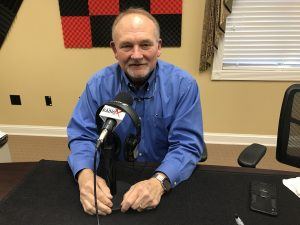
Phillip Sullivan has lived in Tucson for 11 years when I moved here to go to the U of A. I’ve been married for 10 years (Just recently celebrated our 10 years) and we have 3 kids, Taytn, Lennon, and McCartney.  He has been in the industry for 8 years now.  He originally started as an instore personal banker and has had a few different roles throughout my career.  

In addition to his professional, his kids keep him pretty busy and finding cool and interesting things to do in Tucson is probably their favorite thing to do.  

Phillip took a personal finance class while at the U of A and by that time he was already married with two kids. He says, in hindsight, the information provided was simple but really impactful to me and my family. Most students did not have a family and didn’t need to worry about setting a budget  or worrying about 401k management but I did. At the end of the course, I thought I should try to find a job, but at that point, I wasn’t really sure about a career where I could help families in the same position. I progressed in my career eventually helping businesses do the same thing I was with families.  

About Your Host

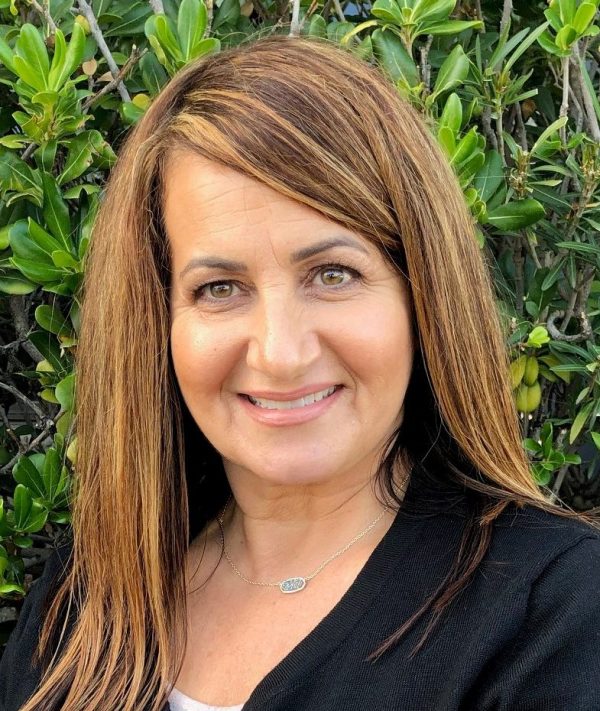
JaimeOverturfheadshotJaime Overturf
Farmers Agent, Entrepreneur
2555 N Campbell Ave
Tucson, AZ 85719
(520) 293-2900
joverturf@farmersagent.com

As a local Farmers® agent in Tucson, AZ, Jaime Overturf helps customers identify the insurance coverage that best fits their needs. This process is straightforward and personalized to help make them more informed about their insurance options.

Jaime has the knowledge and experience to help customers better understand their coverage options–whether that Jaime has the knowledge and experience to help customers better understand their coverage options–whether that’s auto, home, life, business insurance and more. You can connect with Jaime on Facebook.

Tagged With: connecting Tucson with Jaime

Inspiring Women, Episode 14: Lifting Up The Next Generation of Women

October 17, 2019 by John Ray

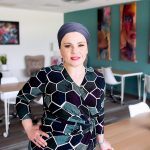
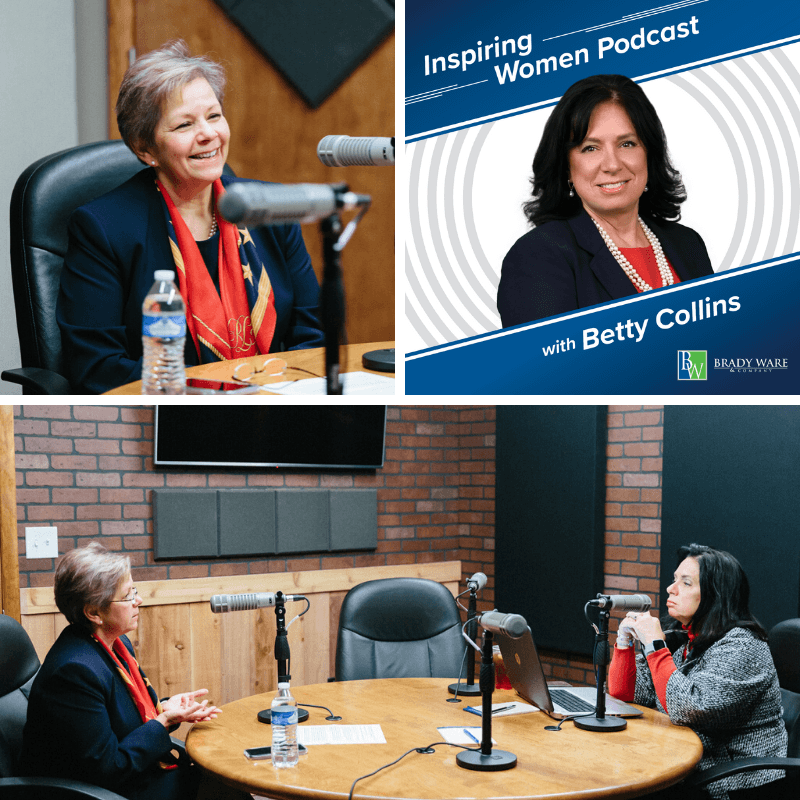
Inspiring Women PodCast with Betty Collins
Inspiring Women, Episode 14: Lifting Up The Next Generation of Women
Loading
00:00 /
RSS Feed
Share
Link
Embed

Download file

Lifting Up The Next Generation of Women

On this edition of “Inspiring Women,” host Betty Collins discusses lifting up the next generation of women. How do you create environments for women to thrive? What’s the best way to encourage the next generation of women? Betty discusses these questions and more in this edition of “Inspiring Women,” presented by Brady Ware & Company.

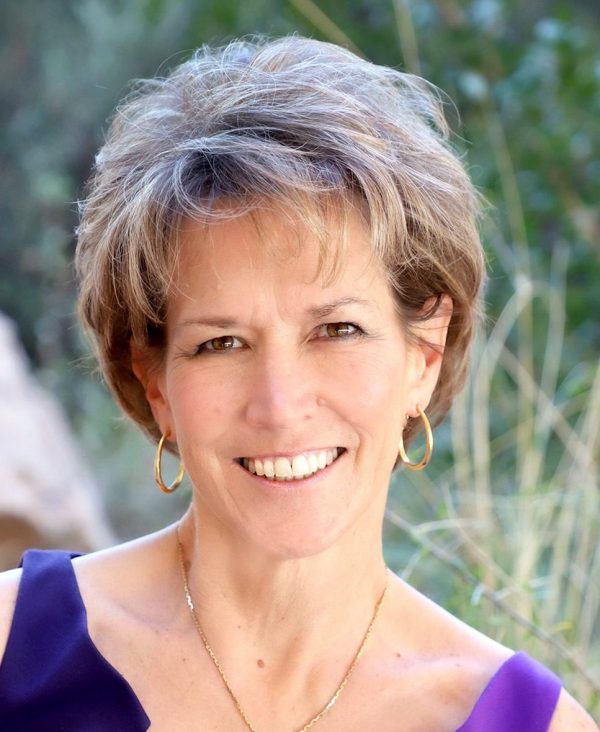
Betty Collins, CPA, Brady Ware & Company and Host of the “Inspiring Women” Podcast

Betty Collins, Brady Ware & Company

Betty Collins is the Office Lead for Brady Ware’s Columbus office and a Shareholder in the firm. Betty joined Brady Ware & Company in 2012 through a merger with Nipps, Brown, Collins & Associates. She started her career in public accounting in 1988. Betty is co-leader of the Long Term Care service team, which helps providers of services to Individuals with Intellectual and Developmental Disabilities and nursing centers establish effective operational models that also maximize available funding. She consults with other small businesses, helping them prosper with advice on general operations management, cash flow optimization, and tax minimization strategies.

In addition, Betty serves on the Board of Directors for Brady Ware and Company. She leads Brady Ware’s Women’s Initiative, a program designed to empower female employees, allowing them to tap into unique resources and unleash their full potential.  Betty helps her colleagues create a work/life balance while inspiring them to set and reach personal and professional goals. The Women’s Initiative promotes women-to-women business relationships for clients and holds an annual conference that supports women business owners, women leaders, and other women who want to succeed. Betty actively participates in women-oriented conferences through speaking engagements and board activity.

Betty is a member of the National Association of Women Business Owners (NAWBO) and she is the President-elect for the Columbus Chapter. Brady Ware also partners with the Women’s Small Business Accelerator (WSBA), an organization designed to help female business owners develop and implement a strong business strategy through education and mentorship, and Betty participates in their mentor match program. She is passionate about WSBA because she believes in their acceleration program and matching women with the right advisors to help them achieve their business ownership goals. Betty supports the WSBA and NAWBO because these organizations deliver resources that help other women-owned and managed businesses thrive.

Betty is a graduate of Mount Vernon Nazarene College, a member of the American Institute of Certified Public Accountants, and a member of the Ohio Society of Certified Public Accountants. Betty is also the Board Chairwoman for the Gahanna Area Chamber of Commerce, and she serves on the Board of the Community Improvement Corporation of Gahanna as Treasurer.

“Inspiring Women” Podcast Series

“Inspiring Women” is THE podcast that advances women toward economic, social and political achievement. The show is hosted by Betty Collins, CPA, and presented by Brady Ware and Company. Brady Ware is committed to empowering women to go their distance in the workplace and at home. Past episodes of “Inspiring Women” can be found here.

Show Transcript

Betty Collins: [00:00:00] Lifting the next generation of women … No, this is not a podcast on millennials. This is not a podcast on the 20-somethings. For me, I’m 56 years of age. I’m a young 56, but I am 56. And all the sudden, the word legacy starts being said out loud, because it’s kind of in your thoughts. It’s on your mind a little bit more. I think that 65 is a long way off. However, it’ll be here before I probably want it. Then what? I will tell you, without reservation, my CPA life will be completed. There is no question. The empowerment and the advancement of women is something I’m passionate about for many reasons, and it’s not just about success, or the rights; it’s just about a life well-lived on their terms. That can look different for everybody.

Betty Collins: [00:00:53] Lifting up the next generation of women is what I want for me to give and to be part of. It’s just part of my DNA, and it’s certainly something I want as part of my legacy, both in business and personal. There’s nothing like the energy of youth. I know, in my Columbus office, in Brady Ware, we have a lot of younger people, and we all love that. Watching from a distance, just the success of those 20-, 30-, and 40-somethings, just the energy, and just watching from a distance, that’s really not enough. Lifting them up – more, I’m going to talk more about the women part of it – is really a movement that I want to be a part of, and there’s no retirement to that. How do you just feed off that energy, maybe, and how do you maybe direct it; help them direct that energy? Then, how do you really get involved by not just being on the outskirts?

Betty Collins: [00:01:51] Again, this is not a podcast on millennials, although they are a part of the next generation. This is not even a podcast on my life, and now that it’s coming to a close, and it’s all ending, and my CPA career – I will never have to do accounting again … It’s not that. It’s just a podcast about having a discussion on how to lift up that next generation of women. Really, it goes beyond more than just sharing your experiences, because you’ve learned along the way, or mentoring. All that is important. It goes beyond even making sure that they don’t make your same mistakes, because they probably are going to make a lot of them. It’s important, obviously, to teach that. It goes really beyond, sure, that you’re not in this to change them, so that they do it your way; although you might know the way …

Betty Collins: [00:02:38] If you really want to uplift that next generation, you must determine what is the uplift; what is it that you want to uplift? Uplifting women in leadership? Is it about their careers? Is it about the potential? Maybe it’s about big choices in life – the significant other who you marry, parenting – maybe you are really good at that; faith, or core values. Whatever those things are, you’ve got to go, “This is what I really want to help that next generation be successful in.”

Betty Collins: [00:03:13] When you do that, you can start focusing in on that. Some of it is maybe you really help with what you are great at, or maybe what you’re not so great at, because that’s the one that you’d learn probably the most lesson from. You us those to uplift and get that next generation excited. Look around your life. What women uplifted you in the past, or are doing it right now? By the way, who are you uplifting? You need to think on that. If you got nothing, start making it part of your life, ASAP.

Betty Collins: [00:03:47] By the way, you don’t have to be 56 to be an uplifter of the next generation. I think we think it’s for gray-hairs, right? I read a really great article on what 30-somethings want 20-somethings to know. Chances are, a 30-something will resonate more with that 20-something than I would. Here are some examples. Be picky who you spend your time with. high school, it’s a popular contest; maybe even college, and then you start … You probably have some time where you need to whittle down some friendships. There’s only so much time in the day. That’s a 30-something telling that to 20s.

Betty Collins: [00:04:25] The 30-something is telling the 20-somethings to take more risk. I find that kind of comical, but that’s what they see. Here’s a good one – they say save more money. Your 401k is important. If I say, at 56, my 401k is important, like to my children, their response usually is, “Well, you have money to do that. You don’t have the bills I have,” and all that. Where a 30-, and 20-something, if a 30-something is starting to have success in that, the 20-something’s going to relate more.

Betty Collins: [00:04:58] Don’t dismiss your wild dreams. Slow down and be positive. Get rid of skinny jeans. I found that one to be funny, because I will tell you, when I see 56-year-old women looking like they’re trying to be 30, it really drives me crazy, so I found that one very interesting. They even said this in their article, “Don’t judge older women for spending money on eye cream.” They also agree that Sheryl Sandberg was right, you’ve got to have a lot of support. She was where she was because she acknowledged she had a great partner in life. I thought it was very interesting that I found more articles on 30-somethings wanting to give advice to 20-somethings. I didn’t find a lot about what you what 50-year-olds want 40s to know or even what 40-year-olds want 30s to know? I found that interesting.


Betty Collins: [00:05:51] Be aware, they may not want you lifting them up. Chances are, they’re not going to seek you out. Step up but be respectful. What inspires you may not inspire them. When I started a women’s initiative in Brady Ware, I thought, “Oh, Brady Ware’s so generous, they’re gonna let me buy books for all the women to read a book a month, or a book a quarter …” They didn’t want to read books. That was not them. I like a hard book with a highlighter. I always read about half of it. That didn’t interest them. It didn’t inspire them to help them.

Betty Collins: [00:06:26] You really have to figure out, then, too, what motivates them. My children are not motivated at the things I was motivated. They don’t care if they ever, really, a buy a house. They’re more into condo living in the downtown. When I was their age, that was the thing – you’ve got to get that 20 percent saved, so you could buy a house. You’ve got to get the house. What motivated maybe you or me, back in the time that they were their age is not probably the same.

Betty Collins: [00:07:00] These are things you have to be aware of. To uplift, you’ve got to be uplifting. You can’t be Debbie Downer, and go, “I’m gonna inspire you!” I remember one of my friends, her mom was really not doing very well; she was getting ready to pass away. She had cancer; they were in the hospital, and they were going around … They were sitting in the lobby just to get out of the room. Her mom was just a negative, negative person. She was not fun to be around at all. She saw somebody in the waiting room, and she leaned over to my friend, her daughter, and said, “I’m going to go help them. They shouldn’t be smoking, because this is what the result is.” She said, “Mom, you’re not gonna go do that,” because she knew that her mom was going to go over and just … It was not going to be a good conversation.

Betty Collins: [00:07:54] To be uplifting, man, you’ve got to be uplifting. It’s not about making you feel better. It’s about them. I’ll use this illustration – this may not make sense to you – there are preachers who are very preachy, fire and brimstone, and teach you, and tell you, and go on. Then there’s somebody who’s got a pastor’s heart. They’re that caregiver. They have compassion. Those are two different things. You’ve got to know the difference. Yeah, you can figure out what you want to uplift, because you’ve been good at it or you’ve been bad at it, but you’ve got to be aware of those things.
Betty Collins: [00:08:31] Then, you’ve got to be generous. Your mistakes, your barriers, your regrets – figure out a way to teach your life lessons to the next generation and learn from them. I know, with my kids, I was very determined that they were not going to work as much as I worked. They were not going to have to take care of things financially, like I had to do. That was my own little … I’m going to teach them that, man, life is good, and these are the things you can really aspire for, but I’m going to pay for all that and do that. They really kind of missed out on figuring out finances in life, like they should have. It took them a little time to do that, because I didn’t let them experience that. Instead, I was trying to take my mistakes and my barriers that I thought I had and just remove them from their life. Not a good thing.

Betty Collins: [00:09:20] Then, patience is required. You ever had that person in your life, you’ve got to be really patient with? Then, one day, they turn the corner, right? Being a mentor, and sponsoring someone, all those are important, but the informal, sometimes … Just that informal, day-to-day, shoot from the hip … Figure out what motivates them;  figure out what they need; figure out how to communicate to them – you might be surprised. I will tell you, I wish I would have known these things over the last 30 years. I wish I would have had some people in my life that said, “This next generation, man, Betty Collins probably could use this …” but these are things I really wish I would have known more of.

Betty Collins: [00:09:59] Cultivate the right attitude, no matter what you’re seeking. Sometimes, it was just I have to do this because I have to do this. Really? Or, I want to do this because I want to do this. Having that right attitude; that’s just one example of attitude, that I always did the “right” thing. I just always did what I was supposed to, instead of maybe this is what I really would like to do.

Betty Collins: [00:10:25] When all else fails, a plan is a good thing, but it may not always be reality. I was a big five-year planner in some of my years that I could have been a little more freer. Plans are good, and they probably are needed more in today … I see today’s generation behind me, and they really just go from thing to thing, but … Plans are good.

Betty Collins: [00:10:47] I did not learn this til later in life, and no one ever talked to me about it, or inspired me, but passion and the why are first, and then your how and your what. That’s been a big topic. Simon Sinek is big on it. I wish I would have known more about why I do things, or someone would have asked me those questions a little bit more, but they didn’t.

Betty Collins: [00:11:09] Mistakes are fruitful. If you’re not making mistakes, then you’re not doing anything. Okay, this is not my quote – it’s President Theodore Roosevelt – but it really is true. Sometimes, we’re buried in mistakes and just think, “Oh my goodness, how can I go on?” I was that way, and I didn’t want to go further. I would kind of hibernate a little bit more, instead of moving on, or learning from it. I wish, over the last 30 years, someone said, “If you want something, sometimes you gotta ask.” You’re not asking, so why should you … Other people around you are asking, so guess what they’re getting? Whatever that is. I just didn’t do it. I always thought, if you accept everything, accept your stuff around you, accept the position, accept the money, accept the status quo, then it’s a much more peaceful, good road. That’s not always the case. Questions are good. You know why? Because there’s going to be answers, probably, behind them. I wish I would have known that over the last 30 years.

Betty Collins: [00:12:11] Safety and security is awesome. It’s comfortable. It’s the safety net. I’ve never have to worry. There’s nothing to me like a full refrigerator, okay? But reckless, and that thing I call unruly, in my last … It’s not always a bad thing. Sometimes, hot dogs on fire at the last minute are just awesome. I’ve kind of learned to shake it up a little bit more with various things in my life. When I was 40 and went through things that changed a lot in my life, I ended up doing a tremendous amount of traveling from the age 40 to 50.

Betty Collins: [00:12:46] Man, I’m glad I did that. I’m so glad I said, “We’re gonna do this regardless.” We didn’t put as much money in a 401k. We didn’t do as much debt reduction on the house. But I probably can’t do a lot of the things I did, physically, for sure, on those trips and keep up. I’m just glad I was part of … Someone in my life, my husband, who said, “No, let’s go on an adventure. Let’s do something. We work hard all year. Let’s play hard.” Grateful for that. Most of my life, I didn’t ever hear those things. I’ve been married, and I’ve been divorced. I wish someone really would have emphasized the importance of that significant other, that spouse in your life.

Betty Collins: [00:13:32] Those are things that, over my last 30 years, when I was trying to figure out how would I help the next generation, these were things that matter to me now. These are things I would have never seen along the way. Hindsight’s really easy, but I’ve got to know that maybe someone doesn’t want to be married. So, finding your support to be your biggest fan isn’t going to help them. That’s why I go back to being aware in the different things I’ve talked about.

Betty Collins: [00:13:58] These are some things to think about when you’re wanting to uplift other women. Remember, surely, our seasons are all different. Your 20s are not your 30s, which are … Those are very different from your 40s; not to mention your 50s. Not sure what 60 holds, because I’m not 60. I’ve not been there, but I’m sure it’s different. The other thing about those different seasons are you may need to shift who you are being uplifted by or getting help from, because they are different. The 20-somethings can help the 55-year-old. It doesn’t always need to be, “Well, we’ve already been through this generation; we are helping here.” A lot of times, we can learn tremendously from them. It’s not a one-way thing.

Betty Collins: [00:14:44] Be aware of the women in your life that are around you. Start at home, in your extended family. Just sit and go, “Who is not making it? Who is not maybe living out their potential? Who could really use a friend, which can lead to help?” You can’t just go in with help, not knowing somebody. You have to have the relationship there. Be more intentional of it, and then keep it simple.

Betty Collins: [00:15:11] My previous podcast on building up women around you, I talked about that. Simple gestures; how you conduct yourself. Those familiar little simple random acts of kindness. Now, they have a hundred books on that. We live in a tough world with constant challenge; a lot of negativity; a lot of how are we ever going to do this? You’ve got to seize the opportunity now to uplift others. They really are intentional. They’re insightful about pleasure is a daily thing, because you don’t always have tomorrow. It’s not just for special occasions – fun, and pleasure, and contentment – it’s not just for holidays and weekends. Only two weeks out of the year is your vacation. You’ve got 50 other to do. Uplifting in a tough world right now is something that is so needed, and guiding that next generation, getting them where they need to be, even if they don’t know that they … Even if they don’t know that they need you.

Betty Collins: [00:16:07] I’m going to close this with some great sayings, because when I was out there on uplifting, a lot of times when I do podcasts, I Google certain words just to get ideas. Here are some things that you … I’m going to try to uplift you at the end here. “Do not dim your light for anybody. Darkness is no place to live.” I just  the way that quote sounded. This is a Betty Collins quote, by the way, “Leverage your uniqueness in life, but, remember, if you want to be funny and no one is laughing, you probably need to change what you are leveraging. Be aware.” “Today, you could be drinking the wine. Tomorrow, you could be picking the grapes.” You probably need to expect that to happen, so be ready, and learn, and try to enjoy both seasons. “There is power in purpose. Stuff is just stuff, for the sake of stuff.” We need to accept that we won’t always make right decisions, that we will screw up royally, sometimes; understanding that failure is not the opposite of success, it’s part of it.

Betty Collins: [00:17:11] Today, I hope you sit back and think, “Who can I help in that next generation? Who can I uplift, especially women I’m passionate about, if anyone?” Really sit and go, “How can I help, and be effective, and have that impact?” I’m Betty Collins, and I hope you enjoyed today. Thank you.


Tagged With: CPa, CPA firm, Dayton accounting, Dayton business advisory, Dayton CPA, Dayton CPA firm, Inspiring Women, Inspiring Women podcast, woman owned business, women entrepreneurs, Women in Business, women-owned businesses

Decision Vision Episode 35: Should I Hire a Business Development Coach? – An Interview with Rod Burkert, Burkert Valuation Advisors

October 10, 2019 by John Ray

Decision Vision
Decision Vision
Decision Vision Episode 35: Should I Hire a Business Development Coach? – An Interview with Rod Burkert, Burkert Valuation Advisors
Loading
00:00 /
RSS Feed
Share
Link
Embed

Download file

Mike Blake and Rod Burkert

Decision Vision Episode 35: Should I Hire a Business Development Coach? – An Interview with Rod Burkert, Burkert Valuation Advisors

Why should I hire a business development coach? What are the most important aspects of marketing my professional services? In this interview with “Decision Vision” host Mike Blake, Rod Burkert of Burkert Valuation Advisors answers these questions and much more. “Decision Vision” is presented by Brady Ware & Company.

Rod Burkert, Burkert Valuation Advisors

Rod Burkert, CPA, CVA, and his wife, Amy Burkert, CPA, CFA, with their dogs Buster, left, and Ty, stand in front of the RV that serves as their mobile office and their home.

Rod Burkert is the Founder and President of Burkert Valuation Advisors.

In one way, shape, or form, Rod has performed valuations since the late 1980s. In July 2000, he started Burkert Valuation Advisors in Philadelphia where he ran a “traditional” valuation practice for 10 years that focused on tax purpose valuations for manufacturers and distributors.

Based on that experience, in 2013 Rod began coaching BVFLS (business valuation and forensic legal services) professionals to mentor them in the marketing and positioning skills they need.

In March 2010, he began traveling full time throughout the US and Canada in an RV with his wife and dogs. Today his mobile consulting firm includes his valuation practice and a coaching business, all of which he built by leveraging his professional network, social media, and hiring virtual assistants to make the available technology work for him.

For more information, you can email him directly, go to his website, or you can find him on LinkedIn.

Michael Blake, Brady Ware & Company

Mike Blake, Host of “Decision Vision”

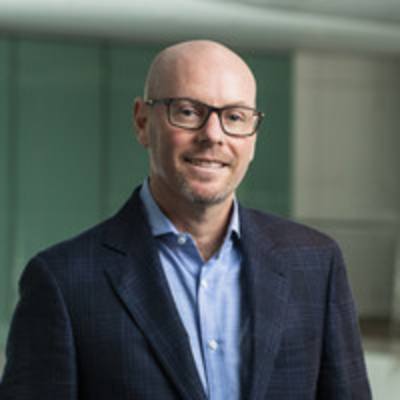
Michael Blake is Host of the “Decision Vision” podcast series and a Director of Brady Ware & Company. Mike specializes in the valuation of intellectual property-driven firms, such as software firms, aerospace firms and professional services firms, most frequently in the capacity as a transaction advisor, helping clients obtain great outcomes from complex transaction opportunities. He is also a specialist in the appraisal of intellectual properties as stand-alone assets, such as software, trade secrets, and patents.

Mike has been a full-time business appraiser for 13 years with public accounting firms, boutique business appraisal firms, and an owner of his own firm. Prior to that, he spent 8 years in venture capital and investment banking, including transactions in the U.S., Israel, Russia, Ukraine, and Belarus.

Brady Ware & Company

Brady Ware & Company is a regional full-service accounting and advisory firm which helps businesses and entrepreneurs make visions a reality. Brady Ware services clients nationally from its offices in Alpharetta, GA; Columbus and Dayton, OH; and Richmond, IN. The firm is growth minded, committed to the regions in which they operate, and most importantly, they make significant investments in their people and service offerings to meet the changing financial needs of those they are privileged to serve. The firm is dedicated to providing results that make a difference for its clients.

Decision Vision Podcast Series

“Decision Vision” is a podcast covering topics and issues facing small business owners and connecting them with solutions from leading experts. This series is presented by Brady Ware & Company. If you are a decision maker for a small business, we’d love to hear from you. Contact us at decisionvision@bradyware.com and make sure to listen to every Thursday to the “Decision Vision” podcast. Past episodes of “Decision Vision” can be found here. “Decision Vision” is produced and broadcast by the North Fulton studio of Business RadioX®.

Visit Brady Ware & Company on social media:

LinkedIn:  https://www.linkedin.com/company/brady-ware/

Facebook: https://www.facebook.com/bradywareCPAs/

Twitter: https://twitter.com/BradyWare

Instagram: https://www.instagram.com/bradywarecompany/

Show Transcript

Intro: [00:00:02] Welcome to Decision Vision, a podcast series focusing on critical business decisions, brought to you by Brady Ware & Company. Brady Ware is a regional, full-service, accounting and advisory firm that helps businesses and entrepreneurs make vision a reality.

Michael Blake: [00:00:20] And welcome to Decision Vision, a podcast giving you, the listener, clear vision to make great decisions. In each episode, we discuss the process of decision making on a different topic. Rather than making recommendations because everyone’s circumstances are different, we talk to subject matter experts on how they would recommend thinking about that decision.

Michael Blake: [00:00:39] My name is Mike Blake, and I’m your host for today’s program. I’m a Director at Brady Ware & Company, a full-service accounting firm based in Dayton, Ohio, with offices in Dayton; Columbus, Ohio; Richmond, Indiana; and Alpharetta, Georgia, which is where we are recording today. Brady Ware is sponsoring this podcast. If you like this podcast, please subscribe on your favorite podcast aggregator, and please also consider leaving a review of the podcast as well.

Michael Blake: [00:01:03] So, our topic today is, should I hire a business development coach? And I’ve picked this topic because, as most of you know, I’m a shareholder inside an accounting firm. And one of the hard—one of the struggles that almost every accounting firm faces is, how do we motivate people to develop business? How do we train people to develop business? Because at the end of the day, in the 21st Century economy, it’s all well and good to be a great technician, but if all you have in a firm is technicians, it’s like trying to win a baseball game with great pitching only, you wind up having zero to zero. And you can’t win that way. So, you’ve got to have people and a culture that drives the ability to generate revenue. And the accounting industry, in particular, is not one that is necessarily known for its outgoing, gregarious nature. And so, that’s a particular area that that we focus on.

Michael Blake: [00:02:08] And, for me, as a leader of a valuation and strategic advisory practice, at least 70% of what I do has something to do with business development. And I can tell you that the things on the mind of our partners all the time is, how do we get people excited, and not just excited, but also trained to generate revenue? Because it’s not fair to send a bunch of kids out there, or sometimes not kids say, you know, “Go back, get us some business. Go get them.” That’s not going to produce an outcome, except for the occasional outlier. There needs to be an important support system for that.

Michael Blake: [00:02:46] And I say this is not somebody to whom sales necessarily comes naturally. When I started my career in investment banking, I was the clock guy. I was the guy they locked into a room, and shoved in front of a spreadsheet, and left them with the textbooks, and just made sure it never ever got in front of the client because that was my role. We had other people that were much more comfortable than I. And then, over a number of years, working with coaches, including Rod, for a time, I’ve managed to become slightly below average, which doesn’t sound a lot, except when you understand the disaster I was when I started. And, actually, it’s quite a long way.

Michael Blake: [00:03:25] And joining us today by phone is is Rod Burkert, who is, I think, the best in the business when it comes to this kind of topic in the business valuation arena. And I’m proud to say that I was actually a client of his when I had my own practice for a little bit under a year, and I fired him for the best reason possible, is that I was generating so much business, I could not handle all of it. I had to turn off basically. And I give him a lot of credit for that, as well as another coach sort of earlier in my career. And I can’t think of a better endorsement than that. And it happens to be true.

Michael Blake: [00:04:03] But Rod is the founder of Burkert Valuation Advisors, a business valuation and litigation support firm. His assignments focus primarily on income, gift, and estate matters, specializing in closely held companies and private investment partnerships. He also provides report, review, and project consulting services to assist attorneys and other practitioners with their engagements between 1996 and 2025. Rod was a member of an elite instructor for the National Association of Certified Valuation Analysts – just rolls off the tongue – Consultants Training Institute. Missing the classroom environment, he rejoined the NACVA’s teaching circuit in 2011, championing the subject of Report Writing, another topic near and dear to my heart.

Michael Blake: [00:04:42] He is a recipient of various instructor awards, including the Circle of Light and Instructor of the Year. He is a past chairman of NACVA’s executive advisory board and education board, and has been named one of NACVA’s outstanding members. He is also a regular contributing author to Business Valuation Update, the Value Examiner, and Financial Valuation and Litigation Expert. If you’re not in valuation, you don’t know what those are, but those are basically the Sports Illustrated of the Valuation World, the New York Times of the valuation world. Rod is leveraging social media to build a mobile valuation consulting practice, allowing him to travel full time in an RV throughout the United States and Canada with his wife, Amy, and their two dogs. And Rob, thank you for taking time off the road to talk to us today.

Rod Burkert: [00:05:26] Hey, thanks, Mike, for having me. I appreciate it. I—gosh, until you read my bio, I didn’t realize how much I’ve done, but it sure sounds like a lot, doesn’t it?

Michael Blake: [00:05:38] Well, as I tell people, one of the benefits I see for myself having gray in my beard and two arthritic ankles is, at least, when you look behind in the rearview mirror, there’s some interesting stuff.

Rod Burkert: [00:05:49] Exactly, exactly.

Michael Blake: [00:05:51] So, you started out, I think, as did I, as a practitioner, giving out the work. Why did you decide that you’re going to develop, if you will, this persona or this new vocation of practice development training?

Rod Burkert: [00:06:13] Well, one of the things that you said in the beginning kind of struck me as pretty close to home is back in the day, when I started doing valuations, if someone said to me, “Describe your ideal day,” I would have said, “Sitting in front of a computer building an Excel model to help a client accomplish some—you know, or solve a valuation problem.” So, I was very much the nerd sitting in front of a computer as well, but I had my own practice, and I had to bring in work in order to build those kinds of models.

Rod Burkert: [00:06:50] And so, I’m kind of an outgoing person. I don’t mind getting out there. And I actually found that the more I did it, the more I enjoyed it. And then, I turned 60. So, I’m 63 now, but when I turned 60, I’m thinking my health is really good, I’m having a great time, I’m not thinking about retiring, I’ve got a long road ahead of me, and I have an opportunity really to embark on a second career. And for me, that second career piggybacked on what I know and what I do best, which is doing business valuation work. But instead of doing the work, I’m actually, as you said, helping people get the work because there is a lot of information out there that’s of a very technical nature. It tells us how to do the work, but nobody tells us how to get the work.

Rod Burkert: [00:07:47] And the last piece of why I’m doing what I’m doing, as you mentioned in the introduction two days ago, my wife and I officially crossed 9.5 years that we have lived full time in our RV, traveling throughout the United States and Canada with our two dogs. There’s no home. There’s no storage facility. Everything is in the RV. And I want to give that RV equivalent experience to other people in our profession. So, I don’t expect everybody to think that they’re going to pull up stakes and live in an RV like Amy and I do. But rhetorically speaking, Michael, what is your RV equivalent experience? What is it that you would like to do in tandem or in parallel with the business valuation work that you do? And one of my—kind of one of my success stories is a client that I am working with, and he really had a previous life as a painter and an artist. And we’ve restructured her practice to give that life back to her again.

Michael Blake: [00:09:00] So-

Rod Burkert: [00:09:00] That’s why I’m doing this.

Michael Blake: [00:09:02] Okay. So, yeah. And obviously, you’re helping a lot of a lot of people with it. So, before we go, I’m going to define a term because what we’re going to be talking about here is business valuation because that just happens to be my world. But I want to emphasize that Rod, also, helps people that are in the forensic and litigation services area, which generally means expert witnesses. And that that’s not an area which I play in. I’m on record saying that’s not my strength, to put it mildly. But a lot of what Rod does is he works with professionals like that as well.

Michael Blake: [00:09:38] So, when I say business valuation, because I don’t want to say that entire mouthful each and every single time, just imagine to yourself out in the audience that we’re also talking about forensic and litigation services. So, with that in mind, the question then is, can anyone do this? Can literally anyone who decides that, for whatever reason, for career development, or for survival, because they’ve got to eat, and they’ve got this practice, can anyone develop a business valuation practice?

Rod Burkert: [00:10:11] I think, to an extent, the answer to that question is yes with a huge but caveat. And that caveat is simply this, it’s that you have to be willing to keep showing up to try new things and always keep moving forward. And I think that’s the problem with many people in our profession. They don’t have that dedication to the consistency and persistency that’s required for the marketing that you need to build a practice.

Rod Burkert: [00:10:46] So, one of my coaching clients coined a really cool term. He’s been accused by his friends and colleagues of dolphin marketing. And what is dolphin marketing? Well, dolphin marketing is when you need work because everything in the pipeline is done, you come up for air, you breach out of the water, you grab a few new clients, and then you disappear under water, and nobody hears from you again until you need more work. That’s dolphin marketing.

Rod Burkert: [00:11:18] Anyone in our industry who we might call an industry titan, the seasoned professional, will tell you that you need to be out there marketing, if not every day, at least every week. And I think, given some of the mentality in our profession, we don’t want to do that. We convince ourselves—to me, we convince ourselves, “I’m a person that was never good in math,” and I had convinced myself that I will never be good in math. When actually, it’s a learned skill like anything else that we do. You can learn to be good in math, and you can learn to be good in marketing and practice development if you don’t talk yourself out of it.

Michael Blake: [00:12:05] What you talk about resonates with me. A podcast to which I listen fairly frequently is the Rosen Institute. You might have heard of it.

Rod Burkert: [00:12:14] Oh, yes.

Michael Blake: [00:12:15] Yeah. I mean, Lee Rosen is very much a kindred spirit of yours, except he goes global. And one of the things he says is that almost any marketing activity you do will be successful as long as you stick with it, and you’re consistent.

Rod Burkert: [00:12:31] And yes, I agree with that. And related to that, Michael. You have to like it. I mean, one of the things is what works for others may not work for you. And what works for you may not work for others. But the important thing is to play to your strengths. I would never advise a coaching client that they need to be out there speaking constantly if they didn’t really like speaking, or writing, or doing videos, or anything like that. You have to pick a marketing skill that you are halfway good at, so that you can learn to get better and enjoy doing or else, you won’t stick with it. And that goes back to being consistent and persistent.

Michael Blake: [00:13:14] So, why isn’t just being a great technician good enough? I mean, the little voice in my head that says the world in America is a meritocracy. Tell us. And maybe this is a rationalization that the marketing and sales are just fluff, but I’m a professional of substance, and I’m really good at the business valuation, et cetera, world. Why is that not good enough?

Rod Burkert: [00:13:39] Yeah. I mean, I used to think being a technician would be good enough. And then, I read Dale Carnegie’s book, How to Win Friends and Influence People. That book was written back in the 1930s. So, 80 some years ago, Dale Carnegie had this observation about the finance, about the success of the people that he was coaching. And he says, basically, it’s by observation that if you look at anyone who has achieved some level of financial success, 15% of that success is due to technical skills, and 85% of it would be due to what we would call today people engineering skills, the soft skills like good listening, having empathy, being patient. That has—I think, many times, we gravitate to somebody who can capture our imagination and tell us what they can do for us without, actually, supplying the mathematical solution for what they can do for us.

Michael Blake: [00:14:56] Now, sales, for people who don’t do it, and for me, I surprisingly found to my to my astonishment, really, that I get a big endorphin rush from it, but not everybody does. And some people—I think a lot of people still look at sales with a certain amount of apprehension, even dread. And I’m sure it comes across people’s minds, “Maybe I could just hire a salesperson or maybe partner up with a salesperson.” Is that. Is that a model that could work for a small firm, or is that just sort of putting a Band-Aid on a gunshot wound?

Rod Burkert: [00:15:32] Well, there are firms out there, even in our business valuation space, that have a team of salespeople only. They do not do valuation, or forensic accounting, or litigation services work at all. They go out and their job is to sell the work. And they have built an incredibly successful practice. I think they are five or six offices. They’ve been around for like 80 years, and they have used that model to some success.

Rod Burkert: [00:16:09] Rhetorically speaking, though, if you’re the prospect, at that point, because you haven’t signed on, this isn’t a widget that we’re selling. We’re selling a solution to an acute problem that could be the death of a family member, and their interest in the business needs to be valued for estate tax purposes. It could be the sale of your business, something that you’ve built over the course of your lifetime. And now, it represents the largest asset that you own. When it comes to interviewing somebody that’s going to help you solve that problem, do you want to meet somebody who’s selling the solution or somebody who is going to be preparing this solution?

Rod Burkert: [00:16:56] So, I’m not saying that the sales model where you’re wanting to hire somebody to outsource the sales piece of your practice development won’t work. But I think where we really fail most often is the people that do the work that we do, we don’t put ourselves in the shoes of the client. And how would we feel if we were going to have our problems solved by a salesperson as opposed to a person that’s going to actually do the work?

Rod Burkert: [00:17:27] You go to a doctor, there’s no salesman selling you the procedure that you need to have performed. There is the doctor that’s telling you the what, the why, and the how that this procedure needs to be performed. And I think with a professional service like ours, to me, prospects and clients want to meet with the person that’s going to be doing the work, not the person that’s just going to be selling the work.

Michael Blake: [00:17:57] Now, one of the objections, I’m sure, you face, and I certainly see with somebody who is confronted with the need to develop a business development mentality and business development practice, if you will, is a lack of time. I don’t have time to sit. I don’t have time to do X, Y and Z. And I’m curious, I would imagine that—I know this for a fact, as I’ve been a client of yours, is that it’s not a free ride to kind of jump on board the Rod Burkert training and become a coaching client, is it? I mean, there’s a there’s a time commitment and not just inside of school, if you will, but outside as well to prepare and build those skills, and build those business development muscle, isn’t there?

Rod Burkert: [00:18:45] There is. And I think, a big factor in all of this in what you said, Michael, is really how—first of all, well, how successful of a practice do you want? What does success mean to you? Because there are some people, you and I both know them, that have a successful practice simply by sitting in their office and aggressively waiting for the phone to ring. That’s a term that I used in coaching with you. And they are perfectly happy with that. They’ll never make high six figures doing that or it would be unusual to think that they could, but if they’re making a low six figure billing revenue and however you want to look at it, that may be all they need, and they’re not going to invest time with a coach like me.

Rod Burkert: [00:19:38] And on the other hand, there are people who want more for different reasons. And they’re not just necessarily saying more income. I’m saying more time, more money, more freedom. You have to put some systems in place to realize those things. And that’s what I would like to think that my coaching helps people do, not just more money but more money with more time and more freedom to use that money to, again, have that RV-equivalent experience.

Michael Blake: [00:20:12] And one of the time investment required by a coaching client of yours, let’s say, in a given week? How many hours do they expect to invest in their education that’s being led by you?

Rod Burkert: [00:20:25] I would say that there is a ramp up. In the beginning, it may be a few hours a week tailoring down. I mean, there’s two things, if you can bear with me here, Michael. Number one is it depends on when you come to me, how much authority, how much awareness that you have because there are people in the profession that don’t do marketing per se. They’re not out there networking like we think that they might do. Their networking is speaking and writing. And so, for them, they’re not investing any time in marketing, again, per se. They’re just doing what they like to do, which is speaking and writing.

Rod Burkert: [00:21:07] The other part of what this is, of what I teach, is something that you should be doing anyhow to build your practice. Let me give you a great example. I’m at a speaking event, someone says to me, “I’m a tax person. I would love to get a valuation practice up and running. And I just don’t—but I just don’t have the time.” And I was kind of blunt, and that’s my style. And my first question out of my mouth was, how much television do you watch a week? And he was all proud of the fact that he was a Cubs fan, and that during baseball season, he’s watching every game somehow streaming on television. And I said, “So, to me, an average baseball game is like three hours a week, three hours a game. And you’re watching multiple games a week. And now, you want to tell me that you don’t have time for marketing.”

Rod Burkert: [00:22:02] So, that enters into it as well. Meaning, how badly do you want this? Do you just want to gripe about your situation, or do you actually want to take time from other activities that really don’t contribute any value to get you to where you say you want to end up, and invest it in coaching time, and learning how to market and build a practice?

Michael Blake: [00:22:30] I remember reading that story. You put it on your mailings, at least, once. And it’s—yeah, it is a great story. And television is one of styles, sort of, t sucks too. You don’t realize how much time has gone until you—sometimes, you do wake up, but you look up, and you say, “Oh, my gosh. My whole evening is gone. I could have written an entire article in the four hours I just spent watching that TV.”.

Rod Burkert: [00:22:57] Right.

Michael Blake: [00:23:00] So-

Rod Burkert: [00:23:00] And if I can say, one of the last things—well, one of the things that I teach people is how to automate certain processes. Now, I don’t have a sales system or anything like that. But given what I know, given what I can teach people about platforms like Facebook and LinkedIn, there is a way to automate your connection requests. There’s a way to automate your scripts and use conversations on LinkedIn Messenger or Facebook Messenger to make it seem like you’re actually having a conversation until you get to the point where you find out that the person really does want to buy from you whatever they’re buying, and you take that conversation offline, and have—and call them, reach out, and phone, and have them have that real discussion.

Rod Burkert: [00:23:51] But there’s a lot of automation that can go on at the front end that you don’t have to be sitting at your computer to do or it happens for you. You’ve got to invest the time to set the system up. But man, once it’s running, it really works.

Michael Blake: [00:24:09] So, what about the duration of an optimal coaching relationship?

Rod Burkert: [00:24:14] And I’m supposing some of them may not be true. So, I’m likely going to learn something, but contrast with, say, a therapist, where—and I think part of what you do is therapy, good therapy, but there are some people that have lifelong relationships, or certainly years or decades-long relationships with therapists, is there ever a point in a coaching program such as the one that you run where your clients graduate, or is this something that you think that it’s a long term, maybe ideally a semi-permanent commitment to that relationship?

Rod Burkert: [00:24:51] Yeah, good question. And tongue in cheek, I think you stay with a coach as long as the return on investment is greater than or equal to the investment. And I think what really pivots people here is that our average engagement could be anywhere from at the really low end if you’re competing on the basis of price, maybe you’re doing work for $5000. But our engagements could easily go up to $25,000, $30,000, $50,000. $100,000 if you’re doing litigation support work, and it’s a big case. I mean, that happens.

Rod Burkert: [00:25:29] So, if I can teach you something that helps you get those kinds of—that kind of case work at those kinds of fees, and let’s say my coaching is $10,000 for an entire year, or that’s what it comes out to, because it’s close to that, but I’m helping you get three, four, five engagements at a multiple of $10,000, or $15,000, or $20,000 that you would not have otherwise gotten as a result of the coaching. Why wouldn’t you stick with me or any other coach, for that matter, that can help you develop that kind of a return on your investment?

Michael Blake: [00:26:08] Well, okay. So, yeah. So, there you go. So, I’d like to jog down to that a little bit because we’ve talked about the skill set that you help your clients acquire. And that’s a big part of what you’re offering. But my sense, also, is that’s for some people, you’re also just offering an accountability partner, so that people do, in fact, stay engaged, they stay motivated, they stay on task. (A), is that a fair characterization? And (B), if you had to guess, in many cases, is that accountability contribution even of equal value to the technique and skills contribution that you make?

Rod Burkert: [00:26:52] Yeah, it’s interesting that you put it that way, Michael, because if you think about it, we know – we know what we need to do to be successful because what it takes to be a success in an industry like ours hasn’t changed in generations. Quite frankly, it hasn’t changed in centuries. You get known for what you know by a combination of speaking and writing. And perhaps, in this day and age, video or podcasting. So, you see, you know what you should be doing. So, one of the big reasons people come to me is that accountability because they know that we’re going to have twice monthly meetings, and I’m going to ask them what progress that they’ve made towards the goals that they set for themselves to have the practice that they say that they want to have.

Rod Burkert: [00:27:48] So, accountability is a big thing. It’s not like I can’t teach you some things about, for example, something has come out in the last couple of weeks that has really changed the game about how people should be using LinkedIn. I can teach you that, but it doesn’t take away from the fact that you know you should be using LinkedIn in some way, shape, or form to help build your practice. Now, are you going to do it? Are you going to set aside 10 or 15 minutes every morning and every afternoon to use it? Well, that’s where accountability comes in because you know, as a coaching client, you’re going to have to report back to me about what you did and didn’t do in the last two weeks.

Michael Blake: [00:28:35] So, you’re a big proponent of your clients making themselves visible experts. And it’s important to note, there are there other marketing opportunities or channels available if you choose to. But you’re very much on the visible expert train. Why exactly is that as opposed to other potential marketing channels or approaches?

Rod Burkert: [00:28:59] A great question. And I think the answer is simple. If you put yourself—if we’re—if we put ourselves in the client’s shoes when we have a problem, we want a visible expert to solve it. I mean, if there’s something going on in your family, in your household, in your home, and it needs to be—and by that, it could be a medical emergency, all the way down to a plumbing emergency, do you want to call somebody that nobody has never heard of to solve your problem, or do you want to call somebody that you know of, or that your friends can highly recommend because they know that that person can successfully solve your problem? And I think we would agree with the latter. I mean, we want somebody who has solved our problem multiple times successfully.

Rod Burkert: [00:29:51] And the way you do that is to have—first of all, you have to have the skills and knowledge. So, you have to be an expert. You have to have expertise. But no one’s going to know about your expertise, or your authority, or what you’re known for if you don’t get out there because we need to be where the buyers of our services are when they need us. And so, if you’re not out there constantly priming the pump with speaking engagements, writing articles, again, whatever is your strength, doing videos, how’s anybody going to know to call you?

Michael Blake: [00:30:30] Well, yeah. That’s true. And, of course, as a presupposition, and I think an important one, that you don’t want to be a commodity. One thing you could do is the alternative, is you could adopt sort of a Yellow Pages model, put yourself in directories. Believe it or not, I actually do a case. I get an email from appraisers.org. I never landed a client or even came close, but at any rate—and you can sort of go that route, but by making yourself a visible expert, you are elevating yourself and making yourself, I think, a much more obvious fit to solve that problem too, right?

Rod Burkert: [00:31:06] Right.

Michael Blake: [00:31:07] So-

Rod Burkert: [00:31:08] Exactly.

Michael Blake: [00:31:09] I want to switch gears a little bit and talk about the the the nature of the coaching relationship itself. Somebody is looking for a coach like you, and they may have a view as to what an outcome, desirable outcome would be. Can you talk about what are some—what are realistic expectations of a coaching relationship? I’ll just have you talked about you because I don’t want you to speak for all other coaches, but what are realistic expectations of a relationship with you? And maybe what might be some unrealistic expectations somebody might have in a relationship with you?

Rod Burkert: [00:31:47] Sure. You’ve heard the expression, “You can lead a horse to water,” right?. And I think the an example of an unrealistic expectation and a coaching relationship is that me imparting knowledge to you is going to solve your problem because information is dramatically different than implementation. And the coaching client in any field is going to have to take the information from the coach and implement it. So, I can give you what you need to do. I can tell you why it’s important that you do that. And as a coaching client, I will even show you how to go about doing it. So, I will give you the what, the why, and the how. But if you don’t do anything with it, if you don’t do the work, if you don’t implement it, your situation is not going to change.

Rod Burkert: [00:32:47] You just may—you may learn more, you may be more knowledgeable, but if you don’t do anything, nothing’s going to change. If you don’t get out there on LinkedIn, if you don’t get out there and write, if you don’t get out there and speak, even though, again, you know these are the things you should be doing, nothing’s going to change. And quite frankly, Michael, when I see that happening in a coaching relationship, I will terminate the relationship because I’m not—I don’t want to take people’s money. If I see that they’re not implementing, we have a come-to-Jesus conversation, and I give them a little bit of time after that, and if they’re not working it, then I’m not helping them.

Michael Blake: [00:33:28] And look, I think, to be perfectly candid, too, it’s a self-defense mechanism for you as well. And I know how you coach in groups. So, if a person is not engaging, it means they’re not contributing to the other people who are, sort of, in your study group, if you will. And also—and I fired clients for similar things where I don’t want a client paying me, not taking my advice, have it not worked out, and then run around telling everybody what a moron I am because they didn’t take my advice.

Rod Burkert: [00:34:02] Right, exactly. I mean, there’s there is something in your reputation that you want to preserve out of all this too.

Michael Blake: [00:34:08] I think absolutely. What you talk about reminds me of a running joke my wife and I have. So, years and years ago, I used to be a tournament chess player. And one thing that my wife could always count on was whenever I came home from a tournament, I’d come home with, at least, three chess books. And they looked great, and they make you sound so smart. But there’s a problem with chess books, and this is the spoiler alert. They’re really boring to read. And so-

Rod Burkert: [00:34:38] I can imagine.

Michael Blake: [00:34:38] Right? They’re just not a page turner. Even though I was, in my day, a pretty strong player, they’re not boring. They look great on the shelf. And at some point, I had to stop stop myself from buying them because only in the books did not magically create this energy field that made me a stronger chess player. They just took up space on my bookshelf and made free space in my bank account.

Rod Burkert: [00:35:07] God. Yeah. Again, the difference between information and implementation.

Michael Blake: [00:35:14] So, one issue practices have, and I face this in mine, not urgently, but it’s something I think about a lot is training kind of the next generation. Many practices, as you know, sort of have a patriarch at the top of the practice, right? It could be Chris Mercer, who I know you have a good relationship. It could be Shannon Proud. It could be Jim Hitchner. And then, they have people that are working for them and are professionals in their own right. And all of those people know what it takes to build a successful and valuable firm, that if it’s going to have value, better not be entirely dependent on one person doing all the rainmaking. Do you think there’s a role for coaching in some capacity to help address the problem or the challenge of raising the next generation of visible experts? And if so, do you have any idea of what that may look like?

Rod Burkert: [00:36:16] Yes and yes. I think, to get to the heart of your question, it sounds like, well, is there a problem in training the next generation? And I think you’ve got to look at it from the origin of marketing. I mean, again, we came into this profession, Michael, many, many years ago, where there was no expectation that we needed the market. We were going to be those technicians and succeed solely on that basis. And then, things got tough.  We started to realize that if we really did want to get anywhere, we needed to do marketing.

Rod Burkert: [00:36:55] Just as a quick aside, I had a managing partner and accounting firm come to me when I was running a valuation practice in an accounting firm, comes into my office one day and says, “Damn it. The problem that I’m having is I can always find people to do the work. You can’t find people who can get the work.” And so, I suddenly realized, that was like a big aha moment for me that if I wanted to get anywhere, I needed to get the work. And so, begrudgingly, my generation – again, I said I was 63 at the top of the podcast – I happen to be what I consider a baby boomer trapped in a millennial body, or, I’m sorry, I’m a millennial trapped in a baby boomer body, the other way around. But we’ve begrudgingly learned these things that we have to do to bring in more work. We have to network. We have to have lunches, and breakfasts, and coffees with attorneys. We have to do it this way.

Rod Burkert: [00:37:54] And that patriarch at the top of the firm is saying to the younger generation, “This is how you have to do it,” and it doesn’t work that way because generations change. And the patriarch grew up with a certain generation of colleagues and referral sources for which networking events, for example, worked for them. But I hate to even say the millennial generation because it sounds like we’re maligning them, but I don’t mean to, they’re growing up with a cohort of similar-minded people who saw the damage of being away from your family all the time create. So, going out and networking every night of the week is not something that you’re going to convince the millennials the right thing to do. They’ve grown up with all sorts of phone apps, and texting, and that is how they communicate with each other.

Rod Burkert: [00:38:54] And these millennials, if they’re professional service providers, they’re going to get work from attorney and CPA referral sources who are their own age, who grew up with the same technology, and have the same shared experience of wanting to be with family and wanting to do a good job. So, I think when there’s a breakdown between trying to train the younger generation, it’s because we’ve already approached the relationship that these people are lazy, and they spend too much time on their phones, and they don’t want to get out there, and we make them bad and wrong because we want them to do it our way.

Michael Blake: [00:39:37] Yeah. And darn it, we want them to pair the same horrible price we had to pay, regardless how much sense it makes.

Rod Burkert: [00:39:43] Exactly. I mean, think about it the other way around. What if patriarchal generation grew up with texting as a way to bring in new work, but the younger generation didn’t like that? They don’t like texting. They want to have real conversations with people. They want to go out and meet them in person. They want to go to networking events. Would we, the older generation, be yelling at millennials if they didn’t want to stop texting to get business, and instead wanted to go out and do networking events? Would we be yelling at them because they want to do networking and not rely on something more technology related?

Michael Blake: [00:40:23] Yeah, and I see that. I see that in my practice because, as you know, I do a lot of work in the tech space. So, my demographic tends to skew a little bit younger. And I’ve actually not met about half of my clients in person, and it doesn’t matter, right? Even if I did a site visit, I wouldn’t even see servers anymore. I would see a bunch of Macbooks, and iPads, and a couple of conference rooms. If, they might even be in a coworking space. But they’ll respond to a text, they’ll respond to a tweet. I can read some through Instagram. And as you have often said, in a way, that millennial generation has it right because if you think about the investment you have to make, meeting one person at a time, breakfast, lunch, drinks, whatever it is, right, in the time you spend doing that over the course of a month, you could have reached 100,000 people over social media.

Rod Burkert: [00:41:19] Several times. Several times over. That’s exactly right. And just try and say, “Hey, we don’t care so much.” What we’re really saying as the patriarch, we don’t care about the results as much as we care about your methodology.

Michael Blake: [00:41:38] Right.

Rod Burkert: [00:41:38] And I think that’s wrong.

Michael Blake: [00:41:39] Yeah. Clearly wrong, right? That is just—that’s no longer a business solution. That’s a psychological issue.

Rod Burkert: [00:41:47] Right.

Michael Blake: [00:41:48] So-

Rod Burkert: [00:41:49] Again, like you said, we want those people to pay the same price that we had to.

Michael Blake: [00:41:54] That’s right. So, you obviously coach this business valuation forensic area, I think, exclusively. Do these—could these principles—again, could these principles apply in other industries? Law? Digital marketing? Management consulting? Could they be applicable anywhere, or are they strictly useful only and in the field that we’ve chosen?

Rod Burkert: [00:42:21] I think that what I do is applicable to other fields, but  you know from working with me, I’m a big fan of niching. So, I’ve got this minimum viable audience of business appraisers. So, I would be violating my own philosophy of niching if I try to go out and proselytize about how to develop an accounting practice or a law practice. I just—I’m not saying it couldn’t work, but I don’t think I’d have any authority or credibility because I’ve never built an accounting practice, or I’ve never built a law practice, but what I have built a couple of times over different iterations is a business valuation practice. I know what my clients are up against. I know how things are changing because I still run a traditional valuation practice. And I think it gives me the authority and credibility to do and to talk about what I do for similarly situated professionals. I’d have no idea. I wouldn’t really know where an accountant is coming from. I mean, I sort of would, but you get what I’m trying to say.

Michael Blake: [00:43:32] Yeah, sure, sure. And to be clear, I’m not suggesting that you should diversify, but somebody who I—some—it is most likely that the vast majority of people listening to this discussion today have nothing to do or have no interest in the business valuation industry or profession, but they may be wondering, if I could find a coach with a similar approach in my industry, would that be viable? My own answer is it probably would. It’s just a matter of finding the right person who are similarly niche that understands kind of the industry-specific realities that have to intersect with the techniques.

Rod Burkert: [00:44:15] Number one, I would agree with what you said. And number two, I would also like to point out that I think you’d be really hard pressed, Mike, to identify anyone that has achieved any level of success in finance, in industry, in sports, any field of endeavor without a coach or mentor. People say, “Well, why do I need a coach?” And I’m like, “Hey, do you ever watch a basketball game?” “Yeah.” “What’s the objective of the game?” “Score more points than the other team.” “Do you think the five players out on the court know that that’s what the objective is?” “Yes.” “Well, then why did those five players need a coach? Why don’t they just go out and score more points than their opponent? They know what they have to do. They don’t need a coach. right?” And then, there’s a big pause.

Michael Blake: [00:45:07] I’m glad you brought that up because I think the reputation of the professional coach has evolved and elevated significantly, certainly, in the last 10 years. And I think, in particular, in the last four or five. And I think it’s elevated partially because I think coaches have become better, and the coaches themselves are people that are accomplished as opposed to 10 years ago, I seemed to encounter a lot of coaches that weren’t very successful in the actual field. So, those who can’t do teach kind of thing.

Michael Blake: [00:45:42] But I think, also, there’s a recognition that particularly in business development, and I know you don’t like the word sales, so I’m trying to avoid it, but business development, we don’t teach that anymore. And it used to be—you’re a little older than I am, but, certainly, in the baby boomer generation, in most professional services firms of any size, even the smaller ones, there was a notion that the senior people would impart their wisdom, their knowledge, and would participate in the management and development of that next generation of business developers.

Michael Blake: [00:46:16] Now, what I see is just everyone for themselves. They got to meet their billable hours goals. I think to a certain extent, they’re fearful the younger generation will come and take their jobs. They’re certainly not rewarded for developing new talent as much as most firms kind of give lip service to that. And that confluence has created, I think, an opportunity for people like you to fill a very real vacuum that, I think, has occurred and has generally been harmful to most professional services industries.

Rod Burkert: [00:46:50] Yeah, yes. I mean, you’re preaching to the choir. And I know this sounds self-serving, but I think a lot of people might be more willing to embrace a coach, but I think they look at it as a cost instead of an investment. And that goes back to, well, how long should they stay in the coaching relationship? Well, as long as you’re getting a return on your investment, it’s not a sunk cost. If you’re not getting a return on investment, you should find another coach or quit your existing coach, find another coach. But investing in your own personal development, I don’t know where else you should spend your money first if not spending it on or not investing it in your own personal growth.

Michael Blake: [00:47:37] I think there’s plenty of literature out there that is very clear that one of the best investments anybody can ever make is on themselves, right? And certainly, one of the best bets you can make is on yourself.

Rod Burkert: [00:47:47] Correct.

Michael Blake: [00:47:48] So, we’re winding down here, and I want to get you back to your beautiful weather and your scenery. But two more questions I like to ask. One is, can you think about kind of one of your favorite coaching success stories and tell us a little bit about that.

Rod Burkert: [00:48:07] Yeah, yeah, yes. And actually, I’m going to—more than one comes to mind, but let me tell you the one that had the most impact that I feel like I’ve had the most impact on somebody. My biggest success story was somebody who I coached out of business valuation, because one of the things that goes back to, “Well, why don’t we like marketing?”, we realize for this person, for this individual, that she did not really like—the reason she didn’t really want to do marketing is because she really didn’t like business valuations. And actually coached her out of the business valuation world. She went to work for her husband’s business and is, now, focusing on something that she realized that she really wanted to do, which was to become a writer. And so, she’s starting out selling detective stories on Amazon. And I’d like—from a personal standpoint, from my viewpoint, that is like my most successful story.

Rod Burkert: [00:49:17] From another client’s perspective, I have an older client, late 60s, early 70s, who came to me really drained. I mean, emotionally drained of the years of just doing one project after another. And we’ve turned things around. We’ve tried to get away from one-to-one client service. He’s created a one-to-many product that he’s selling—creating one time, selling to his industry niche, and they don’t want to say what it is, what his niche is, but it’s webinar related. And he’s making almost as much money from a one-to-many product, which takes him a couple of days, a month to create, as he was going out there trying to sell and do one-to-one client service engagements. And he’s got a whole new—he feels totally reinvigorated about his practice and the possibilities for his practice.

Michael Blake: [00:50:23] And I do think those are very important outcomes. And at first, I have a similar one. As you know, I do office hours a few times a month.

Rod Burkert: [00:50:32] I think it’s a great idea. Let me—I’m sorry, Michael, to interrupt you, but everybody thinks it’s got to be something so secret saucy, there’s a magic bullet, secret potion, silver bullet that is the answer to marketing. And the simple things that I see you do on LinkedIn, creating the hard candy is an example. Letting it be known that you’re going to be at a restaurant for a certain time, and anybody who shows up during that time, you’re going to help them. I think, sometimes, we get so lost in the trees, and we don’t see the forest. And then, it’s the simple things that if we did consistently and persistently, we wouldn’t even consider it marketing. We wouldn’t hate to do it because we think it’s—you hate going to lunch and having those open office hours? I don’t think so.

Michael Blake: [00:51:21] No, no. And you take one look at my waistline, you know I do not going to lunch and having those office hours. But one of my favorite stories of office hours was I’d call a successful failure like Apollo 13. I had office hours. And this was about eight to nine years ago. And a guy showed up, ran his pitch, his venture pitch by me, and said, “What do you think?” I said, “I think this thing has a lot of holes, and I think that you are risking years in your family’s finances on a very dubious proposition. And it’s most likely going to fail.” And he was so upset that he got up, walked away, stuck me with this bill, and called me a couple of names on the way out. He was not happy.

Michael Blake: [00:52:07] Six months later, I received a handwritten note from him thanking me through the fact that I told him something that his friends and family just didn’t have the heart to do and for having the courage to kind of tell him that he needed to do that. And he sent me $100 gift card hoping that was going to cover his tab, which is more than it did, but that was somebody I held by getting him out of something that just was not going to be successful. So, there’s no nothing wrong with that.

Michael Blake: [00:52:36] All right. So, I’m already going over time for both of us, but I want to make sure I get this last one. And that is, how can people contact you to learn more about business development coaching? And maybe if you’re not the right person because they’re not in business valuation, maybe elsewhere, how can they reach out to you?

Rod Burkert: [00:52:57] Well, I think just saying it over the phone, probably the easiest way is just if you know how to spell my name, you can find me on LinkedIn. I’m there a lot. That is my social media platform of choice. And so, you can message me on LinkedIn. I have a website that outlines pretty much who I am and what I do. And that website URL is rodburkert.com. And my email address piggybacks off of that. You can email me at rod@rodburkert.com.

Michael Blake: [00:53:31] All right. Well, thanks very much for that. And that’s going to wrap it up for today’s program. I’d like to thank Rod Burkert – B-U-R-K-E-R-T, so you know how to spell it – so much for joining us and sharing his expertise with us today. We’ll be exploring a new topic each week. So, please turn in so that when you’re faced with your next business decision, you have clear vision when making it. If you enjoy this podcast, please consider leaving a review with your favorite podcasts aggregator. It helps people find us, so that we can help them. Once again, this is Mike Blake. Our sponsor is Brady Ware & Company. And this has been the Decision Vision Podcast.

Tagged With: CPa, CPA firm, Dale Carnegie, Dayton accounting, Dayton business advisory, Dayton CPA, Dayton CPA firm, Decision Vision, dolphin marketing, forensics services, litigation services, marketing, marketing professional services, Michael Blake, Mike Blake, podcasting, professional services firms, professional services marketing, professional services sales, Rod Burkert, Sales, selling professional services, speaking, valuation services, video

To Your Health With Dr. Jim Morrow, Episode 18: 12 Flu Shot Myths

October 9, 2019 by John Ray

North Fulton Studio
North Fulton Studio
To Your Health With Dr. Jim Morrow, Episode 18: 12 Flu Shot Myths
Loading
00:00 /
RSS Feed
Share
Link
Embed

Download file

Dr. Jim Morrow, Host, “To Your Health With Dr. Jim Morrow”

To Your Health With Dr. Jim Morrow, Episode 18: 12 Flu Shot Myths

Flu season is coming! On this episode of “To Your Health with Dr. Jim Morrow,” Dr. Jim Morrow discusses the influenza virus and the 12 flu shot myths. “To Your Health” is brought to you by Morrow Family Medicine, which brings the CARE back to healthcare.

About Morrow Family Medicine and Dr. Jim Morrow

Morrow Family Medicine is an award-winning, state-of-the-art family practice with offices in Cumming and Milton, Georgia. The practice combines healthcare information technology with old-fashioned care to provide the type of care that many are in search of today. Two physicians, three physician assistants and two nurse practitioners are supported by a knowledgeable and friendly staff to make your visit to Morrow Family Medicine one that will remind you of the way healthcare should be.  At Morrow Family Medicine, we like to say we are “bringing the care back to healthcare!”  Morrow Family Medicine has been named the “Best of Forsyth” in Family Medicine in all five years of the award, is a three-time consecutive winner of the “Best of North Atlanta” by readers of Appen Media, and the 2019 winner of “Best of Life” in North Fulton County.

Dr. Jim Morrow, Morrow Family Medicine, and Host of “To Your Health With Dr. Jim Morrow”

Dr. Jim Morrow, Morrow Family Medicine, and Host of “To Your Health With Dr. Jim Morrow”

Dr. Jim Morrow is the founder and CEO of Morrow Family Medicine. He has been a trailblazer and evangelist in the area of healthcare information technology, was named Physician IT Leader of the Year by HIMSS, a HIMSS Davies Award Winner, the Cumming-Forsyth Chamber of Commerce Steve Bloom Award Winner as Entrepreneur of the Year and he received a Phoenix Award as Community Leader of the Year from the Metro Atlanta Chamber of Commerce.  He is married to Peggie Morrow and together they founded the Forsyth BYOT Benefit, a charity in Forsyth County to support students in need of technology and devices. They have two Goldendoodles, a gaggle of grandchildren and enjoy life on and around Lake Lanier.

Facebook: https://www.facebook.com/MorrowFamMed/

LinkedIn: https://www.linkedin.com/company/7788088/admin/

Twitter: https://twitter.com/toyourhealthMD

Dr. Morrow’s Show Notes on Flu Shots

What is the Flu?

  • Influenza is a highly contagious airborne viral illness.
    • The virus enters the respiratory tract cells of the host and, if not neutralized by antibodies, begins proliferating.
    • The incubation period is 18 to 72 hours, but viral shedding may occur up to 24 hours before symptom onset and continue for five to 10 days.
    • Influenza is typically uncomplicated and self-limited in otherwise healthy patients.
    • However, severe complications, such as pneumonia, encephalitis, respiratory failure, multi-organ failure, and death, can occur.
    • According to estimates from the World Health Organization, 3 to 5 million cases of severe influenza-related illness and 250,000 to 500,000 influenza-related deaths occur worldwide every year.
  • Diagnosis:
    • Sudden onset of symptoms is a telltale sign of influenza.
    • Common symptoms include
      • high fever,
      • headache,
      • sore throat,
      • myalgia,
      • cough,
      • rhinorrhea, and
      • fatigue
  • The CDC recommends that physicians diagnose influenza clinically and perform testing only in the limited situations.
    • Several diagnostic tests for influenza are but negative results do not rule out influenza.
    • Although many physicians use rapid influenza tests, clinical judgment should prevail, especially in view of the limitations of such tests.

Who should get vaccinated this season?

  • Everyone 6 months of age and older should get a flu vaccine every season with rare exception.
    • Vaccination is particularly important for people who are at high risk of serious complications from influenza.
  • Flu vaccination has important benefits.
    • It can reduce flu illnesses,
    • doctors’ visits, and
    • missed work and school due to flu,
    • as well as prevent flu-related hospitalizations.
    • Flu vaccine also has been shown to be life-saving in children.
    • In fact, a 2017 studyshowed that flu vaccination can significantly reduce a child’s risk of dying from flu.
  • Different flu vaccines are approved for use in different groups of people.
    • There are flu shots approved for use in children as young as 6 months of age
      • and flu shots approved for use in adults 65 years and older.
      • Flu shots also are recommended for use in pregnant women and people with chronic health conditions.
      • The nasal spray flu vaccine is approved for use in non-pregnant individuals, 2 years through 49 years of age.
      • People with some medical conditions should not receive the nasal spray flu vaccine.
    • The most important thing is for all people 6 months and older to get a flu vaccine every year.
    • Best time to get a flu shot is in October, so that it is in effect before the season gets into full force, and your immunity will last until the end of the season.

Making the Flu Vaccine: A Year-Round Effort

  • The job of producing a new vaccine for the next flu season starts well before the current flu season ends.
    • For the FDA, it’s a year-round initiative.
  • The composition of vaccines for the prevention of other infectious diseases stays the same year after year.
    • In contrast, flu viruses are constantly evolving.
    • And the flu viruses that circulate causing disease in people, often change from one year to another.
    • So, every year, there is a need for a new flu vaccine.
    • To that end, FDA, World Health Organization (WHO), CDC, and other partners collaborate by collecting and reviewing data on the circulating strains of influenza from around the world to identify those likely to cause the most illness in the upcoming flu season.
  • In late February/early March — well before the new flu season begins — an FDA advisory committee reviews data about
    • which flu viruses have caused disease in the past year,
    • how the viruses are changing, and
    • disease trends so they can recommend the three or four flu strains to include in the trivalent and quadrivalent influenza vaccines for the U.S in the upcoming flu season.
  • Once the strains are selected, vaccine manufacturers begin the manufacturing process to include the newly selected flu strains in their FDA-approved vaccines.
    • The different flu virus strains are combined to formulate the vaccine into standard dosages.
    • The vaccine is then filled into vials, syringes and, for the nasal vaccine, sprayers.
    • Both egg-based and non-egg-based manufacturing methods for FDA-approved flu vaccines require high-tech processes and manufacturing facilities that have been inspected by the FDA.
    • Vaccine manufacturers must submit applications to the FDA to include the new flu strains in their FDA-approved vaccines.
  • The FDA is also responsible for ensuring that released lots of influenza vaccines meet appropriate standards.
    • Each vaccine undergoes quality control tests, including testing for sterility.
    • Manufacturers submit the results of their testing, along with sample vials from each lot to the FDA for “lot release.”
    • The FDA typically begins releasing lots of flu vaccines in late summer.
    • Lot release can continue into early fall.
    • Once lots are released, manufacturers distribute the vaccine throughout the United States for use by the public.
  • Flu seasons and severity are unpredictable.
    • Annual vaccination is the best way to prevent the flu for people ages 6 months and older.
  • An annual immunization with flu vaccine is the most effective and safest way for most of us to reduce our risk of getting the flu and spreading it to others.
    • When more people get vaccinated, it is less likely that the flu viruses will spread through a community, making us all healthier.

Myths About the Flu Shot

  • Myth #1: The flu is the same thing as a cold and it is harmless.
    • It is common to confuse the flu with a cold.
      • Both have similar symptoms and often are treated with similar methods.
      • However, colds are mild and last longer.
      • The flu usually occurs suddenly and lasts 2 to 3 days. The flu also is contagious and can be dangerous.
    • Symptoms of the flu include:
      • fever of 102°F or higher
      • chills and sweats
      • nausea and vomiting
      • muscle aches and headaches
      • chest pain
      • cough
      • stuffy nose
      • loss of appetite.
  • Myth #2: You can’t die from the flu.
    • People who have severe cases of the flu or are high risk can die from the flu.
    • High-risk people include:
      • Babies or children up to 4 years old.
      • Anyone 65 years of age or older.
      • Women who are pregnant, trying to get pregnant, or breastfeeding.
      • Anyone who has a low or weakened immune system.
      • Anyone who has a chronic health condition.
      • Anyone who lives in in a long-term care center.
    • These people are at greater risk of having health problems that lead to death.
      • It is even more important that they receive an annual flu vaccine.
      • It helps prevent severe cases or problems related to flu.
      • It also lowers their chance of needing to go the hospital, which raises costs.
    • If you aren’t high risk, you still should get a flu vaccine.
      • It protects everyone around you.
      • This is especially true if you work in health care or care for high-risk people.
  • Myth #3: You won’t get the flu if you get the flu vaccine.
    • The flu vaccine helps to prevent the flu.
      • Every year, its purpose is to protect you from the main types of influenza.
      • However, you still can get the flu.
      • You could have been infected with the flu before you got the vaccine.
      • You also could get another type of flu that the vaccine does not cover.
      • Most likely, you will have a milder case than if you hadn’t gotten the shot.
    • There are other things you can do to lower your risk of getting the flu.
      • These include:
        • Washing your hands often.
        • Covering your mouth when you sneeze and cough.
        • Using household cleaning spray to disinfect surfaces and objects.
        • Using hand sanitizer.
        • Washing laundry of sick people separate from other items.
        • Keeping your children, especially newborns, away from anyone who is sick.
  • Myth #4: You won’t get the flu if you take vitamin C.
    • Vitamins cannot prevent the flu.
      • Using vitamin C can improve your immune system, but you can still get the flu.
  • Myth #5: The flu vaccine will give you the flu.
    • You cannot get the flu from a flu shot.
      • This form of vaccine is made up of dead viruses that can’t infect you.
      • The nasal spray flu vaccine is made up of live, but weakened viruses.
      • The nasal spray vaccine is no longer recommended.
    • You can’t get the flu, but you can have side effects.
      • The area of the shot could be red, sore, or swollen.
      • You also may have muscle aches, headaches, or a low fever for a short period of time.
      • These effects occur when your body responds to fight the new virus.
      • You also can have flu-like symptoms from other health issues, such as a bad cold.
  • Myth #6: You shouldn’t get the flu vaccine if you’re pregnant or breastfeeding.
    • It is important to get the flu shot if you are pregnant, trying to get pregnant, or breastfeeding.
    • The flu shot is safe for you and your baby.
    • If you don’t get the flu shot and develop the flu, you could give it to your baby.
    • Your doctor might prescribe antiviral medicine to help reduce symptoms. They also might suggest another form of feeding until you are better.
  • Myth #7: You shouldn’t get the flu vaccine if you have an egg allergy.
    • The amount of egg allergen in the flu vaccine is very small.
    • It is safe for people with egg allergies, even kids, to get the flu shot.
    • Serious allergic reactions are rare.
    • If you are at risk, doctors recommend getting the shot at your doctor’s office instead of a drugstore.
    • This way, your doctor can monitor any potential reactions.
  • Myth #8: You don’t need to get the flu vaccine if you’re healthy.
    • It is good to live a healthy lifestyle, but it can’t prevent the flu.
    • It is an infection that spreads easily.
    • Everyone over 6 months of age should get the flu vaccine, except for rare cases.
  • Myth #9: You shouldn’t get the flu shot if you’re sick or already have had the flu.
    • It is okay to get the flu vaccine when you have a mild sickness.
    • However, your doctor may suggest waiting until you’re better.
    • It also is okay to get the flu shot if you have cancer.
    • You still should get the flu shot if you’ve already had the flu. The flu vaccine protects you against several types of the virus.
  • Myth #10: You don’t need to get the flu vaccine every year.
    • The flu is caused by the influenza virus, which can change from year to year.
    • Because of this, the flu vaccine is adapted to protect against the main types of flu.
    • You should get the flu vaccine every year at the beginning of the flu season.
    • Flu season occurs in the colder months of year, typically October to May.
  • Myth #11: Getting the flu vaccine more than once a year will decrease your chance of getting the flu even more.
    • There is no research that multiple flu vaccines will lower your chance of getting the flu.
    • However, some kids or older adults may need two doses of the flu vaccine.
    • This depends on your age and medical history.
    • Talk to your doctor to see if you should receive two doses.
  • Myth #12: You should wait until later in the flu season to get the vaccine. Then you will be protected longer.
    • The CDC recommends getting the flu vaccine as soon as it’s ready at the beginning of flu season.
    • It can take up to 2 weeks for the your body to build protection against the flu.
    • You should get the shot before the flu becomes more contagious.
    • However, it still is better to get the flu shot late than not at all.

Sources: American Academy of Family Physicians and Center for Disease Control.


Tagged With: Cumming doctor, Cumming family care, Cumming family doctor, Cumming family medicine, Cumming family physician, Cumming family practice, Cumming md, Cumming physician, Dr. Jim Morrow, emphysema, encephalitis, fatigue, fever, flu shots, flu vaccine, heart disease, Milton doctor, Milton family care, Milton family doctor, Milton family medicine, Milton family physician, Milton family practice, Milton md, Milton physician, Morrow Family Medicine, myths about the flu, North Fulton Business Radio, pneumonia, respiratory illness, runny nose, sweat, To Your Health, viral illness, Virus strains

SciTech Institute STEM and Innovation Summit with LocoRobo and Project Lead The Way

September 27, 2019 by Karen

SciTech Institute STEM and Innovation Summit with LocoRobo and Project Lead The Way
Phoenix Business Radio
SciTech Institute STEM and Innovation Summit with LocoRobo and Project Lead The Way
Loading
00:00 /
RSS Feed
Share
Link
Embed

Download file

SciTech-Institute-STEM-and-Innovation-Summit-2019-with-Karen-Nowicki-and-Phoenix-Business-RadioX

SciTech Institute STEM and Innovation Summit with LocoRobo and Project Lead The Way

Take part in the future and interact with some of Arizona’s most influential thinkers at the 2019 STEM and Innovation Summit held in Scottsdale, Arizona.

This year’s statewide conference brought together Arizona’s key stakeholders in business, industry, education, government, NGO, the community to:

  • Share best practices, lessons and stories from the field
  • Experience the latest in Arizona technology and innovation
  • Build unique and diverse STEM networks
  • Discuss how we can work as connected ecosystem to improve public STEM awareness and improve workforce readiness

SciTech Institute STEM and Innovation Summit with LocoRobo and Project Lead The Way

LocoRobo’s mission is to empower students to solve problems, navigate opportunities, and pursue their dreams in the 21st century.

Dr. Pramod Abichandani serves as professor in the areas of Robotics and Data Science and has taught at Drexel University, New Jersey Institute of Technology, and the Wharton School of Business.

In addition, he is 1 of 4 directors of the 2nd largest makerspace in the world at NJIT and recently selected to help redesign the Next Generation Science Standards.

Project Lead The Way is a non profit organization that provides a transformative learning experience for PreK-12 students and teachers across the United States. We create an engaging environment necessary to thrive in an evolving world.

Sylvia Grace teaches at Camille Casteel High and is part of the founding faculty teaching Engineering,Math, and Honors and AP Chemistry. She earned her National Board Certification in Chemistry in 2006 and recertified in 2017. Sylvia is also an Adjunct Chemistry professor at Chandler Gilbert Community College. Sylvia was not always a teacher as she worked in industry as a process engineer for Analytical Technologies, IBM and Dell.

Her education is in the field of Chemical Engineering in which she earned both her Master’s (1995) and Bachelors, (1982) from New Mexico State University. She acquired her teaching credentials from Arizona State University in 1986.Professionally, Sylvia is a member of the Chemical Engineering Academic Academy and the Engineering Deans Council at NMSU. She was the 2005 Arizona recipient of the Milken Family Foundation National Teacher Award and the SME National Engineering Teacher award in 2006.

Learn more about SciTech on their website and follow them on LinkedIn, Twitter, Facebook and Instagram.

In your professional opinion, how can we better work as a connected ecosystem to improve public STEM awareness and improve workforce readiness?

Dr. Abichandani: Computer Science for all was proposed by Obama back in 2016. The majority of people, today, still view Computer Science as kids will be coders and work on robots after high school or college. Computer Science is the new basic skill that must be integrated in the daily curriculum for all grades, K-12. How do we communicate that? I think it’s getting away from “STEM based careers” and focus on students finding what problems they want to solve in the world. Every industry, Law, Medical, Design, Agriculture, and many more…to even Plumbing!..they’re all being impacted by computer science, artificial intelligence and machine learning. Our students need to be directed in an industry of their choosing coupled with the computer science and computational thinking skills to improve, excite, and increase creativity so our kids are prepared to pursue the path that speaks to them.

Silvia: The SciTech Institute has been impacting this ecosystem in the past few years by holding this event, now I believe it is time to bring these groups together in a more formal meeting environment to start impacting policy and education in our state.

In what ways are you and your organization involved in STEM education and/or the SciTech Institute?

Dr. Abichandani: Backbone Communications is the exclusive distributor for LocoRobo for the state of Arizona. With trained staff residing locally in Arizona, Backbone is able to offer onsite and regular support to ensure Arizona schools realize success with each implementation.

Silvia: Project Lead The Way brings together an ecosystem of teachers, administrators, colleges and universities, and education and business leaders to engage students in learning, as we prepare them to seek rewarding careers, solve important challenges, and contribute to global progress.

SciTech Institute STEM and Innovation Summit with LocoRobo and Project Lead The Way

Tagged With: SciTech, SciTech Institute STEM and Innovation Summit, STEM, STEM awareness

Thanasi Panagiotakopoulos with LifeManaged and Nick Suwyn with Promineo Tech

September 24, 2019 by angishields

Thanasi Panagiotakopoulos with LifeManaged and Nick Suwyn with Promineo Tech speaking on Valley Business RadioX in Phoenix, Arizona


Thanasi Panagiotakopoulos

Thanasi Panagiotakopoulos with LifeManaged in the studio at Valley Business RadioX in Phoenix, ArizonaThanasi Panagiotakopoulos is the Founder and Principal of LifeManaged, a values-based financial planning and fiduciary wealth management firm that works with individuals and families to build their best financial lives. LifeManaged helps clients gain an understanding of what it is about money that is important to them and uses the client’s values and life aspirations to guide their decision making and behavior.

The millennial generation is often overlooked and not currently considered a profitable group in terms of financial advising. But LifeManaged recognizes millennials as a generation of emerging wealth that if properly coached, will have the means to invest and grow their portfolios. They are focused on working with young professionals earning over $200,000 per year to build a financial road map that puts them in position to make work optional.

Traditionally, a financial advisor sits down with a client, reviews their finances, and makes recommendations on investment products. But LifeManaged takes a more holistic approach by using a behavioral financial model to prepare clients for future success. Using this behavioral approach, LifeManaged helps clients navigate many aspects of their lives, including finances, career decisions, personal development and family goals. Whether needing to save for kids’ college, or wanting to pay off a mortgage, they understand that every client’s needs and goals are unique and deserve an individualized approach.

As fiduciary advisors, LifeManaged does not sell products or take commissions. Rather, they work on an up front, agreed upon flat fee. This removes the conflict of interest between advisor and client and allows the advisor to make recommendations that are in the client’s best interest and focus on them keeping more of what they earn.

Thanasi Panagiotakopoulos is a native Phoenician, born to an immigrant Greek Family. He grew up in North Central Phoenix and was schooled in the Madison Public Schools before he moved on to Brophy College Prep. Thanasi played Division 1 Basketball on Scholarship at the Univ. Of Northern Colorado in the Big Sky Conference. After a short professional stint, he moved home and started his financial career at Wells Fargo Advisors. After getting the first-hand experience at a major Financial Institution, he is building a firm that is not your ordinary conflict-ridden public banking experience. He is married to his wife, Melissa and is a Father to his daughter, Sophia, and son, Marco. In his free time, Thanasi enjoys spending time with his family, cooking, eating and playing basketball and golf.

Connect with Thanasi Panagiotakopoulos on LinkedIn, and Facebook, and follow LifeManaged on LinkedIn, Facebook, Twitter, and Instagram.


Nick Suwyn

Nick Suwyn with Promineo Tech in the studio at Valley Business RadioX in Phoenix, ArizonaNick Suwyn is President of Promineo Tech, a technology school and education as a service provider whose mission is to make education affordable, accessible, and low-risk. They currently offer vocational programs in software development with future plans to release programs in other related technologies which may include cybersecurity and data engineering. One of the most powerful ways in which they accomplish their mission to make technology education affordable and low-risk is by only charging students ten percent of their tuition upfront until they land a job in the industry. This way, students can focus on their education rather than student debt. Promineo Tech believes that education should be an outcome based industry.

Nick is an entrepreneur, software engineer, and educator whose love for technical education developed at a young age when he started learning how to code and teaching private music lessons around the same time. Years later, after graduating from DeVry University in under 18 months with a Bachelor’s degree in Computer Information Systems, Nick transitioned into a career in software development. A few years later he joined a coding bootcamp as an instructor where his teaching skills and programming knowledge were able to merge nicely. Nick soon found himself leading a team of around 20 faculty and mentors as his hard work as an instructor led to a promotion to Director of Academics. A year later, in 2018, he launched Promineo Tech to help people find access to affordable and low-risk technology education. When he isn’t helping students and running a school, Nick enjoys writing and playing music, coaching wrestling, and spending time with his lovely wife and two young children.

Connect with Nick Suwyn on LinkedIn and Facebook, and follow Promineo Tech on LinkedIn, Facebook, and Instagram.


Thanasi Panagiotakopoulos with LifeManaged and Nick Suwyn with Promineo Tech on the radio at Valley Business RadioX in Phoenix, Arizona

Thanasi Panagiotakopoulos with LifeManaged and Nick Suwyn with Promineo Tech visit the Valley Business RadioX studio in Phoenix, Arizona

Decision Vision Episode 32: Do I Need a Succession Plan? – An Interview with Bruce Gaynes, Kitchens Kelley Gaynes P.C.

September 19, 2019 by John Ray

Decision Vision
Decision Vision
Decision Vision Episode 32: Do I Need a Succession Plan? – An Interview with Bruce Gaynes, Kitchens Kelley Gaynes P.C.
Loading
00:00 /
RSS Feed
Share
Link
Embed

Download file

Mike Blake and Bruce Gaynes

Decision Vision Episode 32: Do I Need a Succession Plan? – An Interview with Bruce Gaynes, Kitchens Kelley Gaynes P.C.

“All of us will exit, voluntarily or not.” Words to ponder from “Decision Vision” host Mike Blake’s conversation with Bruce Gaynes, Kitchens Kelley Gaynes P.C. What are the three most important aspects of a succession plan? What are the different options I should consider in planning for the next steps in my business? These questions and more are addressed in this “Decision Vision” interview, presented by Brady Ware & Company.

Bruce Gaynes, Kitchens Kelley Gaynes P.C.

Bruce Gaynes

Bruce Gaynes, a founding shareholder of Kitchens Kelley Gaynes P.C., has over 35 years of experience helping clients. Prior to practicing law, he worked in the tax department of a national accounting firm and became a Certified Public Accountant. His law practice focuses on corporate, estate planning and tax matters.

Bruce’s work involves all sizes and forms of entities. He handles matters concerning the full business life cycle, beginning with organizational structuring and formation. As business and professional practices develop and grow, Bruce helps them properly document and protect themselves, in ways such as operating agreements and shareholder agreements, with independent contractor agreements, employment contracts, and non-disclosure agreements, and with other commercial transaction agreements. As clients look for exit strategies Bruce negotiates merger and acquisition documents, advises families on gifting techniques, formulates reorganization strategies, and spearheads family and tax planning.

As part of his work for business owners, executives, and professionals, Bruce maintains an estate planning practice, counseling individuals and families in their tax-reduction and asset-transfer strategies. As a consequence of his involvement in trust and estate law, Bruce also has extensive experience helping clients with probate matters.

Kitchens Kelley Gaynes, P.C. has been providing experienced legal representation for clients in virtually all areas of industry and commerce since 1985. We work closely with our clients to form long-term relationships based on top quality work and realistic legal advice. Our clients trust us to listen to them, understand their businesses and craft reliable legal strategies that will help them achieve their goals. Every client, no matter the size, receives the same quick, efficient and effective response.

For more information on the firm, go to their website, or you can call Bruce directly at (404) 467-7526.

Michael Blake, Brady Ware & Company

Mike Blake, Host of “Decision Vision”

Michael Blake is Host of the “Decision Vision” podcast series and a Director of Brady Ware & Company. Mike specializes in the valuation of intellectual property-driven firms, such as software firms, aerospace firms and professional services firms, most frequently in the capacity as a transaction advisor, helping clients obtain great outcomes from complex transaction opportunities. He is also a specialist in the appraisal of intellectual properties as stand-alone assets, such as software, trade secrets, and patents.

Mike has been a full-time business appraiser for 13 years with public accounting firms, boutique business appraisal firms, and an owner of his own firm. Prior to that, he spent 8 years in venture capital and investment banking, including transactions in the U.S., Israel, Russia, Ukraine, and Belarus.

Brady Ware & Company

Brady Ware & Company is a regional full-service accounting and advisory firm which helps businesses and entrepreneurs make visions a reality. Brady Ware services clients nationally from its offices in Alpharetta, GA; Columbus and Dayton, OH; and Richmond, IN. The firm is growth minded, committed to the regions in which they operate, and most importantly, they make significant investments in their people and service offerings to meet the changing financial needs of those they are privileged to serve. The firm is dedicated to providing results that make a difference for its clients.

Decision Vision Podcast Series

“Decision Vision” is a podcast covering topics and issues facing small business owners and connecting them with solutions from leading experts. This series is presented by Brady Ware & Company. If you are a decision maker for a small business, we’d love to hear from you. Contact us at decisionvision@bradyware.com and make sure to listen to every Thursday to the “Decision Vision” podcast. Past episodes of “Decision Vision” can be found here. “Decision Vision” is produced and broadcast by the North Fulton studio of Business RadioX®.

Visit Brady Ware & Company on social media:

LinkedIn:  https://www.linkedin.com/company/brady-ware/

Facebook: https://www.facebook.com/bradywareCPAs/

Twitter: https://twitter.com/BradyWare

Instagram: https://www.instagram.com/bradywarecompany/

Show Transcript

Intro: Welcome to Decision Vision, a podcast series focusing on critical business decisions, brought to you by Brady Ware & Company. Brady Ware is a regional, full-service accounting and advisory firm that helps businesses and entrepreneurs make vision a reality.

Michael Blake: And welcome to Decision Vision, a podcast giving you, the listener, clear vision to make great decisions. In each episode, we discuss the process of decision making on a different topic. But rather than making recommendations because everyone’s circumstances are different, we talk to subject matter experts for how they would recommend thinking about that decision.

Michael Blake: My name is Mike Blake, and I’m your host for today’s program. I’m a Director at Brady Ware & Company, a full-service accounting firm based in Dayton, Ohio, with offices in Dayton;  Columbus, Ohio; Richmond, Indiana; and Alpharetta, Georgia, which is where we are recording today. Brady Ware is sponsoring this podcast. If you like this podcast, please subscribe to your favorite podcast aggregator and please also consider leaving a review of the podcast as well.

Michael Blake: So, our topic for today is, do I need a succession plan? And I’m intrigued by this topic for a number of reasons. One, as things have sort of worked out, I’m doing a lot of work in the succession planning area, and the dynastic wealth or intergenerational wealth preservation area, and developing strategies to to execute that, figuring out what works, what doesn’t, and helping families build governance around that, so that we don’t have the issues, the so-called shirtsleeves-to-shirtsleeves phenomenon where wealth made in one generation is typically gone by generation three. And in the podcast that was released in the week before, this one had Chris Demetree on talking about establishing a family office, which is one vehicle that is often used to do that.

Michael Blake: And so, this is an area that I like to think that I’ve learned quite a bit about in the last few years I’ve been doing this. It’s also intriguing because I find it somewhat countercultural. We have, I think, in our society and our economy a a pro exit bias. And we talk with entrepreneurs, you talk to venture capitalists, you talk to people in business, and the goal is about exiting. How do I get out? How do we jump off the plane? How do I start to take my chips off the table, and retire, and have a boat that is so big that when people step on it, it does not move? And that’s fine, sort of, as far as it goes.

Michael Blake: But I think it does kind of other options and injustice because there is no law out there that says that the only way to become wealthy and financially self-sufficient, financially independent, and financially impactful is to have an exit. In fact, and maybe there’s something else I’ll do in a podcast later, but there is significant empirical data that suggests that one of the worst things you can do to preserve family wealth over an extended period of time is exit.

Michael Blake: And the reason for that is twofold. One is because, now, you’re liquid. So, it’s easier to do dumb things with your wealth because you can now spend it. And second is that when there’s no longer a family enterprise, there’s less of a reason for the family to be cohesive. It’s easier for everybody to kind of go off and do their own things. And you lose some of the the scale economy’s benefit of having that that wealth kind of amass and in one place. And when it comes to wealth, as some often is greater than the sum of its parts in terms of the impact that you can make. So, I think it’s important to have this voice out there that talks about the other options available other than simply exiting because you don’t necessarily need to do that.

Michael Blake: And I’m not necessarily an expert, but I scratch my head for about two seconds. Then, I remembered a friend of mine who is an expert. And that friend of mine is Bruce Gaynes. And Bruce is a founding shareholder of Kitchens Kelley Gaynes, has over 40 years of experience helping clients, and before practicing law, worked in the tax department of a national accounting firm, and became a CPA. So, he’s your double threat. His law practice focuses on corporate, estate planning, and tax matters. His work involves all sizes and forms of entities. He handles matters concerning the full business lifecycle, beginning with organizational structuring and formation. As businesses and professional practices develop and grow, Bruce helps them properly document and protect themselves with the use of operating and shareholder agreements, independent contractor, and employment contracts, non-disclosure and non-compete agreements, and other documents. As clients look for exit strategies, Bruce negotiates merger and acquisition documents, advises families on gifting techniques, formulates reorganization strategies, and spearheads family and tax planning.

Michael Blake: And I’ll add to that is that he is also the longtime host—I don’t know if he is the founder or not. We’ll ask him about that. He’s the host of the Succession Planning Group, which he’s been hosting in Buckhead for as long as I’ve known him, which has been over a decade, which involves a group of professionals that talk about not exiting, but actually the process of planning for succession and planning for enterprises to go beyond simply their founder or their direct descendants. As part of his work for business owners, executives, and professionals, Bruce maintains an estate planning practice counseling individuals and families in their tax reduction and asset transfer strategies. As a consequence of his involvement and trust and state law, Bruce has extensive experience helping clients with probate matters. Bruce, welcome to the program.

Bruce Gaynes: Thank you very much.

Michael Blake: So, Bruce, like I said, I’ve teed you up. You know, I think you’re about as knowledgeable about succession planning as certainly as anybody I know. So, let’s help people understand what that is. I have a vocabulary reset here or a vocabulary set. What is succession planning?

Bruce Gaynes: Okay. Well, actually, let me say that at the outset that I think that I view the whole topic a little more broadly than you do because I look at this kind of planning as being alternative choices about do we, for instance, keep the company with insiders? And by the insiders, I mean people who are perhaps relatives or people who are not relatives but who are working inside the business, or do we have this go to outsiders? And that’s an important question, because all businesses or all all owners of businesses are going to exit at one point or another. They may do it voluntarily. They may do it involuntarily. And involuntarily might be going bankrupt. It might be just closing down the business because it’s—they’re tired of doing it. It might be just dying or becoming disabled. And so, they might leave, as they say, feet first.

Bruce Gaynes: So, the role of of our law firm is to help our clients maintain control of what’s going to happen in their future. And some of that may involve disposing of the business in a way that’s perhaps more favorable to the owner, either because they are happy that they are keeping it within the family or keeping it within the employee group or because they are going to cash out and sell to a third party. Those are the two primary ways that businesses are disposed of in one fashion or another.

Bruce Gaynes: And the other way that sometimes you see, it’s not very common, but there are also opportunities to go out of a business through an ESOP, an employee stock ownership plan. But that really requires a whole different set of circumstances. You absolutely have to have a bunch of people who are there, who can operate the business without you, which, sometimes, you have people who can be successful as long as the owner is there. Their ability to succeed going forward is dependent sometimes upon them having the proper direction or the proper knowledge. Furthermore, they’ve got to be able to run the business in a manner where cash flows enough, so that the ESPO works. And by the ESOP working, that means that that the ESOP is able to pay normally through a loan, pay for the purchase of the stock of the owner.

Michael Blake: Okay, yeah. And that’s fair. And certainly, in fact, later today, we’re recording a podcast on exiting the business through a sale. But, you know, I mean, it’s my own personal opinion. I do think that the exit by sale is, sort of, the sexier, higher visibility kind of path, right? Everybody loves a good exit. Nobody really—nobody ever writes in The Wall Street Journal about, sort of, a peaceful transition of a business internally, right? But it’s important, obviously, sort of to have all those options on the table.

Bruce Gaynes: Yes. And I think they all need to be considered together, and the same solution doesn’t work for all businesses. Every business is different, and the considerations are different. But the whole idea in putting together a succession plan is to evaluate. Make that evaluation of what’s the proper next step for the business. Put it down in writing in a written plan, and then to implement that plan. And normally, that’s something that takes place over time. And so, ideally we’d like to have at least a few years, some say maybe as many as five, but we want to be able to plan this out because not every business is ready for some form of disposition. Again, whether it’s internal or whether it’s external, it does take some planning in advance.

Michael Blake: Yeah. You know, like you said, I think that’s a great quote. We all will exit, right? Sometimes voluntarily, sometimes not. And if you really decide you’re going to hang on to the very end, it’s sort of feet first. And so, when we talk about—and what I like about what you’re describing too is that, sometimes, a succession plan means that a succession in the classical sense just may not be feasible, right?

Bruce Gaynes: Right.

Michael Blake: Or it may—and it may not be feasible from an economic perspective. It may not be feasible from a family politics perspective, things that have nothing to do, at least, directly with economics. So, you know—and if you know how to do that, if you kind of know that going in, right, that means you’re not going to waste a lot of time and energy on things that just aren’t going to work out.

Bruce Gaynes: Right, right.

Michael Blake: And I think that’s critical.

Bruce Gaynes: And sometimes you have to find out what’s going to work and what’s not, because it’s sometimes the owner assumes that something will work, but they don’t necessarily have the objectivity that that is required to evaluate it. Sometimes, they don’t even have the conversation, particularly if they want to keep it inside the family. They just assume that son or daughter is ready to take over the business. And when you talk to son and daughter, they may not have any intention at all of staying in the business after mom or dad is gone.

Michael Blake: And I think I think adding to that, I mean, you know, we both know we’ve been around long enough. We know that when you have this Venn diagram of family and money, conversations get awkward-

Bruce Gaynes: Yes.

Michael Blake: … at a minimum, or, sometimes, it never happened at all, which is where it kind of where we come back to the succession planning. And I’m curious. if you agree with my observation. I think for a lot of business owners, succession planning is up there with writing a will and taking out a life insurance policy because, in some respect, you’re confronting your mortality.

Bruce Gaynes: Yes. But it’s more than that because, you know, sometimes, people have an awful lot tied up in their business in terms of their own self-evaluation, their own ego, et cetera. Their own purpose in life is, sometimes, tied up in what they do 40 plus hours a week. And so, for a lot of people, it may be even more difficult than death because after death, there’s not much that they need to do. But during their lifetime, they’ve got to figure out, “Okay, how is this going to affect the way I look at myself? How is this going to affect the way other people look at me and treat me? Are they going to ignore me now that I’m no longer the boss?”.

Bruce Gaynes: And then, they also have to confront, what am I going to do now? You know, am I going to be happy playing golf seven days a week, or tennis, or whatever else they might do? What are they going to do to find any kind of meaning at all in their existence? Some people have a great deal of difficulty facing that. Just this past week, I was talking to a friend of mine who left an executive position in a major company, and he’s not had any problem at all, but I do find that his carefree feeling about what he’s doing now is probably less common than the complaint of, “I left my business. Now, I’ve got—I’m trying to figure out what it is I want to do with myself.”

Michael Blake: So, when a lot of people think about succession planning, I think a lot of people’s minds turn to this notion of managing tax liability. And taxes in a succession can be very important. In fact, one reason between the New York Yankees and the Washington Redskins is that the Yankees apparently have very good tax planning because the Steinbrenner is still on the team, right. But when Jack Kent Cooke died, the Washington Redskins did not, and Dan Snyder, and people are gonna start booing at their radios now for Redskins fan, but Dan Snyder is on that team primarily because they couldn’t afford to pay the taxes to keep the team, basically. But it’s—I mean, that’s part of it, but it’s also more than that, isn’t it?

Bruce Gaynes: Well, yes. The taxes are important because, certainly, almost every client wants to minimize estate gift to income taxes. And that’s going to be part of the plan is to consider those aspects of it because it’s going to have a direct impact on what the owner is going to be able to take away from the business. And by the way, that’s irrespective of whether it’s an inside or outside transfer, you’ve got to figure and think about the taxes either way. But that’s not the the only goal of entering into the succession planning arena, and doing so with both feet, and being serious about this as a critical part of the business and the business life cycle. You want to figure out, for instance, for the owner, if they’re going to dispose of the company, and they might be bought out by a third party or might be bought out by an insider. What is it that they’re really going to need in order to retire or move on to the next phase of their of their life?

Bruce Gaynes: They also want to think about—and this is why it takes some planning and some advance preparation, they want to think about what it is they need to do with, if anything, to build their business, to get to that point where they’re going to walk away with enough money to to satisfy themselves. They’ve got to get each element of the business that they can under contract. When I talk about element of the business, I’m talking about having employees who have agreed contractually to stay on for a particular period of time, to not compete with the company because a buyer isn’t going to want to buy a business, and then find out that the sales force just left and created their own competing company.

Bruce Gaynes: And that’s a a serious risk. Normally, you want to find a management team that’s going to stay on, with whom you had a serious discussion about the fact that they’re being hired or their continued employment is premised upon the fact that they are going to be around after the sale, and it may be appropriate to compensate them for that, but that would be a matter of arranging things in a way, a smart way, so that your management team doesn’t walk off just as you’re negotiating a transfer of the stock, again either to an insider or outsider. These are considerations really for either situation, maybe that you need to increase the earnings, the EBITDA, the earning earnings before interest, taxes, depreciation and amortization. It may involve even jettisoning certain aspects of the business to make it attractive for the next owners to come in.

Bruce Gaynes: I’m working on a case right now where we’ve got a company that is in the construction business, and they’ve got a retail operation. The retail operation is a little bit of a distraction, both in terms of time and money, and it’s not part of their core business, and it makes their company less attractive to others who might be coming along. And they’re in a situation where they’ve got people inside the business, younger generation inside the business, that could take it over, but they might decide to go sell to an outsider.

Michael Blake: And, you know, these things you’re talking about, they are so much more expensive to solve when there’s a transaction on the table than when there isn’t, right?

Bruce Gaynes: Right. That’s right.

Michael Blake: Because these people are not dumb if you hired correctly, and they’re going to stay when they have leverage.

Bruce Gaynes: Yes.

Michael Blake: Right? And that gets to, you know, looking at things years in advance. It’s not just because businesses are aircraft carriers, and they just have a very long or wide turning radius. It’s also you can just imagine if you go to an employee and said, “You know what, I like to sell my business, and I’ve got $20 million dollar offer on the table, but they won’t do that deal unless you agree to stay for two years,” right? Well, well, well.

Bruce Gaynes: Right, right.

Michael Blake: I am going to call my attorney, and I’ll be back in touch with you in about a week or so with my list of requests-.

Bruce Gaynes: Right.

Michael Blake: … in order to agree to a stay bonus and signing [crosstalk]-

Bruce Gaynes: Like terrorists, yeah.

Michael Blake: Yeah, exactly right. Exactly right. So, now, I introduced the show from a long-term succession planning perspective. But there’s also a different time horizon, which is the short-term succession planning perspective to write and, really, it’s more like contingency planning or an unexpected succession but, nevertheless, it’s a kind of succession, right? I mean, that’s something that’s also important to think about, isn’t it?

Bruce Gaynes: Right, it is. It is. Many years ago, I had a client—and succession planning is not just for brick and mortar businesses. It can be for service businesses. And this particular client was a CPA who had a firm that had no other CPAs in it. He had, essentially, bookkeepers working for him. And he was concerned about his clients, and it wasn’t really quite as much a matter of, “How am I going to make money out of this?” but he was concerned about what happens if something happens, you know, “If I die, become disabled, who’s going to take over my practice, and see that my client’s tax returns get filed on a timely basis?”.

Bruce Gaynes: And so, frequently, if you had a firm that had several accountants, you might have some sort of buy/sell agreement between the the the owner, the practice, and people who were familiar with the clients, who are working on the clients, they would be the logical people to take it over. But he didn’t have that because he couldn’t continue as a CPA firm unless it had a CPA who is running the firm. And so, what we actually did is we reached out to a friendly competitor, and we did a buy/sell agreement between the two CPAs, and so that if one or the other were to be unable to continue to practice, the one who was able to continue would be able to take it over. There would be a set formula for determining what was going to be paid for that, and it would then inure to the benefit of the possibly disabled CPA or perhaps to the family if the CPA passed away.

Bruce Gaynes: So, that’s the contingency type of planning that really is still part of that larger picture of succession planning. When we do think of succession planning, traditionally, we think about something that’s more long term, three years, five years, as I mentioned. And it would involve trying to possibly improve the businesses, so that the next parties are able to run it more successfully, or pay more for it, or able to achieve some other goal.

Michael Blake: So, when we talk about a succession plan, is it something that needs to be a formal document? Do people maybe just take notes on their phone? Is it on a napkin someplace? Is there a 60-page document? What, in your mind, is the kind of deliverable, if you will, of a succession plan?

Bruce Gaynes: Well, I think it’s very important to have one that’s written. Does it have to be that way? No, but I think it’s much better because if you have a written plan, it records what your thought was back in 2019. And then, you know, in 2027, when you’re looking back at it, you’ve got some sort of track record of, what did you have in 2019? How have things changed? And it’s part of your overall general strategic plan for the business. But the succession plan itself is something that ought to be in writing (A), for the owner himself or herself; and then, (B), for others if the owner is no longer around, if we do have that situation where the owner is taken out of the business rather suddenly. So, the least, they’ve got some sort of idea. Plus, it becomes the basis for how you’re going to make the business better.

Michael Blake: And there is a lot of legal documentation that can go along with it. And in addition to aN overall sort of non-legal strategic plan, it may involve getting restrictive covenants, what we sometimes call covenants not to compete or covenants not to solicit. Maybe a function of getting that in place, getting confidentiality agreements in place. It may be other forms of buy/sell agreements. Maybe even agreements that deal with co-ownership such as shareholder agreements or LLC operating agreements in place. It may involve having a lease. A lot of businesses, at least, in part, the success of the business is dependent upon their location. If you don’t have a good lease, or the lease is not long enough, or you’ve not negotiated the rights in correct kind of terms, it will have a significant impact on either the salability or value of the company or both.

Michael Blake: And it seems to me, the way you describe a succession plan, it sounds like kind of a business plan but with a very narrow specific focus. Is that fair?

Bruce Gaynes: Well, it doesn’t have to be a narrow, specific focus.

Michael Blake: Got it.

Bruce Gaynes: I mean, the plan itself, I think, is an integral part of your overall business paperwork in terms of having something that is strategic, something that looks at the various elements in the business, and that has implementary documents such as the legal agreements to keep management in place.

Michael Blake: So, we’re talking about legal agreement, but a succession plan itself doesn’t necessarily have to be a legally binding agreement, right?

Bruce Gaynes: Correct.  It would refer to those legally binding agreements. And it might have, as I say, the sort of things you would ordinarily find in a strategic plan. It might have, how are we going to improve these these earnings before taxes, et cetera, what we call EBITDA? And it might have in there, what’s going to happen to the business? Who are the people who are going to be capable of taking it over? The functions that the owner is performing at the current time, if there are functions that they’re performing, who’s going to perform those functions?

Michael Blake: So, as my own kind of war story with with succession planning and legally versus non-legally binding, a client of mine, right, that I’m working with right now is working through a nasty shareholder divorce. And the genesis of that divorce is the fact that my client, who’s the majority shareholder of that company, had conversations with the minority shareholder about maybe someday down the line, right, majority shareholder would agree to be bought out by the minority shareholder but with no particular commitment, no particular timeline.

Michael Blake: And then, one day for reasons that are not clear, the minority shareholders said, “You know what? I gotta have this thing now. I just do.” And my client wasn’t right to do that yet. And it’s led to, as I said, kind of a nasty kind of shareholder split that I don’t think has been really positive for either party, in all candor. But thank God that there was not a legal agreement in place because one person was ready to do that transaction, the other person wasn’t. So, you know, the benefit of some flexibility, I think, has served my client very well in that regard.

Bruce Gaynes: Well, it does serve clients well in some regards. On the other hand, there are situations where the minority partner has a particular or critical skill. and walking away from the deal or having the company split can be very damaging to both parties. Well, if they had properly discussed and documented, it’s not just a question of some lawyer coming along and him imposing upon the parties some particular paperwork, is really the situation that you described might very well have been handled best, not by lawyers, but by just frank conversations and honest conversations.

Bruce Gaynes: And sometimes, when I represent the minority owner or somebody who’s coming into a business, the commitment to transfer the business to the person who’s coming in. And, frequently you got to understand, they may be leaving another really good position. There’s somebody of value for a reason. They’ve got a history of success. They’ve got, perhaps, promises for other opportunities that they’re walking away from. And normally, I would want to see some sort of agreement upfront of what’s going to happen in over what period of time, and so that these things would be agreed to upfront. We would want to have that, so that everybody knows, at least, at the outset, you you never can predict the future, you’d never know if things are going to work out as as either the parties or their lawyers hope, but, at least, you’ve got a plan that can be altered, can be amended, may need to be amended, but a plan where we don’t have people second thinking all of this and having one party dedicate himself or herself to a particular course of action, and then having the other party not comply.

Michael Blake: So, you said something that I want to underscore because I think it’s quite smart. And that is that part of the calculus here is identifying individuals that are absolutely critical to the ongoing kind of continuity, success, and value of the company, right? So, that succession discussion may take a—probably will take a different flavor, a different character, depending on the nature of the person involved, right? And in some cases, I have business owners, and I think you have clients like this too, they identify individuals they just want to take care of, right? They’ve served the company loyally for 25-30 years, want to give a little something on the way out to thank them for their service and loyalty.

Michael Blake: And then, there are others where, like you said, this business becomes less viable because that person is in it or, at least, a massive pan the neck to try to then have to recover with that person out of the business, or even just a third disgruntled. And for whatever reason, they understood something differently from what the other shareholder did. And, you know, a disgruntled shareholder employee can do immense damage to a business without even leaving.

Bruce Gaynes: Right.

Michael Blake: Right?

Bruce Gaynes: Right.

Michael Blake: They can break a lot of China on the way out. So part of that decision process in the succession is assessing kind of who needs to be taken care of and what their role is in terms of a successful succession.

Bruce Gaynes: Correct. And it may be that if you’ve got somebody who is not capable of running the business themselves, but you’ve got some reason to believe that they’re not going to take direction from anybody other than the current owner, you may need to remove them from where they are before you ever begin the discussion because they may be the problem. And in setting the succession up, you may have vital tasks that they are accomplishing, but if they’re not going to do that for somebody else, you may need to get somebody in there ahead of time to fulfill that role.

Michael Blake: So, I think we made a pretty strong case that a succession plan is desirable, and there’s some exposure there if you don’t have one. So, I’d like to move ahead and talk about, can we identify maybe the three most important features of a good succession plan? There are actually 28, but we don’t have time to go through 28. Nobody will remember more than three. So, if we had to sort of pick three, what might they be?

Bruce Gaynes: Well, I think, you know, I tend to agree with you, with the 28. You know, I think the most important thing is to assess the business because, I think, the three most important things are going to change, depending upon what business you’re talking about. And so, in some cases, it’s going to be driving a higher EBITDA because that’s the only way that the owner is going to be able to get out. In other situations, it may be resolving. And this is particularly the case in family businesses, resolving how are my kids going to get along after I’m out of the picture? Will they get along?

Bruce Gaynes: I’m dealing right now with a rather new client. So, I’ve sort of jumped into the middle of the fray, but we’ve got one sibling who died, one sibling who’s detached, two siblings who are—the spouse of the deceased sibling and another sibling were half in and half out. And we’ve got a significant problem because we’ve got to deal with who is going to own what aspect of the business, and how is any kind of transition going to be financed. And in fact, I was brought into the business or referred into the business by the banker who is trying to help them solve the financial aspect to this. And, you know, unfortunately, this this business did not have a succession plan that was good. It’s a successful business in some ways because it’s in the third generation of the business, but it’s because of the lack of planning, having written, agreed-upon plans for this, there’s kind of a mess there right now.

Michael Blake: So, this segues very nicely into the next question that I have, which is, you know, a succession plan, to my mind, is a fairly intimate document for the family if it’s going to continue to be a family business. We’ve been very clear. it doesn’t have to be that way. But, certainly, for the business, how do you help businesses kind of formulate those plans and make sure that they work correctly?

Bruce Gaynes: Well, I think the thing that that we need to do first is to assess what the objectives really are. And part of that involves finding and figuring out what is it that needs to be done with this respective business, and then bringing in the proper advisors to help them do that. And there are people who are dedicated, if you will, or hold themselves out as people who do nothing or succession planning generalists who try to look at a—take a holistic view of the company, delve deeply into various aspects. They might be spending significant amounts of time in the business, learning what’s going on, getting an independent view of this business, and then making recommendations.

Bruce Gaynes: Sometimes, there are situations where you’ve got a lack of legal documentation. You may need business lawyers in there. You may need some estate planning lawyers in there. I usually cover both the business and the estate planning because you’ve got significant tax issues, as you mentioned before. It may involve getting the proper accountants involved. I’ve got a case right now where the entire accounting is based upon some people whose loyalty to the company is not assured. And so, you may need to get the proper accountants in there, so that they get their arms around what this business is worth.

Bruce Gaynes: I’m dealing with another business. As matter of fact, I was talking to my client on the way over here. And again, a new client. She’s allowed a management company to run the business for the last several years. And the management company just has completely fallen down in terms of providing proper accounting, and proper records, and general ledgers, and things like that. So, sometimes, you just gotta get that right person in there. It may involve getting financial planners or insurance agents in there. That may involve getting a business broker. If we’re going to sell to a third party, maybe that we need to get a business broker in there or an investment banker if it’s a larger business. We may need to get a business valuation person involved because it might very well be that the owner has no idea of what their business is worth or no accurate idea of what their business is worth.

Michael Blake: Thank you for that, by the way. I appreciate that. Well, Bruce, we’re running out of time, and I know you’ve got a lot to do, and we yanked you many miles out of town to record this. And as you’ve indicated, there are 28 other things that could be looked at here. If somebody wants to learn more about succession planning and wants to ask you a question about it, maybe they would even like your help, how can they best contact you?

Bruce Gaynes: Well, I can be called. I mean, my office is inside the Atlanta-Georgia perimeter, what we call the Perimeter Highway, just off of 400, Georgia 400. I can be reached by phone at 404-467-7526. That’s my direct dial. I can be found on the Internet. Our firm can be found at www.kkgpc.com And KKGPC stands Kitchens Kelley Gaynes Professional Corporation. So, I can be reached by either of those means.

Michael Blake: All right. Very good. Well, that’s gonna wrap it up for today’s program. I’d like to thank Bruce Gaynes so much for joining us and sharing his expertise with us. We’ll be exploring a new topic each week, so please turn in so that when you’re faced with your next business decision, you have clear vision when making it. If you enjoy this podcast, please consider leaving a review with your favorite podcast aggregator. It helps people find us, so that we can help them. Once again, this is Mike Blake. Our sponsors is Brady Ware & Company. And this has been the Decision Vision Podcast.

Tagged With: CPa, CPA firm, Dayton accounting, Dayton business advisory, Dayton CPA, Dayton CPA firm, Decision Vision, exit planning, exit strategies, Family owned business exit planning strategies, Kitchens Kelley Gaynes P.C., Michael Blake, Mike Blake, small business exit planning, small business exit planning strategies, succession plan, trust and estate law

Kelly Lorenzen with KLM Consulting Jason Malcolm with Cresa Josh Lorenzen with LED Lighting and Consulting and Leah Hart with Musicology

September 14, 2019 by Karen

Kelly-Lorenzen-with-KLM-Consulting-Jason-Malcolm-with-Cresa-Josh-Lorenzen-with-LED-Lighting-and-Consulting-and-Leah-Hart-with-Musicology1
Phoenix Business Radio
Kelly Lorenzen with KLM Consulting Jason Malcolm with Cresa Josh Lorenzen with LED Lighting and Consulting and Leah Hart with Musicology
Loading
00:00 /
RSS Feed
Share
Link
Embed

Download file

Kelly-Lorenzen-with-KLM-Consulting-Jason-Malcolm-with-Cresa-Josh-Lorenzen-with-LED-Lighting-and-Consulting-and-Leah-Hart-with-Musicology

Kelly Lorenzen with KLM Consulting Jason Malcolm with Cresa Josh Lorenzen with LED Lighting and Consulting and Leah Hart with Musicology

KLM Consulting is a business concierge and project management firm with 17+ years of experience. KLM helps entrepreneurs launch and/or grow their business, solve problems they may run into along their journey, and take on projects they may not know how to do or have time for. newklmlogo

Clients typically hire KLM Consulting when they want to start or grow a business but don’t know how, have projects that are not getting done but are critical to their success, loose an employee and need interim help, and/or are growing too fast and need more time.

Kelly-Lorenzen-on-Phoenix-Business-RadioXKelly Lorenzen is an award-winning entrepreneur with over 15 years of business-ownership experience. She is a Business Concierge and certified project management professional who helps fellow entrepreneurs through consulting/training, marketing & project management.

Kelly has an extensive sales and marketing background in a variety of industries including real estate, retail, health & wellness and the medical field. As a native of Arizona, Kelly understand the local market. She is a graduate of Arizona State University, with a degree in small business entrepreneurship and communications.

Connect with Kelly on LinkedIn and follow KLM Consulting on Facebook.

Jason-Malcolm-on-Phoenix-Business-RadioX1Jason Malcolm, SVP of Cresa, has been providing real estate consulting services for 20 years. He has exclusively represented occupiers throughout his entire career. Having completed assignments in 24 states, he provides his clients with a valuable perspective and practical understanding of the varying dynamics that exist across the country.

Jason has represented clients in a variety of industries. His experience includes strategic portfolio planning, site selection, financial advisory and process management.

Originally from Massachusetts, Jason proudly served in the US Marine Corp. He relocated to Phoenix in 2000 to attend ASU and graduated from the W.P Carey College of Business with a degree in Commercial Real Estate. Jason and his wife are raising 5 kids ages 3-13. He enjoys traveling, golf and craft beer.

Connect with Jason on LinkedIn.

LED Lighting and Consulting is an electrical contracting company that helps all types and sizes of businesses with their lighting needs. They have been designing lighting packages, purchasing and installing LED lights for over 2 decades in residences and commercial buildings. LED-LIGHTING-LOGO-web-large

Over the last 5 years, LED’s have proven to be cost effective and out-perform other bulbs with quality light output and life expectancy. So, the company decided to focus all of their efforts on commercial lighting to help businesses save energy and money.

They have installed LED lighting in charter schools, restaurants, offices, medical facilities, warehouses, industrial facilities, machine shops, and exterior parking/common areas.

Josh-Lorenzen-on-Phoenix-Business-RadioX1Josh Lorenzen’s passion and highest priority is to give customers a better quality light that lasts longer, reduces overall maintenance costs, saves energy, reduces the carbon footprint on our environment, and most importantly gives them a good return on their investment for their business.

Josh began working in the electrical industry over 25 years ago. He has worked in every aspect of the electrical field. For the last 16 years, Josh has been the owner and operator of Daylight Electric Inc., which is a licensed, bonded and insured electrical contracting business.

Lighting has always been one of Josh’s favorite and rewarding parts of the electrical work he does. Saving businesses money and designing/installing better quality lights for their facilities led him to create LED Lighting and Consulting, which is a dba of Daylight Electric Inc.

Josh’s passion for helping people led him to a career in the fire service several years ago. He is currently an engineer for the Phoenix Fire Dept and runs his electrical business.

Connect with Josh on LinkedIn and follow LED Lighting and Consulting on Facebook.

logoformusicology

MUSICOLOGY is an enhanced parent/child music program designed specifically for newborns through 4-year olds. Classes are divided into developmental age groups which promote language, rhythm, motor skills, self-esteem, creativity and joy!

In a fun and engaging atmosphere, children explore musical instruments, creative movement, dancing and singing…while discovering exciting new beats and rhythms spanning different eras, genres and parts of the world. Musicology is proud to be partnered with Dr. Jill Stamm of Arizona Children’s Association (AZCA).

Leah-Hart-on-Phoenix-Business-RadioXLeah Hart is the general manager for all of the Musicology locations in the valley. She also handles all of the social media for the company.

Follow Musicology on Instagram.

Tagged With: electrical contractor, industrial space, KLM consulting, led lighting, LED Lighting and Consulting, music classes for young children, music for kids, music program for infants, musicology, office space, orchestrating music for young minds, project manager for small business, tenant representation

Featured Guests

September 11, 2019 by angishields

From Around The Business RadioX ® Network

WomenWhoCode

WomenInTechnology

TPCSugarloaf

TheWeatherComp

Carters

TechBridge
Taste of Atlanta
SterlingRose
Sprint
SandlerTraining
Rollins
RickCase
PWC

OpportunityInternational
NTTData
NOWCorp
NCR
MemberSuite

Lyft
KennesawStateUniversity

JDPower
InterstateBatteries
Instacart
IBM

HIMMS
HighRoad
GwinnettChamberofCommerce
GreenleafCenter
GlobalFranchiseGroup
GeorgiaSolarEnergy
GeorgiaDeptofEcon.Dev.
AtlantaDream
FarraTech
EmbassyNationalBank
Delta

BroadgreenSolutions
CobbChamber
CitizensBank
CDi
AmericanCancerSociety
Accenture
CocaCola

Filed Under: Uncategorized Tagged With: Tucson Business Radio

  • « Previous Page
  • 1
  • …
  • 131
  • 132
  • 133
  • 134
  • 135
  • …
  • 162
  • Next Page »

Business RadioX ® Network


Our Most Recent Episode

CONNECT WITH US

  • Email
  • Facebook
  • LinkedIn
  • Twitter
  • YouTube

Our Mission

We help local business leaders get the word out about the important work they’re doing to serve their market, their community, and their profession.

We support and celebrate business by sharing positive business stories that traditional media ignores. Some media leans left. Some media leans right. We lean business.

Sponsor a Show

Build Relationships and Grow Your Business. Click here for more details.

Partner With Us

Discover More Here

Terms and Conditions
Privacy Policy

Connect with us

Want to keep up with the latest in pro-business news across the network? Follow us on social media for the latest stories!
  • Email
  • Facebook
  • Google+
  • LinkedIn
  • Twitter
  • YouTube

Business RadioX® Headquarters
1000 Abernathy Rd. NE
Building 400, Suite L-10
Sandy Springs, GA 30328

© 2026 Business RadioX ® · Rainmaker Platform

BRXStudioCoversLA

Wait! Don’t Miss an Episode of LA Business Radio

BRXStudioCoversDENVER

Wait! Don’t Miss an Episode of Denver Business Radio

BRXStudioCoversPENSACOLA

Wait! Don’t Miss an Episode of Pensacola Business Radio

BRXStudioCoversBIRMINGHAM

Wait! Don’t Miss an Episode of Birmingham Business Radio

BRXStudioCoversTALLAHASSEE

Wait! Don’t Miss an Episode of Tallahassee Business Radio

BRXStudioCoversRALEIGH

Wait! Don’t Miss an Episode of Raleigh Business Radio

BRXStudioCoversRICHMONDNoWhite

Wait! Don’t Miss an Episode of Richmond Business Radio

BRXStudioCoversNASHVILLENoWhite

Wait! Don’t Miss an Episode of Nashville Business Radio

BRXStudioCoversDETROIT

Wait! Don’t Miss an Episode of Detroit Business Radio

BRXStudioCoversSTLOUIS

Wait! Don’t Miss an Episode of St. Louis Business Radio

BRXStudioCoversCOLUMBUS-small

Wait! Don’t Miss an Episode of Columbus Business Radio

Coachthecoach-08-08

Wait! Don’t Miss an Episode of Coach the Coach

BRXStudioCoversBAYAREA

Wait! Don’t Miss an Episode of Bay Area Business Radio

BRXStudioCoversCHICAGO

Wait! Don’t Miss an Episode of Chicago Business Radio

Wait! Don’t Miss an Episode of Atlanta Business Radio